Is Adam's Peak Worth Climbing? What Travellers Always Ask Before the Hike
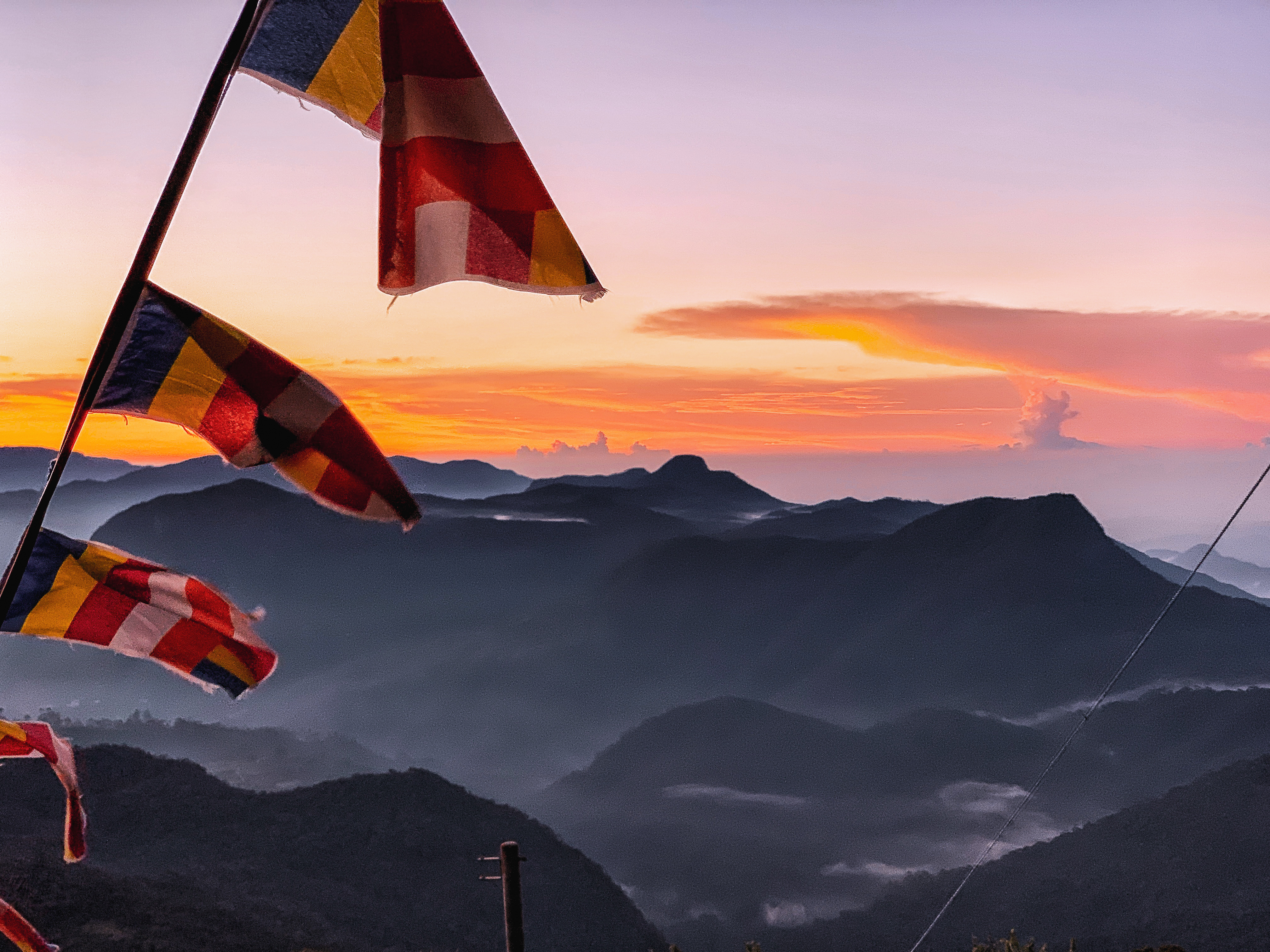
Is Adam's Peak actually worth climbing? The mountain - Sri Pada to locals, Samanalakanda in Sinhalese - rises 2,243 metres above the central highlands, and reaching the top means tackling roughly 5,500 stone steps through the night, starting at 2 AM, chasing a sunrise that weather may or may not cooperate with. It sounds like a lot. And honestly, it is.
But it is also one of those experiences that travellers cannot stop talking about long after they have left the island. The real question is not whether the climb is hard - it is whether the reward matches the effort for your particular kind of trip. Here is what 353,633 real guest reviews reveal about getting it right.
The short answer
Yes, Adam's Peak is worth climbing - but only if you go in with honest expectations. It is not a wilderness hike. It is a pilgrimage route, shared with thousands of devotees from multiple religions, families with toddlers, elderly grandmothers, and tourists from everywhere. The trail is paved with concrete steps from bottom to top, lit at night during pilgrimage season, and lined with tea stalls every few hundred metres. The experience is communal, spiritual, and physically demanding in equal measure.
If the idea of climbing steps for four hours in a slow-moving line of headlamps and chanting sounds like your kind of thing, you will love it. If you are looking for solitude in nature, choose a different mountain. But for a sunrise that makes you forget how much your legs hurt, and a sense of shared human purpose that is rare in modern travel - Sri Pada delivers something no other destination in Sri Lanka can match.
What's worth doing
- The night climb for sunrise - This is the main event. Most people start from Dalhousie (Nallathanniya) between 2 AM and 3 AM, aiming to reach the summit by 6:00 to 6:30 AM when the sun rises. During pilgrimage season (December to May), the entire staircase is lit and busy. The final stretch near the top can bottleneck, especially on weekends or Poya full moon days, so starting early gives you the best chance of securing a spot on the viewing steps. The sunrise itself is extraordinary - the sun appears over the eastern hills, and moments later the mountain casts a perfect triangular shadow onto the clouds below, a phenomenon visible only from this peak at dawn.
- The pilgrimage experience itself - What makes Adam's Peak different from any other hike in Sri Lanka is the atmosphere. You climb alongside pilgrims ringing bells at each rest stop, families sharing roti and tea on the steps, and monks chanting from the temples along the way. The energy is something travellers mention in nearly every account of the climb. Even non-religious visitors describe it as moving. The shared sense of effort and purpose transforms what would otherwise be a very long staircase into something memorable.
- The temple at the summit - At the top, there is a small shrine housing the Sri Pada - the sacred footprint. Depending on who you ask, it belongs to the Buddha, Shiva, Adam, or St. Thomas. Photography of the footprint is not permitted, but seeing the queue of devotees waiting patiently to touch it adds another layer of meaning to the climb. The brass bell at the summit is rung by every pilgrim who reaches the top.
- Tea stalls along the route - The stalls along the staircase are part of the experience. Hot ginger tea, roti, and plain tea are available every few hundred steps. During pilgrimage season these operate through the night. The price for a cup of tea is about 40 to 60 rupees ($0.15 to $0.20). Many travellers mention that stopping at a stall halfway up, looking down at the string of headlamps below, is one of their strongest memories of the climb.
- Hatton and the tea country approach - The journey to Adam's Peak is itself worth doing. Hatton is the nearest town, surrounded by rolling tea estates that rival Nuwara Eliya for scenery. The bus ride from Hatton to Dalhousie winds through steep green hillsides where tea pickers work the slopes in the early morning light. Several travellers describe this approach as the perfect warm-up for the climb.
Getting around
Getting to Adam's Peak from the main tourist circuit is straightforward but takes planning. The most common approach starts from Hatton, which is a station on the main Colombo-Kandy-Ella railway line and also connected by bus from Kandy and Nuwara Eliya.
By train to Hatton: If you are coming from Kandy or Ella, the train is the best option. The Kandy-Ella train stops at Hatton station, and the journey from either direction passes through spectacular hill country. From Ella, the train takes about 4 hours. From Kandy, about 2.5 hours. A second-class ticket costs roughly $3 to $5.
Hatton to Dalhousie: From Hatton, buses run regularly to Dalhousie (Nallathanniya) - the village at the base of the trail. The journey takes about 1 hour and costs around 100 rupees ($0.35). A tuk-tuk from Hatton to Dalhousie costs approximately 2,000 to 3,000 rupees ($7 to $10).
From Nuwara Eliya: Direct buses run from Nuwara Eliya to Dalhousie, taking about 3.5 to 4 hours. The bus costs about 600 rupees ($2). This is a scenic route through tea country.
From Colombo: Most travellers coming from Colombo break the journey in Hatton or Kandy. The direct bus from Colombo to Hatton takes about 5 to 6 hours and costs roughly 600 rupees ($2). A private car or taxi from Colombo to Dalhousie costs between $50 and $80 and takes 4 to 5 hours depending on traffic.
Getting around Dalhousie: The village itself is small and walkable. The trailhead is a 5 to 10 minute walk from most guesthouses. There is no need for tuk-tuks within the village.
What is not recommended: driving yourself. The road from Hatton to Dalhousie is narrow, steep in sections, and frequently used by buses and trucks. First-time visitors to Sri Lanka are better off taking the bus or hiring a driver.
What to budget
A trip to Adam's Peak is one of the more affordable outings in Sri Lanka because the climb itself costs nothing. Here is what to expect for a one-night stay including the climb:
- Accommodation: $10 to $30 for a basic private room in Dalhousie. Most properties have hot water (essential after the climb) and include breakfast. Guesthouses like Slightly Chilled, White House, and Blue Sky offer rooms in the $12 to $25 range. If you arrive without a booking, agents at the bus stop may offer rooms - inspect first before paying.
- Transport: $5 to $15 depending on your starting point. Bus from Kandy or Nuwara Eliya is $2 to $3. Train to Hatton plus bus to Dalhousie is about $4 to $6. A private car from Kandy or Nuwara Eliya is $20 to $30.
- Food and drink: $3 to $8 per day. Tea and snacks on the trail are negligible - a few hundred rupees total. Dinner and breakfast at your guesthouse typically costs $3 to $5 per meal.
- Guide: Not needed. The path is a single staircase from Dalhousie to the summit. No guide required, and none of the budget goes here.
- Torch or headlamp: If you do not have one, buy it in Hatton for about $2 to $3. Essential if climbing outside pilgrimage season when the lights are off.
A solo traveller on a budget can do the entire trip for $25 to $40 including accommodation, food, transport, and the climb itself. A couple spending comfortably should budget $50 to $70.
WATCH OUT FOR
The descent is harder on your knees than the ascent. This is the most consistent warning from travellers who made the climb. Going up 5,500 steps is exhausting, but going down the same steps after sunrise - when your legs are already tired - puts strain on your knees and joints that catches many people off guard. Take it slow, use the handrails where available, and consider bringing knee supports if you have joint issues. Some travellers recommend taking the bus from the summit road if your knees cannot handle the descent (a road from Ratnapura reaches a point about 500 metres below the summit, but this route is far less common).
Crowds on Poya days are beyond anything you expect. During the full moon (Poya) days in pilgrimage season, especially January through April, the staircase can become a human traffic jam. Travellers who climbed on these days describe waiting in place for 20 to 30 minutes at a time, standing on steps, unable to move up or down. If you are flexible, choose a weekday in late March or April after the Poya crowds have passed.
The weather at the top is genuinely cold. It is easy to forget that a tropical country can be cold at 2,243 metres. At dawn, temperatures at the summit drop to 5 to 10 degrees Celsius. Combined with wind and damp mist, it feels much colder. Travellers who climbed in shorts and a t-shirt regularly describe the wait for sunrise as miserable. Bring a fleece or light jacket, long trousers, and a beanie. Some guesthouses in Dalhousie rent blankets for the climb.
Outside pilgrimage season (June to November), the trail is unlit. The tea stalls close, the lights go off, and you climb in darkness with only your headlamp. Fewer people are on the trail, which some travellers prefer, but the atmosphere is entirely different. The summit temple may also restrict access to the footprint itself during this period. Check current conditions before you plan an off-season climb.
Accommodation quality in Dalhousie varies significantly. The village exists almost entirely for the pilgrimage trade, and the guesthouse standard reflects this. Rooms can be basic - think thin mattresses, cold showers (despite claims of hot water), and thin walls. Read recent reviews carefully and avoid the cheapest unmarked rooms offered by touts at the bus drop-off. Paying $5 more typically means a heater, a cleaner bathroom, and breakfast included.
GOOD TO KNOW
- Start time matters more than you think. The climb takes most people 3 to 5 hours depending on fitness and crowds. If you start at 2 AM, you arrive at the summit with time to choose a good viewing spot. If you start at 3 AM, you are pushing it. If you start at 4 AM, you will likely watch the sunrise from somewhere on the staircase, not from the top.
- Leave your shoes at the bottom of the summit stairs. The final platform requires bare feet. Most people leave shoes on the steps near the top. Bring a plastic bag to carry them if you want to be sure they are there when you come back down.
- The staircase has toilet stops - paid, about 40 to 50 rupees per use. Carry small change. These are basic but functional.
- Photography is not allowed inside the shrine at the summit. You can photograph the sunrise, the view, and the exterior freely, but the footprint itself is off-limits for photos.
- Bring your own toilet paper and hand sanitiser. The facilities along the trail and in Dalhousie do not reliably stock these.
- Book accommodation in advance during peak season (January to March). Dalhousie has limited rooms and fills up completely on weekends and Poya days.
- If you are coming from the beach circuit (Galle, Mirissa, Unawatuna), the journey to Hatton takes 4 to 6 hours by bus and costs about $4. Most travellers combine Adam's Peak with a visit to Nuwara Eliya or Ella, which are on the same route.
- The triangular shadow phenomenon lasts only a few minutes after sunrise. If clouds obscure the view, it may not appear at all. This is weather-dependent, and no amount of planning guarantees it. The sunrise itself is still remarkable.
WHERE TO STAY
- Slightly Chilled - The most popular guesthouse in Dalhousie, and the name matches the vibe. Rooms are basic but clean, with hot water and a garden where guests swap stories before and after the climb. Multiple travellers mention the owner going out of their way - offering early breakfast at 1 AM before the climb, storing luggage after checkout, and providing detailed advice on timing and route conditions.
- White House Guest - A simple, family-run option a few minutes' walk from the trailhead. Guests consistently mention the breakfast as a standout - served at whatever absurd hour you need to start climbing. The family is described as welcoming and helpful, with one reviewer noting that the host walked them to the trail start to make sure they did not miss the turn in the dark.
- Singha Rest Inn - Located right at the start of the trail, making it the most convenient option for the early morning start. The rooms are straightforward but the location is the selling point. Travellers who stayed here repeatedly mention that stepping out the door at 2 AM directly onto the path saved them the confusion of navigating Dalhousie's dark streets.
- Green House Cottages - A step above the budget options, with slightly larger rooms and better bathroom quality. Guests highlight the hot water pressure and the quality of the dinner - Sri Lankan rice and curry described as the best meal of the trip by several reviewers. The garden views of the surrounding hills add to the sense of being in the mountains.
- Hasadi Hotel - A mid-range option with a restaurant and reliable Wi-Fi, unusual for Dalhousie. The rooms are modest but the staff are frequently praised for their friendliness. The proximity to the trailhead and the ability to order a packed breakfast for the climb make it a practical choice for travellers who want a bit more comfort than the basic guesthouses.
The bottom line
Adam's Peak is not a hike for everyone. It is physically demanding, socially crowded, and inherently unpredictable - the weather, the crowd size, and the visibility at sunrise all factor into whether your climb is magical or merely memorable. But the travellers who take it on, who accept the night start and the aching legs and the 5,500 steps, almost never regret it. There is something about standing on that summit at dawn, surrounded by thousands of people who made the same effort, watching the sun rise over a country that still moves at the pace of pilgrimage. It is not the easiest thing you will do in Sri Lanka. It might be the one you remember the longest.
Have a specific question about your Sri Lanka trip?
Ask BYC at byc.lk — free, honest, no upsell. Ever.
Ask BYC Your Question →