Batticaloa vs Trincomalee — Which East Coast Sri Lanka Destination Is Right for You in July?
"Should I choose Batticaloa over Trincomalee?" This question keeps coming up from travellers planning an east coast trip, especially for the July-August window when the southwest monsoon is running and the east is where everyone heads for reliable sunshine and calm seas.
Both sit on Sri Lanka's eastern coastline. Both offer beach life, whale watching, and that easygoing east coast pace. But they are fundamentally different experiences — one is a proper city with a massive natural harbour, the other is a laid-back lagoon town where budget travellers have quietly been having the best Sri Lanka beach holiday for half the price. Here is how to decide which one fits your trip.
The short answer
Choose Trincomalee if you want the full east coast package — world-class snorkelling at Pigeon Island, whale watching at its most reliable, the historic Koneswaram Temple, and a choice between two popular beach strips (Nilaveli and Uppuveli). Choose Batticaloa if you want a quieter, more affordable experience with authentic local culture, a stunning lagoon, and easy access to Pasikuda's calm bay without the Pasikuda resort prices. Batticaloa is roughly 30-40% cheaper across accommodation, food, and activities, and it is genuinely less crowded even in peak season.
What's worth doing
Trincomalee
- Pigeon Island National Park — The clear winner for snorkelling on the east coast. A short boat ride from Nilaveli Beach, the coral reef here is healthy and accessible. Colourful reef fish, sea turtles if you are lucky, and water so clear you can see the bottom at 10 metres. Best done as a morning trip before the wind picks up. Entry plus boat runs around $25-30 per person.
- Whale watching — Trincomalee is one of Sri Lanka's best spots for blue whales and sperm whales, especially from May to September when the seas are calmest. Boat tours run $40-60 per person and usually last 4-5 hours. Sightings are frequent enough that most operators offer a free second trip if you do not see anything.
- Koneswaram Temple — The ancient Hindu temple perched on Swami Rock overlooking the Indian Ocean. Originally built in the 3rd century BCE, destroyed by Portuguese colonisers, rebuilt and active. The sunset view from the cliff edge is genuinely spectacular. Free entry, dress respectfully.
- Nilaveli Beach — Wide stretch of soft white sand, calm turquoise water, and enough space that you never feel crowded even in July. The beach itself is free, sunbeds cost around $3-5. The water stays shallow for a long way out, making it excellent for casual swimming.
- Uppuveli Beach — More relaxed and slightly less developed than Nilaveli. More budget accommodation, fewer resorts. The beachfront restaurants here serve some of the best seafood on the coast.
- Frederick Fort — A 17th-century Portuguese fort rebuilt by the British, still used by the Sri Lankan Navy. You can walk the ramparts for harbour views. The old Dutch cemetery inside is a quiet, forgotten corner of history.
Batticaloa
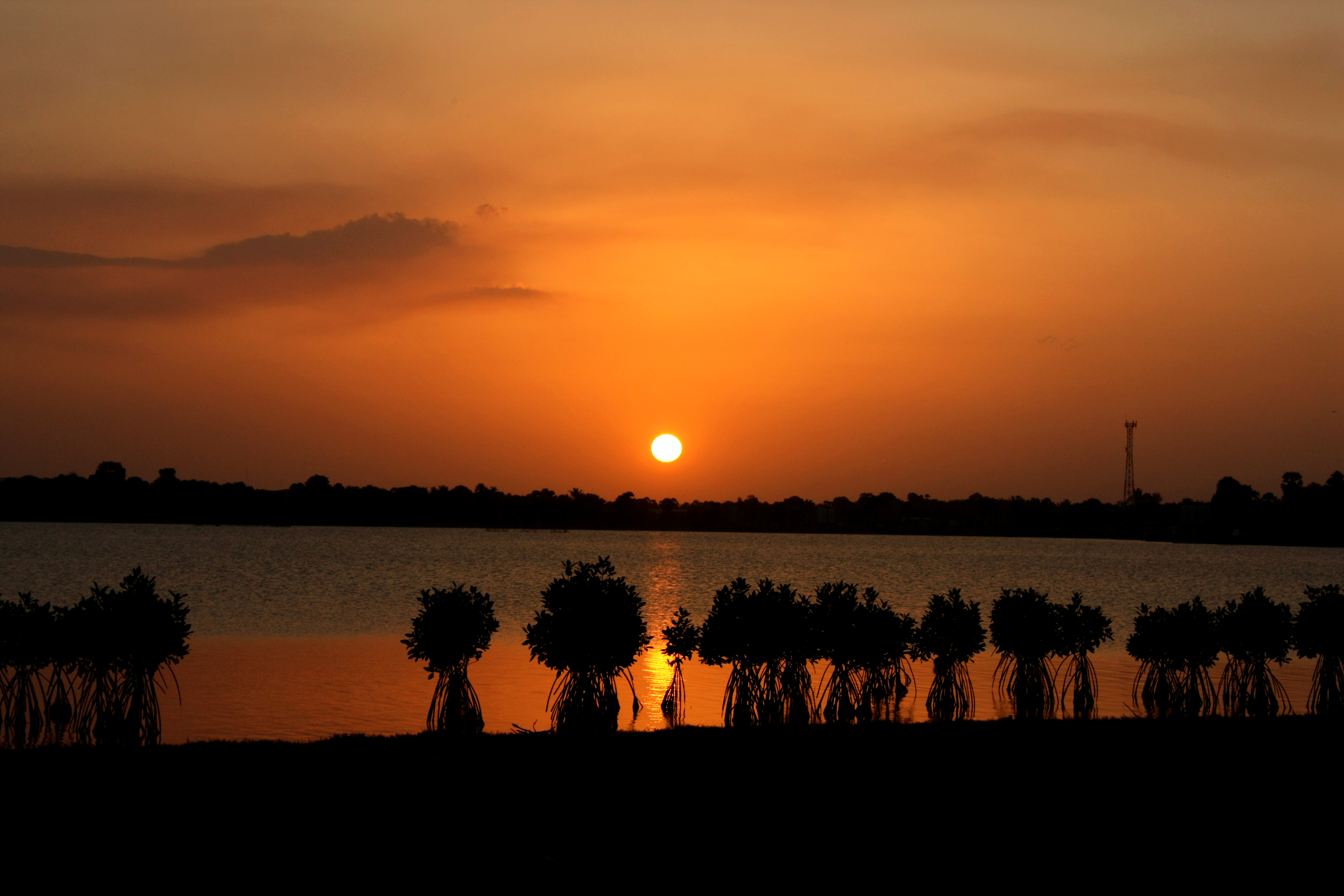
- Batticaloa Lagoon — The defining feature of the town. A vast, peaceful lagoon dotted with palm-fringed islands. Sunset boat rides through the lagoon channels are the highlight of any Batticaloa trip — watch for the famous "singing fish" that supposedly hum at night during the full moon. Boat hire runs $15-25 for a group.
- Batticaloa Fort — A 1628 Portuguese fort that has stood through Dutch, British, and Sri Lankan control. It is not as polished as Galle Fort, and that is exactly the point. You can walk the walls, look out over the lagoon, and explore the old prison cells and ramparts. Free entry.
- Pasikuda Beach (30 min drive) — The most famous beach near Batticaloa, with gently shelving white sand and water so calm it feels like a swimming pool. More affordable base here than staying in Pasikuda itself. Expect fewer crowds on the Batticaloa end of the bay.
- Kallady Beach — The main beach within Batticaloa town. Not as pristine as Nilaveli, but much quieter and with a strong local feel. Good for an evening walk and sunset, less for swimming.
- Whale watching — Yes, Batticaloa also offers whale watching tours, though they are less frequent and less established than Trincomalee's. Prices start around $25-35 per person, making them significantly cheaper. Sightings are less guaranteed but the tours also cover dolphin watching along the coast.
- Dutch National Museum — A small but well-curated museum in the old Dutch governor's residence. Exhibits on colonial history, local culture, and the Batticaloa region. Entry is about $2.
Getting around
Getting to Trincomalee: The train from Colombo to Trincomalee runs twice daily, takes about 6-7 hours, and costs roughly $3-5 in second class. The bus from Colombo's Bastian Mawatha bus station takes about 6 hours and costs around $5-6. A private taxi from Colombo is around $60-80. From Dambulla (where many travellers come from after Sigiriya), the bus takes 3-4 hours and costs about $3.
Getting to Batticaloa: The Colombo-Batticaloa train takes about 7-8 hours, also running twice daily, with second class around $4-6. The bus from Colombo takes roughly 7 hours and costs $5-7. From Dambulla, the bus is about 3 hours via the A11 highway. Direct buses run from Dambulla to Batticaloa — look for buses heading to the Eastern Province, they depart from the clock tower area. Cost is about $3-4. A private taxi from Dambulla to Batticaloa runs $50-65.
Getting between Trincomalee and Batticaloa: Direct buses run along the coastal A15 highway, taking about 2.5-3 hours and costing around $3. A private taxi costs $35-50. You could easily do both in a single trip if you have the time — many travellers spend 2 nights in Trincomalee and 2 in Batticaloa, connected by this short bus ride.
Getting around locally: Tuk-tuks are the main option in both towns. In Trincomalee, a ride from the town centre to Nilaveli Beach (about 8 km) costs $3-5. In Batticaloa, getting from the town to Kallady Beach or the lagoon is $2-3. Always agree the fare before you get in. Both towns are walkable in the centre, but the beaches are spread out enough that you will need transport.
What to budget
Trincomalee daily budget:
- Budget traveller: $30-40/day — dorm bed ($8-12), local meals ($5-8), one activity, tuk-tuks
- Mid-range: $60-90/day — private room ($25-45), restaurant meals ($10-15), snorkelling or whale watching, transport
- Comfort: $120-180/day — beachfront resort ($60-100), nice dinners ($15-25), private tours, car hire
Batticaloa daily budget:
- Budget traveller: $20-30/day — basic room ($8-12), local meals ($4-6), lagoon boat ride, tuk-tuks
- Mid-range: $40-60/day — guesthouse ($15-30), restaurant meals ($8-12), Pasikuda day trip, whale watching
- Comfort: $80-120/day — boutique hotel ($40-70), good seafood dinners ($12-20), private driver to Pasikuda
The price gap is real. Batticaloa's accommodation market simply has not been inflated by the same tourist demand that drives Trincomalee prices up in peak season. A comparable private room in a clean guesthouse costs roughly 40% less in Batticaloa. Meals at local restaurants are similarly discounted — a rice and curry plate that costs $3-4 in Trincomalee runs $2-3 in Batticaloa.
WATCH OUT FOR
The east coast season runs May to September, and July is right in the middle of it. This means both destinations are busy, but busy here means something different than on the south coast. Trincomalee's Nilaveli and Uppuveli beaches see a steady flow of tourists but rarely feel packed. Batticaloa is quieter still — you will share the lagoon boat with a handful of other travellers, not a flotilla.
A common pattern in Trincomalee reviews: properties described as "beachfront" on Uppuveli are sometimes across the road from the water, not directly on the sand. "Walking distance to the beach" can mean a 15-minute walk down an unlit road. Check the actual location on a map before booking.
In Batticaloa, the main thing that catches travellers off guard is the town itself. Batticaloa is a working Sri Lankan city, not a resort town. The lagoon is beautiful, the fort is interesting, and the local food is excellent, but the main town is busy, dusty, and functional. If you want to step out of your guesthouse straight onto a pristine beach, stay near Kallady or make the trip to Pasikuda. The travellers who are disappointed in Batticaloa are the ones who expected a beach resort and got a real city with beaches attached.
Whale watching in both locations carries the same risk: peak season July has excellent sea conditions, but whales are wild animals. The Trincomalee operators are more established and have better track records for sightings, but they are also more expensive and follow a more rigid schedule. Batticaloa tours are cheaper and more flexible but the success rate is lower. If whale watching is your priority, Trincomalee is the safer bet.
Mosquitoes are a genuine issue in both locations, especially around the lagoons at dusk. Batticaloa's lagoon setting means more mosquitoes in the evening. Trincomalee's proximity to the harbour and lagoons creates similar conditions. Pack repellent and consider a room with air conditioning or mosquito nets.
GOOD TO KNOW
- Both destinations are at their best May-September. July is prime season — expect warm days (30-33°C), calm seas, and clear skies. The east coast weather is the most reliable in the country during these months.
- Batticaloa is significantly cheaper for accommodation. You can get a clean private room with AC for $15-25 in Batticaloa versus $25-45 for something comparable in Trincomalee. This matters if you are stretching a budget over two weeks.
- Trincomalee has better snorkelling. Pigeon Island is a protected marine park with healthy coral. Batticaloa does not have a comparable snorkelling destination — Pasikuda's water is calm and clear but the reef life is not as rich.
- Batticaloa has better local food options. Because it is less tourist-oriented, the restaurants here serve real Sri Lankan cooking at local prices. The lagoon crab and jaffna-style crab curry are standouts.
- Cash is still king in both places. Batticaloa especially has fewer ATMs and card acceptance. Bring enough Sri Lankan rupees for your stay. There is an ATM at the bus station in Batticaloa but it sometimes runs out of cash on weekends.
- Dambulla to Batticaloa buses run directly. Look for buses headed to "Batticaloa" or "Batti" from the Dambulla bus station. They leave roughly every 1-2 hours between 6 AM and 4 PM. The journey takes about 3 hours on the A11 highway, which is in good condition.
- Learn a few words of Tamil. Both Trincomalee and Batticaloa are predominantly Tamil-speaking regions. A simple "vanakkam" (hello) and "nandri" (thank you) goes a long way. Most people in tourism speak some English, but the effort is appreciated.
WHERE TO STAY
Trincomalee
- Nilaveli Beach Resort — Right on Nilaveli Beach with direct access to the sand. Guests consistently mention the easy walk to Pigeon Island boat departure point and the quality of the beachfront restaurant. The location is the main draw — you wake up steps from the best beach on the east coast.
- Hotel & Spa Trinco Blu — Set on a private cove near Uppuveli with its own small beach. The swimming pool and garden area get consistent praise from families. Multiple reviews call it the best mid-range option in the area for the value.
- OYO 155 Beach Resort — Budget-friendly option on Uppuveli beach road. Rooms are basic but clean, and the proximity to Uppuveli's restaurant strip makes it popular with backpackers. The rooftop seating area with sea views is the hidden win.
Batticaloa
- Hotel East Lagoon — Overlooking the lagoon with comfortable rooms and a pool. Guests consistently mention the sunset views from the restaurant terrace and the helpful staff who arrange lagoon boat trips and onward transport. The lagoon-facing rooms are worth the small upgrade.
- Naaval Beach Villa & Rooms — Simple guesthouse near Kallady Beach with a garden setting. The family who runs it gets mentioned repeatedly in reviews for being genuinely welcoming and cooking excellent home dinners on request. The best option if you want a local rather than resort experience.
- Coastal Villa — Modern guesthouse on the Batticaloa-Pasikuda road, about 20 minutes from town. Positioned halfway between Batticaloa city and Pasikuda Beach, making both accessible. Guests rave about the quiet location, the homemade breakfast, and the owners who help with transport arrangements.
- Passikudah Bay Hotel — If you want to treat yourself near Pasikuda's famous bay without staying in the crowded resort strip. The property sits on a quieter stretch of the bay with direct beach access and a large pool. The staff's attention to special requests comes up repeatedly in reviews.
The bottom line
Trincomalee and Batticaloa are not really competing destinations — they serve different travel styles. Trincomalee gives you the classic east coast holiday with snorkelling, whale watching, and beautiful beaches in a package that is well-established and reliable. Batticaloa gives you a more authentic, quieter, and significantly cheaper experience with a beautiful lagoon, good local food, and easy access to Pasikuda's calm bay. If your budget is tight and your priority is laying low with good food and local culture, Batticaloa is the smarter choice. If snorkelling at Pigeon Island is on your bucket list and you want the east coast experience at its fullest, go to Trincomalee. Better yet, do both — they are only three hours apart by bus, and the difference between them is exactly what makes Sri Lanka's east coast worth exploring.
Have a specific question about your Sri Lanka trip?
Ask BYC at byc.lk — free, honest, no upsell. Ever.
Ask BYC Your Question →