How to get from Colombo to Trincomalee: Transport options, costs, and what real travellers recommend
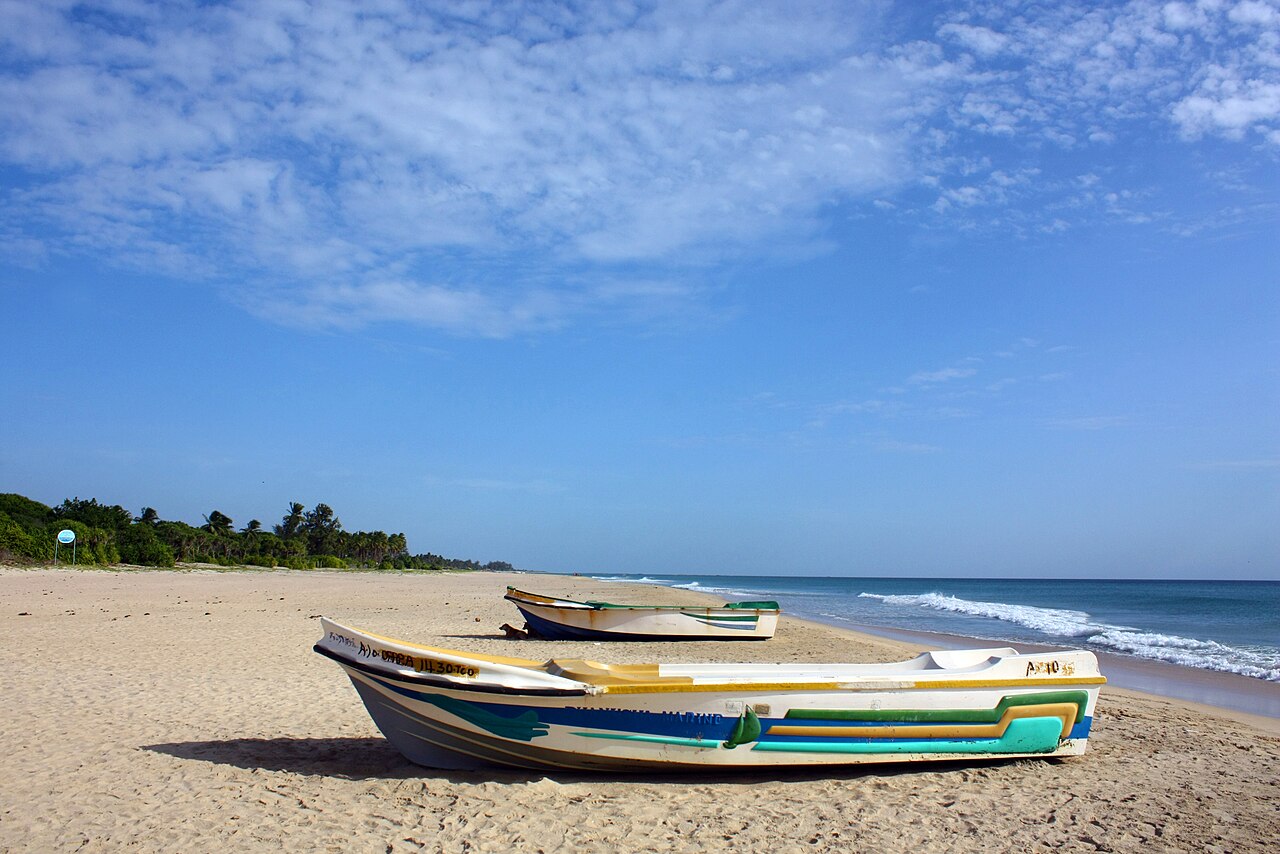
You look at Uber and it quotes LKR 33,000 — roughly $100 — for the drive from Colombo to Trincomalee. That seems steep for a 260-kilometre trip. But here is the thing: Uber in Sri Lanka does not work the way it does in London or Singapore. The app quotes premium prices for a small pool of long-distance drivers, and nobody who actually takes this route pays that rate. The real cost of getting from Colombo to Trincomalee is anywhere from $4 to $85 depending on how you travel, and the best option is rarely the obvious one.
This article breaks down every transport option on the Colombo–Trincomalee route — bus, train, shared van, private car, and self-drive — with current prices, what each option actually feels like, and where to base yourself on the other end.
The short answer
If you are budget-conscious: take the direct air-conditioned bus from Colombo Bastian Mawatha to Trincomalee for $4–6. It runs all day and takes 6–7 hours. If you want comfort and convenience: hire a private car and driver for $65–85 one way. Uber’s LKR 33,000 quote is about double what a direct negotiation with a driver will cost you. The train is cheap ($5) and scenic but has limited daily departures and is overcrowded unless you pre-book first-class seats. For the vast majority of travellers, the private car with driver offers the best value — it turns a tiring journey into a comfortable, flexible transfer where you can stop for lunch in Dambulla or visit the Golden Temple in the middle of the trip.
What is worth doing
The Colombo–Trincomalee journey is not just a transfer — it can be a highlight of your trip if you plan it well. Here is what makes the route worthwhile:
Private car with driver
The best option for most travellers. A private car and driver for the 260 km journey costs $65–85 one way, depending on vehicle type and driver quality. A standard sedan (Tata, Suzuki, or Toyota) fits two passengers comfortably with luggage. An SUV costs $80–120 but handles the bumpy sections of the A6 highway better. The trip takes 5–6 hours if you drive straight, but the real value is the flexibility — you can stop at the Dambulla Cave Temple, the Sigiriya viewpoint, or the Dambulla Fresh Fruit Market for a break that turns a journey into a day trip. Drivers are included in the price; they handle fuel, tolls, and their own meals. The standard practice is to tip $5–10 if the driver has been good.
Where to find a reliable driver: ask your hotel, ask at the airport’s official transport counter, or use recommended driver networks like WedriveLanka or the SLTDA-registered directory on srilankacaranddriverhire.com. Avoid drivers who approach you inside the arrivals hall — they are independent operators who will quote a fair price but lack the insurance coverage of registered drivers.
Air-conditioned bus
The budget champion. The direct AC bus from Colombo Bastian Mawatha bus terminal (the Pettah bus stand) to Trincomalee departs roughly every 30 minutes from 5 AM to 6 PM and costs $4–6 per person. The buses are operated by private companies like Lanka Ashok Leyland and CTB, and the AC buses are newer and cleaner than the standard non-AC fleet. The journey takes 6–7 hours with one rest stop. Seats are comfortable, the AC can be aggressive (bring a light jacket), and the bus will drop you at Trincomalee town centre, from where a tuk-tuk to Uppuveli or Nilaveli costs $2–4. One traveller described it as “better than expected — the bus was clean, the AC worked, and it cost less than a restaurant meal.”
Train
The most scenic option. The overnight train from Colombo Fort departs at 21:30 and arrives in Trincomalee around 5:30 AM — an 8-hour journey through the central province that is genuinely beautiful under moonlight. First-class sleeper tickets cost about $5–8. The daytime train departs earlier but the schedule is limited, with services on alternate days. The train is slow, prone to delays, and overcrowded in second-class carriages. First-class is worth the premium: reserved seating, less crowded, and a window that stays open for the breeze. The train station in Trincomalee is conveniently located about 500 metres from the town centre. From there, a tuk-tuk on a meter costs LKR 400–500 to Uppuveli and LKR 800–1,000 to Nilaveli.
Shared van
An emerging middle-ground option. Several companies run shared minivans between Colombo and the east coast, charging $10–15 per person for a 5–6 hour trip. The vans seat 6–8 passengers, are air-conditioned, and will drop you at your specific hotel in Trincomalee — no need for an additional tuk-tuk. This is popular with solo travellers who want the comfort of a private car without the cost. Operators can be found through hotel reception desks in Colombo, or through the PickMe rideshare app which now offers a “shared long-distance” option on some routes. Availability varies by season.
Getting around
Once you reach Trincomalee, you have three main areas to navigate: Trincomalee town (Koneswaram Temple, Fort Frederick, the harbour), Uppuveli Beach (5 km north, the main guesthouse strip), and Nilaveli Beach (15 km north, the premium beach area).
Tuk-tuks are the primary mode of transport. A trip from Trincomalee town to Uppuveli Beach costs LKR 400–600 ($1.50–2) and takes 15 minutes. From town to Nilaveli Beach costs LKR 800–1,200 ($3–4) and takes 25 minutes. Always negotiate the price before getting in. Metered tuk-tuks exist but are uncommon outside Colombo. PickMe and Uber operate in Trincomalee but the driver pool is small and response times are 15–25 minutes. It is faster to flag a tuk-tuk on the road or ask your accommodation to call one.
Scooter rental costs $8–12 per day and is an excellent way to explore the coast independently. The road between Uppuveli and Nilaveli is paved and well-lit, with minimal traffic. Several guesthouses in Uppuveli rent scooters without requiring an international driving permit (though an IDP is technically required by Sri Lankan law). A full tank costs about LKR 600 and lasts 2–3 days of local riding.
Private taxis for day trips cost $30–50 per day for a car and driver if you want to visit Pigeon Island, Koneswaram Temple, or make a day trip to the Kanniya Hot Springs. This is more expensive than tuk-tuks but far more comfortable in the midday heat, and drivers will wait for you at each stop.
Ferries from Trincomalee harbour to Pigeon Island cost about $10–15 per person return on a shared boat, or $30–50 for a private boat. Book through your hotel or at the harbour directly. Morning departures (7–9 AM) offer the best conditions — the sea gets choppy after noon.
What to budget
| Item | Budget | Mid-range |
|---|---|---|
| Transport Colombo → Trinco (per person) | $4–6 (bus) | $65–85 (private car) |
| Train Colombo → Trinco (per person) | $5 (second class) | $8 (first class) |
| Shared van Colombo → Trinco | $10–15 | $10–15 |
| Accommodation (per night) | $12–20 | $40–80 |
| Meals (per day) | $8–12 | $15–25 |
| Pigeon Island snorkelling trip | $15–25 | $15–25 |
| Local transport (per day) | $3–5 | $8–12 |
| Whale watching tour | — | $30–50 |
| Estimated daily total | $27–42 | $123–197 |
The budget estimate assumes the bus option, a simple guesthouse, and local-style meals. The mid-range estimate assumes a private car hire (one-time cost spread over 3 nights), a 3–4 star hotel, and restaurant dining. The biggest single cost is accommodation — Nilaveli’s beachfront resorts charge $50–80 in July peak season, while Uppuveli guesthouses start at $15–25.
WATCH OUT FOR
Uber and PickMe are not cheaper for long distances. The LKR 33,000 ($100) Uber quote that prompted this article is real. Ride-hailing apps in Sri Lanka use a premium pricing model for trips outside the Colombo metro area. The same ride arranged directly with a driver will cost $65–85. Always get a direct price first.
Train tickets sell out fast in season. The 21:30 overnight train to Trincomalee is popular with locals and travellers alike. First-class reserved tickets often sell out 3–4 days in advance, especially on weekends and during the July–September east coast peak season. Book at Colombo Fort station at least two days before you want to travel. Show up on the day and you will be standing in a second-class carriage for eight hours.
The bus is cheap but read the fine print. The direct AC bus from Bastian Mawatha is excellent. But buses labelled “Colombo–Trincomalee” at other terminals may be local buses that stop at every village along the way, turning a 6-hour trip into a 10-hour crawl. Make sure you are boarding an express AC bus. The ticket counter at Bastian Mawatha clearly labels express services.
Driver food and accommodation are your responsibility. If you hire a private car and driver, you are expected to cover the driver’s meals ($5–8 per day) and either provide a room or contribute to accommodation (about $10 per night). Most hotels in Trincomalee offer driver accommodation at a reduced rate when you book. Ask when you make the reservation.
Nilaveli accommodation books up fast. July is peak season on the east coast. The best-run guesthouses and boutique hotels at Nilaveli fill up two to three weeks in advance. The budget options at Uppuveli tend to have more last-minute availability. If you have your heart set on Nilaveli, book before you arrive in Sri Lanka.
GOOD TO KNOW
The Colombo–Trincomalee route via Kurunegala and Dambulla is the quickest — it is 260 km with mostly good road conditions. The A6 highway is two lanes for most of the way, and while sections near Habarana have occasional roadworks, the route is safe and well-maintained. A private car will cover it in 5–6 hours including one stop.
If you are coming directly from the airport (CMB), you do not need to go into Colombo city. The airport at Katunayake is 30 km north of Colombo, and drivers can take the A3 highway east directly toward Dambulla, bypassing Colombo entirely. This cuts about an hour off the total journey. The airport has a dedicated taxi counter inside the arrivals hall with fixed prices to Trincomalee — expect $75–90 for the full trip.
The 6:00 AM bus from Bastian Mawatha is the best option for budget travellers. It arrives in Trincomalee around noon, giving you the full afternoon to settle in and catch the sunset at Nilaveli. The evening bus arrives after dark, which means you are arriving in an unfamiliar town with tuk-tuks charging inflated night rates.
Most guesthouses in Uppuveli and Nilaveli are happy to arrange your return transport to Colombo. The standard price for a return private car is about $65–80, same as the one-way trip. Book this a day ahead through your accommodation rather than scrambling for a bus on departure day.
If you choose to self-drive, rental cars in Sri Lanka start at $25–35 per day plus fuel (about LKR 16,000 or $55 for the full tank needed for a Colombo–Trincomalee round trip). The roads are manageable for confident drivers, but Sri Lankan driving culture (buses overtaking on blind corners, three-wheelers appearing from side roads, cows on the highway) requires patience a first-time visitor may not have. Most travellers who self-drive in Sri Lanka spend more than they save after factoring in GPS hire, the stress of navigation, and the lack of local knowledge about road conditions.
WHERE TO STAY
For arrival convenience: Trinco Lanka Hotel
If you arrive late on the overnight train or the evening bus, Trinco Lanka Hotel in Trincomalee town is a safe, practical choice for the first night. Located a 10-minute walk from both the bus stand and the railway station, it offers clean air-conditioned rooms from $30–40 USD per night. Guests consistently note the late check-in policy and the 24/7 front desk as lifesavers after an overnight journey.
For the best beach: Anilana Nilaveli
Anilana is the top-rated beachfront property in Nilaveli, with rooms from $55–80 USD per night. Its location on the northern end of Nilaveli beach gives guests direct access to the calmest swimming section of the coast. Reviews consistently highlight the on-site restaurant for its fresh seafood and the staff’s willingness to arrange Pigeon Island snorkelling trips on the same day. The pool is a standout alternative when the afternoon sun gets too strong for the ocean.
For mid-range value: Pearl Dive Nilaveli
Right on Nilaveli beach at $35–50 USD per night, Pearl Dive runs its own snorkelling trips to Pigeon Island, which means guests can roll out of bed and onto a boat without the usual logistical hassle. Solo travellers in particular praise the family-run atmosphere — the hosts eat with guests, offer local tips, and help with onward travel arrangements.
For the social scene: Uppuveli Beach by Eden Resort
The best option in Uppuveli if you want company. The restaurant and bar are genuinely lively in the evenings, with a mix of travellers and expats. Rooms from $50–70 USD per night. Whale watching tours can be arranged at reception, and the property has a jetty that makes sunset drinks over the bay a highlight.
For budget-conscious travellers: Blue Wings Beach Resort
Uppuveli’s best-reviewed budget option at $15–25 USD per night. The rooms are simple but clean, the garden is well-maintained, and the beach access is better than most properties at this price point. Guests specifically mention the owner’s willingness to help with transport bookings and local advice as a reason they would stay again.
The bottom line
The Colombo to Trincomalee journey is straightforward, safe, and offers options for every budget. The bus is cheap and reliable, the train is scenic but requires planning, and the private car with driver remains the sweet spot for most travellers — comfortable, flexible, and reasonably priced at $65–85 when you book directly instead of through a ride-hailing app. Once you arrive, you will find one of Sri Lanka’s best beaches, excellent snorkelling, and a pace of life that makes the journey feel worth every kilometre.
Planning a Sri Lanka trip? Ask BYC at byc.lk — free, honest, no upsell. Ever.
Have a specific question about your Sri Lanka trip?
Ask BYC at byc.lk — free, honest, no upsell. Ever.
Ask BYC Your Question →