Dengue in Sri Lanka 2026 — What Travellers Need to Know Right Now
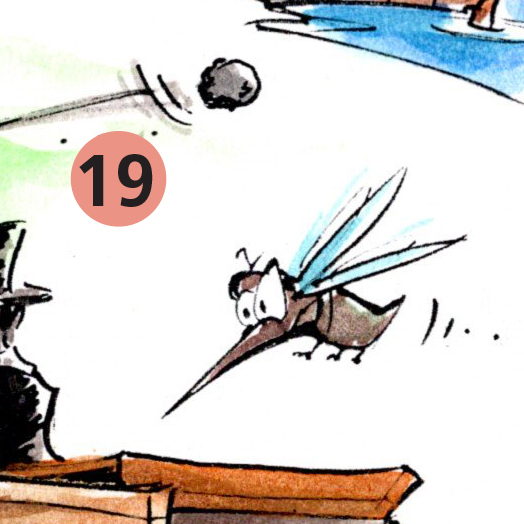
Before every Sri Lanka trip, this question comes up — and right now, travellers are asking it more urgently than ever. Is dengue fever a real risk in Sri Lanka in 2026? Should I be worried enough to change my plans, cancel my hotel, or skip certain regions?
The short answer is no, you do not need to cancel your trip — but you do need to take this seriously. Here is what the data actually says, what the government is doing about it, and exactly how to protect yourself without letting fear ruin your holiday.
The short answer
Dengue is present in Sri Lanka, and cases have risen this year. As of late May 2026, Sri Lanka has reported 35,228 dengue cases and 20 deaths — a 30 percent increase over the same period in 2025. That sounds alarming on its own. But here is the context every traveller needs: dengue has been endemic in Sri Lanka for decades. The country experiences seasonal outbreaks every year, typically peaking after the monsoon rains. The vast majority of cases occur in densely populated urban areas — not tourist resorts, not national parks, not the hill country. And the people most affected are local residents in high-density suburbs, not travellers passing through. For a tourist taking standard mosquito precautions, your personal risk remains very low. The key is knowing where the risk concentrates, when it peaks, and what simple habits cut your odds to near zero.
What’s worth doing
- Use EPA-registered insect repellent with 20-30% DEET or 20% Picaridin. This is your single most effective defence, and it should be a non-negotiable part of your daily routine in Sri Lanka. Apply it to exposed skin in the morning, reapply after swimming or heavy sweating, and keep a small bottle in your day bag. Travellers who consistently use repellent and still get bitten are extremely rare.
- Wear long sleeves and long pants during peak mosquito hours. The Aedes aegypti mosquito — the primary vector for dengue — is most active in the early morning (dawn to about 9 AM) and late afternoon (4 PM to dusk). This does not mean you need to cover up 24/7. It means planning your beach time, your sunset rooftop drinks, and your morning temple visits with these windows in mind.
- Stay in accommodation with good mosquito protection. Screened windows, air conditioning, and mosquito nets over beds are standard in the vast majority of Sri Lankan hotels and guesthouses — and the reviews reflect it. Properties that lack these basics generate negative reviews quickly. When booking, glance at recent guest comments about mosquitoes.
- Use mosquito coils or plug-in vaporisers in your room at night. Even if your room has AC, mosquitoes can enter when you open the door. A simple plug-in repellent (widely available at any supermarket in Sri Lanka for under $2) adds a second layer of protection while you sleep.
- Carry paracetamol — not ibuprofen or aspirin — in your first-aid kit. This matters because dengue can cause bleeding complications, and NSAIDs like ibuprofen increase bleeding risk. If you develop a fever in Sri Lanka, paracetamol is the safe choice until you can see a doctor. This one detail separates prepared travellers from panicked ones.
Getting around
Dengue risk in Sri Lanka is not evenly distributed. Western Province — home to Colombo, Sri Jayawardenepura Kotte, Negombo, and the airport — accounts for roughly 50 percent of all reported cases. That sounds concerning until you remember that Western Province is also the most densely populated region in the country, home to over 6 million people. The districts of Colombo and Gampaha report the highest numbers simply because more people live there.
For tourists, the practical implication is straightforward: the places you are most likely to visit — the Cultural Triangle (Anuradhapura, Polonnaruwa, Sigiriya), the Hill Country (Kandy, Ella, Nuwara Eliya, Haputale), the south coast beaches (Mirissa, Unawatuna, Tangalle, Bentota), the east coast (Trincomalee, Passikudah, Arugam Bay), and the north (Jaffna) — all have significantly lower population density and correspondingly lower dengue transmission risk. The Aedes mosquito is primarily an urban species. It breeds in stagnant water in built-up areas: uncovered drains, discarded containers, construction sites. Rural and suburban tourist areas simply have fewer breeding sites.
Transport itself poses minimal risk — you are inside a vehicle. Uber and PickMe are widely available in Colombo and Kandy for short trips. For longer travel between cities, air-conditioned buses and trains reduce exposure. The famous Kandy-to-Ella train journey is perfectly safe — the train moves fast enough that mosquitoes do not keep up.
What to budget
Preventing dengue does not require a special budget:
- Insect repellent (30% DEET): $5-8 at any pharmacy in Colombo or Negombo. Imported brands like Off! and Autan are widely stocked. Bring your own from home if you prefer a specific brand.
- Mosquito plug-in vaporiser + refills: $2-4 for a starter kit at any supermarket. Cargills and Keells supermarkets have dedicated sections near the pharmacy counter.
- Mosquito net: Free — almost all tourist accommodation provides them. If your room does not have one, ask. Guesthouses will supply one on request.
- Long-sleeve lightweight clothing: $5-15 if you buy locally at markets like Pettah or Laksala. A light linen shirt costs very little and doubles as sun protection.
- Medical consultation (if needed): $10-25 for a private clinic visit. Government hospitals provide free treatment for tourists, but private clinics are faster and English-speaking.
Total dengue prevention cost for an average two-week trip: under $15 per person if you buy repellent locally, under $25 if you bring nothing from home. This is one of the cheapest travel health investments you will ever make.
WATCH OUT FOR
Taking ibuprofen or aspirin for a fever. Multiple travellers who developed fever during their Sri Lanka trip made the same mistake: they took ibuprofen or aspirin for their symptoms before considering dengue. These drugs increase bleeding risk if the fever turns out to be dengue. The fix is simple: carry paracetamol, not ibuprofen. If you develop a fever with headache, eye pain, or muscle aches in Sri Lanka — or within two weeks of returning home — see a doctor immediately and tell them where you have been.
Assuming air conditioning alone is enough protection. AC reduces mosquito activity but does not eliminate it. Aedes mosquitoes are persistent indoors and will bite in air-conditioned rooms if they get in. The combination of AC plus a plug-in vaporiser is what actually works.
Budget properties with poor mosquito control. A small number of budget urban guesthouses — particularly in Colombo and Negombo — have unscreened windows, gaps under doors, or no nets. Check recent reviews for the word “mosquito” before booking budget accommodation in high-density areas.
Ignoring symptoms after you return home. Dengue incubation is 4-10 days. You can develop symptoms after leaving Sri Lanka. If you get a fever within two weeks of returning, tell your doctor you were in a dengue-endemic area.
GOOD TO KNOW
- The government is running an intensive mosquito control program. Sri Lanka’s National Dengue Control Unit (NDCU) is coordinating with armed forces, police, and civil organisations across 15 high-risk districts to eliminate breeding sites and run public awareness campaigns. The program also targets chikungunya, another mosquito-borne disease that circulated in early 2025.
- Weekly case data is publicly available. The Epidemiology Unit of the Sri Lanka Ministry of Health publishes updated dengue statistics at epid.gov.lk. The Australian Smartraveller service and UK NaTHNaC (TravelHealthPro) both maintain current travel health notices for Sri Lanka.
- The Qdenga dengue vaccine is available in the EU, UK, and several Asian countries — but not in the United States, Australia, or Sri Lanka itself as of mid-2026. It is a live attenuated vaccine given in two doses three months apart. For a two-week vacation, routine vaccination is not recommended by the CDC or WHO.
- Malaria is not a concern. Sri Lanka was declared malaria-free by the WHO in 2016 and no locally transmitted cases have been reported since.
- The Aedes mosquito breeds in clean, stagnant water — not dirty water or swamps. It thrives in urban environments: flower pots, gutters, discarded containers, uncovered water tanks. It is most active early morning and late afternoon, not after dark.
- Dengue is reportable in Sri Lanka. If you are diagnosed, your doctor will notify the NDCU. This is a standard public health measure, not something to worry about.
WHERE TO STAY
- Jetwing Colombo Seven — A well-rated Colombo hotel where guests consistently mention the sealed windows and effective air conditioning as keeping rooms mosquito-free. The staff provided a plug-in mosquito vaporiser within minutes of a guest asking, according to one recent review.
- The Paradise Resort & Spa, Negombo — This property receives repeated mentions for its well-maintained grounds and screened restaurant area. The management runs regular fogging on the property, and guests staying here during the June 2026 peak reported no mosquito issues. The beachfront sea breeze naturally reduces mosquito presence.
- Kandy City Hotel by Earl’s — A solid mid-range option where the air conditioning is consistently described as strong and effective. The property provides mosquito nets on request, and multiple guests with young children specifically chose it for the mosquito protection.
- 98 Acres Resort & Spa, Ella — A luxury hill-country property where mosquito concerns are minimal due to the elevation and climate. Guests consistently note the absence of mosquitoes — the cool Ella evenings and open-air restaurant are comfortable without repellent.
- The Long Beach Resort, Pasikudah — A calm east-coast property where the sea breeze and open layout naturally reduce mosquito presence. The property provides nets and repellent in rooms as a standard offering. The east-coast dry season (May to September) keeps risk extremely low.
The bottom line
Dengue in Sri Lanka is real, it is seasonal, and the numbers this year are higher than last year. But the risk to a prepared traveller — someone who uses repellent, covers up during peak hours, and knows what to do if a fever develops — is genuinely very low. Tens of thousands of tourists visit Sri Lanka every month without incident. The travellers who do get bitten are overwhelmingly the ones who took no precautions at all. Sri Lanka is one of the most beautiful and welcoming countries in South Asia — do not let an avoidable mosquito bite, or the fear of one, keep you from experiencing it.
Have a specific question about your Sri Lanka trip?
Ask BYC at byc.lk — free, honest, no upsell. Ever.
Ask BYC Your Question →