Getting Around Sri Lanka — What Travellers Always Ask Before They Land
You have booked the flights, picked the destinations, and planned the activities. Then a practical question surfaces that every traveller needs to answer before they set foot in Sri Lanka: how exactly do you get from place to place?
The short answer
Sri Lanka has a comprehensive transport network that covers every corner of the island, and the options range from the cheapest local bus ride at $0.50 to a private car with driver at $50–65 per day. For most travellers, the smartest approach is a mix — scenic trains for the hill country sections, tuk-tuks with the PickMe app for short urban trips, and a private driver for the coastal stretches or family group travel. Ride-hailing apps work well in Colombo, Kandy, Galle, and major towns, but rural areas still rely on the traditional transport system that has connected Sri Lankan villages for generations. The island is small enough that no journey takes more than six hours by road, and the transport itself is part of the experience.
What is worth doing
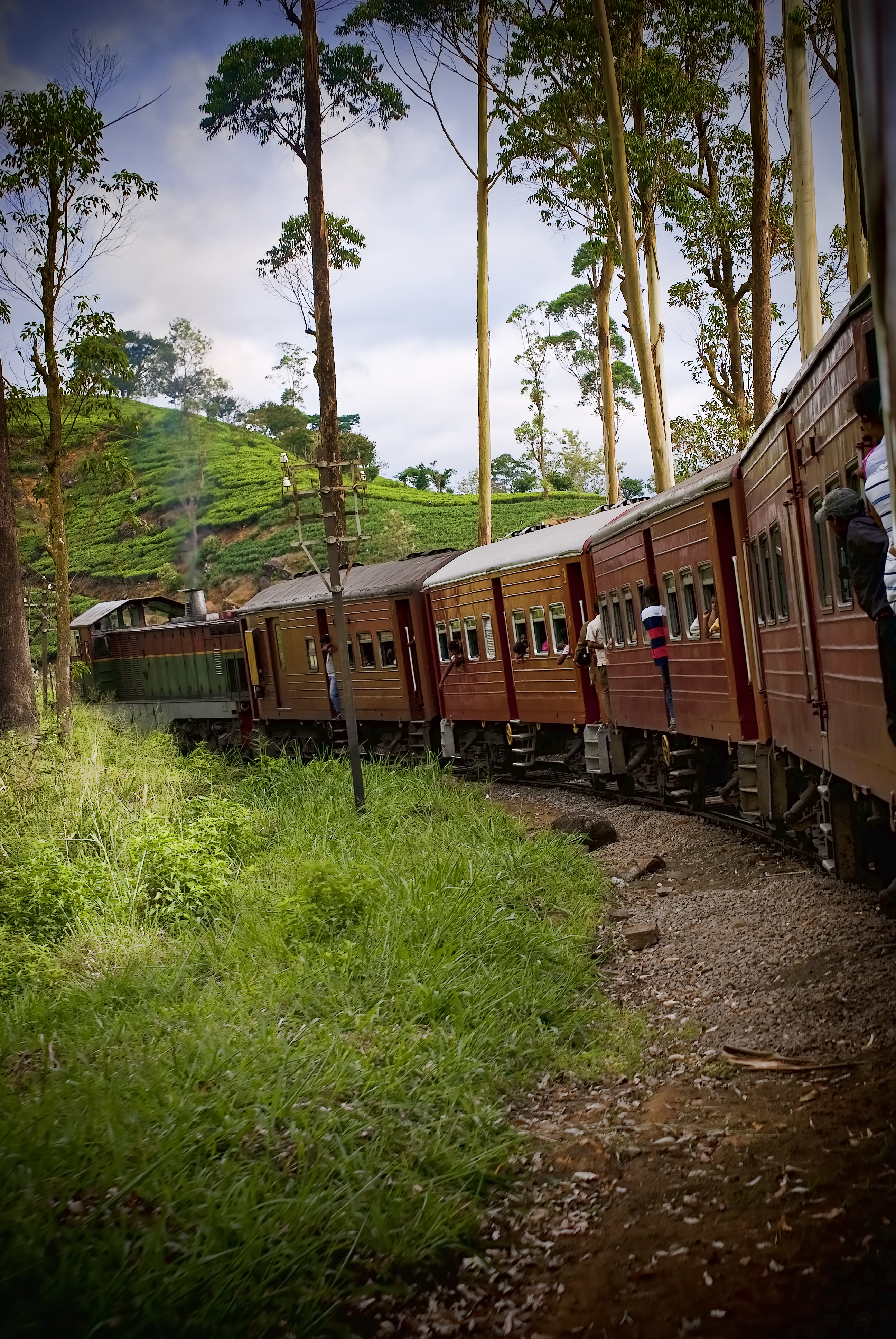
- Colombo to Kandy train ride — The two-and-a-half-hour journey from Colombo Fort to Kandy climbs through rubber estates, paddy fields, and forested hills. This is the gateway to Sri Lanka’s hill country and one of the most affordable scenic journeys on the island. First-class reserved seats cost about $3–6 depending on availability. Book ahead through 12Go if you want the observation car with panoramic windows.
- Kandy to Ella train journey — This is the train ride that made Sri Lanka famous on Instagram, and it delivers on the hype. The four-hour ride passes through tea plantations, misty valleys, and mountain tunnels. Reserve observation car seats at least two to three weeks in advance — unreserved third-class seats cost under $2 but you will likely stand the entire way during peak season. Read our honest Kandy to Ella train review before you book.
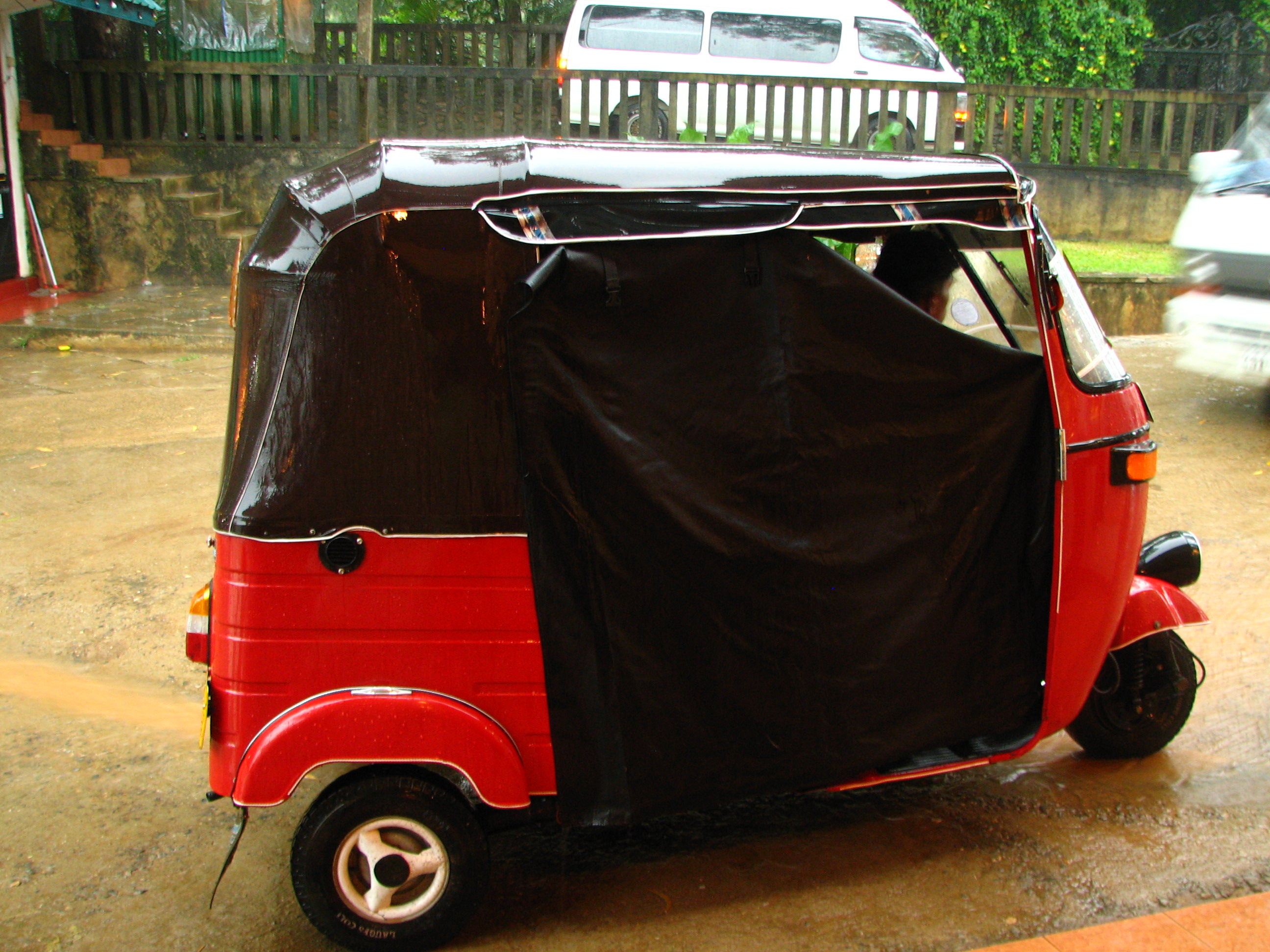
- PickMe tuk-tuk through Colombo — Download the PickMe app before you arrive. Using it for a tuk-tuk ride in Colombo is the closest Sri Lankan equivalent to a ride-hailing experience like Grab. A typical 10-minute ride costs 200–400 LKR ($0.60–$1.20), the price is set before you book, and the driver tracks your location through the app. It removes the negotiation entirely.
- Coastal bus ride from Galle to Matara — The A2 highway runs along the southern coast with frequent buses connecting every beach town. The Galle to Matara section takes about an hour and costs around 150 LKR ($0.50). Sitting by the window with the ocean on one side and palm trees on the other is one of those simple Sri Lanka moments that stays with you.
- Private car with driver for a multi-day itinerary — For families or groups of three or more, hiring a car with driver for multiple days is the most time-efficient option. The driver handles navigation, parking, and local knowledge. Many travellers report that their driver became a highlight of the trip, offering insights into local culture and finding better roadside food options than any guidebook lists. See our private driver cost guide for 2026 rates.
- Self-drive tuk-tuk rental — Renting a tuk-tuk and driving it yourself through the countryside is the most adventurous transport option in Sri Lanka. Companies like tuktukrental.com offer one-way rentals starting at $20–25 per day, with permits handled through the Automobile Association of Ceylon (AAC) in Colombo. This is ideal for travellers who want total freedom and do not mind the chaotic traffic. New to three wheels? Our tuk-tuk rental guide covers permits, insurance traps, and real costs.
- Northern railway line to Jaffna — The Yal Devi Express runs daily from Colombo Fort to Kankesanthurai, covering the 400-kilometre route to Jaffna in about six hours. Reserved seats cost approximately 1,500 LKR ($4.60). The journey crosses the Mannar causeway with views of lagoons, baobab trees, and dry zone landscape that looks completely different from the green hills of the south. Prefer the road? Compare options in our Colombo–Jaffna luxury bus guide.
- Uber from Bandaranaike International Airport — The airport is about 35 kilometres north of Colombo. An Uber from the arrivals forecourt to Colombo city centre costs about 5,000–8,000 LKR ($15–25) depending on traffic. This is significantly cheaper than the hotel-arranged transfers that can run $40–60 and more reliable than haggling with the drivers waiting in the arrivals hall.
Getting around
Sri Lanka’s transport system works on a simple principle: there is always another bus, train, or tuk-tuk coming. The island is 430 kilometres long and 225 kilometres wide at its widest point, which means you are never more than a few hours from your next destination. Here is how each option actually works on the ground.
Trains. The Sri Lanka Railways network covers the main routes: the Main Line (Colombo to Badulla via Kandy and Ella), the Coastal Line (Colombo to Matara via Galle), the Northern Line (Colombo to Jaffna), and the Batticaloa Line. Trains are slower than buses on most routes but significantly more scenic. First-class observation cars have panoramic windows but do not open — you take photos through glass. Second-class reserved seats are the sweet spot with open windows and fans. Third-class unreserved is the budget option but expect standing room on popular routes. Book reserved seats at least two weeks ahead on 12Go or directly at a railway station. Tickets for the Kandy–Ella observation car sell out especially fast.
Buses. The bus network is comprehensive and cheap. Government SLTB buses (red or blue) run on fixed schedules and are the most reliable option. Private buses are more frequent but the drivers compete aggressively, which means faster speeds and more abrupt braking. Buses stop frequently along routes — you can flag one down from almost anywhere. The Colombo–Kandy bus costs about 250 LKR ($0.80), Colombo–Galle about 200 LKR ($0.65), and Colombo–Jaffna about 600 LKR ($1.80). Air-conditioned express buses exist on major routes and cost roughly double. Check schedules on busseat.lk or sltb.eseat.lk.
Tuk-tuks. Three-wheelers are everywhere. For any trip within a town or city, tuk-tuks are the default short-distance transport. The golden rule: use PickMe or Uber for metered rides instead of negotiating from the street. For the honest breakdown of which apps to download, where each fades out across the island and when a street tuk-tuk still wins, read our Is there Uber in Sri Lanka? pick-the-right-ride-hailing-app answer page. When you hail a tuk-tuk manually, agree on the price before getting in. A fair rule of thumb is 100–150 LKR ($0.30–$0.45) per kilometre. For longer distances between towns, tuk-tuks are uncomfortable and overpriced — take a bus or train instead.
Private car with driver. This is the most comfortable option and highly recommended for families. Standard sedans cost $50–65 per day including fuel and the driver’s accommodation. Larger SUVs and vans for groups of five or more cost $70–100 per day. The driver typically sleeps in the vehicle or finds basic accommodation themselves — you cover their meals as a courtesy. Most drivers speak basic English and know the tourist routes well. Sri Lanka Private Driver (srilankaprivatedriver.com) and local driver cooperatives arranged through hotels are reliable booking channels.
Self-drive car. Self-drive car rental is less common in Sri Lanka than in many countries because of traffic conditions and insurance complexities. International rental companies operate at the airport with prices from $35–60 per day for a small car. You need an International Driving Permit (IDP) and should expect aggressive local driving styles, unpredictable road conditions outside main highways, and the challenge of navigating without reliable street signage in rural areas. For most first-time visitors, a car with driver costs only marginally more than self-drive and removes the stress.
Domestic flights. Sri Lanka’s domestic airline Cinnamon Air and FitsAir operate flights between Colombo (Ratmalana Airport) and destinations including Jaffna, Trincomalee, Batticaloa, Kandy, and Sigiriya. A one-way flight from Colombo to Jaffna takes 45 minutes and costs around $80–120. This is worth considering if you are short on time and want to cover the north-south distance quickly, but it is not a budget option.
What to budget
Transport costs in Sri Lanka are among the lowest in Asia, but the range of options means your daily spend depends entirely on how you choose to travel.
- Trains — Third-class unreserved: $1–3. Second-class reserved: $3–7. First-class observation car: $6–12. The Kandy–Ella observation car is the most expensive regular ticket at around $10–12.
- Buses — Local bus (SLTB): $0.50–2 per journey. Express/AC bus: $2–5 for long distances. Bus travel is the cheapest way to see the country.
- Tuk-tuks — Short ride within a town: $0.50–2. Longer trip between nearby towns: $5–15. Use PickMe for the best prices.
- Private car with driver — Day hire: $50–65 for a standard car, $70–100 for a van or SUV. Multi-day bookings sometimes include a small discount.
- Tuk-tuk rental (self-drive) — Daily rental: $20–28. Insurance and permits handled by the rental company. Fuel: approximately $5–10 per day depending on distance.
- Ride-hailing (PickMe/Uber) — Base fare: 150–180 LKR ($0.45–0.55) + 100 LKR ($0.30) per kilometre. Peak pricing applies during rain and rush hour.
- Total daily transport budget — Budget backpacker using buses and trains: $3–8 per day. Mid-range traveller mixing trains, tuk-tuks, and occasional private car: $15–30 per day. Family with private car and driver: $50–100 per day (divided by group size, this becomes $12–25 per person).
WATCH OUT FOR
- Tuk-tuk overcharging at tourist spots. Drivers at the Colombo Fort area, Galle Fort entrance, Kandy Temple, and Sigiriya car park routinely quote three to five times the fair rate. The solution is consistent: use PickMe or Uber. If the app does not work in that location, walk 200 metres away from the attraction and flag one down from the road — the price drops immediately.
- Train ticket scams. Unofficial agents at railway stations sometimes approach tourists offering “reserved tickets” at inflated prices. Only buy train tickets from the official counter, the Sri Lanka Railways website, or the 12Go platform. Do not hand your passport or cash to anyone who approaches you in the station forecourt.
- Private buses on winding roads. Private bus drivers on the Colombo–Kandy road and the hill country routes are known for aggressive overtaking. If motion sickness is a concern for anyone in your group, choose the train or an SLTB government bus instead. The journey takes longer but the driving style is noticeably calmer.
- Peak hour traffic in Colombo. The Galle Road and Baseline Road corridors are heavily congested from 7:30–9:30 AM and 4:30–7:00 PM. A 20-minute trip can become an hour during these windows. Plan your departure times around Colombo’s rush hour if you are transiting through the city.
- Self-drive insurance loopholes. Some rental companies exclude certain types of damage from standard insurance policies — tyre punctures, undercarriage damage on rough roads, and windshield cracks are common exclusions. Read the insurance terms carefully before signing. Taking a video walk-around of the vehicle before driving off is a good habit.
- Tuk-tuk rental reality check. Driving a tuk-tuk in Sri Lanka is harder than it looks. The three-wheel design is unstable at speed, the turning circle is wider than expected, and the lack of safety features means any collision is serious. Rental companies require a permit from the AAC in Colombo, which takes about 30 minutes to process but requires an International Driving Permit. Budget $150 for the deposit.
GOOD TO KNOW
SIM cards and data for navigation. Get a Dialog or Mobitel tourist SIM at the airport arrivals hall. A 30-day package with 20–30 GB data costs about 1,500 LKR ($4.50). Google Maps works across most of the tourist circuit but download offline maps for the hill country where signal drops in valleys. PickMe and Uber both need mobile data to function.
12Go is your booking friend. The 12Go platform (12go.asia) lets you book train tickets, bus tickets, and private transfers online with a credit card. It charges a small booking fee but saves the hassle of queuing at stations. The platform is well-integrated with Sri Lanka’s transport network and works reliably for advance bookings.
The Yal Devi and the northern line. The Jaffna train (Yal Devi Express) reopened fully in January 2026 after Cyclone Ditwah repairs. The 6 AM departure from Colombo Fort is the most popular — arrive by 5:30 AM to secure a good seat. The observation car on this route is excellent for photography as the train crosses the Mannar lagoon causeway at sunrise.
Porter service at railway stations. Porters in red uniforms at Colombo Fort and major stations carry luggage for a fixed fee of about 100–200 LKR ($0.30–0.60). This is worth using if you have large suitcases — the platform distances at Fort Station are longer than they look on a map.
Cash is essential for transport. No buses accept credit cards. Tuk-tuk drivers rarely carry change for large notes. Carry small denominations — 50, 100, and 200 LKR notes — for bus fares and short tuk-tuk rides. Most train stations accept cards at the booking counter but the card machine occasionally stops working.
Airport to Colombo. The airport express bus (route 187) runs from the airport to Colombo Fort and Pettah bus stations for about 130 LKR ($0.40). It is the cheapest option but involves navigating from the bus station to your hotel. An Uber costs $15–25 and drops you at the door. Hotel transfers arranged in advance typically cost $30–50.
Travelling with children. Families should skip the local buses and use trains or private cars. Sri Lankan roads are narrow and bus drivers are not cautious. A private car with driver costs about the same as train tickets for a family of four when you factor in the convenience of door-to-door transport and no luggage handling. For the Kandy–Ella section specifically, book the observation car — children love the big windows and the train’s pace through the tea plantations is gentle enough to avoid motion sickness.
Road trip distances and times. Colombo to Kandy: 115 kilometres, 3 hours by car. Kandy to Nuwara Eliya: 75 kilometres, 2.5 hours (honest car cost and booking for that leg for a small group). Nuwara Eliya to Ella: 60 kilometres, 2 hours. Colombo to Galle: 130 kilometres, 2–2.5 hours on the expressway. Colombo to Jaffna: 400 kilometres, 6 hours. The expressway (E01–E03 network) covers Colombo to Galle, Matara, and the southern coast. Outside the expressway, roads are two-lane and traffic moves slower than the distance suggests.
Road expansion update (August 2026): Sri Lanka plans to add 132 km of expressway by 2030. Work on the Kurunegala–Dambulla Expressway — starting with the 38 km Kurunegala–Galewela section — is expected to begin before the end of 2026, with the Central Expressway also set to extend towards Gannoruwa. Cabinet approval was granted in early August 2026 for Ruwanpura Expressway Phase 1 (Kahathuduwa–Ingiriya). For travellers, the practical effect is that more of the island will be reachable by fast toll roads in the coming years, but for now the existing E01–E04 network is unchanged. Progress update: the Kadawatha–Mirigama section of the Central Expressway — the missing Colombo-side link — surpassed 53% completion as of early August 2026, and the network now spans 312 km. On August 11 the Cabinet approved Rs. 1.2 billion to procure new vehicles and equipment for expressway operation and maintenance. And in a mid-August 2026 pre-Budget review, the President directed the Ministry to resume all road development projects suspended in 2022 during the economic crisis and to prioritise rural roads flagged at District Coordinating Committee meetings; the review covered projects under the Rs. 402 billion 2026 Budget allocation, including the Kadawatha–Mirigama and Pothuhera–Galagedara expressway sections, the Port Access Road, the proposed Kurunegala–Galewela section of the Central Expressway, and the Ruwanpura Expressway.
WHERE TO STAY
Cinnamon Grand, Colombo — Located directly on Galle Road with easy access to Colombo Fort Railway Station (10 minutes by tuk-tuk) and the main bus stand at Pettah, this property is the most transport-convenient hotel in Colombo for travellers arriving or departing by train.
Radisson Hotel Kandy — Situated a short tuk-tuk ride from Kandy Railway Station, the hotel offers a free shuttle service to the city centre that guests consistently mention as a money-saver — avoiding the inflated tuk-tuk fares that drivers charge near the Temple of the Sacred Tooth Relic.
98 Acres Resort and Spa, Ella — Perched on a tea plantation with views of the Ella Gap, this property arranges hassle-free pickups from Ella Railway Station and helps guests book onward train tickets, which guests frequently praise after struggling with ticket availability on their own.
Mandala Mirissa – A hillside boutique hotel that offers scooter and bicycle rentals directly through reception, with guests specifically noting how convenient it is to explore the surrounding beaches of Weligama, Ahangama, and Hiriketiya without negotiating with tuk-tuk drivers.
Jetwing Jaffna, Jaffna — The hotel offers direct transfers from Jaffna Railway Station (10 minutes away) and can arrange local tours that group multiple Jaffna Peninsula sights into a single half-day trip, which multiple reviews describe as the most cost-effective way to see the area without a rental car.
The bottom line
Sri Lanka’s transport network is one of the under-appreciated strengths of travelling to this island. The combination of scenic train routes, an affordable bus system, and ride-hailing apps like PickMe and Uber means you never need to feel stranded or overpay once you know the system. For families, a private car with driver is the simplest and most relaxing way to cover ground. For budget travellers, the public network is comprehensive and cheap. And for those who want the adventure, driving your own tuk-tuk through the tea country is an experience no other Asian destination offers in quite the same way. Whichever way you choose to move, the journey across Sri Lanka is part of the destination.
Last updated: September 9, 2026
Have a specific question about your Sri Lanka trip?
Ask BYC at byc.lk — free, honest, no upsell. Ever.
Ask BYC Your Question →