Are Mosquitoes in Sri Lanka Really That Bad? What Travellers Worry About
Before every Sri Lanka trip, this question comes up: Are the mosquitoes really that bad? Should I be worried about dengue? Is it worth postponing the trip I have been planning for years?
The honest answer is worth getting right - because the fear of mosquito-borne illness stops more travellers than almost any other concern. And the truth is more reassuring than most people expect. As our review of 353,633 guest reviews shows, health concerns rarely feature as a significant issue in actual traveller feedback.
The short answer: No, you should not postpone your trip
Dengue is a real risk in Sri Lanka - the Sri Lankan government's National Dengue Control Unit reported over 13,000 cases across the country in the first two months of 2026, with the highest concentration in the Western Province (Colombo and Gampaha districts). But here is what matters to travellers: severe dengue is rare in tourists, and the precautions that keep you safe are straightforward.
The U.K. National Travel Health Network and Centre states plainly that severe dengue is rare in travellers. The U.S. CDC and Australian government travel advisories all give the same advice: use insect repellent, cover up at dawn and dusk, sleep in screened or air-conditioned rooms, and you will dramatically reduce your already-low risk.
More than two million tourists visited Sri Lanka in 2025. The number of travellers who contracted serious mosquito-borne illness is statistically negligible. The risk is real enough to take seriously - but not nearly high enough to cancel a trip you have been dreaming about.
What you actually need to do
Protecting yourself from mosquitoes in Sri Lanka is not complicated. Here is what matters most:
Repellent is non-negotiable
Bring a repellent containing DEET (20% or higher), picaridin, or oil of lemon eucalyptus. The CDC recommends these specifically. Apply it in the late afternoon and early morning - that is when Aedes mosquitoes, which carry dengue, are most active. Reapply after swimming or heavy sweating. You can buy good repellent at pharmacies in Colombo (Cargills, Keells, or any local pharmacy stock it), but it is safer to bring your own so you have it from the moment you land.
Cover up at key times
Long sleeves and long trousers during dawn (6-8 AM) and dusk (4-7 PM) make a real difference. Light-coloured clothing is better - mosquitoes are attracted to dark colours. This is easy to do even in Sri Lanka's heat if you choose breathable fabrics like linen or cotton.
Choose accommodation wisely
One booking detail worth knowing if you are weighing a coastal room for the breeze: across 50,518 guest reviews, rooms sold as sea view actually scored lower (8.54/10) than mountain and hill-view rooms (8.98/10) — and the gap holds in every coastal destination. The full breakdown is in our sea-view paradox study.
Every well-rated hotel in Sri Lanka has air conditioning, mosquito nets over beds, or both. Guest reviews across hundreds of properties consistently mention mosquito nets and air conditioning as standard amenities. If you are booking budget accommodation, check recent reviews specifically for mosquito management - a property that does not provide nets or screens is not worth the savings.
Use mosquito coils or plug-in vaporisers
If your room has a ceiling fan and open windows at night, a plug-in mosquito vaporiser (available at any supermarket for about 150 LKR - under 50 cents US) will keep the room clear. Many hotels provide these already.
Where dengue is most common - and where it is not
Dengue in Sri Lanka is primarily an urban disease. The highest number of cases come from the Western Province - Colombo, Gampaha, and Kalutara districts - where population density and urban infrastructure create breeding grounds for mosquitoes. The U.S. State Department specifically notes that dengue is "widespread in Sri Lanka's Western Province."
This is useful knowledge for travellers. Here is how risk maps onto a typical Sri Lanka itinerary:
- Colombo: Highest risk area. If you are spending time in the capital, be most vigilant - especially around dawn and dusk.
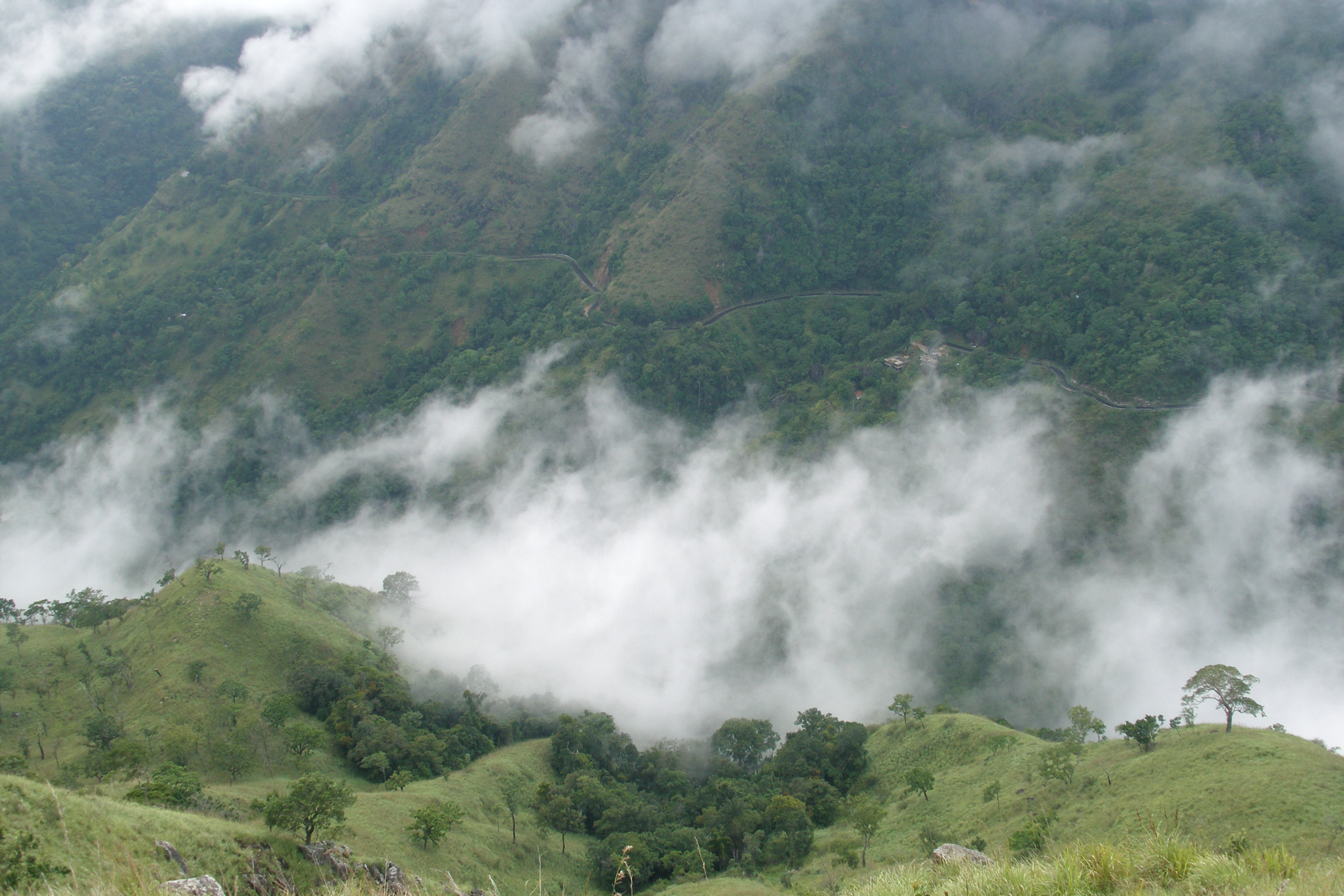
- Kandy, Nuwara Eliya, Ella (Hill Country): Lower risk. The cooler temperatures at elevation reduce mosquito activity significantly. Multiple travellers report almost no mosquitoes in Nuwara Eliya and Ella.
- Galle, Mirissa, Weligama (South Coast): Moderate risk, especially near standing water and during wet season. Standard precautions are sufficient.
- Sigiriya, Dambulla, Anuradhapura (Cultural Triangle): Moderate risk. Mosquitoes are present but not extreme in the dry season.
- Yala and national parks: Higher risk due to forest environment. Cover up and use repellent liberally.
- Trincomalee, Arugam Bay, Passikudah (East Coast): Lower risk during the dry season (May-September). Risk increases during and after the northeast monsoon (October-January).
The takeaway: most Sri Lanka itineraries spend only 1-2 days in high-risk urban areas and the rest in lower-risk settings. Your overall exposure is limited.
What to budget for mosquito protection
Preparing for mosquitoes in Sri Lanka costs very little. Here is the honest breakdown of what you will spend:
- DEET repellent (bought before travel): $8-15 for a 100ml bottle that lasts two weeks for one person
- Mosquito coils (local purchase): 50-100 LKR per pack of 10 (less than $0.50)
- Plug-in vaporiser (local purchase): 150-200 LKR ($0.50-0.70) plus refill pads at similar price
- Mosquito net (if needed for budget stays): Usually provided by the property, rarely an out-of-pocket cost
- Long-sleeve shirt (light cotton): You probably already own one; a cheap option from a local shop costs under 1,000 LKR ($3)
- After-bite treatment: Calamine lotion or antihistamine cream from any pharmacy, around 200-300 LKR ($0.70-1.00)
Total cost to protect yourself properly: under $20. That is less than a single meal at a mid-range restaurant, and it covers your entire trip.
WATCH OUT FOR
Most travellers worry about the wrong things when it comes to mosquitoes in Sri Lanka. Here is what actually causes problems:
The "I only got bitten at my hotel" pattern. The most common complaint in reviews is not about mosquitoes in the jungle - it is about properties that do not maintain their grounds. Stagnant water in drains, unkempt gardens, and rooms without functioning screens create mosquito problems even in otherwise nice hotels. When reading reviews before booking, search for the word "mosquito" to see what past guests say about that specific property's pest management.
Dusk is when you are most vulnerable. Many travellers relax at sunset - on a restaurant terrace, by the pool, on the beach - and forget to apply repellent. This is precisely when Aedes mosquitoes feed most actively. Make a habit of reapplying repellent half an hour before sunset, even if you are just having dinner at an open-air restaurant.
Do not rely on hotel-provided repellent. Some properties offer complimentary repellent at reception, and some of it is genuine DEET-based. But "natural" or "herbal" repellents sold in shops near tourist areas often contain very low concentrations of active ingredients and offer minimal protection. Bring your own trusted brand. It is the single most important item you can pack for this trip.
Dengue symptoms can look like other illnesses. High fever, severe headache, pain behind the eyes, joint and muscle pain, and a distinctive rash. If you develop these symptoms during your trip or within two weeks of returning home, see a doctor and specifically mention that you have been in a dengue-endemic area. Early detection matters, and doctors outside Sri Lanka may not immediately suspect dengue. Do not take NSAIDs (ibuprofen, aspirin, diclofenac) if you suspect dengue - they increase bleeding risk. Paracetamol (acetaminophen) is safe for fever management.
GOOD TO KNOW
Peak dengue season aligns with monsoon. Outbreaks typically spike after rainy periods - the southwest monsoon (May-September) affects the west and south coasts, while the northeast monsoon (October-January) affects the north and east. If you are travelling during or just after monsoon, be extra careful. But dengue circulates year-round in Sri Lanka, so precautions apply in every season regardless of where you are.
Your accommodation choice is your first line of defence. Air conditioning is the single most effective mosquito deterrent - mosquitoes cannot survive in cold, dry air-conditioned rooms. Properties with good AC and properly sealed windows effectively eliminate overnight exposure. This is worth factoring into your accommodation budget even if you are trying to save money.
Pharmacies are everywhere and helpful. If you run out of repellent or need after-bite treatment, pharmacies in Sri Lanka are well-stocked and pharmacists generally speak English. Look for a pharmacy with a green cross sign - they are found in every city, town, and even many villages. Brand-name repellents like Mosi-guard and Off! are widely available.
There is no vaccine widely available for travellers. The dengue vaccine (Dengvaxia) is not recommended for travellers who have not had dengue before - it can actually increase the risk of severe disease in people who have never been infected. Do not rely on vaccination for protection. Rely on repellent, long clothing at peak times, and well-screened accommodation.
Chikungunya is present too. The same Aedes mosquitoes that carry dengue also transmit chikungunya, which causes debilitating joint pain that can last weeks or months. Around 200 cases were reported in Sri Lanka in early 2025. The precautions are identical to dengue prevention, so you are already covering this risk.
Travellers with underlying conditions should consult a doctor. Children, pregnant women, and people with compromised immune systems or chronic illnesses face higher risks from mosquito-borne diseases. A pre-travel consultation with a travel medicine specialist is worth the investment for higher-risk travellers.
WHERE TO STAY - properties that take mosquito control seriously
These properties consistently earn high marks from guests for comfort, cleanliness, and mosquito management - backed by specific review comments from real travellers:
Jetwing Beach (Negombo) - Guests consistently praise the sealed, air-conditioned rooms and well-maintained tropical gardens. Multiple reviews note they "did not see a single mosquito" during their stay, attributing it to the property's rigorous pest control program and professional groundskeeping.
Amaya Lake (Dambulla) - Situated right on the lake edge - a setting that could be a mosquito nightmare if poorly managed. Guests specifically mention the effective mosquito nets over beds, powerful AC units, and evening coil treatment on the restaurant terrace that makes outdoor dining comfortable even at dusk.
EKHO Lake Hotel (Kandy) - Overlooking Kandy Lake in the heart of the city - theoretically high-risk waterside real estate. But guests consistently note the well-sealed rooms, comprehensive bed nets, and the property's regular fumigation schedule. One reviewer called it "the only place in Kandy where I slept without slapping."
Jetwing Yala (Yala National Park) - Being inside a national park means mosquitoes are part of the deal. Yet guests consistently mention that the property's comprehensive mosquito management - room nets, veranda fans, provided repellent at reception - makes the experience entirely comfortable. The open-air restaurant at dusk uses discreet vaporisers.
The Heritage Hotel (Colombo) - In the highest-risk district in the country, this property earns consistent praise for its modern, fully sealed windows and powerful central AC that effectively eliminate indoor mosquitoes. Business travellers staying here for weeks at a time report zero issues with bites.
The bottom line
Mosquitoes in Sri Lanka are not a reason to cancel your trip - they are a reason to pack smartly and choose your accommodation wisely. The country welcomed millions of international visitors in 2025, and the overwhelming majority had uneventful, mosquito-free trips. Pack DEET repellent, wear light long sleeves at dusk, book hotels with air conditioning and good reviews on pest management, and you will dramatically reduce an already low risk. The trip you have been dreaming about is absolutely worth taking.
Stay healthy and keep planning
Mosquito worry usually sits alongside the rest of the practical questions. These pages cover them:
- Is Sri Lanka safe for solo travellers? — the honest safety picture
- Safety for women travelling in Sri Lanka
- What to pack — repellent, nets and the rest of the list
- The 2026 cost guide — what a trip actually costs
Have a specific question about your Sri Lanka trip?
Ask BYC at byc.lk — Free and honest. Some links are affiliate links and never change our advice.
Ask BYC Your Question →