Sri Lanka travellers are asking: 'How is north Sri Lanka to visit during monsoon? Is Jaffna worth it?
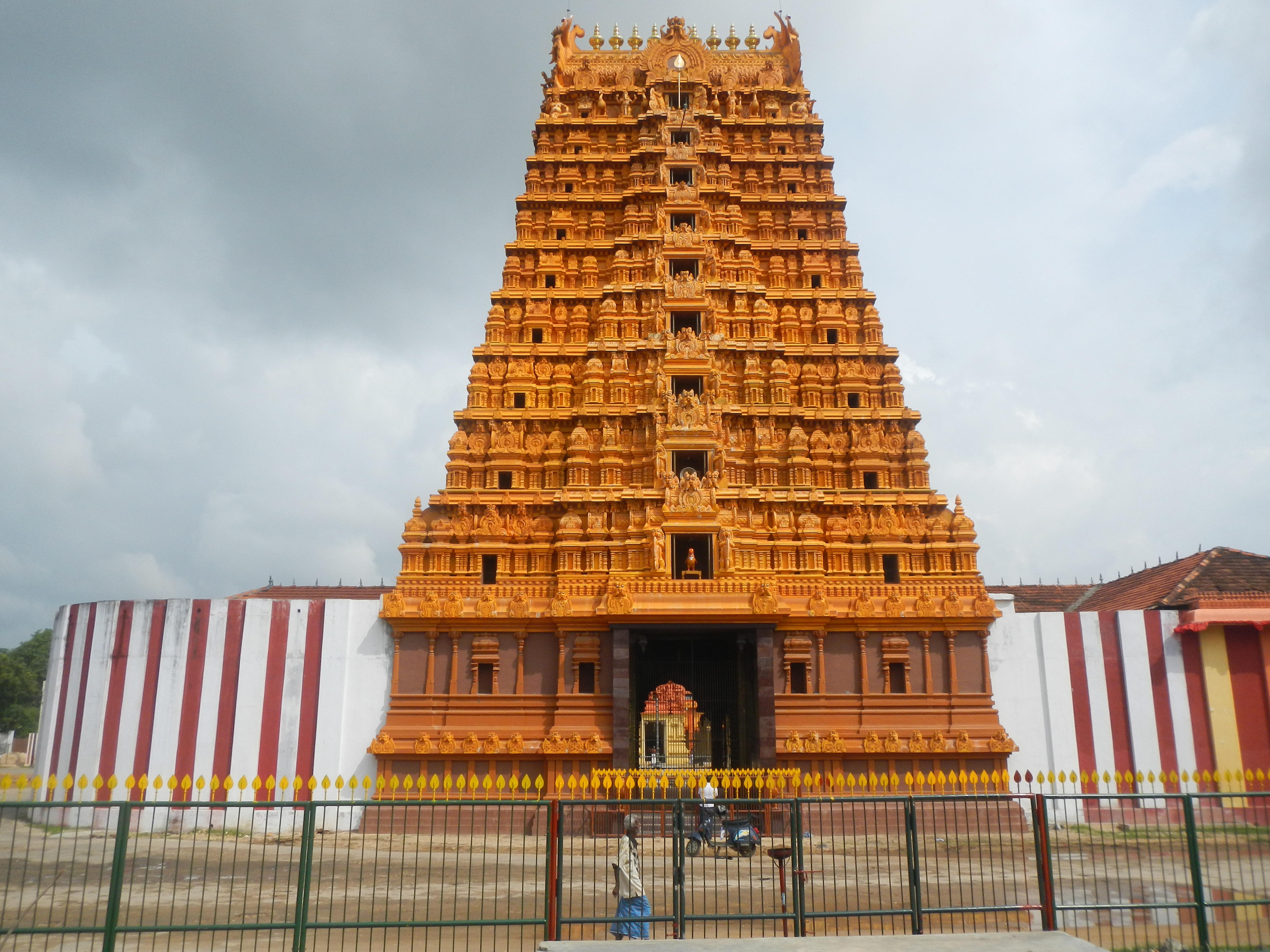
A question that keeps coming up as the southwest monsoon settles in: “What about the north? Everyone says south and west are rainy, and the east coast is the obvious alternative. But what about Jaffna? Is it worth visiting right now?”
It’s a fair question. Most monsoon-season advice skips straight from “avoid the southwest” to “go east.” The north gets mentioned in passing, if at all. So here’s the proper answer: north Sri Lanka in May and June is an excellent choice — but for different reasons than the east coast.
The short answer
Yes, north Sri Lanka is absolutely worth visiting during the southwest monsoon. Jaffna and the surrounding region sit in the island’s dry zone, meaning they experience far less rain than Colombo, Galle, or Bentota at this time of year. The northeast monsoon — which brings rain to the north — doesn’t arrive until October-November. May through September are reliably dry and sunny in the north.
The daytime temperatures sit around 32–34°C, with low humidity compared to the south. You get long, bright days with occasional short showers, not the prolonged downpours that hit the southwest coast.
What’s worth doing in the north
Jaffna itself has a completely different energy from the rest of Sri Lanka. The Nallur Kandaswamy Kovil is one of the country’s most important Hindu temples — its gopuram with intricate carvings and brasswork is genuinely stunning, especially in late afternoon light. Jaffna Fort, built by the Portuguese and later fortified by the Dutch, sits right on the lagoon and offers a quieter, more contemplative experience than Galle Fort. The surrounding lagoons and islands — Kayts, Punkudutivu, Velanai — are worth exploring for their rural village life and birdlife that feels a world away from the tourist trail.
Further afield, the Keerimalai hot springs and the Naguleswaram temple sit about 40 kilometres north of the city along a dramatic coastline of rocky coves. The Jaffna Peninsula has a distinct cuisine, too — Jaffna crab curry, kool (a seafood soup unique to the region), and bone rasam are dishes you won’t find done well anywhere else on the island.
WATCH OUT FOR
Some travellers mention that accommodation standards in the north are different from the south. Properties tend to be simpler, fewer boutique hotels, more guesthouse-style stays. The infrastructure is improving but you won’t find the polished resort experience that’s common in bentota or mirissa. That’s not necessarily a bad thing — it means fewer crowds and lower prices — but it’s worth adjusting your expectations.
Transport from Colombo takes 7–8 hours by train or bus (see the luxury bus option). The overnight train from Colombo Fort to Jaffna is comfortable and scenically interesting as it passes through Anuradhapura and the dry zone, but it’s a long day if you’re trying to do it as a day trip.
GOOD TO KNOW
The Jaffna to Kankesanthurai road (A9) is in good condition. A private driver from Colombo will cost roughly 25,000–35,000 LKR one way, which can be shared among a group. The train is the budget option at about 1,080 LKR for a reserved seat.
Planning a longer northern trip? See our 11-day Jaffna-to-Ella loop itinerary and where to go next after Jaffna.
Most places in Jaffna accept cards, but smaller eateries and local shops are cash-only. ATM availability is better than it was but withdraw before heading to the outer islands. The accommodation fills up during the July-August festival season (Nallur festival), but May-June is quiet and you can often negotiate walk-in rates.
WHERE TO STAY
For a comfortable base in the city, Jetwing Jaffna sits right on the lagoon with a pool and excellent restaurant. It’s the most reliable option for a traveller who wants modern amenities. For something more local, the Jaffna Heritage Hotel occupies a restored colonial building near the fort — the architecture alone is worth the stay.
If you prefer to be on the water, the rooms at A9 Palace or the Secret Guesthouse on the islands offer a quieter, more immersive experience, though you’ll need your own transport to get around.
The bottom line
The north won’t replace the east coast — they offer completely different experiences. The east gives you beaches, surfing, and nightlife. The north gives you culture, history, food, and a genuine sense of discovery. If you have time for both in a two-week itinerary, it’s a fantastic combination for the May-June window. If you only have five days like the traveller who asked this question, pick one based on what you actually want out of the trip — and don’t let anyone tell you the north isn’t worth your time during the monsoon.
Have a specific question about your Sri Lanka trip?
Ask BYC at byc.lk — Free and honest. Some links are affiliate links and never change our advice.
Ask BYC Your Question →