Driving from Sigiriya to Hambantota — What to See Along the Way
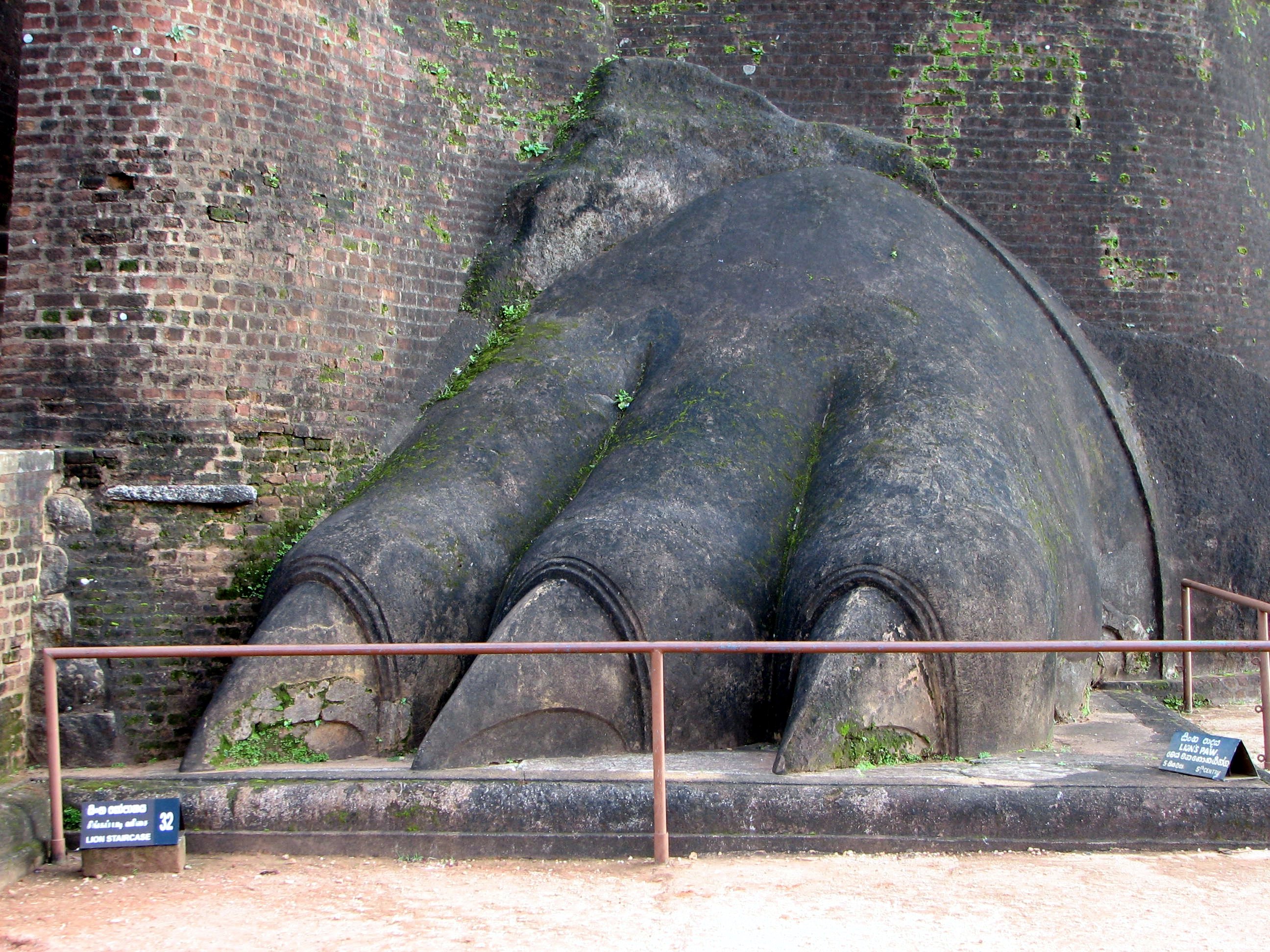
You've climbed Sigiriya Rock, explored the ancient capital of Polonnaruwa, and soaked in the Cultural Triangle. Now you need to get to the southern wildlife region — Yala, Bundala, perhaps the new Hambantota coast — and you have two nights to make the journey work.
This is one of the most-asked route questions about Sri Lanka, and it deserves a proper answer. The direct drive from Sigiriya (or Dambulla) to Hambantota takes roughly four hours by private car — doable in a day, but you would miss some of the island's most rewarding stops along the way.
The short answer
Yes, the drive from Sigiriya to Hambantota is possible in a single day — about 180 kilometres, mostly on the A2 and A4 highways, taking 3.5 to 4 hours by private car. But you should not rush it. The route passes through the southern edge of the Hill Country, some excellent national parks, and the emerging wildlife and wetland region around Tissamaharama. With two nights to spend, the smartest move is to stop overnight in the Tissamaharama area, giving yourself a full day for a Yala or Bundala safari, then continue to Hambantota on day three.
If you only have one night, stop in Tissamaharama and do an afternoon safari at Yala or an early morning one — both are worth the detour. Skip direct pub transport from Sigiriya to Hambantota; the bus route involves changes in Dambulla and Colombo, adding hours. Hire a private driver instead.
What's worth doing along this route
- Yala National Park safari — This is the main reason to break the journey. Yala is Sri Lanka's most visited national park, famous for the highest density of leopards in the world. A half-day safari (morning jeep, 5 AM to noon) costs $40-70 per person including park entry and jeep hire, booked through your hotel or local safari operator in Tissamaharama. The park has Block 1, the most popular sector, where leopards, elephants, sloth bears, and crocodiles are regularly spotted. The best months for Yala are February through July — during the northeast monsoon the park sometimes closes.
- Bundala National Park — If Yala feels too busy (it can be crowded in peak season), Bundala is the quieter alternative. A UNESCO Biosphere Reserve, Bundala is Sri Lanka's premier wetland for birdwatching — migratory flamingos, painted storks, and openbill storks arrive between November and March. A jeep safari here costs $30-50 per person. It is also closer to Hambantota itself, just a 15-minute drive from the city.
- Tissamaharama Town and Tissa Wewa — The lakeside town that serves as the gateway to Yala. Tissa Wewa, an ancient reservoir, is beautiful at sunset with egrets and herons roosting in the trees. The Yatala Wehera dagoba, a white stupa overlooking the lake, is worth a quick stop. Several good guesthouses and hotels line the lake shore — it is the natural overnight stop between the Cultural Triangle and the south coast.
- Udawalawe National Park (slight detour) — If you take the A18 road from Ratnapura through the hill country foothills instead of the coastal route, you can pass Udawalawe National Park. Udawalawe is famous for its elephant population — you are nearly guaranteed to see herds of elephants here. The park is a slight detour from the Sigiriya-Hambantota direct route but adds only 30 minutes to driving time. Safari costs are similar to Yala at $35-55 per person.
- Hambantota's new attractions — The city itself has grown rapidly as a tourist hub. The Hambantota International Cricket Stadium offers tours on non-match days. The Bundala wetlands are right at your doorstep. And the newly developed Hambantota Marine and Coastal Zone has a promenade, restaurants, and beach access that is quieter than the south coast beaches further west. Hambantota is also close to Kirinda, with its cliff-top Buddhist temple and fishing harbour.
Getting around
Private driver (recommended for this route) — The best way to make this journey. A private driver with an air-conditioned sedan costs $50-70 per day (2026 rates), or $70-90 for an SUV that can handle rougher safari roads. The Sigiriya to Tissamaharama leg takes about 3 hours on the A2 road running through Matale and south through the southern plains. The driver can make unscheduled stops at viewpoints, spice gardens along the A2, or for lunch in a local town. One day of driver hire from Sigiriya to Tissamaharama, then a second day including the safari and onward to Hambantota, costs roughly $100-140 total plus an end-of-trip tip of $5-10 per day.
Public bus (not recommended) — You can technically bus from Sigiriya to Dambulla, then Dambulla to Colombo, then Colombo to Hambantota — but this route takes 8-10 hours with multiple changes and is not practical for a two-day window. A direct bus from Colombo to Hambantota costs about $4-6 and runs several times daily, but getting from Sigiriya to Colombo first adds substantial time.
Train — Not a practical option for this route. The main railway line goes through Kandy-Nanu Oya-Ella-Badulla, which is the other side of the island. To reach Hambantota by train you would need to take the Matara line south and then connect by bus eastward — adding 6+ hours.
What to avoid — Avoid booking a safari + transport combo from unknown operators that ask for full payment upfront. A common trap is being charged for a safari that never happens — always book through your hotel or a Safari operator you can walk into in Tissamaharama. Also avoid the temptation to drive from Sigiriya straight to Hambantota in one go with no stops — you will arrive tired and regret not breaking the journey.
What to budget
Here is what this two-night Sigiriya-to-Hambantota detour costs in 2026, based on standard prices:
Accommodation: Tissamaharama offers guesthouses from $15-25 per night (basic fan rooms) to mid-range hotels at $30-60 with air conditioning and pool. Hambantota has fewer budget options; a room at a mid-range hotel costs $35-70. For two nights: $50-130 total.
Meals: Local rice and curry in Tissamaharama costs $2-3. Tourist restaurants in Hambantota charge $6-12 per meal. Budget $10-20 per day for three meals. For two days: $20-40 total.
Safari: Yala National Park — $40-70 per person including entry and jeep. Bundala — $30-50 per person. Udawalawe — $35-55 per person. Factor $40-70 per person for one safari.
Transport: Private driver for two days: $100-140 total. Fuel is included in the daily rate.
Daily breakdown for a mid-range traveller stopping at Tissa: $80-130 per person per day including accommodation, meals, safari, and shared transport costs.
Total for the 2-night detour (one person, mid-range, including one safari): roughly $200-330.
WATCH OUT FOR
The biggest surprise travellers hit on this route is the condition of the road between Tissamaharama and Hambantota. While the main highway surfaces are good, some sections — especially the roads connecting Tissa to Yala National Park's Block 1 entrance — are unpaved, dusty, and bumpy. The jeep ride inside Yala itself is rough. If you have back issues, sit at the front of the jeep.
Another pattern worth noting: some properties in the Tissamaharama area advertise lake view rooms that overlook a dry or reedy section of the Tissa Wewa shoreline rather than the open water. Check recent photos in reviews to confirm what you are actually paying for.
Safari operators in Tissamaharama vary significantly in quality. Some use open jeeps with no shade — fine for morning safaris but brutal by 10 AM. Others cram six passengers into a jeep designed for four. Ask your hotel for their recommended operator rather than accepting a tout's offer on the road.
And a practical note: there are no reliable ATMs between Tissamaharama and Hambantota. Withdraw cash in Tissa before heading out for your safari and onward drive. Hambantota has a few banks with ATMs, but they sometimes run out of cash on weekends.
GOOD TO KNOW
- Best timing: February to July is prime Yala season. August and September see lower wildlife visibility. The park closes for maintenance for one week each month (dates vary).
- Safari booking: Book your safari through your hotel in Tissamaharama the night before. Most hotels have a partnership with reliable operators and will arrange pickup at 5 AM. The morning safari (5 AM to noon) is better for wildlife than the afternoon session (2 PM to 6 PM).
- What to bring for the safari: Sunscreen, a hat, binoculars, and a light jacket (the open jeep is cold at 5 AM). Water is essential — operators usually provide one bottle, bring more.
- Park rules: Yala requires you to stay in the jeep at all times. You cannot get out to take photos. No drones are allowed in any Sri Lankan national park.
- Hambantota vs. Tissamaharama for the overnight: If you want wildlife, stay in Tissamaharama. If you want a quieter, more developed beach town, push through to Hambantota. If you want both — stay in Tissa for the first night and move to Hambantota for the second night.
- Combining with Tangalle: If you have an extra day, continue 40 minutes from Hambantota to Tangalle for one of Sri Lanka's quieter, most beautiful beaches. The drive from Hambantota to Tangalle hugs the coast and is one of the most scenic stretches in the south.
- SIM and data: Mobile coverage is good in Tissamaharama and Hambantota but drops significantly inside Yala National Park. Download offline maps of the region before you go.
WHERE TO STAY
- Kulu Safaris Hotel (Tissamaharama) — One of the most consistently praised properties near Yala. Guests regularly mention how the staff organises everything from the 5 AM safari pickup to packed breakfast boxes, and the pool is a welcome relief after a dusty morning in the park.
- Hotel Chandrika (Tissamaharama) — Solid mid-range option with a lake-facing restaurant. Reviews highlight the Sri Lankan breakfast spread — string hoppers, curry, and fresh tropical fruit — and the proximity to Yala's main entrance (20 minutes by jeep).
- Birds Resort Hambantota — A reliable choice within Hambantota itself, praised for its location near the Bundala wetlands. Guests call out the spacious rooms and the knowledgeable staff who can point you to the best birdwatching spots around the property.
- Serene Lake View Hotel (Tissamaharama) — Budget-friendly rooms overlooking Tissa Wewa. The standout in reviews is the sunset view from the rooftop — guests consistently describe it as the highlight of their stay, with egrets flying in to roost as the sky turns orange over the lake.
- Amour at Turtle Beach (Hambantota) — A newer boutique option closer to the coast. Reviews praise the quiet beach access and the turtle conservation project the property supports — guests can watch hatchlings being released during nesting season (January to April).
The bottom line
The Sigiriya to Hambantota route is one of Sri Lanka's most rewarding transfers — it connects the island's ancient past with its wild heart. With two nights, you can climb the rock fortress, sleep lakeside near Yala, track leopards at dawn, and arrive at the southern coast with stories that last far longer than the drive. Take it slow, book your safari through your hotel, and give yourself time to sit by Tissa Wewa at sunset. That is the Sri Lanka that stays with you.
Have a specific question about your Sri Lanka trip?
Ask BYC at byc.lk — free, honest, no upsell. Ever.
Ask BYC Your Question →