Sri Lanka in August — Where to Go, Weather, and What to Expect
You are planning a trip to Sri Lanka in August. The research tells you the southwest monsoon is active, the east coast is having its peak season, and there is a famous festival in Kandy that everyone talks about. But the advice you find is contradictory — one source says the south coast is a washout, another says it is fine, and the forums tell you to pick a coast and hope for the best.
Here is the honest situation based on what real travellers discover every year.
August is two Sri Lankas, not one
The southwest monsoon is still active in August, but it weakens noticeably towards the end of the month. What this means on the ground: the west coast from Colombo down to Galle gets intermittent rain — short heavy showers, often in the afternoon or evening, followed by clearing. The south coast from Galle to Tangalle gets more of the monsoon's impact, with rougher seas and fewer dry windows. But the east coast from Trincomalee down to Arugam Bay is in peak dry season — blue skies, calm seas, and the best beach weather the island offers.
The hill country — Kandy, Nuwara Eliya, Ella — sits in a transitional zone. The weather is unpredictable but generally manageable: misty mornings, possible afternoon rain, and temperatures that swing between 15°C and 25°C. The rain is rarely constant. A light jacket and good timing are all you need.
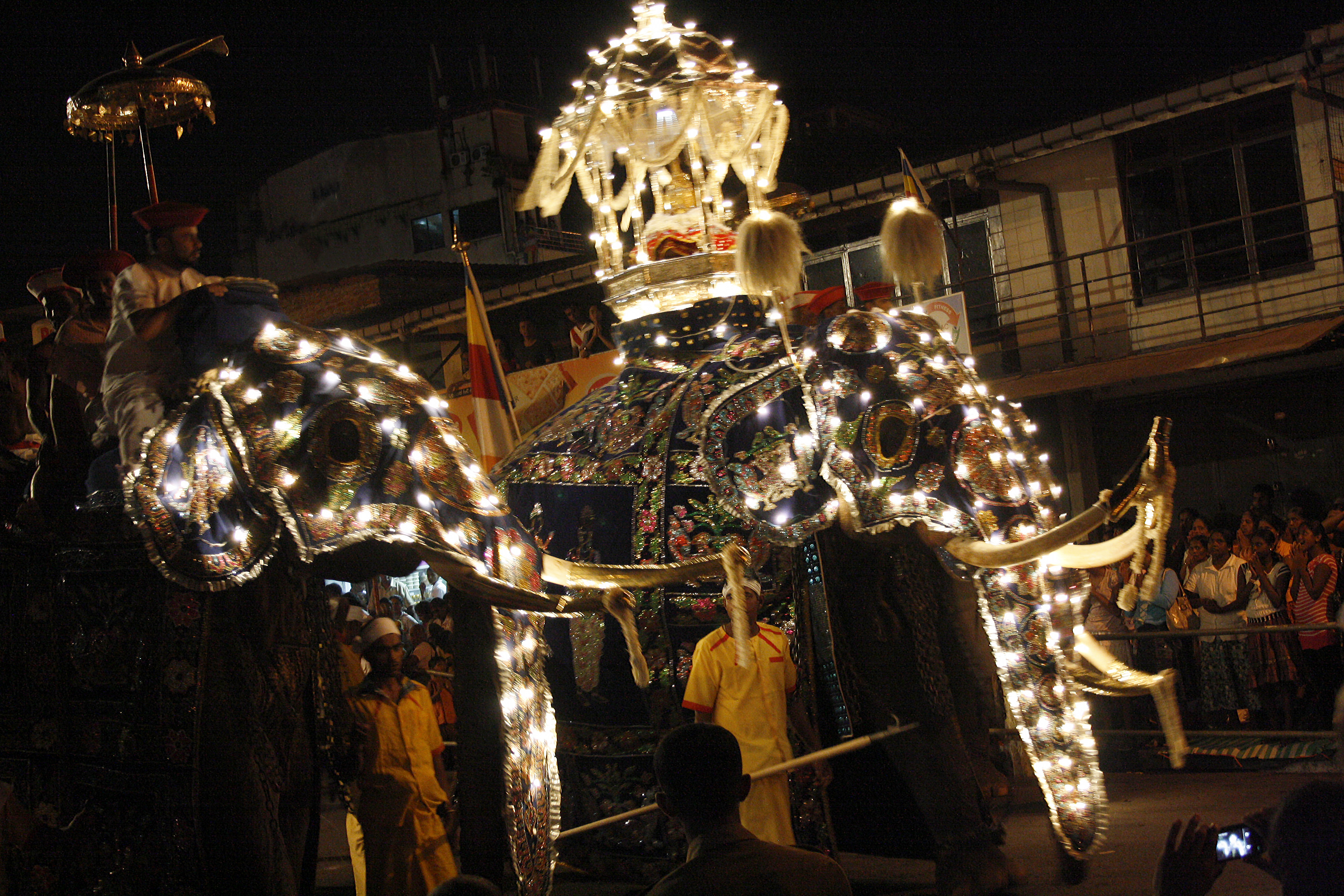
And then there is the Kandy Esala Perahera, Sri Lanka's most spectacular cultural festival, running from August 18 to 28 in 2026. Thousands of travellers plan their August itinerary around this single event, and for good reason.
What is worth doing
The east coast beaches — Trincomalee, Nilaveli, and Uppuveli
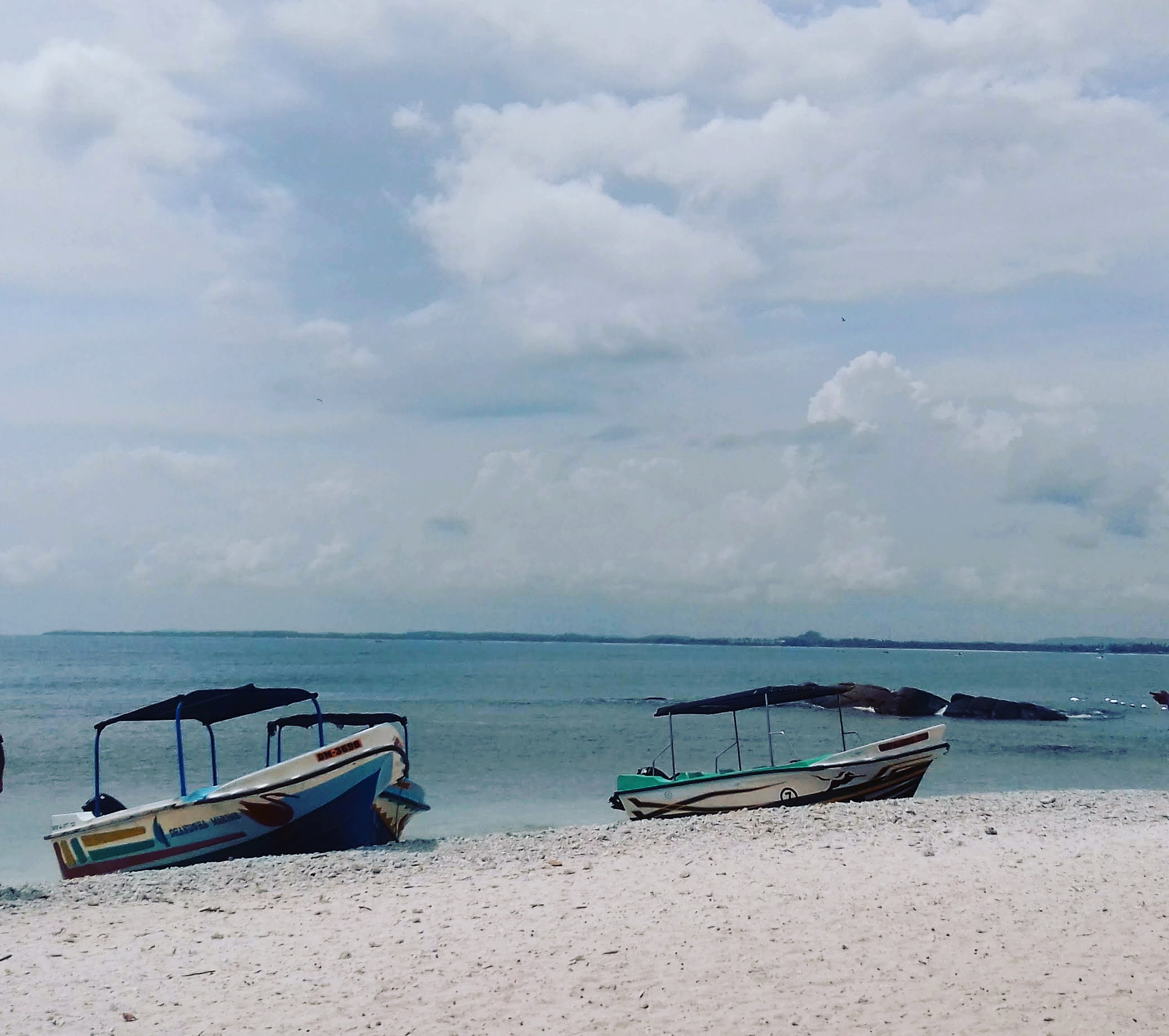
This is the headline act of August in Sri Lanka. Trincomalee's beaches are at their absolute best: 30°C water, gentle waves, and endless sunshine. Nilaveli beach is the standout — wide, uncrowded, with soft sand and shallow water that stretches a hundred metres out. Uppuveli is busier but has the best concentration of guesthouses and restaurants right on the sand. The water is calm enough for swimming at any time of day — rare in Sri Lanka, where most beaches have a rough season.
Pigeon Island Marine National Park, a 15-minute boat ride from Nilaveli, offers the best snorkelling on the east coast. Turtles are so common that multiple daily visitors report seeing them within minutes of entering the water. The coral is healthier than Hikkaduwa's, and the fish variety — parrotfish, triggerfish, reef sharks — keeps even experienced snorkellers happy. Boat trips cost $15–25 per person including gear.
Pasikuda and Kalkudah
An hour south of Trincomalee, Pasikuda's curved bay offers the shallowest, safest swimming in Sri Lanka. The water stays knee-to-waist deep for nearly a kilometre out, making it ideal for families or anyone who wants to float without worrying about waves. The resort strip here is more developed than Nilaveli, with mid-range hotels and beachfront restaurants that serve excellent seafood. The local mantra at Pasikuda is simple: arrive, order a fresh fish curry, and do not leave the sun lounger until sunset.
Arugam Bay
Arugam Bay in August is in its prime surfing season. The swell is consistent, the water is warm, and the main point break delivers long, rideable waves that attract surfers from around the world. Beginners should head to Whiskey Point or the Pottuvil Point for gentler waves. A surfboard rental costs $5–10 per day, and an hour-long lesson runs $15–25. The town has a lively backpacker vibe — relaxed during the day, active at night — with beachfront cafes serving everything from Sri Lankan rice and curry to wood-fired pizza.
The Kandy Esala Perahera (August 18–28, 2026)
The Esala Perahera is not a tourist show. It is a religious and cultural event of genuine significance — dancers, drummers, whip-crackers, fire-breathers, and dozens of decorated elephants processing through Kandy's streets over ten consecutive nights. The Kumbal Perahera (August 18–22) is the first five nights, building towards the Randoli Perahera (August 23–27), which is the grander, more elaborate procession. The final night, August 27, features the largest procession of all. The day procession on August 28 wraps everything up.
Accommodation in Kandy during Perahera week books out months in advance. If you want to attend, book your hotel by early July at the latest. Budget at least $60–100 per night for a basic room within walking distance of the procession route, or $30–50 for a room further out with tuk-tuk access. Tickets for seating along the route range from $20–50 depending on proximity. The free standing areas along the route are crowded but give an authentic experience.
The hill country — Kandy, Nuwara Eliya, Ella
The hill country in August is quieter than the peak December–March window. The tea plantations are at their greenest, and the waterfalls flow at full strength. Nuwara Eliya's climate keeps it cold (15–18°C daytime, dropping to 10°C at night), but the mist and rain add atmosphere rather than ruining plans — especially around Gregory Lake and the tea factories. Ella's hikes — Ella Rock and Little Adam's Peak — are doable if you start early (before 9 AM) before the afternoon clouds roll in.
Horton Plains National Park is worth the 5 AM start, but check the weather forecast before committing. If the previous day was clear, the chance of seeing World's End unobstructed is high. If rain has been steady for days, the fog can make the 9-kilometre loop a wet, viewless trek.
Getting around
Colombo to Trincomalee: 6–7 hours by bus ($4–6), train ($5–8), or private car ($65–85). The overnight train (departing Colombo Fort around 21:30, arriving Trincomalee 5:30 AM) is the smartest option — you sleep through the journey and wake up on the east coast ready for a day at the beach. Book the train at least a week ahead, especially in August when domestic travellers are also on the move.
Colombo to Kandy (for the Perahera): 2.5–3 hours by car ($40–55) or 2.5 hours by train ($3–5). Trains run frequently. During Perahera week, expect heavier traffic on the Colombo–Kandy road — add an hour to private car journeys.
Colombo to Arugam Bay: 7–8 hours by bus ($5–7) or private car ($80–100 via the coastal road). The bus via Monaragala is cheaper but rougher. The private car allows stops at the elephant transit home in Udawalawe or a short detour to Yala National Park.
East coast to hill country: A private car from Trincomalee to Kandy costs $50–70 and takes 4–5 hours via Habarana and Dambulla. This is one of the most efficient route combinations for August — start on the sunny east coast, then head inland for the Perahera. From Arugam Bay to Ella, the drive is 3 hours ($40–55) — the most efficient hill-country connection from the eastern surf strip.
What to avoid in August: The Galle–Matara–Tangalle south coast road. The roads are fine, but the beaches are rough, the seas are unsafe for swimming, and many beach-facing properties on the south coast operate at reduced capacity. A few properties in Mirissa and Weligama remain open but the atmosphere is quiet — most restaurants and activity operators have moved to the east coast for the season.
What to budget
August commands peak-season prices on the east coast and Perahera-week rates in Kandy. Elsewhere, you find shoulder-season prices — a genuine opportunity.
| Item | Budget | Mid-range |
|---|---|---|
| Guesthouse room (east coast) | $15–25 | $40–70 |
| Guesthouse room (hill country) | $10–20 | $30–55 |
| Guesthouse room (Kandy Perahera week) | $30–50 | $60–120 |
| Local meal (rice and curry) | $2–4 | $5–8 |
| Tourist restaurant meal | $5–8 | $10–18 |
| Perahera reserved seat ticket | $20–30 | $35–50 |
| Snorkelling trip (Pigeon Island) | $15–20 | $25–35 |
| Surfboard rental (Arugam Bay, per day) | $5–8 | $8–12 |
| Train (Colombo to Trincomalee, 2nd class) | $5–6 | $8–10 |
| Private car (Colombo to Trinco, full day) | $65 | $85 |
| Daily budget (all-in) | $35–50 | $75–120 |
A budget of $40 per day works on the east coast if you book guesthouses in advance and eat local. Mid-range travellers spending $90–110 per day get comfortable rooms with AC, three good meals, and a couple of activities per week. The Perahera surcharge is real — budget an extra $25–50 per day during August 18–28 if you are staying in Kandy or planning to travel through the hill country during the festival.
WATCH OUT FOR
The south coast trap. The southwest monsoon hits the Galle-to-Tangalle coast hardest in August. Several properties on this stretch remain open all year and their photos look inviting — blue skies, empty beaches — but August on the south coast means rough seas, red flags, and no swimming. The Galle Fort remains visitable and the restaurants stay open, but the beach experience you are imagining will not happen here until November. Do not book a week on the south coast in August expecting calm swimming conditions.
East coast accommodation books out. Trincomalee, Nilaveli, and Pasikuda are at peak capacity in August. Properties with direct beach access or pool facilities fill up by mid-July. Leaving your booking until the week before arrival is a gamble you should not take — the remaining options will be overpriced rooms with poor reviews or properties set back from the beach that require constant tuk-tuk trips. Book by the end of July at the latest.
Perahera pricing is deceptive. Hotels in Kandy double or triple their rates during Perahera week, and many require a minimum 3-night stay. Some properties list "Perahera packages" that include a view of the procession from the hotel balcony — guests who booked these reported obstructed views and disappointment. The best approach: book a standard room in Kandy city (not the procession route), buy a reserved seat ticket ($20–50), and walk to the viewing area. This costs less and delivers a better experience.
Arugam Bay is more crowded than you expect. August is prime surf season and the town fills up. The main beach can feel busy between 10 AM and 4 PM. The quieter alternative is staying at Pottuvil Point, a 10-minute drive north, where the beach is emptier and the surf break is less competitive. Travellers who stayed in Pottuvil consistently reported a more relaxed experience than those in central Arugam Bay.
The road from Trincomalee to Arugam Bay. The coastal road connecting these two east coast hubs is rough in sections — potholes, narrow bridges, and slow truck traffic. The 3-hour drive (180 kilometres) can stretch to 4 hours. A private car is essential; public buses on this route take 5–6 hours and are uncomfortable. Budget $50–70 for the transfer.
Batticaloa can surprise you. If you are driving the east coast between Trincomalee and Arugam Bay, Batticaloa is a natural stop that many travellers skip. The lagoon is beautiful at sunset, the Dutch fort is worth a 30-minute walk, and the guesthouses near the lagoon offer some of the best value on the east coast — rooms from $15–20. Multiple guest reviews mention the lagoon breeze as a natural air conditioner that makes AC unnecessary.
GOOD TO KNOW
- The Perahera dates are confirmed for 2026: Kumbal Perahera August 18–22, Randoli Perahera August 23–27, final grand procession August 27, day procession August 28. Book accommodation around these dates, not before — the earlier Kumbal nights are less crowded and tickets are easier to secure.
- Yala National Park is open but expect rain. August is part of Yala's dry season, meaning better wildlife spotting around the remaining waterholes. However, afternoons can bring short thunderstorms that scatter animals. Morning safaris (5 AM–10 AM) give the best results. Udawalawe National Park is a reliable alternative for elephant sightings with a fraction of Yala's tourist traffic.
- Wilpattu National Park is at its best in August. The northwest monsoon is fading, and the park's lakes are still full from June-July rains. Leopard sightings increase as animals concentrate around the remaining water sources. Wilpattu receives a fraction of Yala's visitors — book a full-day safari for approximately $40–50 per person including park entry and jeep.
- The Kandy to Ella train operates year-round. The scenic stretch between Nuwara Eliya and Ella runs multiple times daily. The 9:30 AM train from Nuwara Eliya (connecting from the 5:55 AM Colombo–Badulla service) is the most popular. Book second-class reserved seats 3–5 days ahead through your hotel or at the station.
- Full moon (Poya) days affect alcohol sales. August 11 and likely August 28 in 2026. On Poya days, government-run liquor stores close, though most hotel bars and some restaurants still serve. Ask your accommodation what their policy is.
- Mosquitoes are active on the east coast. The combination of heat, rain, and lagoons creates ideal mosquito conditions in Trincomalee and Batticaloa. Pack DEET-based repellent — the local coils and plug-ins work but are not as effective as a good repellent applied before sunset.
WHERE TO STAY
Anilana Nilaveli — Trincomalee
A 9.1-rated beachfront property with rooms starting at $55–80 per night. Guests consistently praise the direct beach access to Nilaveli's wide, uncrowded shore — you walk from your room onto the sand without crossing a road. Multiple reviews specifically mention the sunrise swim as the highlight of their stay.
Pigeon Island Beach Resort — Nilaveli
The closest hotel to the Pigeon Island boat launch at $35–55 per night. Its 8.6 rating reflects reliable value: clean rooms, decent restaurant, and the convenience of being a 5-minute walk from the snorkelling trip departure point. Guests who booked specifically for the snorkelling access called it the best decision of their east coast trip.
Beach Garden by Battic — Batticaloa
A quiet lagoon-side guesthouse at $18–30 per night. The 9.0-rated property sits behind the lagoon, offering sunset views that guests describe as "unexpectedly beautiful." The owner arranges lagoon boat trips and teaches guests to cook local dishes — the personal hospitality comes up in nearly every review.
Laruka Beach — Arugam Bay
A 9.1-rated property right on Arugam Bay's main beach at $25–45 per night. Guests specifically mention the easy walk to the surf break and the family-run atmosphere that makes solo travellers feel welcome. The rooms are basic but clean, and the beachfront terrace is where guests gather for evening meals together.
Kandy View Holiday Home — Kandy (for Perahera travellers)
A 9.0-rated guesthouse on the hills above Kandy, 20 minutes' walk from the Temple of the Tooth at $25–40 per night. Multiple guests who stayed during the 2025 Perahera cycle specifically praised the owner for arranging transport to the procession route and for the balcony views of the illuminated temple at night — a detail that makes the hillside location worth the short walk.
The bottom line
August is one of the best months to visit Sri Lanka if you plan around the monsoon rather than against it. The east coast delivers its finest weather of the year, the Kandy Esala Perahera provides a cultural highlight that has no equal on the island, and the hill country rewards anyone willing to pack a jacket and start their hikes early. The south and west coasts are best left for the November–April window. Book the east coast and Kandy accommodation ahead, expect peak-season prices on the beaches, and let the festival dates guide your itinerary — because August in Sri Lanka is not a compromise, it is the right time to see the side of the island that some travellers never discover.
Planning a Sri Lanka trip? Ask BYC at byc.lk — free, honest, no upsell. Ever.
Have a specific question about your Sri Lanka trip?
Ask BYC at byc.lk — free, honest, no upsell. Ever.
Ask BYC Your Question →