Sri Lanka in August - Where Monsoon Fears Are Overblown (And Where They're Not)
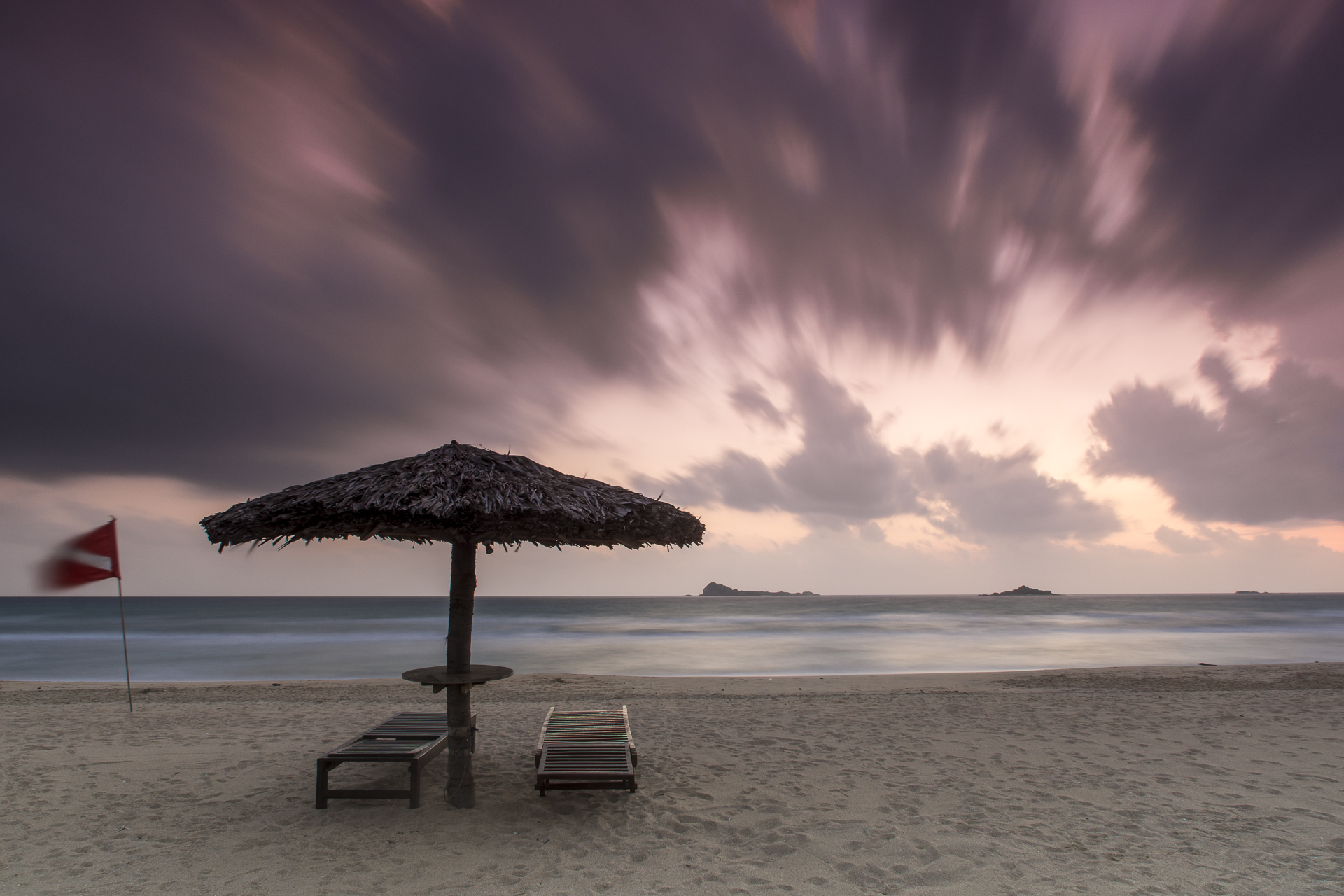
August is one of those months where Sri Lanka splits in half. The southwest monsoon is still going strong, which means the south and west coasts — Galle, Mirissa, Hikkaduwa, Colombo — are getting afternoon rain and rough seas. But flip to the other side of the island, and August is an absolute gem.
The east coast is in its peak season. Trincomalee, Nilaveli, Passikudah, and Arugam Bay are enjoying dry, sunny days with calm, clear water. The Cultural Triangle is lush and green. The Nallur Festival in Jaffna transforms the northern capital into something spectacular. And the Esala Perahera in Kandy, if it falls in August that year, is one of Asia’s great cultural spectacles.
The travellers who have a bad time in August are the ones who try to do a south-coast itinerary. The ones who have an amazing time are the ones who route through the east, north, and Cultural Triangle. The difference is entirely in the planning.
Where the weather actually works in August
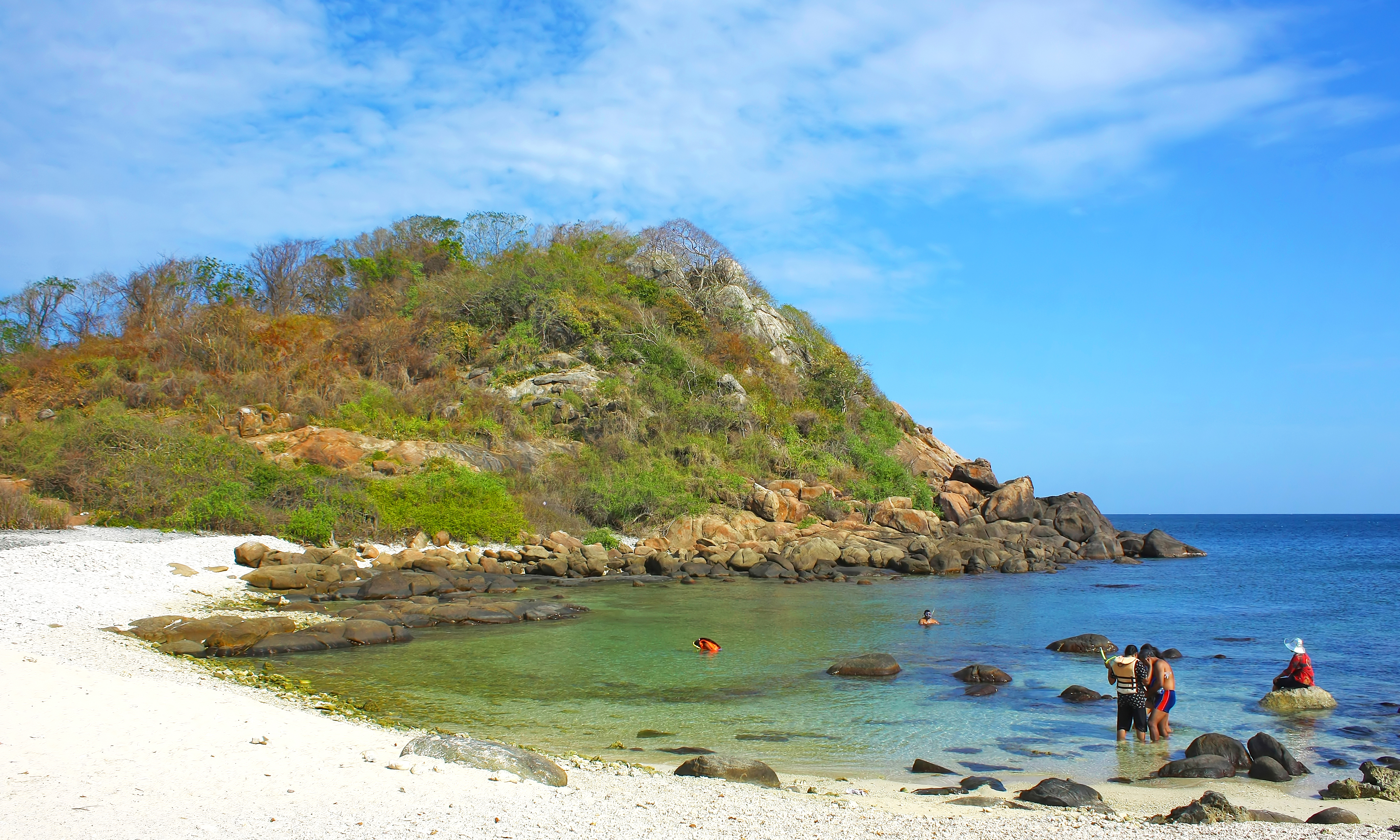
East coast beaches. August is the peak of the east coast’s dry season. Trincomalee and Nilaveli offer some of the best beach weather in Sri Lanka right now — temperatures averaging 28–30°C, low humidity, and almost no rain. Find out more at Sri Lanka in July — everything still applies in August, with even warmer water. Pigeon Island snorkelling is at its best, with visibility that can reach 15–20 metres. Passikudah’s shallow, protected bay is bathwater-warm and perfect for families or anyone who wants to float for hours without worrying about currents.
Arugam Bay. August is peak surf season on the east coast. The main point break delivers consistent right-hand waves that draw surfers from around the world. The town’s main strip is buzzing — restaurants, cafes, and surf shops are all operating at full capacity. If you’re coming for the surf, August is the month. Book accommodation at least 3–4 weeks ahead — the good guesthouses fill up. Expect to pay peak-season prices: a decent room will run $40–60 per night, and beachfront cabanas can push $80–100. For more detail, read our Arugam Bay guide — the same advice applies, just busier.
The Cultural Triangle. Sigiriya, Dambulla, Polonnaruwa, and Anuradhapura are in the dry zone and remain accessible throughout August. The landscape is at its greenest from the preceding rains, which makes for spectacular views from the top of Sigiriya Rock. Mornings are clear and comfortable — perfect for the climb before the heat sets in. Minneriya National Park hosts “The Gathering” during July and August, when hundreds of wild elephants converge around the reservoir. It is genuinely one of the most impressive wildlife spectacles in Asia — herds of 100–300 elephants visible from the safari jeep. For tips on the climb, check our Sigiriya booking guide.
Kandy. If the Esala Perahera falls in August (the date shifts annually based on the lunar calendar), Kandy becomes the centre of Sri Lanka’s cultural universe. The procession of dancers, drummers, fire performers, and decorated elephants through the streets around the Temple of the Tooth is unforgettable. If the Perahera is on, book accommodation at least a month in advance — prices in Kandy can double or triple. If it’s not on, Kandy in August is still pleasant, with clear mornings and afternoon showers that keep the landscape vivid green. See what to know before booking in Kandy for property advice.
Jaffna and the North. The Nallur Festival runs through August — a 25-day Hindu festival at the Nallur Kandaswamy Temple that includes processions, music, and the iconic golden chariot parade. The north is in its dry season during August, with temperatures around 30–33°C and minimal rain. The roads are good, the temples are bustling, and the Jaffna lagoon and island day trips are operating under clear skies. The food is outstanding here — Jaffna’s cuisine is distinct from the rest of Sri Lanka, and August is the easiest time to explore it.
What to skip in August
The south and west coasts. Galle, Mirissa, Hikkaduwa, Bentota, and Tangalle are in the thick of the southwest monsoon. Expect afternoon downpours, rough seas, and overcast mornings. Swimming is often unsafe due to strong rip currents. Many beachfront businesses on the south coast operate at reduced capacity. You can still visit — Galle Fort is enjoyable in any weather, and the cafes and shops remain open — but do not plan a beach holiday here in August. The travellers who express disappointment in reviews are almost always the ones who tried to do a south-coast beach trip during the monsoon.
Nuwara Eliya in heavy rain. The hill country gets year-round precipitation, but August brings heavy rain. Nuwara Eliya can be cold, wet, and misty. The famous tea estate views disappear behind cloud. Some guesthouses lack proper heating — check recent reviews specifically about warmth before booking. If you still want hill country, Ella at a lower altitude handles the rain better, and the mist rolling through the valley creates spectacular photo conditions.
Right now (mid-August 2026): the southwest monsoon is still delivering exactly this. On August 3 the Meteorology Department issued heavy rain and thunderstorm warnings for Kandy, Nuwara Eliya, and Sabaragamuwa districts, and schools in Kandy and Nuwara Eliya closed on August 4. The pattern has continued through mid-August: on August 6 the Department warned of intensifying rainfall and strong winds across the southwest, and the August 11 forecast brought widespread showers to Sabaragamuwa, Kandy, Nuwara Eliya, Galle, Matara, and the Western, North-Western, Uva and Eastern provinces. Expect afternoon downpours in the hill country through the rest of August — the advice above applies in real time. As of August 19, the Meteorology Department — now back to issuing its regular daily forecasts after the earlier warning period — is calling for several spells of showers in the Western, Sabaragamuwa and North-Western provinces plus the Kandy, Nuwara Eliya, Galle and Matara districts, with occasional strong winds in parts of the south and west. The pattern is unchanged from the month as a whole: east coast clear and dry, west and south coast see intermittent monsoon showers, hill country gets its daily afternoon downpour.
Whale watching in Mirissa. The Mirissa whale-watching season runs November to April. In August, the boats are mostly idle — the seas are too rough and the whales have moved to the east coast. Trincomalee’s whale-watching season runs March through August, so August is the tail end — book early in the month for the best chance of blue whale and sperm whale sightings.
WATCH OUT FOR
Nallur Festival accommodation pricing. Jaffna accommodation prices spike dramatically during the Nallur Festival in August. A guesthouse that costs $25 in May can be $60–80 during the festival. Book well in advance and confirm that the property has reliable power — the northern grid can be unstable during peak load periods.
East coast road conditions. The drive from Colombo to Trincomalee takes 5–6 hours, and the final stretches through Habarana and beyond can have rough patches. The Arugam Bay road has improved but still has sections that need attention, especially after rain. If you’re hiring a driver, expect to pay more for east coast routes because of the distance from the airport.
Kandy accommodation during Perahera. If the Kandy Esala Perahera falls in August, Kandy hotel prices can double or triple. Book at least 3–4 weeks ahead. If you can’t find accommodation in Kandy, consider staying in Peradeniya (10 minutes away) or a guesthouse in the surrounding hill towns, then taking a tuk-tuk in for the event.
Mosquitoes everywhere. August is a peak month for mosquito activity across the island, especially on the east coast near lagoons and in the north around Jaffna. Bring good repellent (DEET-based or picaridin) and consider a mosquito net for budget accommodations. Multiple travellers have noted that some east coast properties skimp on mosquito protection — a portable plug-in repellent device is a small investment that pays for itself in sleep quality.
Arugam Bay food limitations. August is peak season, so restaurants are all open and busy. But the variety is limited compared to the south coast — most places serve variations of rice and curry, fried rice, kottu roti, and Western breakfasts. If you are a serious food traveller, Arugam Bay might feel repetitive after four or five days. Plan for a mix of restaurant meals and self-catering if your accommodation has kitchen access.
GOOD TO KNOW
August is considered peak season for the east coast. This means prices are higher than other parts of the island during the same month, but you are getting the best conditions of the year. The east coast’s high season runs May through September, with August at the busiest point. Book everything in advance — accommodation, train tickets (if you are doing the Kandy–Badulla route), and safari bookings for Minneriya.
Flights are often cheaper in August because the south-coast-focused tourism industry considers it “low season.” This works in your favour if you plan your route around the east coast and north — you get cheaper flights to Colombo and cheaper accommodation on the south coast while the east coast and Cultural Triangle deliver peak-season conditions.
The Kandy–Badulla train is stunning in August. The famous train journey through the hill country is at its most dramatic during the monsoon months. The mist, the waterfalls, and the green of the tea plantations create views that clear-season travellers miss. Book the observation car or a second-class reserved seat at least two weeks in advance — they sell out quickly in August.
Wildlife viewing is excellent. Minneriya’s “The Gathering” and Yala’s dry-season leopard sightings both peak in August. Udawalawe is reliable year-round for elephant sightings. If you are planning a safari, combine Minneriya with a Cultural Triangle visit for an efficient route — Minneriya is 30 minutes from Sigiriya. Read what to know before booking Yala for safari timing advice.
Packing for both seasons is smart. Even if you are spending most of your time on the east coast, you will likely pass through Colombo or Kandy where rain is possible. Pack a light rain jacket, quick-dry clothes, good sandals that handle water, and a dry bag for your electronics. Sunscreen and insect repellent are non-negotiable. The east coast sun is strong even on overcast days.
WHERE TO STAY
Trinco Blu by Cinnamon (Trincomalee) — The gold standard for Trincomalee in August. Beachfront location on the bay with excellent snorkelling right off the sand. Guests describe the sunset views as unforgettable and the restaurant’s fresh seafood as the perfect pairing for the ocean breeze. The service is consistently praised across multiple reviews.
Anilana Beach Hotel (Nilaveli) — Located directly on Nilaveli Beach, five minutes’ walk from the Pigeon Island boat departure point. Guests rave about the pool, the direct beach access, and how convenient the location makes the Pigeon Island trip. The breakfast earns specific praise — fresh fruit, hoppers, and Ceylon tea to start the day.
Jetwing Surf (Arugam Bay) — A premium property set right on Arugam Bay’s main beach. The rooms are modern, the pool is a welcome break from the salt, and the restaurant serves some of the best food in town. Guests consistently recommend the upstairs sea-view rooms for the breeze and the view over the bay. Book at least a month ahead for August.
Aliya Resort & Spa (Sigiriya) — A resort property set among the jungle near Sigiriya Rock. The infinity pool overlooks the surrounding forest, and the restaurant serves a mix of Sri Lankan and international dishes. Guests specifically mention the wildlife — monkeys, peacocks, and the occasional elephant passing through the property. A five-minute drive to Sigiriya Rock makes it ideal for the dawn climb.
Jetwing Yala (Yala) — A tented safari lodge near Yala National Park that offers a genuinely luxurious glamping experience. The canvas tents have proper beds, en-suite bathrooms, and private verandas overlooking the bush. Guests say the all-inclusive package (meals, safari, guide) is “expensive but worth it” — a splurge that delivers when wildlife viewing is at its peak in August.
The bottom line
August is not a bad month to visit Sri Lanka. It is a bad month to visit the wrong parts of Sri Lanka. The east coast delivers its finest weather of the year. The Cultural Triangle is lush and spectacular. The Nallur Festival in Jaffna is a cultural highlight that most tourists miss. And if the Esala Perahera is on, Kandy offers one of Asia’s great festival experiences. Plan around the monsoon instead of against it, and August might just be your favourite time to visit.
Last updated: August 19, 2026
Have a specific question about your August Sri Lanka trip? Ask BYC at byc.lk — Free and honest. Some links are affiliate links and never change our advice.
Have a specific question about your Sri Lanka trip?
Ask BYC at byc.lk — Free and honest. Some links are affiliate links and never change our advice.
Ask BYC Your Question →