Sri Lanka in September - The Shoulder Season That Rewards Smart Planning
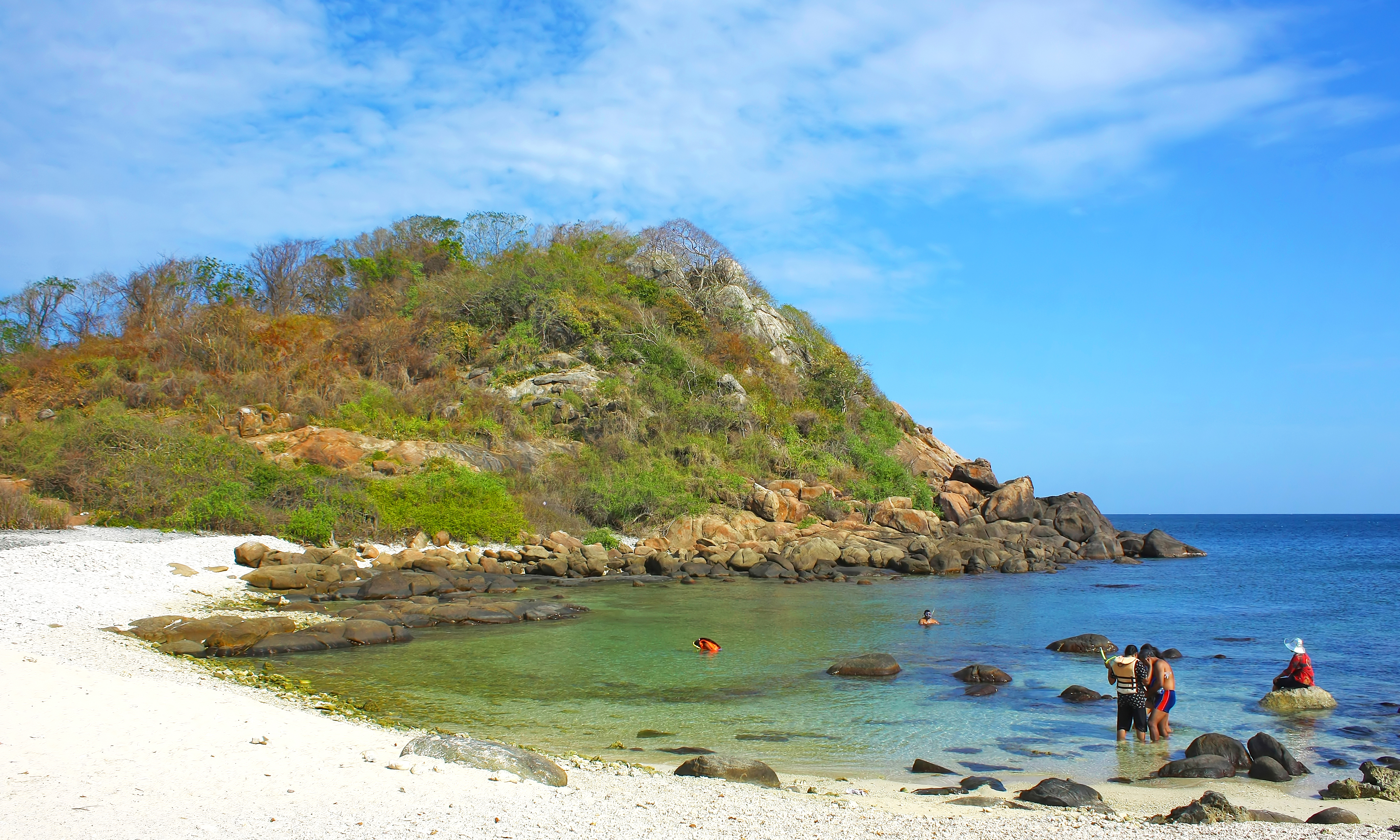
September sits in a sweet spot that few travellers notice. The European summer crowds have thinned out. The winter peak season hasn't started. The southwest monsoon is fading, the east coast is still in good shape, and the prices reflect the calm between two storms.
But September is also the most weather-variable month of the year. The southwest monsoon doesn't switch off like a tap — it fades gradually, and the first half of September can still bring heavy rain to the south and west coasts. The second half is where the magic starts: clearer skies, calmer seas, and the beginning of the high season on the south coast.
Here is exactly what to expect, region by region, so you can plan around the transition rather than getting caught in it.
Here for a specific September question? Jump straight to the answer you need:
- Is the south coast finally drying out? → which coast is dry in late September & early October
- Staying on for October? → Sri Lanka in October
- Locking a month by the data? → seasonal analysis by month
- Still picking your dates? → best time to visit Sri Lanka
Chasing the clear skies by train? Check today's Colombo–Kandy–Ella line status before you book.
The September transition — how the weather shifts
September is the month when Sri Lanka moves from the southwest monsoon (May–September) to the inter-monsoon period (October–November). What this means in practice:
First half of September: The southwest monsoon is still active, though weaker than July or August. The south and west coasts get intermittent rain — heavy showers that usually pass within an hour or two, followed by humid, overcast conditions. The east coast, however, is still largely in its dry season, with sunny mornings and occasional afternoon clouds. The hill country gets regular rain, keeping the landscape at its lushest.
Second half of September: The monsoon retreats noticeably. The south coast — Galle, Mirissa, Tangalle — starts seeing clearer skies and improving sea conditions. The east coast enters a transitional period: still mostly dry, but with an increasing chance of brief showers. The Cultural Triangle and the north remain dry and pleasant. The hill country sees less rain than August but remains cooler than the coast.
The key takeaway: September rewards flexibility. If you can book accommodation with free cancellation and keep a loose itinerary, you can chase the clear skies. The worst strategy is a rigid itinerary locked into one region.
Where the weather works in September
Arugam Bay and the southeast coast
Arugam Bay is arguably at its best in September. The surf season continues — the swells are still consistent, and the main point break delivers excellent waves through the month. The difference from August is that the crowds have thinned: the European summer travellers have gone home, and the winter wave chasers haven’t arrived yet. The result is a more relaxed town with shorter queues at the surf breaks and more availability at the best guesthouses.
The weather holds up well: expect 28–30°C, mostly sunny mornings, and the possibility of a brief afternoon shower by mid-month. The water is warm year-round at 27–29°C. Whiskey Point remains the best break for beginners, while the main point is for intermediate to advanced surfers.
To the north, Yala National Park is in its dry season through September, offering excellent leopard viewing. The reduced vegetation and concentration of animals around remaining waterholes creates ideal conditions for morning safaris. By the second half of September, the park sees fewer visitors than August, making for quieter game drives.
The Cultural Triangle — Sigiriya, Dambulla, Polonnaruwa
The Cultural Triangle is in excellent shape through September. The region sits in Sri Lanka's dry zone and receives minimal rain even during the monsoon months. September offers the same great conditions as August — clear mornings, comfortable climbing temperatures at Sigiriya, and lush landscapes — but with fewer tourists. It is a genuinely excellent time to explore Anuradhapura and Polonnaruwa without the crowds of the peak season.
Minneriya National Park’s “The Gathering” of elephants continues into September, though the numbers peak in August and start tapering off by mid-September. Early September is still excellent for seeing 100+ elephants around the reservoir. Read the Sigiriya booking guide for accommodation advice in the area.
Jaffna and the North
The north remains dry and warm through September, with temperatures around 30–33°C. The Nallur Festival winds down by late August, so by September Jaffna has returned to its normal rhythm. The island day trips — Nainativu, Delft, Karainagar — operate under reliable clear skies. The Jaffna lagoon cruise is at its most pleasant before the inter-monsoonal rains begin in October.
The east coast beaches (first half of September)
Trincomalee, Nilaveli, and Passikudah remain excellent through the first two to three weeks of September. The water is warm and calm, the skies are mostly clear, and the sea conditions are ideal for snorkelling at Pigeon Island and swimming at Nilaveli’s wide beach. The difference from August is that accommodation prices drop: you are getting peak-season conditions at shoulder-season prices. The earlier you come in September, the more you get the August experience without the August price tag.
Where the weather is improving (second half of September)
Mirissa and the south coast
This is the big story of September. The south coast — Galle, Mirissa, Unawatuna, Weligama, Tangalle — has been in the grip of the southwest monsoon since May. September is the month it finally starts to clear. The second half of September brings improving conditions: fewer rain days, calmer seas, and the beginning of the October–April high season on the south coast.
Mirissa’s whale-watching season officially starts in November, but by late September the first whales of the season begin appearing. The boats are just starting to operate, and the early-season tours are cheaper and less crowded than the November peak. A morning whale-watching tour in late September costs $25–35 per person, compared to $40–55 in December.
If you are planning a south-coast itinerary, the smartest approach is to start in the east or Cultural Triangle for the first half of September, then move south after the 15th. This way you follow the improving weather pattern instead of fighting it.
Nuwara Eliya and the hill country
The hill country is at its most dramatic in September. The monsoon rains keep the waterfalls at full flow — Devon Falls, St. Clair’s Falls, and Ramboda Falls are all spectacular. The tea estates are brilliant green. The air is fresh and cool: 16–22°C in Nuwara Eliya, 18–25°C in Ella.
The rain is still present but less frequent than in August. You can expect one to two showers per day, usually in the afternoon, clearing to reveal stunning views. The Kandy–Badulla train journey is at its scenic peak — the mist rising from the valleys, the waterfalls in full flow, and the tea plantations at their most vivid. Book second-class reserved seats at least a week ahead. For a deeper look, read our complete guide to visiting Ella.
What to budget in September
September is the true shoulder season. You get August-quality conditions in the east and Cultural Triangle for 20–30% less. The south coast is still cheap because the season hasn't fully started.
| Item | Budget | Mid-range |
|---|---|---|
| Guesthouse room (east coast, early Sep) | $12–20 | $35–60 |
| Guesthouse room (south coast, late Sep) | $10–18 | $30–50 |
| Guesthouse room (Cultural Triangle) | $10–18 | $30–50 |
| Guesthouse room (hill country) | $10–20 | $28–45 |
| Local meal (rice and curry) | $2–4 | $5–8 |
| Arugam Bay surf lesson (1 hour) | $12–18 | $20–30 |
| Whale watching (Mirissa, late Sep) | $25 | $35 |
| Yala safari (half day) | $30 | $50 |
| Minneriya safari (half day) | $25 | $40 |
| Private car (Colombo to Arugam Bay) | $70 | $90 |
| Daily budget (all-in) | $30–45 | $70–110 |
A budget of $35 per day is comfortable in September outside of the prime east coast beach areas. Mid-range travellers spending $80–100 per day will eat well, stay in comfortable AC rooms, and do an activity every two to three days. The overall value is better than August because demand has dropped but conditions are still excellent on the east coast.
Getting around in September
Colombo to Arugam Bay: 7–8 hours by bus ($5–7) or private car ($70–90). The road via Monaragala is the most reliable route in September. The coastal road through Pottuvil is shorter but can have rough patches. A private car allows stops at Udawalawe or Yala along the way.
Colombo to Trincomalee: 5–6 hours by bus ($4–6) or private car ($60–80). The overnight train from Colombo Fort is still running and remains the best option for September — you sleep through the journey and the early morning arrival gives you a full day on the beach.
Colombo to Mirissa/Galle (late September): The southern expressway makes the journey 2–2.5 hours to Galle ($30–45 by car) or 2.5–3 hours to Mirissa ($35–55). By late September the road conditions are reliable and the coastal views improve as the skies clear.
Transfers between east and south: The route from Arugam Bay to Mirissa takes 6–7 hours ($80–100 by private car). September is the best month for this itinerary transition — start on the east coast for the first half, then move south as the weather improves. This is the September sweet spot that experienced travellers use.
WATCH OUT FOR
The first half of September still has significant monsoon rain on the south coast. Several travellers arrive expecting September to be dry everywhere because “the monsoon ends in September.” It does not. The monsoon fades gradually. The first two weeks of September on the south coast can have rain on 10–14 days of the month. Do not book a beach holiday on the south coast for the first half of September. Wait until the third week at the earliest.
East coast accommodation drops quality in the off-transition. Some guesthouses in Trincomalee and Nilaveli start reducing their service in September because the August peak is over. Kitchen hours shorten, staff numbers drop, and maintenance gets deferred. Check recent reviews — look for comments from the past two to three weeks, not from July or August. Properties that maintain full service into September are the ones worth booking.
Arugam Bay surf breaks can get crowded with longboarders. September is the transition between the summer peak and the winter swell season. The main point break attracts a mix of intermediate surfers and longboarders who linger on waves. The early morning session (6 AM–9 AM) is the quietest. Pottuvil Point remains the less crowded alternative.
The Kandy–Badulla train sells out quickly in September. The combination of reduced tourist numbers but high demand from domestic travellers means the scenic train still fills up, especially on weekends. Book second-class reserved seats at least 5–7 days ahead. The observation car (first class) is worth the premium — $10–12 compared to $3–5 for second class.
Mosquitoes remain active through September. The transition from wet to dry conditions creates ideal mosquito breeding conditions in many parts of the island. The east coast lagoons and the south coast wetlands are particularly affected. Pack DEET-based repellent and consider a portable plug-in mosquito repellent device for your room.
GOOD TO KNOW
- September is the quietest month of the year for tourism in most parts of Sri Lanka. The August peak has ended and the December peak hasn’t started. You will have Sigiriya, Polonnaruwa, and the main beaches to yourself compared to the crowds of the high season.
- Whale watching starts returning to Mirissa in late September. Blue whales, sperm whales, and spinner dolphins are all sighted with increasing frequency as the month progresses. The season officially starts in November, but early operators begin trips in late September at discounted prices.
- Udawalawe National Park is excellent in September for elephant sightings. The park gets less rain than the hill country and remains accessible throughout the month. It is a reliable alternative to Yala if you are basing yourself near the south coast.
- Sinharaja Rainforest is at its wettest in September. If you are a serious birder or nature photographer, the rainforest is spectacular in September — the bird activity peaks, the leeches are active (wear leech socks), and the forest is at its most vibrant. If you just want a walk in the woods, skip it and choose a dry-zone national park instead.
- Flights to Colombo are at their cheapest in September. The combination of European summer ending and the South Asian tourism shoulder means airlines offer some of the year’s best fares. Check for deals from European and Middle Eastern hubs.
- The south coast surf picks up in September as the monsoon swell fades and the winter swell pattern begins. Weligama and Mirissa start getting better waves. The water is warm (27–28°C) and the crowds are minimal compared to the December–March peak.
- Poya (full moon) days in September warrant attention. Alcohol sales are restricted on Poya days, and some attractions may have adjusted hours. Check the Poya calendar for September 2026 before locking in your itinerary.
WHERE TO STAY
Surf & Stay Arugam Bay — Arugam Bay
A 9.0-rated property steps from the main surf break at $25–40 per night. Guests consistently praise the location, the friendly staff, and the breakfast. The common area is where solo travellers meet and plan surf sessions. Good value for September’s thinner crowds.
Pottuvil Point Guesthouse — Arugam Bay
A quiet alternative to the main bay at $18–30 per night. The beach is emptier than Arugam Bay main, the surf break is less competitive, and the sunset over the lagoon is beautiful. Reviews mention the owner’s willingness to arrange surf guides for nearby breaks. The best choice for September if you want peace.
Jetwing Surf — Arugam Bay
The premium option at $50–80 per night for a sea-view room. The pool, the restaurant, and the direct beach access make it worth the premium in September when prices drop from the August high. Guests consistently recommend the upstairs rooms for the view and the breeze. Book ahead — the few remaining premium options fill up with surfers staying for longer periods.
Simoya Nature Park — Dambulla (Cultural Triangle)
A 9.3-rated property in a rural setting surrounded by jungle at $28–40 per night. Beautifully designed rooms, a pool, and hospitality that guests describe as exceptional. The owners arrange breakfast at any hour for early safari departures. Excellent base for exploring Sigiriya, Minneriya, and Polonnaruwa in September when the Cultural Triangle is quiet and uncrowded.
The Heritage — Mirissa
A 9.2-rated guesthouse a short walk from Mirissa beach at $30–50 per night. Guests praise the spacious rooms, the pool, and the whale-watching tour desk that books late-September trips at early-season prices. The restaurant's seafood is consistently described as some of the best in Mirissa.
Fort de Mer — Galle
A 9.1-rated boutique property inside Galle Fort at $45–70 per night. Perfect for the transition period: spend a day or two inside the fort exploring shops and cafes, then head east toward Mirissa or Tangalle as the weather improves. Guests mention the rooftop terrace overlooking the fort walls as the standout feature.
Kandy View Holiday Home — Kandy
A 9.0-rated guesthouse on the hills above Kandy, 20 minutes’ walk from the Temple of the Tooth at $22–35 per night. Guests praise the balcony views of the illuminated temple and the owner’s willingness to arrange both the scenic train and day trips to the surrounding tea country. One of the better values in Kandy for September.
The bottom line
September is the month for the traveller who does their homework. The monsoon is fading but not gone. The east coast is still delivering excellent conditions while prices drop. The south coast is waking up from its rainy slumber. The Cultural Triangle is at its uncrowded best. Arugam Bay offers peak-season surf at shoulder-season prices. Mirissa starts its whale-watching season. Single rooms drop by 20–30% across the board.
The strategy is straightforward: start on the east coast or Cultural Triangle in the first half of September, then transition to the south coast or hill country in the second half. Follow the improving weather, and September becomes one of the best value months of the year to visit Sri Lanka.
Last updated: September 9, 2026
Planning a September Sri Lanka trip? Ask BYC at byc.lk — Free and honest. Some links are affiliate links and never change our advice.
Keep reading the season
September is a transition month, so most readers arrive deciding what comes next. Pick the question that matches yours:
- Deciding this month or the next? Compare October and November before you lock dates.
- Is the weather worth a whole trip? The best time to visit, month by month puts September in the full-year picture.
- Choosing a coast? Which coast is dry in late September and early October answers the timing question most monsoon-month planners get wrong.
- Riding the train? See what is running on the Kandy–Ella line right now.
Have a specific question about your Sri Lanka trip?
Ask BYC at byc.lk — Free and honest. Some links are affiliate links and never change our advice.
Ask BYC Your Question →