Sri Lanka vs Thailand — Which Should You Visit in 2026?
Before every Sri Lanka trip, this question comes up. Should I go to Sri Lanka or Thailand? Both are warm. Both have ancient temples, famous beaches, and excellent food. Both cost about the same for a mid-range holiday. And both are right at the top of any Southeast Asia shortlist in 2026.
But they are very different travel experiences — and choosing the wrong one for your trip style is the single easiest mistake to make. This article compares Sri Lanka and Thailand honestly across everything that matters: cost, beaches, food, wildlife, culture, and the practicalities of getting around. By the end, you will know exactly which one fits.
The short answer
Thailand is the better choice if beaches and nightlife are the main event, you want a polished tourist infrastructure, and you are happy to island-hop. Sri Lanka is the better choice if you want more variety per day — ancient ruins in the morning, tea plantations by noon, wildlife in the afternoon, and a different beach every evening — all without a single domestic flight. Thailand excels at letting you stay in one beautiful place and do nothing. Sri Lanka rewards a circuit itinerary where the journey between places is as good as the destinations themselves.
The deciding factor is often your travel dates. Thailand's Andaman coast is at its best from November to April, then the southwest monsoon shuts down Koh Phi Phi and Koh Lipe. Sri Lanka flips: its south coast (Mirissa, Unawatuna, Tangalle) is perfect November to April, but its east coast (Arugam Bay, Trincomalee, Pasikudah) shines from April to October — exactly when Thailand's best islands are rainy. Travelling in July? Sri Lanka wins by default.
What's worth doing
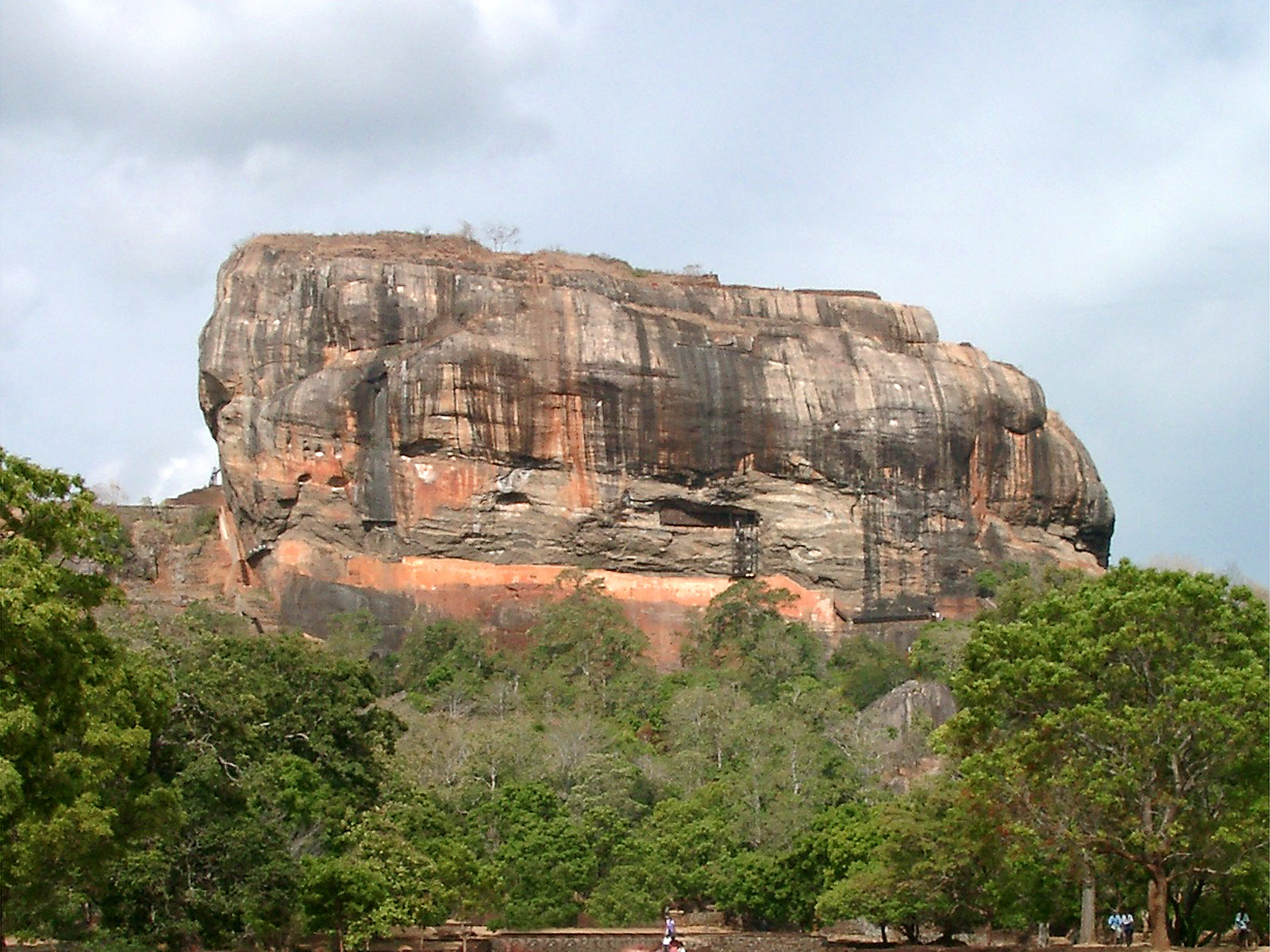
- Heritage sites (Sri Lanka wins). Eight UNESCO World Heritage Sites in an island the size of Ireland. Sigiriya Rock Fortress — a 5th-century palace perched on a 200-metre rock column with frescoes and mirror walls that still reflect after 1,600 years. The ancient capitals of Anuradhapura and Polonnaruwa, where you can cycle between massive dagobas and reclining Buddhas on roads shared with wild peacocks. Galle Fort, a Dutch colonial stronghold with cobblestone streets and boutique hotels. Thailand has Ayutthaya and Sukhothai, which are impressive, but Sri Lanka's density of archaeological sites in a compact area is unmatched.
- Beaches (Thailand wins for variety, Sri Lanka wins for peace). Thailand's coastline stretches over 3,000 kilometres with dozens of islands — Koh Samui, Koh Tao, Krabi, Koh Lanta, Koh Chang, the Phi Phi archipelago. Water clarity in the Andaman Sea reaches 20 to 30 metres visibility in places. But popular Thai beaches can feel like shopping centres with sand. Sri Lanka's beaches are fewer but less crowded. Mirissa is a relaxed crescent with excellent whale-watching. Pasikudah's shallow lagoon stretches 1.5 kilometres into the sea at waist depth. Arugam Bay has world-class surf. Trincomalee's Nilaveli and Uppuveli have white sand that rivals anything in the Andaman. The difference is you will often share a Sri Lankan beach with fifty people instead of five hundred.
- Wildlife (Sri Lanka wins decisively). Sri Lanka has the highest density of leopards in Asia in Yala National Park, hundreds of elephants in Udawalawe and Minneriya, blue whales off Mirissa, and a dozen other national parks within a few hours of each other. A single day in Sri Lanka can include a leopard sighting at dawn, an elephant herd crossing a reservoir by noon, and a whale breach at sunset. Thailand's wildlife offering is more limited — ethical elephant sanctuaries in Chiang Mai are the main draw, but wild elephant encounters are rare and big cats are nearly absent.
- The train journey (Sri Lanka wins). The Kandy to Ella train through the central highlands is consistently called the most scenic train ride in the world. Seven hours through tea plantations, misty valleys, cloud forests, and the famous Nine Arch Bridge. No Thai train route competes. Thailand's overnight trains are practical and comfortable, but they travel through flat countryside. The Ella train is an attraction in itself, not just transport.
- Street food (Thailand wins). Thailand's street food is globally famous, available on every corner, and rarely disappoints. Pad thai for $1.50, green curry for $2, mango sticky rice for $1. Sri Lanka's street food culture is less developed — you will find isso vade (shrimp fritters), kottu roti carts, and short eats at bus stations, but the variety and density of Thailand's street stalls is not matched. Sri Lanka's restaurant food, however, is excellent and cheaper. A full rice and curry with six side dishes costs about $2 at a local eatery.
- Diving and snorkelling (Thailand wins). Thailand's coral reefs — particularly around Koh Tao, the Similan Islands, and the Andaman coast — are among the best in the world for beginners and experienced divers alike. Dive schools are plentiful, cheap, and professional. Sri Lanka has good snorkelling at Pigeon Island near Trincomalee and at Hikkaduwa, but it does not match Thailand's scale or water clarity.
Getting around
This is where the two countries differ most in practice. Thailand has excellent transport infrastructure — budget domestic flights between islands ($30 to $80 by airlines like AirAsia and Nok Air), comfortable long-distance buses, a reliable train network, and Grab ride-hailing in most cities. A trip from Bangkok to Krabi to Koh Lanta to Phuket to Chiang Mai is easy to string together.
Sri Lanka has no domestic flights. Getting around means trains (scenic but slow — Kandy to Ella takes 7 hours, Colombo to Kandy takes 3), buses (cheap but crowded and rarely air-conditioned), and tuk-tuks for short hops. Most travellers hire a private driver for a week, which costs $50 to $80 per day including the car and fuel — about the same as a compact rental car in Europe. This is actually more convenient than self-driving because the driver knows the roads, handles the chaotic traffic around Colombo, and acts as an informal guide.
Ride-hailing apps like PickMe and Uber work in Colombo, Kandy, and Galle. For trains, tickets can be booked online through 12Go or at the station — but the popular Observation Car on the Kandy-Ella route sells out weeks ahead in peak season. Bus tickets can be booked through bus.lk. For long-distance routes, a private driver is the most popular choice among mid-range travellers, and for good reason — it turns transit time into sightseeing time.
Real costs in 2026: A private driver with car for a full day: $55 to $75. Kandy to Ella by train: $8 to $12 (first class). Colombo to Kandy by bus: $2 to $3. Tuk-tuk ride under 3 km: $1 to $2.
What to budget
- Accommodation: Thailand offers cheaper dorm beds ($8 to $12) and budget guesthouses ($20 to $40). Sri Lanka's budget options start slightly higher ($15 to $30 for a basic guesthouse with fan). Mid-range in both runs $45 to $90. Luxury is comparable but Sri Lanka punches above its weight in the boutique segment — small jungle lodges, heritage villas, and beach cabanas that rival anything in Thailand for design and setting.
- Meals: Thailand's street food edges Sri Lanka on price ($1 to $3 per meal versus $2 to $4). Restaurant dining is similar — $5 to $12 for a proper meal in a sit-down restaurant in both countries. Sri Lanka's breakfast is almost always included at guesthouses, which saves a few dollars a day.
- Activities: Sigiriya Rock entry is $35 for foreign adults — expensive by Sri Lankan standards but unforgettable. Yala National Park safari: $40 to $60 including jeep and entry. Kandy to Ella train: $8 to $12. In Thailand, monument entry fees are similar. Dive courses on Koh Tao start at around $350 for Open Water. Elephant sanctuary visits in Chiang Mai run $60 to $80 for an ethical half-day.
- Transport: Thailand's domestic flights add up quickly if island-hopping ($30 to $80 per leg). Sri Lanka's private driver ($55 to $75 per day) replaces multiple taxi fares. A full week with a driver is $385 to $525 — which sounds expensive until you calculate that it covers airport pickup, intercity transfers, and day trips with no waiting or bargaining.
- Daily total: Budget traveller in either country: $35 to $50. Mid-range: $70 to $120. Luxury: $150 upward. The real difference is not in daily spend — it is in how you spend it. Thailand is cheaper for staying put; Sri Lanka is cheaper for covering ground.
WATCH OUT FOR
- Choosing the wrong season for your destination. This is the most common mistake. Sri Lanka has two monsoon seasons affecting different coasts at different times. Arriving at Mirissa in August means rough seas, closed restaurants, and beaches strewn with debris. Arriving at Arugam Bay in December means a ghost town with no surf. Check which coast is in season before you book anything. Thailand has the same issue — the Andaman coast (Phuket, Krabi, Koh Phi Phi) is rainy May to October; the Gulf coast (Koh Samui, Koh Phangan) is rainy October to January.
- Sri Lanka's roads are slow. Distances on Google Maps look manageable. Reality: 150 km on Sri Lankan roads can take three to four hours. The roads winding through hill country are narrow and twisting. The expressway from Colombo to Galle is excellent, but most other routes are single-lane roads shared with buses, tuk-tuks, and wandering dogs. Build 30 percent more time into every journey than you think you need.
- Thailand's popular islands are crowded. Koh Phi Phi receives up to 4,000 visitors a day in peak season. Koh Samui's beaches are lined with sunloungers six deep in places. Sri Lanka's equivalent spots see a fraction of that foot traffic. If you dislike crowds, Sri Lanka is the better choice.
- Sri Lanka's restaurant service is slower. A recurring pattern across thousands of Sri Lanka reviews: ordering a meal and waiting 45 minutes. This is normal. Kitchens in small guesthouses are usually one person cooking everything from scratch. Order ahead, or adopt the local pace.
- ATM fees add up in both countries. Sri Lanka charges withdrawal fees of 300 to 500 LKR (about $1 to $1.50) per transaction. Thailand charges 220 THB (about $6.50) per withdrawal — significantly higher. Withdraw larger amounts less frequently.
- Tuk-tuk overcharging. This happens in both countries. In Sri Lanka, use PickMe for fixed rates in Colombo and Kandy. In Thailand, use Grab if available, or agree on the price before getting in.
GOOD TO KNOW
- Visa situation in 2026: Sri Lanka's ETA is now free for 40 countries (including the US, UK, and EU) for 30-day stays as of May 2026. Thailand offers visa-free entry of 30 days for most Western nationalities. The paperwork advantage Thailand once had has evaporated.
- Best time to visit: Sri Lanka is best from December to March (south and west coasts, hill country) or May to September (east coast). Thailand is best November to April for the Andaman coast and December to August for the Gulf coast. Sri Lanka offers year-round travel options if you switch coasts.
- Sri Lanka is smaller than you think. At 65,610 square kilometres — about the size of Ireland or Tasmania — you can drive from Colombo to Trincomalee in about five hours. The entire Cultural Triangle fits in a compact loop. This density is Sri Lanka's superpower.
- Thailand is bigger than you think. At 513,120 square kilometres, Thailand is nearly eight times larger. The train from Bangkok to Chiang Mai takes 12 to 14 hours. Island-hopping requires planning. Plan accordingly.
- English is widely spoken in Sri Lanka. English is a link language and most people in tourism speak it well. In Thailand, English is more limited outside tourist centres. Download Google Translate for Thailand.
- The Ella train books out. If you choose Sri Lanka, the Observation Car on the Kandy to Ella route sells out two to three weeks ahead in peak season. Book online through 12Go or through your guesthouse as soon as dates are confirmed.
WHERE TO STAY
If you choose Sri Lanka:
- Sigiriya Coconut Shade Resort — A cottage-style property where multiple guests describe the pool and the Sigiriya Rock view from the room as better than the photos, with an owner who personally checks every detail of your stay.
- Mahaweli Reach Hotel, Kandy — Overlooks the Mahaweli River away from the noisy city centre, with a pool that guests consistently call the best in Kandy and a breakfast that earns universal praise for variety.
- Mandara Resort, Mirissa — Beachfront on the quieter eastern end of Mirissa Beach, where reviewers mention the direct sunset views from the balcony and staff who remember your order by the second morning.
- Rock Grand View, Ella — Perched above Ella town with valley views that multiple guests describe as worth the room price alone, including breakfast on a balcony overlooking misty tea hills.
- Jetwing Yala — Located at the edge of Yala National Park, where guests consistently rave about seeing elephants and peacocks from the property before even entering the park.
If you choose Thailand:
- Bunk Mali Hostel, Koh Tao — A social hostel with pool and on-site bar where divers consistently meet their dive buddies, praised for clean dorms steps from Sairee Beach restaurants.
- Sawasdee Village, Krabi — A lush resort set among tropical gardens where the lagoon-style pool winds through like a river and earns consistent praise as the most relaxing pool in Krabi.
- Anantara Chiang Mai — A riverside property where guests highlight the serene pool overlooking the Mae Ping River combined with a 10-minute walk to the Night Bazaar and Old City temples.
The bottom line
Sri Lanka and Thailand both deliver outstanding holidays, but they reward different approaches. Thailand is the safe choice — polished infrastructure, incredible street food, and islands beautiful exactly as advertised. Sri Lanka is the adventurous choice — bumpier roads, fewer crowds, deeper wildlife encounters, and a density of experience that three hours of driving in any direction completely changes your environment. Neither is better. The right question is which one fits the way you travel. If you want certainty and ease, Thailand. If you want discovery and variety, Sri Lanka. And if you can visit both — do it. They are different enough that neither will make you wish you had chosen the other.
Have a specific question about your Sri Lanka trip?
Ask BYC at byc.lk — free, honest, no upsell. Ever.
Ask BYC Your Question →