Is Sri Lankan Food Too Spicy for Tourists? An Honest Guide to Eating Well
Is Sri Lankan Food Too Spicy for Tourists?
You have read the reviews. You have seen the photos of fiery red curries and heard the warnings about Sri Lankan chilli. Now you are wondering whether you will survive a week on the island without your mouth being on fire. Here is the honest answer from 353,633 guest reviews and the travellers who left them.
Sri Lankan food is not uniformly spicy, and it is almost never punishingly hot unless you go looking for it. The island's cuisine is built on layering flavour - coconut, curry leaves, pandan, cinnamon, cardamom, and turmeric come first. Chilli is present in many dishes, but most restaurants and guesthouses that serve tourists adjust the heat level without even being asked. If you can handle the spice level of a Thai green curry or a medium Indian curry, you will find Sri Lankan food comfortable. If you cannot handle any heat at all, you still have plenty of delicious options - and this article will tell you exactly what to order.
The short answer
Sri Lankan food is flavourful first and spicy second. The fear of "too spicy" comes from confusing heat with seasoning. A plate of rice and curry comes with multiple small dishes - dhal (a mild lentil curry), a vegetable curry, a sambol (which can be spicy), a pickle, and perhaps a meat or fish curry. You control what goes on your plate and how much of each component you take. The dhal is almost always mild. The coconut sambol can have a kick. The chicken curry falls somewhere in between. If you are worried, start with the dhal, add a spoonful of the vegetable curry, taste the sambol cautiously, and build from there. Every traveller finds their level within two meals.
What's worth eating
Rice and curry. This is the national meal and the safest bet for anyone worried about spice. A typical rice and curry plate comes with a mound of rice surrounded by four to seven small bowls of different curries. The dhal curry is reliably mild - creamy lentils cooked in coconut milk with turmeric and curry leaves. The pumpkin or ash pumpkin curry is sweet and gentle. The potato curry is comforting and low-heat. Only the sambol and the chicken or fish curry carry significant chilli, and even those vary enormously from one kitchen to the next. Travellers who order rice and curry and ask for "less spicy" - or use the Sinhala phrase "less miris" - report that the kitchen happily obliges. A rice and curry plate costs 300-800 LKR ($1-3 USD) at local restaurants and 1,200-2,000 LKR ($4-7 USD) at tourist-oriented places.
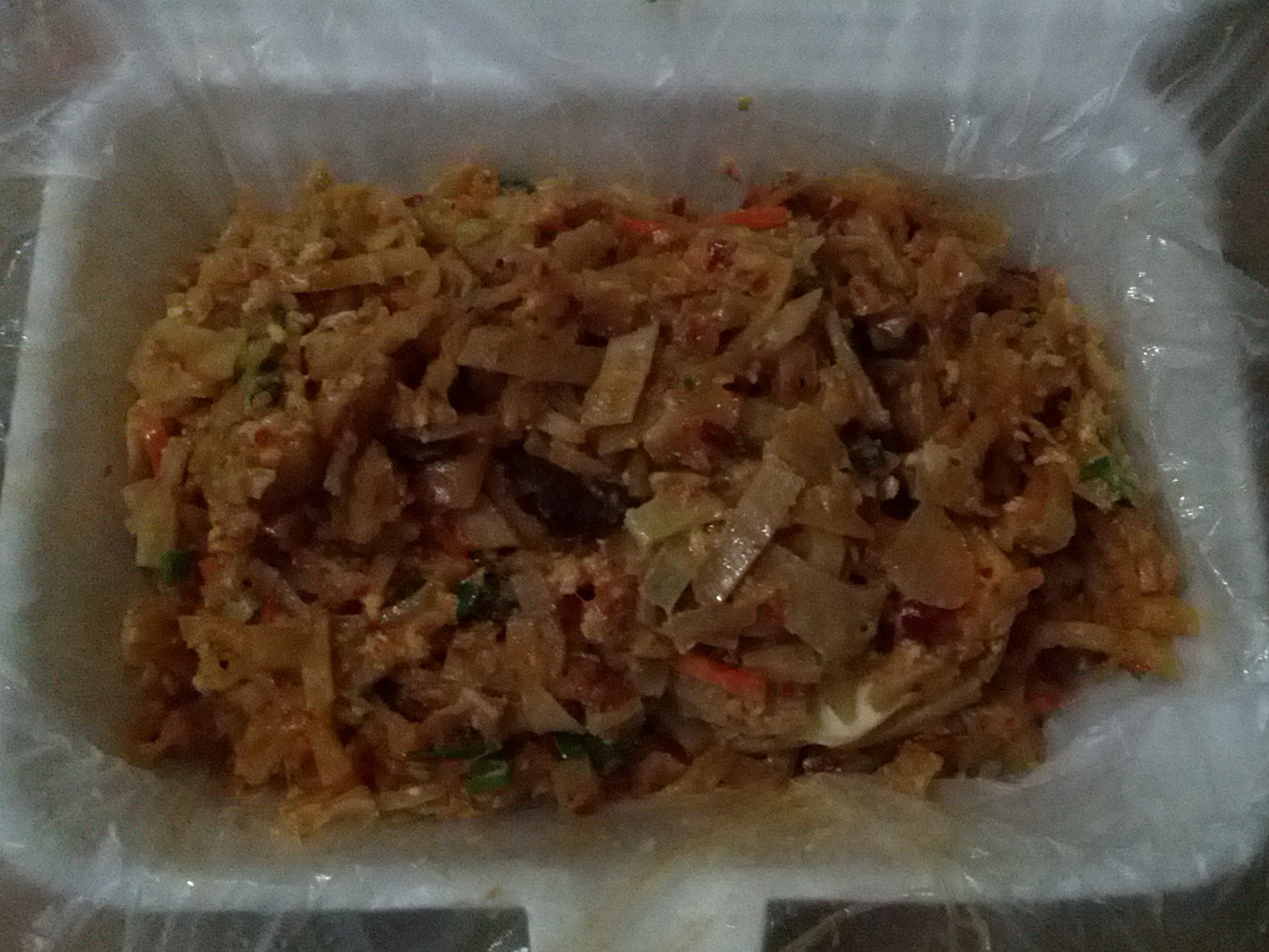
Kottu roti. This is Sri Lanka's definitive street food - shredded roti flatbread stir-fried on a hot griddle with vegetables, egg, and your choice of meat or seafood, all chopped rhythmically with two metal blades. Kottu is not inherently spicy. The heat level depends entirely on the vendor and the sauces they add. At its most basic, kottu is savoury, slightly oily, and deeply satisfying without any chilli kick. You will hear the clatter of the blades before you see the stall, and it is the single most iconic street food experience in the country. A standard portion costs 400-900 LKR ($1.50-3 USD).
Hoppers. These bowl-shaped pancakes made from fermented rice flour batter are the quintessential Sri Lankan breakfast. The edges are thin and crisp, the centre is soft and spongy. An egg hopper has a yolk that runs into the centre as it cooks. Hoppers are served with lunu miris (a fiery sambol of chilli, onion, and Maldive fish) or with jaggery and banana. The genius of hoppers is that you choose your accompaniment. If you are spice-averse, skip the lunu miris and eat them with coconut sambol - which itself varies from mild to medium - or with plain sugar. String hoppers (idiyappam) are rice noodle nests served with dhal curry and a mild potato curry. Both are gentle introductions to Sri Lankan cuisine. A hopper costs 30-80 LKR (10-30 cents USD) at a street stall. A restaurant plate of string hoppers with curries costs 400-700 LKR ($1.50-2.50 USD).
Pol sambol. This is the ground coconut, chilli, and lime side dish that appears on almost every Sri Lankan plate. It is often the spiciest thing on the table, but its heat is sharp and immediate rather than lingering. A tiny spoonful mixed into rice transforms the entire mouthful. For those who do want a controlled hit of spice, pol sambol is the perfect condiment - you dose it yourself.
Fresh fruit and king coconut. Sri Lanka grows some of the sweetest tropical fruit in Asia. Pineapple, papaya, mango, watermelon, and passionfruit are everywhere and cheap. A plate of cut fruit costs 150-300 LKR (50 cents to 1 USD). King coconut, sold from roadside stalls for 80-150 LKR, is a refreshing drink that pairs better with spicy food than almost anything else. The water is naturally sweet and works better than water to cool the palate between bites of a spicy curry.
Getting around the country and the food
The best way to ease into Sri Lankan food while travelling is to plan your itinerary around where the food is gentlest. Colombo and Kandy have the widest range of restaurants that cater to international palates. The south coast - Mirissa, Weligama, Unawatuna - is packed with tourist cafes serving everything from pizza to pad thai alongside local food. Ella has excellent local restaurants where the owners are used to travellers asking for milder versions. Jaffna in the north serves a distinctly different cuisine with less coconut and more chilli, so leave Jaffna for later in your trip when your palate has adjusted.
Transport between these food hubs follows the same routes as regular tourism. The Colombo to Kandy train costs 500-1,000 LKR for second class and takes 2.5-3 hours. The Kandy to Ella train (the famous scenic route) costs 900-2,100 LKR depending on class and takes 7-8 hours. Buses between any two major towns cost under 500 LKR. A private driver from Colombo to the south coast costs $50-70. The point is that wherever you go in Sri Lanka, you are never far from excellent, adaptable food - even the smallest roadside stall will adjust spice levels if you ask.
The safest strategy for a nervous eater: eat at your guesthouse on the first night. Guesthouse kitchens in Sri Lanka are exceptionally accommodating. Tell them you prefer mild food, and they will prepare a rice and curry plate with minimal chilli. Within a day, you will have enough confidence to eat at local restaurants, and by day three, you will be asking for extra sambol like everyone else.
What to budget for food
Eating well in Sri Lanka is almost comically affordable. Here is the honest per-day food budget breakdown, based on thousands of real traveller reports:
Budget eater ($5-8/day): Breakfast of hoppers or string hoppers with dhal at a local shop (200-400 LKR). Lunch of rice and curry at a local restaurant (400-600 LKR). Dinner of kottu roti from a street stall (400-600 LKR). Drinking water from refill stations (100-200 LKR) and king coconut as your afternoon drink (100-150 LKR). This is the most authentic eating experience and the cheapest. You will eat where locals eat, and you will eat well.
Mid-range eater ($12-18/day): Breakfast at your guesthouse or a tourist cafe with fresh juice (500-800 LKR). Lunch at a mid-range restaurant with rice and curry or a seafood dish (800-1,500 LKR). Dinner at a restaurant with a mix of local and international options (1,200-2,000 LKR). Fresh fruit as snacks (200-400 LKR). Bottled water and a couple of king coconuts (300-400 LKR). This is the sweet spot - you get local food at comfortable restaurants with English menus and gentle spice levels.
Splurge eater ($25-40/day): Three meals at tourist-rated restaurants and beachfront cafes. Breakfast with fresh juices and Ceylon tea (800-1,200 LKR). Lunch at a nice seafood restaurant or fine-dining local restaurant (1,500-3,000 LKR). Dinner at a top-rated restaurant with imported wine or cocktails (3,000-6,000 LKR). Snacks, fresh juice, and premium bottled water throughout the day (500-1,000 LKR). This budget covers Colombo's best restaurants, the beachfront dining on the south coast, and the boutique cafes of Ella and Kandy.
What real travellers consistently report: their food costs come in below their initial budget. The misperception that Sri Lanka has become expensive in 2026 applies to accommodation and domestic flights, not to food. Street food and local restaurant meals remain very affordable, and even the best tourist-oriented restaurants are cheaper than equivalent-quality restaurants in Thailand or Vietnam.
WATCH OUT FOR
The biggest trap with food in Sri Lanka is ordering without asking questions. Some dishes that sound mild are not. Devilled dishes - chicken, prawns, or fish cooked in a sweet and spicy sauce with capsicum and onion - are popular on tourist menus but can carry surprising heat. Lamprais, a Dutch Burgher specialty of rice, meat, and sambol wrapped in a banana leaf and baked, varies wildly in spice level depending on the chef. Always ask "is this very spicy?" or "miris hari ne?" before ordering unfamiliar dishes.
The second trap is assuming "local restaurant" means "too spicy for tourists." The opposite is often true. Local restaurants serve their regular clientele, and their regulars eat Sri Lankan food daily. The spice level is balanced - it needs to be, because rice and curry is a meal people eat multiple times a week. Tourist restaurants, ironically, sometimes overseason to create a "memory" or to justify higher prices. The safest reliable meal in Sri Lanka is a rice and curry plate at a busy local restaurant with a full house of Sri Lankan customers. If locals are eating there, the food is authentic and balanced.
Desserts will not save you from spice. Sri Lankan sweets like wattalappam (a coconut custard steamed with jaggery and cardamom), kavum (oil cakes), and kokis (crispy fried batter) are mild and sweet - you can eat them after a spicy meal with zero issues. But avoid the "chocolate" desserts at budget tourist cafes. Many use low-quality compound chocolate that is sweet to the point of being artificial. Stick to the local sweets or fresh fruit.
Food hygiene is a genuine concern that travellers discuss more than spice levels. Street food is safe if the stall is busy - high turnover means fresh ingredients. Avoid raw salads and pre-cut fruit from stalls where you cannot see the preparation. Drink bottled or filtered water. The tap water in Colombo is treated but not reliably safe for unfamiliar stomachs. Guesthouses almost always provide filtered drinking water for free or for a small fee.
Breakfast buffets at hotels are a trap in a different way. They offer a mix of Sri Lankan and Western options, but the Sri Lankan items are often the least cared-for because the buffet caters to a broad audience. The string hoppers may be dry. The dhal may be lukewarm. The hoppers are rarely as good as what you get from a street stall at 7:00 AM. If you want the best Sri Lankan breakfast, skip the hotel buffet one morning and walk to the nearest local breakfast shop. It will cost 200-400 LKR and will be the best 400 LKR you spend all day.
GOOD TO KNOW
Ceylon tea is the best palate cleanser. A cup of black tea (no milk, no sugar) between spicy courses resets your taste buds more effectively than water. Sri Lanka produces some of the world's best tea, and drinking it is part of the food experience. A pot of tea at a restaurant costs 200-500 LKR. At a tea estate in Nuwara Eliya or Ella, a tasting session costs 500-1,000 LKR and comes with a view that is worth the price alone.
Ghee and yoghurt are your friends. The dairy-based sides in Sri Lankan cuisine naturally counteract chilli heat. A dollop of buffalo curd (thick, creamy yoghurt from buffalo milk) served with palm treacle is a classic Sri Lankan dessert and a perfect fire extinguisher after a spicy meal. It costs 100-200 LKR per serving and is available everywhere.
Learn two phrases. "Less miris" (pronounced LESS mee-ris) means "less chilli." "Very tasty, but a little too spicy" is "Hari rasa, namuth miris hari nae" - use it with a smile, and the kitchen will adjust. Sri Lankans take pride in their cooking and genuinely want visitors to enjoy the food. They will not be offended if you ask for milder versions.
Eating times run later than you expect. Lunch is served from 12:00 to 2:30 PM and is often the main meal of the day. Dinner service at local restaurants starts around 7:00 PM and runs until 9:30 or 10:00 PM. Tourist restaurants in beach towns keep later hours. Plan your meals around genuine hunger rather than the clock - skip lunch if you had a big breakfast and let dinner be your main meal.
Seafood is a separate category. Sri Lanka's coastline produces excellent fish and shellfish that is often prepared simply - grilled or fried with minimal seasoning so the flavour of the fish speaks for itself. Devilled or spicy preparations are optional. If you are a spice-averse seafood lover, order grilled fish with lemon butter at a beachfront restaurant and skip the curry entirely. The fish caught off Sri Lanka's southern coast - tuna, seer fish, barramundi - is excellent and reasonably priced, with grilled fish plates costing 800-1,500 LKR.
Street food is safe if you follow the crowd. The stalls with queues of locals are doing something right. The stalls with no customers are the ones to skip. Kottu roti stalls are particularly reliable because you watch the entire preparation process - nothing goes into the pot that you cannot see. Our guide to eating Sri Lankan street food safely covers the hygiene rules in more detail. A busy kottu stall in Hikkaduwa or Galle Fort is a spectacle as much as a meal.
Vegetarians have it easy. Sri Lanka has one of the best vegetarian cuisines in South Asia. The island's Buddhist heritage means vegetarian food is widely understood and available. A vegetarian rice and curry plate - often with five or six different vegetable curries - is the norm, not a special request. Jackfruit curry, breadfruit curry, and cashew curry are common and exceptional. Vegans need to confirm no coconut milk (rare in small dishes) and no egg (common in hoppers and some curries), but plant-based eating is straightforward because coconut is the primary cooking fat, not ghee.
WHERE TO STAY for the food experience
Galle Fort Hotel (Galle) - A boutique hotel inside the fort where the in-house restaurant serves an elevated rice and curry that guests consistently call "the best meal of their trip." Multiple reviews specifically mention the dhal and the chicken curry as perfectly balanced - flavourful without being overwhelming. The breakfast hoppers with coconut sambol and fresh fruit are mentioned as a highlight of the stay.
Adam's Edge (Ella) - A hillside guesthouse with a restaurant that caters specifically to first-time visitors to Sri Lankan food. Guests praise the owner for walking them through the menu and explaining which dishes are mild and which carry heat. The evening rice and curry is prepared to each table's preferred spice level on request. The view over the Ella Gap pairs naturally with a slow, multi-course dinner.
The Heritage Cafe & Guest (Kandy) - A guesthouse near the Temple of the Tooth where the kitchen prepares a traditional Kandyan rice and curry that is notably less spicy than coastal versions. Guests specifically mention that the food was "approachable but authentic" - a balance that is harder to find than it sounds. The cooking class option lets travellers learn to make hoppers and pol sambol under guided instruction, which is the fastest way to understand Sri Lankan cooking.
Malli's Guesthouse (Mirissa) - A beachside spot where the family kitchen turns out a seafood rice and curry that guests describe as "generous and gentle." The owner's wife cooks a different set of curries each evening, and guests consistently mention that the food felt homemade rather than restaurant-style. The kitchen accommodates dietary restrictions without complaint - several reviews from celiac travellers confirm they ate safely and well.
Jetwing Lagoon (Negombo) - A hotel near the airport for first-night arrivals where the buffet includes labelled spice ratings on each dish. Guests arriving late from long flights appreciate being able to identify exactly what they can eat comfortably. The breakfast string hoppers with dhal are mentioned as a gentle introduction to local food before heading deeper into the country.
The bottom line
Sri Lankan food is not too spicy - it is more spiced than spicy, layered with flavours that go well beyond chilli heat. The fear disappears after the first proper rice and curry meal, and by the end of your trip, you will find yourself reaching for the pol sambol without thinking. The island's cuisine is one of the most underrated in Asia, and it rewards the curious traveller at every budget level. Pack your appetite and a willingness to try things that look unfamiliar - the food will do the rest.
Have a specific question about your Sri Lanka trip?
Ask BYC at byc.lk — Free and honest. Some links are affiliate links and never change our advice.
Ask BYC Your Question →