How Much Do Water Sports Cost in Sri Lanka? Surfing, Snorkelling & More
You have seen the photos. A surfer carving along a perfect turquoise wave. A snorkeller floating above coral gardens, surrounded by fish. Sri Lanka’s water sports look spectacular. The question everybody asks before they book is simpler: how much does it actually cost?
Whether you want to surf Arugam Bay’s legendary right-hand break, snorkel through the coral at Pigeon Island National Park, or try something in between, the prices vary more than most first-time visitors expect. Here is the honest breakdown based on what real travellers actually paid.
The short answer
Sri Lanka is one of the most affordable places in the world for water sports. A two-hour surf lesson costs between $15 and $35 depending on whether you book at a surf school or negotiate directly with a local instructor. A half-day snorkelling trip to Pigeon Island costs roughly $70 per person including the park entry fee, boat, and gear. Scuba diving starts at $50 for a single dive and goes up to $250 for a full PADI Open Water course. None of these prices will break your trip budget — but the difference between a good experience and a bad one comes down to who you book with.
What’s worth doing
Surfing in Arugam Bay — the main event
Arugam Bay’s main point break is one of the world’s best right-hand waves, and it draws surfers from Bali, Australia, and California. But the real story for most visitors is that you do not need to be a pro to enjoy it. Baby Point, a short walk south along the beach, has gentle, rolling waves that are ideal for first-timers. The surf schools along the main strip run daily lessons from April through October, when the east coast dry season delivers consistent swells.
Most surf lessons cost $15 to $35 per session, with board and rashguard included. A single session lasts about two hours — enough time to learn the basics and catch a few waves. Multi-day packages bring the per-session price down. Book a five-day package and you pay roughly $20-25 per lesson instead of $30-35. Local instructors charge less than the big surf camps; the camps offer more structure, video feedback, and sometimes insurance coverage.
Arugam Bay has multiple breaks for different skill levels. Whiskey Point offers gentle longboard waves for intermediate surfers. Elephant Rock, a short drive north, fires up faster, more powerful waves for advanced surfers when the swell is right. Peanut Farm is another beginner-friendly spot with a sandy bottom and mellow waves.
Snorkelling at Pigeon Island National Park — the underwater highlight
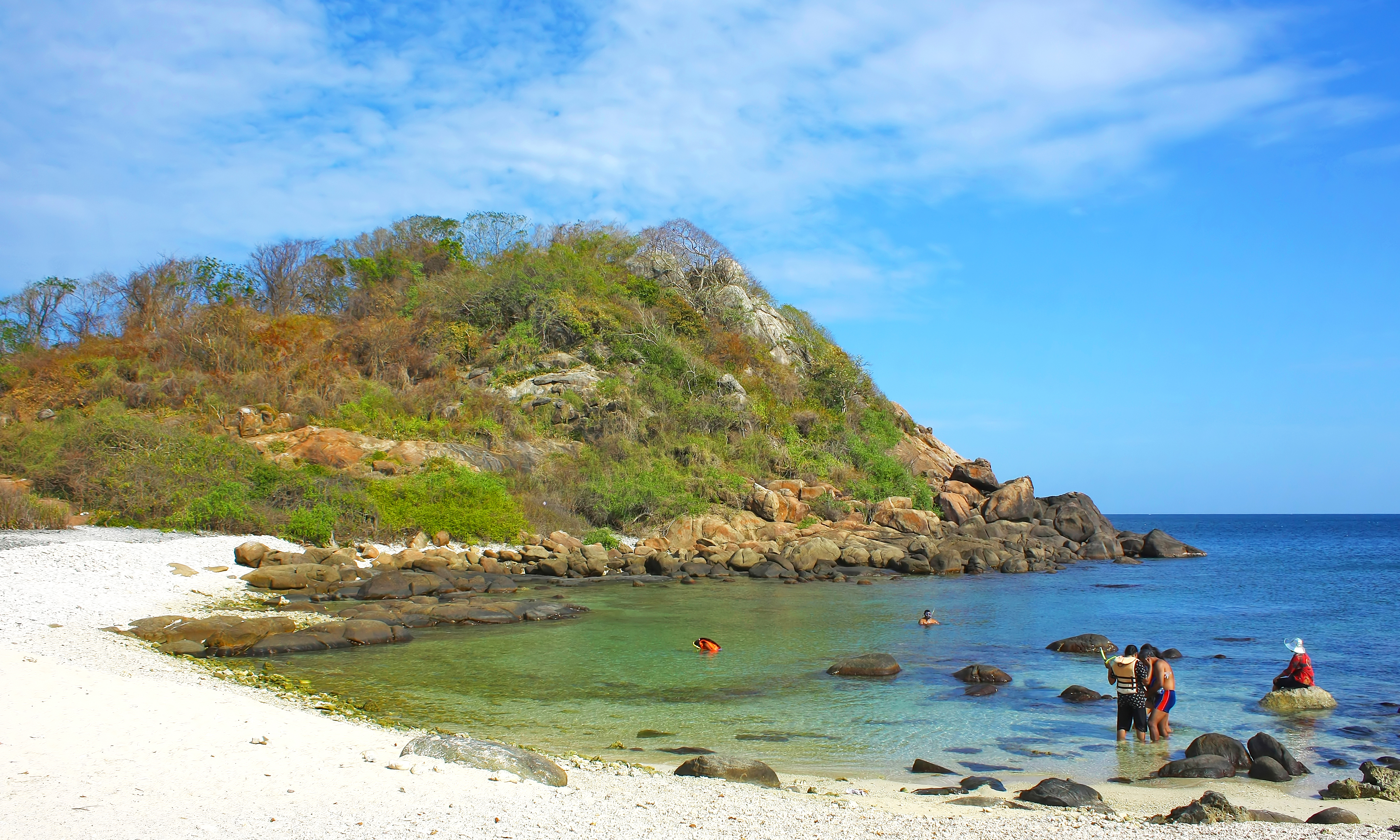
Pigeon Island, a kilometre off Nilaveli Beach near Trincomalee, is a marine national park with some of the most biodiverse coral reefs in Sri Lanka. Over 100 species of coral and 300 types of tropical fish call these waters home. The entry fee is $42 per person for foreign adults ($21 for children 6-11), and you get there by boat from Nilaveli Beach. Boat operators charge around 10,000 LKR — roughly $30 — for the round trip, which includes snorkelling gear, a guide, and snacks like fresh watermelon and biscuits.
Total cost per person: approximately $70-75 for a half-day trip. The boats typically leave in the morning around 7:00 AM when the water is calmest and the visibility is at its best. Plan to be back on the beach by noon. Book through your hotel or a local operator near Nilaveli Beach rather than through an online tour platform — the same trip costs $90-110 on Viator or GetYourGuide.
Yes, the water at Pigeon Island is shallow enough for beginner swimmers to feel comfortable. You can stand in many sections of the reef flat at low tide. And yes, there are no washrooms on the island itself — use the facilities at your hotel or at a beachfront restaurant on Nilaveli before you board the boat.
Scuba diving — for when snorkelling is not enough
Scuba diving in Sri Lanka is concentrated around three main areas: Hikkaduwa on the southwest coast, Pigeon Island / Nilaveli on the northeast coast, and Kalpitiya on the northwest coast. A single guided dive costs $50-70 including all equipment. A two-dive trip costs $80-110. A full PADI Open Water certification runs $350-450 and takes three to four days.
The best diving season depends where you are. West coast dive sites (Hikkaduwa, Kalpitiya) are best November through April during the northeast monsoon. East coast sites (Nilaveli, Pigeon Island) are best April through October during the southwest monsoon. Diving operators in Colombo offer day trips to the shipwrecks off the west coast, including the British Sergeant wreck at 28 metres.
Lagoon safaris, jet skiing, and other water activities
A Pottuvil Lagoon safari near Arugam Bay costs $15-25 per person for a two-hour boat ride through mangroves with bird watching. Jet skiing on the main beaches in Hikkaduwa and Bentota runs around $30-40 for 15 minutes. Banana boat rides cost $10-15 per person for a 15-minute session. Stand-up paddleboard rental is $8-12 per hour on most beaches. Kayak rental is $5-10 per hour.
Getting around
Getting to the water sports locations adds to your total cost. A private car from Colombo or the Bandaranaike International Airport to Arugam Bay costs $80-100 for the 7-hour drive. The same trip by public bus costs under $5 but takes 9-10 hours with a transfer in Monaragala. To reach Nilaveli Beach for Pigeon Island snorkelling, the drive from Colombo is 6-7 hours and costs $70-90 by private car. Public buses cost around $4-5 via Trincomalee.
The most cost-effective approach: plan your water sports as part of a broader east coast or north-east loop itinerary rather than a separate trip. Add Arugam Bay onto a south coast-to-east coast route. Add Trincomalee and Pigeon Island onto a Cultural Triangle itinerary. Travellers who book a dedicated trip just for Arugam Bay from Colombo often spend more on transport than on the actual surf lessons.
Hiring a scooter in Arugam Bay is a game-changer for reaching different surf breaks. Rental costs $5-8 per day. The ride from the main town to Peanut Farm or Elephant Rock takes 10-15 minutes each way. Fill up at the petrol station near Pottuvil — the station in Arugam Bay town runs out of fuel unpredictably during peak season.
What to budget
Here is the honest per-day breakdown for a water-sports-focused trip to Sri Lanka. These are real numbers from real travellers, not aspirational budget estimates.
Budget traveller ($40-50/day): Dorm bed in a surf hostel ($8-12), street food and local rice-and-curry shops ($5-8 on meals), one surf lesson ($20-25), and local bus or scooter rental ($3-5). This budget works if you eat where the locals eat and limit yourself to one paid activity per day.
Mid-range traveller ($75-100/day): Private room with ensuite and AC in a guesthouse ($20-30), mix of local restaurants and tourist cafes ($12-18 on meals), one surf lesson or half-day snorkelling trip ($20-35), and private tuk-tuk hire or scooter rental ($8-12). This is the sweet spot — you eat well, sleep comfortably, and do one proper activity each day.
Splurge traveller ($140-180/day): Boutique beach hotel or eco-lodge ($50-80), three meals at tourist-rated restaurants ($18-25), private driver ($25-35), and multiple activities or a scuba diving session ($50-70). This budget covers comfort and convenience without extravagance.
Real travellers consistently report that their biggest unexpected cost is transport between destinations, not the water activities themselves. Budget for getting there. The activities are the affordable part.
WATCH OUT FOR
The biggest trap in Sri Lankan water sports is booking through intermediaries. A surf lesson that costs $20 when you walk up to a local instructor on the beach costs $40-50 when you book through a third-party platform. The same lesson, same board, same beach. The middleman takes a 50-60 per cent cut. Always negotiate directly with the instructor or the local surf school. Ask your guesthouse to recommend someone — they want you to have a good experience and will point you to reliable operators.
Pigeon Island booking requires the same caution. The $42 park entry fee is fixed and non-negotiable. But the boat operator fee varies wildly. The local rate from Nilaveli Beach is roughly 10,000 LKR for the boat and gear. Some online tours charge $90-120 total per person for exactly the same trip. Book on the ground, not online, and book through your hotel for an extra layer of accountability.
Equipment quality varies. Some local operators hand you a mask that leaks, a snorkel that fills with water, or a surfboard with a cracked fin. Inspect your gear before you paddle out. A five-minute check saves an hour of frustration in the water. If the gear looks worn, ask for a replacement.
Seasonality matters more than most travellers realise. Surfing at Arugam Bay is excellent from May through October. Outside those months, the waves are inconsistent and the currents can be dangerous. Snorkelling at Pigeon Island is best April through October when the northeast coast is in its dry season. November through March brings rough seas and poor visibility. A December snorkelling trip to Pigeon Island is a completely different experience from a July one — and not in a good way. Check the forecast and the seasonal calendar before you book your flights around a water sports trip.
Beginner swimmers should be cautious at Pigeon Island. The water is shallow in places, but currents can pick up, and there is no lifeguard on the island. If you are not a confident swimmer, wear a life jacket. Operators carry them but do not always offer them unprompted.
GOOD TO KNOW
May through October is the prime season for both Arugam Bay surfing and Pigeon Island snorkelling. The east and northeast coasts share the same dry season. Plan your water sports between these months for the best conditions across both locations.
Bring reef-safe sunscreen. Standard sunscreen damages coral. The entrance to Pigeon Island National Park explicitly prohibits non-reef-safe sunscreen. Bring a mineral-based zinc or titanium dioxide sunscreen from home. Local shops in Trincomalee and Arugam Bay stock reef-safe options but at marked-up prices.
Early morning is your friend. Surf lessons before 9:00 AM catch the calmest conditions and the best wave shape. Snorkelling boats leave Nilaveli between 7:00 and 8:00 AM for the clearest water. Afternoon wind picks up across both coasts, making the water choppy and the visibility worse. Plan your day around the morning session, and use the afternoon for rest, food, and exploring the town.
Learn the basics before you arrive. A few hours watching beginner surf tutorials on YouTube will save you a full lesson worth of flailing. Understanding how to pop up on a board, where to position yourself in the lineup, and basic surf etiquette (do not drop in on someone else’s wave) means you start learning on lesson one instead of lesson three.
Cash is essential for booking water sports. Most local instructors, boat operators, and surf schools in Arugam Bay and Nilaveli operate on cash-only basis. The ATM in Arugam Bay town runs out of cash during peak season. Bring enough LKR from Colombo to cover your planned activities. ATMs in Trincomalee are more reliable than in Arugam Bay.
Pigeon Island has no facilities. No washrooms, no food stalls, no shade structures. Bring water, snacks, a towel, and be prepared to go before you board the boat. The boat returns within three to four hours, so it is manageable for anyone who has planned ahead.
Travel insurance that covers water sports is worth every rupee. Standard travel insurance often excludes surfing and scuba diving or charges a premium for them. Check your policy before you go. A policy that covers medical evacuation and adventure sports costs $20-40 extra for a two-week trip. A single hospital visit for a surfboard fin laceration or a coral cut costs more than that.
WHERE TO STAY
Rising Sun Cabanas (Arugam Bay) — A budget favourite right on the main beach, a two-minute walk from the surf break. Guests consistently praise the location above everything else — multiple reviews mention rolling out of bed and onto the beach with a surfboard. The restaurant serves solid rice and curry for under 500 LKR.
Secret Corner (Arugam Bay) — A small guesthouse tucked off the main road with a garden setting that feels private despite being central. Guests mention the hosts arranging surf lessons at local prices, not tourist prices — the kind of insider savings that add up over a week-long stay.
Anilana Beach Hotel (Trincomalee – Nilaveli) — Located directly on Nilaveli Beach, a five-minute walk from the boat departure point for Pigeon Island. Guests rave about the pool and the direct beach access, saying it made the Pigeon Island trip seamless since they could walk to the boat meeting point without arranging transport.
The White House (Trincomalee – Uppuveli) — A boutique guesthouse on Uppuveli Beach run by a certified diving instructor. Guests consistently mention that the owner organises Pigeon Island snorkelling trips at the honest local price, with quality equipment and a knowledgeable guide. The breakfast — fresh fruit, hoppers, and Ceylon tea — earns specific praise.
Surf Camp Arugam Bay (Arugam Bay) — An all-inclusive surf camp with dormitory and private room options. The five-day package includes daily lessons, board rental, accommodation, and meals at roughly $45-55 per day. Guests say the video analysis sessions — where instructors review your technique — are the fastest way to improve for beginners.
The bottom line
Sri Lanka delivers world-class water sports at prices that would make Bali or Thailand seem expensive. A $20 surf lesson at Arugam Bay’s Baby Point or a $70 snorkelling trip to Pigeon Island’s coral gardens costs a fraction of comparable experiences elsewhere in Asia. The key is booking on the ground, not through online platforms, and paying in cash directly to the people running the boats and the boards. Plan your visit between May and October, get up early, and the water will reward you beyond anything the photos can show.
Riding the Kandy to Ella train soon? Read our Sri Lanka train selfie safety guide - essential reading after a tourist fell from a moving train in the hill country this week.
Have a specific question about your Sri Lanka trip?
Ask BYC at byc.lk — Free and honest. Some links are affiliate links and never change our advice.
Ask BYC Your Question →