Colombo travel warning - what the reviews reveal about Sri Lanka's capital
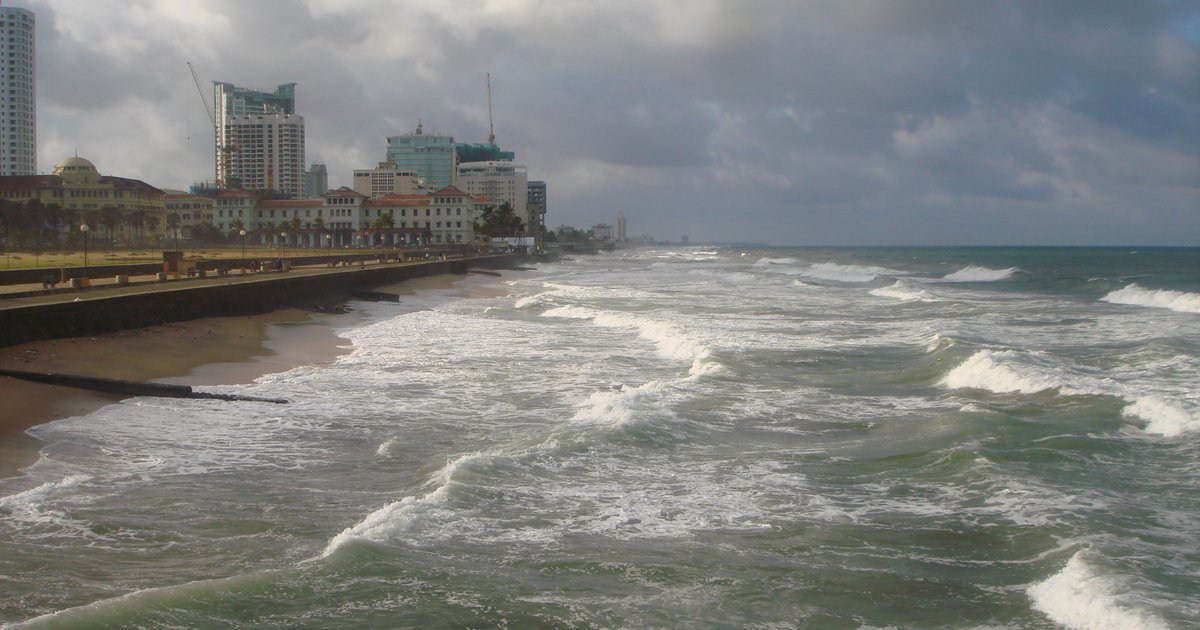
Colombo is the city every traveller passes through but few plan for. It's Sri Lanka's commercial capital, the main entry point for flights, and the most connected transport hub in the country. But when travellers start comparing notes, Colombo generates more mixed opinions than almost any other destination in Sri Lanka.
Some visitors love it. They mention the energy, the colonial architecture, the surprising restaurant scene, and evenings at Galle Face Green watching the sun set over the Indian Ocean. Others describe it as hot, chaotic, traffic-choked, and hard to navigate. Neither version is wrong. Colombo is simply a city that rewards preparation and penalises winging it.
The short answer
Plan Colombo as a one-to-two-night stop, not a destination in itself. The city has enough to keep you entertained for a day or two - museums, temples, food, shopping, and waterfront walks - but the traffic and heat mean you will spend more time getting between attractions than actually enjoying them. Book a hotel in the right neighbourhood, get comfortable with PickMe for transport, and treat Colombo as the gateway it is rather than expecting a beach resort experience.
What's worth doing
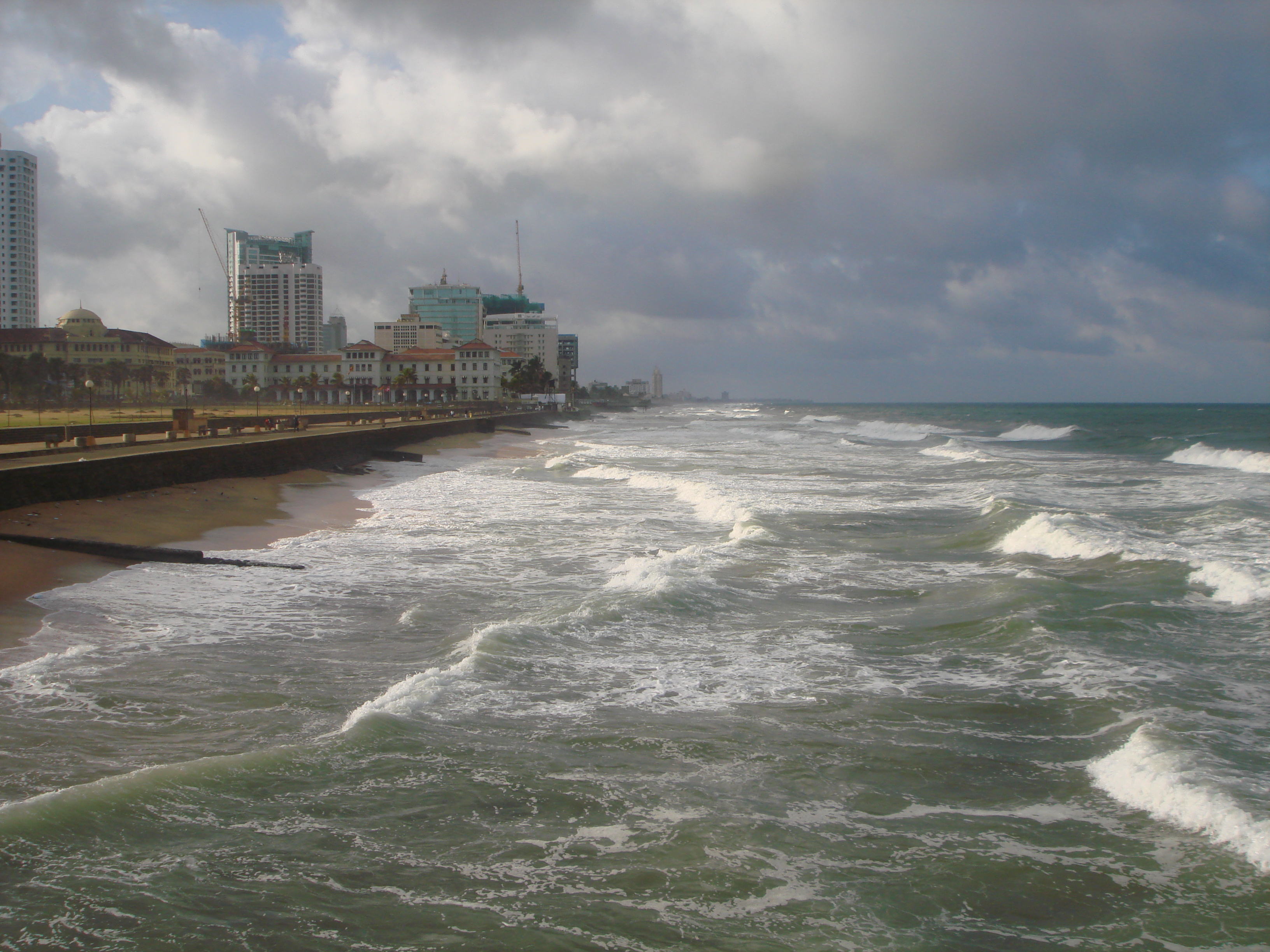
- Galle Face Green - The five-hundred-metre oceanfront promenade is Colombo's most democratic public space. Grab an isso wade (deep-fried lentil patty with a boiled egg) from one of the evening vendors, find a spot on the grass, and watch the locals fly kites, play cricket, and enjoy the sea breeze. The sunset here is genuinely special - the sky opens up over the Indian Ocean and the whole city seems to pause.
- Gangaramaya Temple - An eclectic Buddhist temple that blends Sri Lankan, Thai, Indian, and Chinese architectural styles. The museum inside houses an unusual collection of gifts from devotees - antique cars, an elephant skeleton, and Buddhist art from across Asia. Free entry, donations welcome. Dress modestly (shoulders and knees covered).
- National Museum of Colombo - The largest museum in Sri Lanka, housed in a grand colonial building from 1877. The crown jewels of the Kandyan monarchs are the highlight, alongside an extensive collection of demon masks, ancient sculptures, and regalia. Entry is 1,500 LKR (about $5). Allow one to two hours.
- Pettah Market - Colombo's sprawling bazaar district is a sensory overload in the best way. Narrow streets packed with stalls selling everything from fresh spices and textiles to electronics and jewellery. Go early in the morning to see it at its most vibrant. Keep an eye on your belongings and be prepared to haggle.
- Lotus Tower - The tallest self-supported structure in South Asia, shaped like a blooming lotus. The observation deck at the top costs $20 and offers panoramic views of the city, the coast, and the surrounding suburbs. Best visited at sunset for the golden light over Colombo.
- Viharamahadevi Park - The city's largest public park, with manicured gardens, a large water fountain, and a golden Buddha statue at the entrance. A peaceful escape from the traffic, especially in the early morning when the frangipani trees are in bloom.
- Independence Square - The Independence Memorial Hall commemorates Sri Lanka's liberation from British rule in 1948. The architecture is inspired by ancient Sri Lankan kingdom styles. Locals jog, cycle, and relax in the surrounding gardens. A good spot for a quiet afternoon.
- Beira Lake and Sima Malaka - A serene lake in the heart of the city with a small island temple accessible by bridge. The Gangarama Sima Malaka sits on the island. Combine with a visit to the main Gangaramaya Temple nearby.
Getting around
Colombo traffic is the single biggest friction point mentioned in traveller feedback. The roads are congested at almost any hour, and what looks like a short distance on a map can take forty-five minutes in a tuk-tuk or taxi. Plan your route around peak hours - 7:30-9:30 AM and 4:30-7:00 PM - and try to cluster your activities in one neighbourhood per day.
Tuk-tuks are the most practical way to get around. Download the PickMe app before you arrive - it works like Uber for tuk-tuks and taxis, shows the fare upfront, and eliminates the need to negotiate. Short rides within the city centre cost $1-3. A day of hopping between attractions might run $10-15. Flagging down a tuk-tuk on the street is cheaper if you can negotiate in Sinhala or Tamil, but the risk of being overcharged is real.
Taxis via PickMe or Uber cost roughly double a tuk-tuk but offer air conditioning, which matters in Colombo's heat and humidity. For airport transfers, a pre-booked taxi costs $25-35 depending on where in the city you are staying. The airport express bus is $3 and runs to Colombo Fort, but with luggage in the heat it is not for everyone.
Walking is feasible in some neighbourhoods - the Fort area, Galle Face, and around the Pettah market - but the lack of continuous pavements, aggressive traffic, and tropical heat make long walks unpleasant. Keep walks to under fifteen minutes and use tuk-tuks for everything else.
Train is useful for leaving Colombo (the coastal line south to Galle and Bentota, the main line east to Kandy) but not practical for getting around the city itself. Colombo Fort Station is the main hub.
What to budget
Colombo is more expensive than the rest of Sri Lanka. Accommodation costs more, restaurant prices are higher, and the city will eat through your daily budget faster than a beach town will.
- Budget traveller: $25-35/day. Dorm beds $8-12, street food and local restaurants $5-8 for three meals, public buses for transport $2-3, and free attractions (Galle Face, Viharamahadevi Park).
- Mid-range traveller: $60-90/day. A private room in a good guesthouse or mid-range hotel $30-50, mixed dining $15-25, tuk-tuks $5-10, and paid attractions $5-10.
- Luxury traveller: $200+/day. Five-star hotels at Cinnamon Grand, Shangri-La, or Kingsbury $120-250, fine dining $30-50, private driver or taxis $30-50, and a full programme of paid attractions and shopping.
The biggest budget surprise for most travellers is the cost of alcohol. A bottle of Lion beer that costs $1.50 in a local shop will be $4-5 in a hotel bar. A cocktail at a rooftop bar can run $10-15. If you drink, budget accordingly.
WATCH OUT FOR
Traffic is not optional. It is the most consistent complaint in traveller feedback about Colombo. A journey that should take fifteen minutes can take an hour in the middle of the day. Guests at hotels in different parts of the city describe abandoning plans because the travel time between attractions simply was not worth it. Cluster your activities in one area per day and accept that you will not see everything.
Tuk-tuk overcharging is endemic. Foreigners are routinely quoted two to three times the local rate. The simplest solution is the PickMe app - upfront pricing, no negotiation, and the driver knows you know the fare. If you do flag down a tuk-tuk, agree on the price before getting in and have small bills ready. Drivers rarely have change for large notes.
Accommodation quality is inconsistent. Several properties in Colombo market themselves at a level their condition does not support. The most common complaints involve rooms that are smaller than advertised, bathrooms that show significant wear, air conditioning that struggles in the tropical heat, and noise from the street that penetrates even upper-floor rooms. The older the building and the newer the listing photos, the wider the gap between expectation and reality. Read recent guest reviews carefully and look for properties that guests describe as clean and well-maintained, not just well-located.
Street harassment and scams. A small but recurring pattern in reviews involves persistent touts and drivers around Colombo Fort Station, Pettah Market, and the tourist areas near Galle Face. The approach is almost always the same - "The attraction is closed today, let me take you to my cousin's gem shop" or "I will give you a good price on a city tour." It is a scam. Walk away politely and use PickMe if you need transport. The Sri Lanka Tourist Police have a dedicated hotline (1912) for complaints.
Heat and humidity. Colombo is tropical coastal lowland. The combination of high temperatures (30-35°C year-round), humidity that rarely drops below 70%, and the heat reflected off concrete and asphalt makes walking for more than twenty minutes genuinely draining. Carry water, use sunscreen, and plan indoor activities for the middle of the day. Air conditioning in your hotel room is not a luxury here - it is a necessity.
Weekend crowds at Galle Face. The promenade is packed on Friday and Saturday evenings, with families, couples, street food vendors, and impromptu cricket matches filling every patch of grass. It is a wonderful atmosphere, but travellers who expect a quiet evening walk should visit on a weekday or go early in the morning instead.
September to November is the wettest period. The southwest monsoon brings heavy afternoon downpours that flood streets and leave tuk-tuks in short supply. If you are visiting during these months, pack a rain jacket, plan for indoor activities, and accept that your itinerary will be weather-dependent.
GOOD TO KNOW
Colombo operates on a completely different pace to the rest of Sri Lanka. It is a working city, not a tourist town, and that is both its strength and its weakness. Restaurants and shops are geared towards locals and business travellers, not holidaymakers. The service culture is more transactional than in Galle or the Cultural Triangle. None of this makes Colombo bad - it just means adjusting your expectations.
February to April is the best time to visit for weather. The northeast monsoon has receded and the city experiences its driest, most pleasant conditions. December to March also sees the Colombo Art Biennale and a full calendar of events.
Getting a SIM card at the airport arrivals hall is essential. Dialog and Mobitel both have booths with tourist SIM packages starting at $5-10 for 10-20 GB of data valid for thirty days. Do not rely on airport or hotel WiFi alone - you will need mobile data for PickMe, Google Maps, and restaurant research.
Colombo has Sri Lanka's best restaurant scene outside the five-star hotels. The Ministry of Crab (Dutch Hospital Precinct) is the most famous, but there are excellent options for every budget. Try the street food at Galle Face in the evening, the seafood at Kollupitiya, and the Sri Lankan curry houses in Bambalapitiya. Vegetarians will find good options, but less variety than in the south coast beach towns.
The best hotel neighbourhood depends on your priorities. Galle Face and the Fort area are historic and walkable but pricey. Colombo 3 (Kollupitiya) and Colombo 4 (Bambalapitiya) offer the best balance of restaurants, shops, and access to the beach road. Mount Lavinia to the south is quieter but means a longer commute to the city centre attractions.
WHERE TO STAY
- Shangri-La Colombo - The most consistently praised luxury hotel in Colombo. Guests mention the breakfast buffet as the best in the city and the rooftop pool overlooking the Indian Ocean as worth the room rate on its own. The service is professional and responsive.
- Cinnamon Grand Colombo - A classic business hotel that does everything well. The location on Galle Road makes it a practical base for exploring the city, and the multiple on-site restaurants earn better reviews than most standalone eateries.
- Galle Face Hotel - The heritage experience. Operating since 1864, this colonial landmark sits right on Galle Face Green. The historic wing has rooms with genuine character, the ocean views are spectacular, and the Long Room bar is an institution. Guests note the heritage rooms show their age - the modern wing is more comfortable.
- Jetwing Colombo Seven - Modern, well-priced, and located in the Ward Place neighbourhood with excellent restaurants within walking distance. Guests praise the rooftop pool, the contemporary design, and the genuinely helpful staff who remember your preferences.
- Residence by Uga Escapes - A boutique option in a restored colonial building on Galle Road. Each suite is individually decorated, the service is personal rather than corporate, and the garden courtyard offers a peaceful retreat from the street.
The bottom line
Colombo is the hardest-working city in Sri Lanka and the most misunderstood by travellers. It is not a tropical paradise - it is a real, functioning capital with traffic, noise, and all the friction that comes with that. But it is also a city with genuinely good food, fascinating history, and pockets of unexpected beauty. Spend one or two nights here, plan ahead, use PickMe, book the right hotel, and you will leave with a much fuller picture of Sri Lanka than the travellers who rush straight to the beach.
Have a specific question about your Sri Lanka trip?
Ask BYC at byc.lk — free, honest, no upsell. Ever.
Ask BYC Your Question →