What to know before booking in Mullaitivu — honest advice from guest reviews
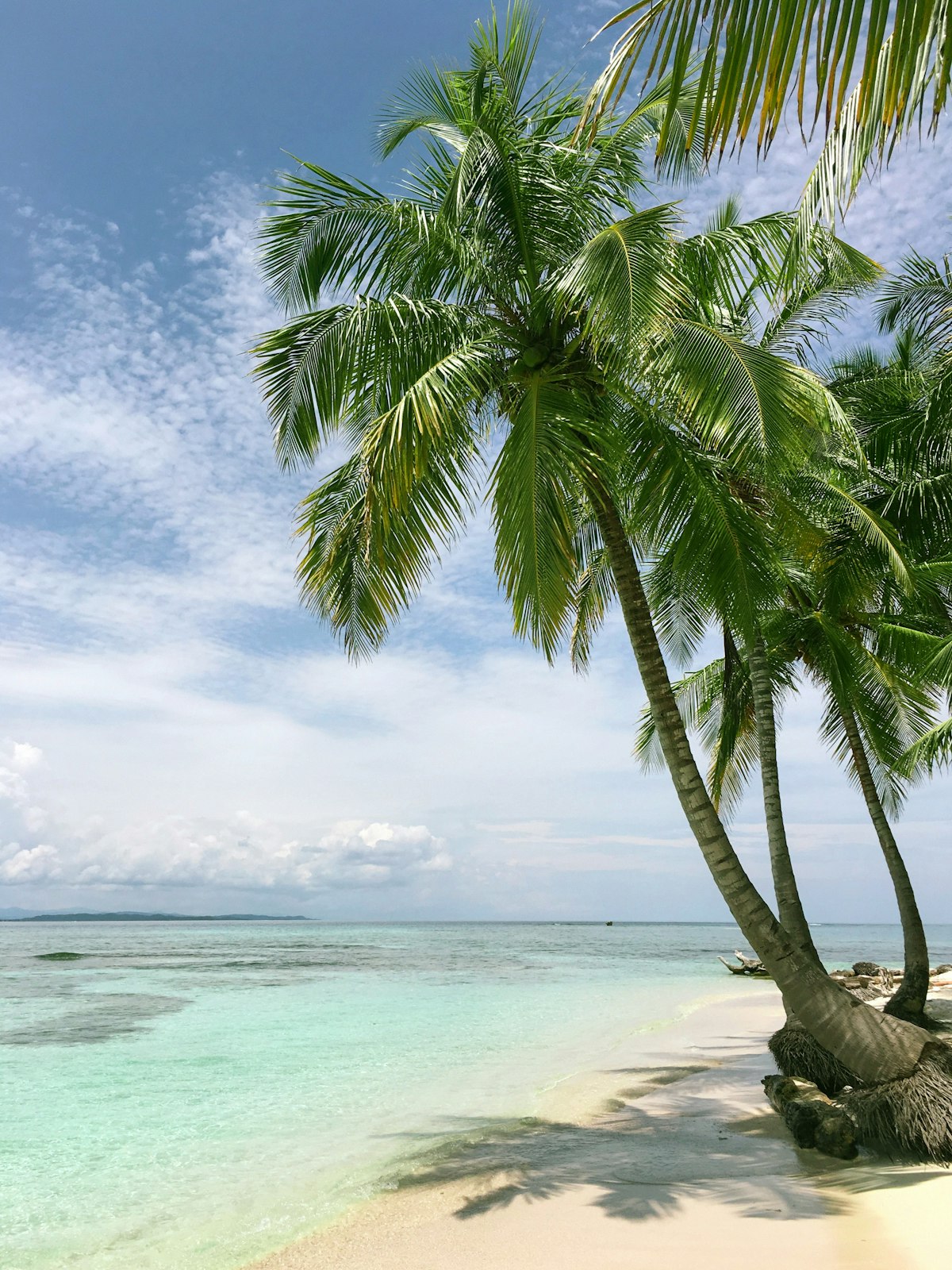
You are looking at the northeast coast of Sri Lanka, past Trincomalee, past Nilaveli, to where the guidebooks thin out and the map starts looking empty. Mullaitivu is a district most travellers pass through between Jaffna and the east coast without stopping. But those empty beaches and the weight of recent history make it one of the most unusual destinations in the country.
The honest answer is that Mullaitivu rewards curious travellers who come with patience and an open mind — a place where you can walk a completely empty beach in the morning and stand before war memorials from barely a decade and a half ago in the afternoon. But the accommodation options are limited to a handful of properties, and the gap between a well-run stay and a disappointing one is wider than anywhere else on the island.
The short answer
Go if you want something genuinely different — empty coastlines, rich birdlife in lagoon ecosystems protected since the 1950s, and the chance to engage with history that is still very much alive. But go with realistic expectations. There are two main accommodation options, and reviews swing dramatically between ecstatic and frustrated. Dining outside your hotel is limited, transport requires planning, and the town is a working regional centre, not a tourism hub. Arrive with curiosity, solitude, and reflection in mind — Mullaitivu will stay with you longer than anywhere else you visit in Sri Lanka.
What's worth doing
- Mullaitivu Beach — A wide golden stretch where local fishermen launch their boats. Guests describe having the sand almost entirely to themselves during their stay. Morning walks when the light hits the water and the boats head out are among the most peaceful experiences on the island. The section in front of the main resort is well-maintained; closer to the fishing harbour, boat debris accumulates.
- Nanthikadal Lagoon and Kokkilai Bird Sanctuary — One of Sri Lanka's most significant wetland habitats, protected since 1951. Seagrass beds, mangroves, and mudflats attract pelicans, flamingos, herons, storks, cormorants, and a wide range of migratory birds. Boat rides through the lagoon are possible through local operators or your accommodation. Go early morning or late afternoon for peak bird activity.
- Puthukkudiyiruppu Victory Monument and War Museum — Marks where the civil war reached its final chapter in 2009. The monument features a soldier holding the national flag flanked by four lions, with a pond of lilies. The museum displays weapons, vehicles, and LTTE equipment. Several guests described visiting these sites as profoundly moving. Nearby, the LTTE submarine yard sits abandoned — a half-built experimental submarine and semi-submersibles in what was once a covert naval workshop.
- Mullivaikkal Memorial — A lone white structure on the coast commemorating civilians who lost their lives in the final stages of the war. Visitors describe the atmosphere as intensely moving. Approach with respect and silence.
- Mullaitivu Fishing Harbour and Central Market — The morning fish auction and daily bustle at the harbour is the real Mullaitivu. The central market sells fresh produce, street snacks, and household goods — this is not a tourist market, and that is exactly its appeal.
- Nayaru Lagoon — A quieter alternative to Kokkilai, offering kayaking, birdwatching, and traditional Oru fishing experiences through mangroves and rich marine ecosystems. Sunrise paddles with glassy water and birds waking around you are unforgettable.
Getting around
Mullaitivu sits 110 kilometres south of Jaffna (about two hours by road) and 330 kilometres from Colombo (six to seven hours by bus, costing 8 to 12 USD). Buses run daily along the A9 through Vavuniya, turning east toward the coast. The bus drops you at Mullaitivu town, from which most accommodation is a few kilometres further.
A tuk-tuk from town to the beachside resorts costs about 2 to 3 USD. Guests have reported that some drivers change the price after agreeing — one guest negotiated a round trip for 600 LKR only to be told on arrival that was the one-way price. Always confirm pricing before getting in. A private car and driver for the day costs approximately 40 to 60 USD and is the most practical way to visit the war memorials, lagoon, and submarine yard in a single day. Several guests noted their hotel manager arranged transport at reasonable rates. The roads are flat and quiet, making this a good area for cyclists — several bikepackers have stayed and praised the cycling conditions.
The town is walkable, but attractions are spread across 20 to 30 kilometres of coastline. Arrange transport before you arrive or rely on your accommodation to connect you with local drivers.
What to budget
Mullaitivu is cheaper than the south coast for accommodation, but limited dining and the need for transport push costs up:
- Accommodation: 20 to 60 USD per night. A beachfront resort with bungalows, pool, and restaurant runs 40 to 60 USD. A self-contained three-bedroom house with kitchen and washing machine is 20 to 35 USD. Nothing fills the gap between these two.
- Meals: 8 to 15 USD per day. Breakfast is typically included at the resort. The resort restaurant serves Sri Lankan and international dishes with guests praising the curries, fresh fish, and juices at reasonable prices. Dinner runs about 5 to 8 USD per person. If you stay at the self-catering house, cooking from market ingredients saves significantly.
- Transport: 5 to 10 USD for daily tuk-tuk use. Full-day private car: 40 to 60 USD.
- Activities: 0 to 15 USD. Beach is free. Boat rides on the lagoons cost about 10 to 15 USD. War memorials have minimal entry fees. Kayaking at Nayaru Lagoon runs 10 to 15 USD per hour.
- Total daily budget: Budget travellers at the self-catering house can manage 35 to 45 USD per day. Mid-range travellers at the resort with a private driver should budget 70 to 100 USD per day. Transport is the biggest variable.
WATCH OUT FOR
Accommodation quality is deeply inconsistent. Reviews for both main properties swing from outstanding to terrible with very little in between. At the beachfront resort, guests describe beautiful rooms and attentive staff alongside broken light switches that sparked dangerously, unclean pool water, pricing disputes where final bills far exceeded booking confirmations, and maintenance issues from worn mattresses to leaking boilers. The experience depends heavily on which room you get and whether you visit during high season. At the self-catering house, most guests have a wonderful stay, but a few report dirty arrival conditions, missing towels and bed linen, and poor communication between owner and on-site manager.
Dining outside your accommodation is extremely limited. There are very few traveller-friendly restaurants in Mullaitivu town. If your accommodation does not serve dinner, alternatives are scarce. The self-catering option is a great workaround, but if you rely on restaurants, confirm full meal service before booking. Some guests noted the resort's dinner menu options were limited during off-season.
The beach quality varies. The stretch in front of the main resort is beautiful, clean, and private. Sections closer to the fishing harbour accumulate boat debris and plastic waste. If beach quality matters, confirm which stretch your accommodation faces.
Crows are a constant presence. Multiple guests mention the relentless crow noise around the fishing harbour and beachfront properties. One German guest wrote that if you do not like Hitchcock's The Birds, do not go to Mullaitivu. Earplugs at dawn are a good idea.
Limited cash and connectivity. ATMs are unreliable for international cards. Bring enough Sri Lankan rupees from Jaffna or Vavuniya for your entire stay. Mobile signal is patchy at some properties — download offline maps and arrange transport before arrival.
The isolation is real. No nightlife, no bars, no cafe scene. One guest described it as a "total hideaway" and "pure solitude." If you want peace, that is the point. If you need evening entertainment or restaurant variety, this is not the place. Several guests said they would have stayed longer if the isolation had not become overwhelming after a few days.
GOOD TO KNOW
The best time to visit is February to September when the northeast coast is dry. The northeast monsoon from October to January brings rain and rough seas. April through June are the hottest months, with daytime temperatures reaching 32 to 35°C — plan activities for early morning and late afternoon.
Mullaitivu's history is recent and raw. The final stage of the civil war played out along these coasts in 2009. The memorials and abandoned submarine yard are not distant artefacts — they are part of living memory. Approach with respect, dress modestly, and do not photograph military personnel or sensitive areas. Not everyone wants to discuss the war.
The resident manager at the beachfront resort, named Don Lal by several guests, is repeatedly described as the difference between a good stay and a great one — he arranged transport, drove a guest to the barber, and helped organise onward travel. Introduce yourself to him early.
Mullaitivu works well as a stop between Jaffna and Trincomalee — two hours from Jaffna, three hours from Trincomalee. Two nights is enough to take in the atmosphere, visit the memorials, and explore the lagoon. The resort's chef is consistently praised for reasonably priced, high-quality Sri Lankan and international dishes. The self-catering house has a well-equipped kitchen ideal for families or long stays.
WHERE TO STAY
- Alai Resort — The only beachfront resort in Mullaitivu with a pool, private beach, restaurant, and spacious cottages. Guests consistently praise the staff, with one calling it "a quality hotel offering some luxury" and commending the chef for "reasonably priced good quality tasty food." Manager Don Lal is repeatedly mentioned as warm, attentive, and genuinely helpful. The private beach is clean, quiet, and almost always empty. The downsides include inconsistent maintenance and occasional pricing disputes — book directly and confirm the total in writing.
- Sunset Chalet — A self-contained three-bedroom house with full kitchen, washing machine, air conditioning, and secure gated compound. Ideal for travellers who want independence. Guests describe it as spacious and well-equipped — one family praised the value, and several bikepackers noted the washing machine and secure parking were lifesavers. Management is responsive via WhatsApp. Lower-scoring reviews mention occasional cleanliness issues and communication gaps between owner and on-site manager.
- Wild Nayaru Lagoon eco-accommodation — A newer remote option focused on eco-tourism and nature. Offers kayaking, birdwatching, and traditional fishing. Best for travellers who want to immerse in the lagoon ecosystem rather than the beach. Basic but comfortable, guided by local hosts.
The bottom line
Mullaitivu is not an easy destination. It demands planning, patience, and a willingness to embrace isolation. The accommodation is limited, the quality swings wildly, and there is no fallback if your first choice disappoints. But for the traveller who arrives prepared — with enough cash, realistic expectations, and a genuine curiosity about a corner of Sri Lanka most visitors skip — Mullaitivu offers something increasingly rare: an empty coast, a history worth sitting with, and a quiet beauty that lingers long after you leave. Go with your accommodation confirmed, pack earplugs for the crows, and arrive ready to slow down.
Have a specific question about your Sri Lanka trip?
Ask BYC at byc.lk — free, honest, no upsell. Ever.
Ask BYC Your Question →