Why travellers keep coming back to Badulla - what the reviews actually say
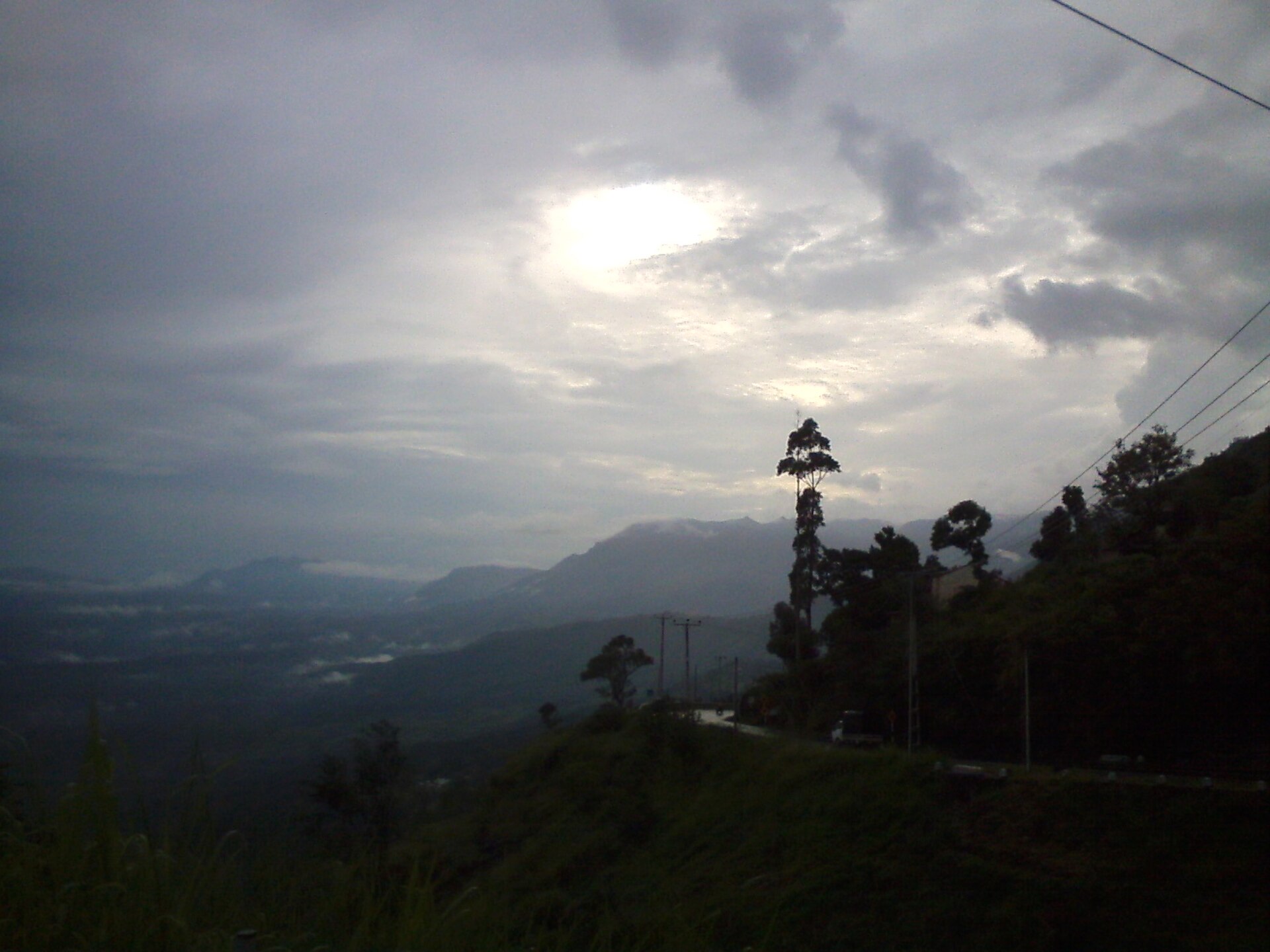
Badulla sits at the foot of the central highlands, the capital of Uva Province, and the final stop on Sri Lanka's most scenic railway line. It is the town that travellers pass through on their way to somewhere else - the bus depot after Ella, the train change on the way to the east coast, the place you sleep before the early morning hike to Namunukula. It is overlooked, underrated, and for the travellers who do stop, genuinely surprising.
This is not a destination that markets itself. Badulla has no famous beach, no Instagram-famous infinity pool, no backpacker party strip. What it has is a waterfall that plunges through a rainbow mist, an ancient Buddhist temple that predates the arrival of the Portuguese, a wooden bridge that has carried foot traffic for four centuries, and a pace of life that moves at the rhythm of the tea pluckers' morning shift. Here is what the reviews reveal about Sri Lanka's most overlooked hill country town.
The short answer
Badulla is worth at least one night, and ideally two, if you are travelling through Sri Lanka's hill country. The town sits less than an hour from Ella by train, tucked into a valley where three rivers converge and the surrounding mountains rise to two thousand metres. It offers a quieter, more authentic alternative to the Ella scene, with waterfalls you can actually swim in, a working market town where tourism is a side note rather than the main event, and a collection of guesthouses that offer genuine Sri Lankan hospitality at prices that are noticeably lower than the popular tourist stops.
But Badulla is not a polished tourist destination. It is a real Sri Lankan regional capital - busy, dusty in the dry season, and without the boutique coffee shops and curated experiences that travellers have come to expect from Ella or Kandy. The travellers who love it are the ones who come looking for the real thing, not a curated version of it.
What's worth doing
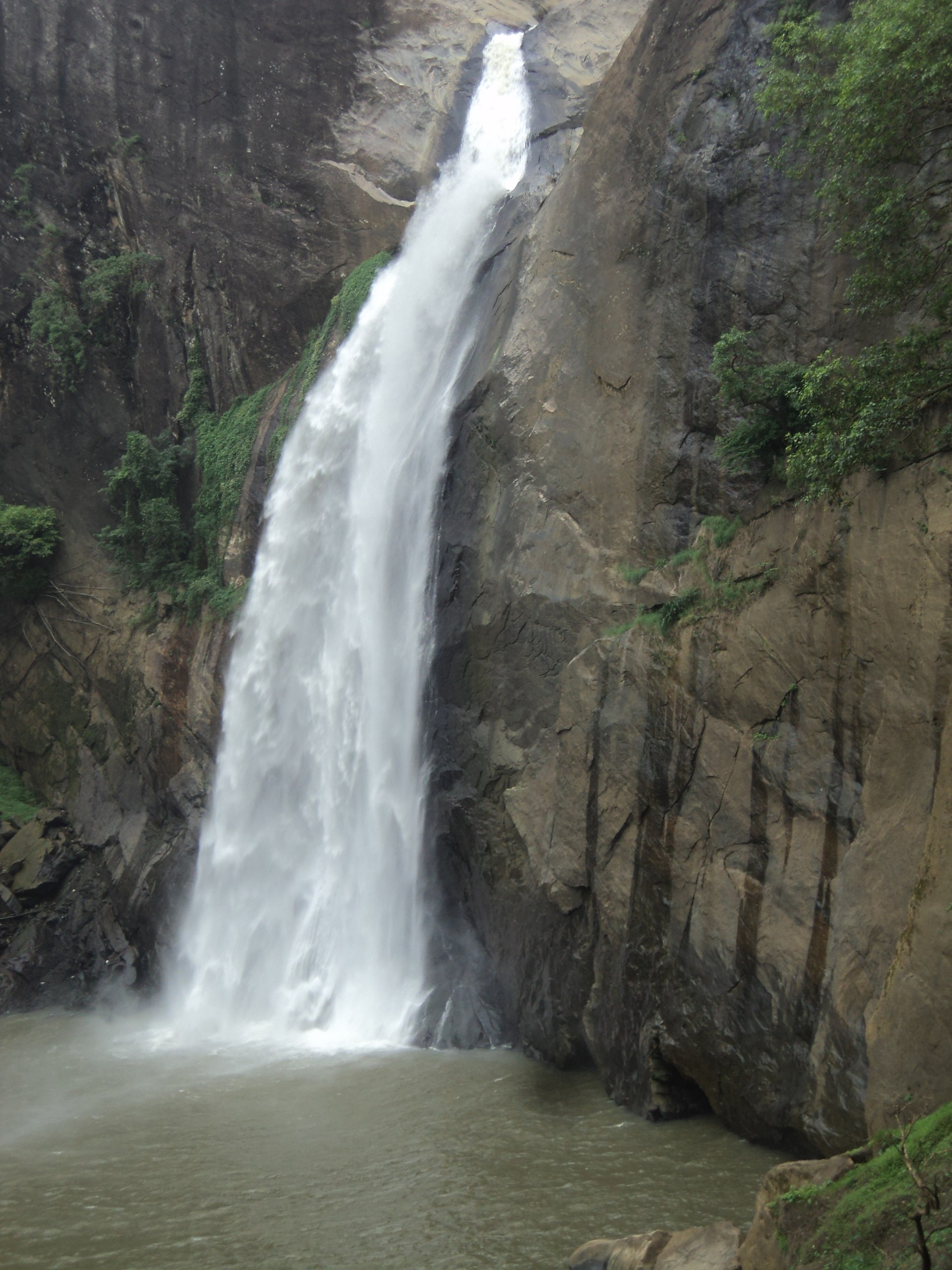
- Dunhinda Falls - The crown jewel of Badulla, a 64-metre waterfall that plunges into a deep pool surrounded by dense tropical vegetation. The walk from the car park to the viewpoint is a twenty-minute path through the forest, with stairs and a suspension bridge that crosses the ravine below the falls. The best time to visit is during and just after the rainy season (October to January), when the water flow is at its most powerful and the spray creates rainbows that arch across the full width of the gorge. Entry is 500 LKR for foreign visitors (about $1.50). The pool at the base is not accessible for swimming - the currents are too strong - but the viewpoint is spectacular and the walk itself is a highlight. The suspension bridge gives you a view from directly opposite the falls, and the mist in the morning light is the kind of moment that makes detours worthwhile.
- Muthiyangana Raja Maha Viharaya - One of the oldest Buddhist temples in Sri Lanka, with a history that local tradition traces back to a visit by the Buddha himself. The current temple dates to the Kandyan period, with a striking white stupa that rises above the surrounding town. The temple complex includes a modern meditation centre and a museum with a collection of ancient artefacts. The evening chanting ceremony, starting around 6 PM, draws the local community and creates an atmosphere that is genuinely moving. Modest dress is required - shoulders and knees covered - and shoes must be removed before entering the temple grounds.
- Bogoda Wooden Bridge - A covered wooden bridge built in the 16th century during the Kandyan Kingdom, believed to be the oldest surviving wooden bridge in Sri Lanka. The bridge spans the Gallanda Oya river, constructed entirely from wooden planks and beams without a single metal nail. The roof and side walls that protect it from the elements give it the appearance of a long wooden tunnel crossing the stream. It sits sixteen kilometres from Badulla town, a forty-minute tuk-tuk ride through tea country. The surrounding area has a small Kandyan-era temple and the remains of an ancient rest house. The bridge is free to visit and rarely has any other tourists - you will likely have it to yourself.
- Namunukula Peak - A mountain that rises to 2,036 metres above sea level, forming the eastern rampart of the central highlands. The trek to the summit takes three to four hours from the trailhead, through tea plantations and montane forest with views that open up across the Uva Valley and all the way to the east coast on a clear day. The trail is manageable for anyone with moderate fitness and does not require a guide, though hiring a local guide ($15-20) adds context to the landscape and supports the local community. Start before 6 AM to reach the summit before the clouds roll in - the mist typically lifts by mid-morning in the dry season and the best light is when the sun first hits the valley below.
- Badulu Oya River Walk - The river that runs through the centre of Badulla is the spine of the town. A walk along the riverbank in the early morning reveals a different Badulla - women washing clothes on the rocks, children splashing in the shallows, tea shops setting up for the day. The stretch between the clock tower and the railway station is the most accessible and most interesting. It is not a formal attraction, but it is the kind of experience that travellers who take the time for it describe as the most memorable part of their stop in Badulla.
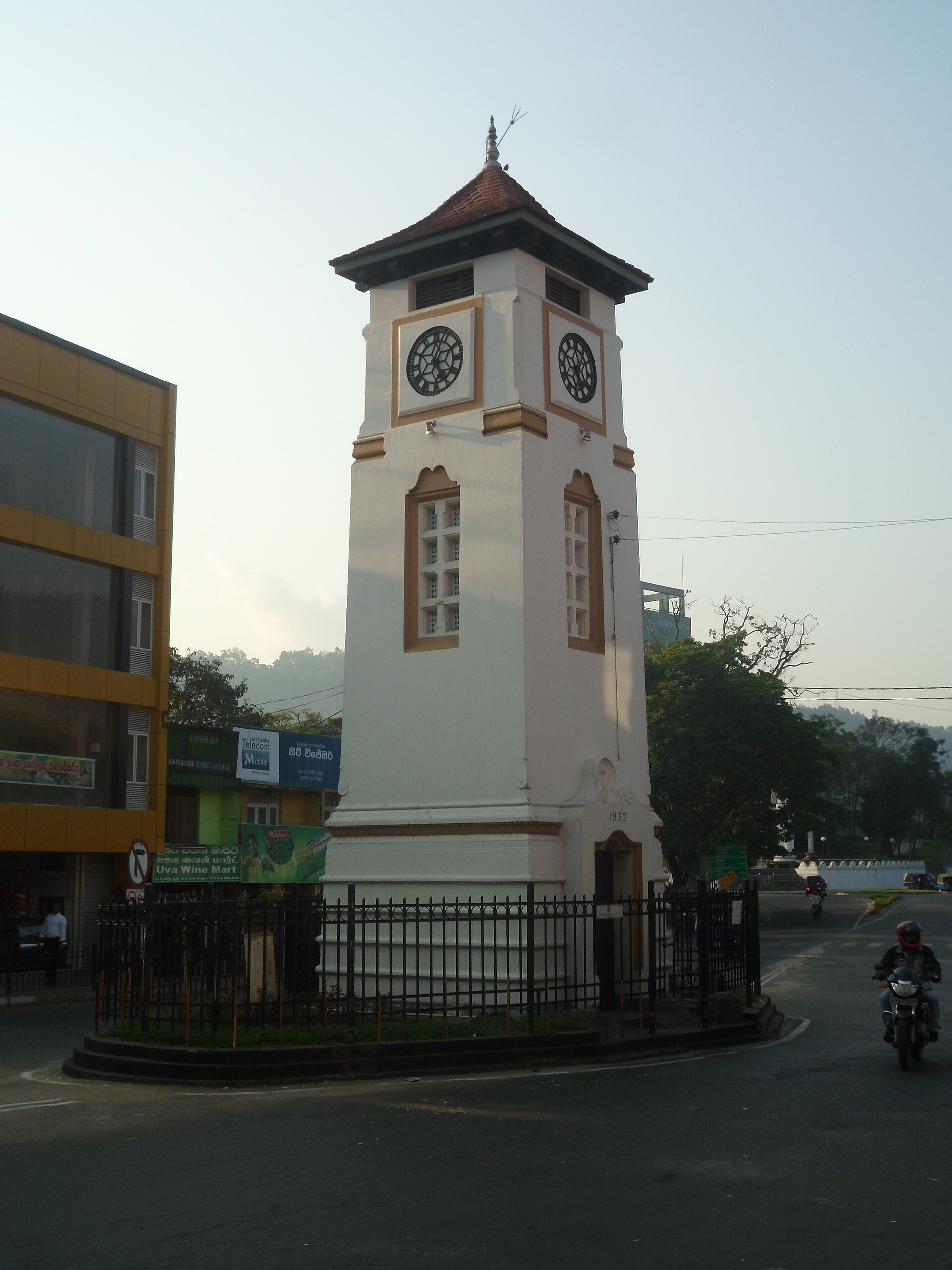
- Badulla Clock Tower - The town's most recognisable landmark, a British-era clock tower that stands at the junction of the main roads through the centre. Built in the early 20th century, it marks the heart of the city and the meeting point for tuk-tuks and buses. It is not a destination in itself, but it is the reference point for everything in Badulla - the market, the train station, the main bus stand, and the start of the road to Dunhinda Falls.
- The Market - Badulla's central market is one of the most authentic produce markets in Sri Lanka's hill country. The fruit and vegetable section is where the surrounding tea country sends its harvest - the pineapples are the sweetest in the province, the mangoes arrive from the eastern plains, and the hill country vegetables are fresher and cheaper than anything in the tourist-oriented supermarkets of Nuwara Eliya and Ella. The spice stalls sell cinnamon, cardamom, cloves, and pepper directly from the growers. The market is at its best between 7 AM and 10 AM, when the morning deliveries arrive and the trading is at its most active.
Getting around
Badulla is compact enough to explore on foot if you are staying in the town centre. The main attractions - the clock tower, the temple, the market, and the river walk - are all within a twenty-minute walk of each other. For Dunhinda Falls (six kilometres from town), Bogoda Bridge (sixteen kilometres), and Namunukula (fifteen kilometres), you need wheels.
Tuk-tuks are the primary mode of transport. A trip to Dunhinda Falls costs $3-5 including waiting time at the waterfall. Bogoda Bridge is a longer trip at $8-12 for a round trip with waiting time. Namunukula trailhead is $5-8 each way. Negotiate the price before you start and confirm it includes the wait time if you plan to spend hours at the destination. Drivers in Badulla are generally honest and reasonable with pricing, but the usual advice applies - agree on the fare before the journey starts.
The train is the best way to arrive in Badulla and the best way to leave. The journey from Ella takes about forty-five minutes on the scenic Badulla line, passing through tunnels and over bridges with views that rival anything on the more famous Kandy-Ella section. The train from Kandy to Badulla takes about six hours and is one of the most beautiful railway journeys in the world. Second-class reserved seats cost $3-5. First-class observation cars fill up weeks in advance during peak season - book through 12Go or the Sri Lanka Railways website if you want the panoramic windows.
The bus network is extensive but chaotic. Buses from Badulla run to Colombo ($7-8, 7-8 hours), Kandy ($4-5, 4-5 hours), Ella ($1-2, 45 minutes), and all major towns in the eastern province. The Badulla main bus stand is next to the railway station, making transfers between train and bus straightforward. The night buses to Colombo are popular with locals but travellers should be prepared for a cramped and bumpy ride on winding hill roads.
What to budget
Badulla is one of the cheapest destinations in Sri Lanka for accommodation and meals. The lack of mass tourism means prices have not inflated to match the expectations of a tourist economy.
- Budget traveller: $20-30/day. Dorm beds or basic private rooms $8-15, local rice-and-curry lunches $2-4 from the market eateries, dinner at a guesthouse $4-6, tuk-tuk trips $5-10 total for a full day of exploring, and free or near-free attractions (most temples, river walk, market).
- Mid-range traveller: $40-60/day. Comfortable private rooms with hot water $20-30, restaurant meals $8-12, a private tuk-tuk for the day $15-20 to cover Dunhinda, Bogoda, and the surrounding area, and paid attractions that cost less than $5 total.
- Luxury traveller: $80-120/day. The best rooms in Badulla's boutique properties $40-60, private taxi for day trips $25-35, meals at the best restaurants $12-18, and a guide for the Namunukula trek $15-20.
The main saving compared to Ella or Nuwara Eliya is accommodation. A room that costs $40 in Badulla would be $70-90 in Ella for equivalent quality. The food is also noticeably cheaper - the market meals and local restaurants serve food that is as good as anything in the tourist strip for half the price. The lack of alcohol in some guesthouses (Badulla has many dry-area establishments influenced by local Buddhist culture) can also reduce your spending if you drink, since there are fewer temptations and bar tabs than in the beach towns.
WATCH OUT FOR
Badulla is not a resort town. This is the most common disconnect in traveller feedback about Badulla. Travellers who arrive expecting an Ella-style tourist infrastructure - boutique cafes, curated hiking trails, a main street full of restaurants with English menus - are disappointed by what they find. Badulla is a functioning regional capital with working-class shops, busy streets, and a pace of life dictated by agriculture and commerce, not tourism. The charm of the town is its authenticity, but that authenticity comes with noise, dust, and the occasional stared-at feeling when you sit down in a local restaurant. If you want a polished tourist experience, stay in Ella. If you want the real Sri Lanka, stay in Badulla. Knowing the difference is everything.
Dunhinda Falls has strong currents. The pool at the base of the waterfall looks inviting, especially on a hot day after the walk through the forest. It is not safe for swimming. The currents are powerful and unpredictable, especially during and after the rainy season. Local authorities have posted warning signs, and the tragic stories that the guides tell are not exaggerated. Enjoy the view from the designated viewpoints, take photos from the suspension bridge, and do not attempt to climb down to the water. The waterfall is spectacular from a safe distance.
Accommodation quality is inconsistent. Badulla's hotel scene is dominated by domestic-tourism properties that operate to a different standard than the international-tourism hotels of Ella and Kandy. The most common complaints in traveller feedback involve rooms that are described as basic rather than charming, bathrooms that lack consistent hot water, and service that is friendly but not professional in the way travellers are used to from the tourist trail. Properties that market themselves as having mountain views sometimes have views of neighbouring buildings with mountains in the distance. Manage your expectations and check recent guest photos before booking.
The weather is unpredictable. Badulla sits in a valley at 680 metres above sea level, surrounded by higher peaks that create their own microclimate. Rain can arrive without warning at any time of year, and the mist that rolls in from the surrounding mountains reduces visibility and makes the roads slippery. The best months for clear weather are January to April, but even then a sudden afternoon shower is possible. Pack a rain jacket and plan flexible itineraries that are not ruined by an hour of rain.
Limited nightlife and dining options. Badulla is quiet after dark. The restaurants close early, the streets empty by 9 PM, and there is no bar or club scene. Travellers accustomed to the evening energy of Ella's main strip or the beachfront restaurants of the south coast find Badulla's night-time quiet challenging. The best way to handle it is to plan for early dinners, bring a book, and embrace the early-to-bed, early-to-rise rhythm that makes the morning hikes and the dawn market visits so rewarding.
Internet connectivity can be patchy. The valley location means mobile coverage varies significantly depending on your exact location in town and which provider you are using. Dialog has the best coverage in Badulla, but even then, there are dead spots in the valleys and along the road to Dunhinda. Guesthouse WiFi is generally sufficient for messaging and basic browsing but struggles with streaming or video calls. Download your maps and content before you arrive.
GOOD TO KNOW
January to April offers the best weather for exploring Badulla and the surrounding area. The skies are clearest, the temperatures are at their most comfortable (22-28°C during the day, cooling to 16-20°C at night), and the waterfalls are flowing with the tail-end of the northeast monsoon rains. October to December sees the heaviest rainfall, which means the waterfalls are at their most spectacular but hiking conditions are less reliable. May to September is the dry season - good for trekking but the waterfalls are reduced to a trickle by August.
The train journey from Ella to Badulla is one of the most underrated railway experiences in Sri Lanka. The forty-five-minute ride costs less than a dollar in second class and passes through tunnels carved into the mountainside, across bridges that span deep ravines, and past tea plantations that climb the slopes to the cloud line. The best views are on the left side of the train heading from Ella to Badulla (the right side heading from Badulla to Ella). The morning trains, especially the 6:45 AM from Ella, have the best light.
Badulla is an excellent base for exploring the wider Uva Province. Demodara Loop, the famous spiral railway loop, is a twenty-minute journey north. The Nine Arch Bridge in Ella is an hour away by train. The tea factories of Haputale and the Lipton's Seat viewpoint are two hours south by bus. The town's central location in the hill country makes it a practical hub for day trips to multiple destinations, with accommodation prices that are significantly lower than the more popular tourist towns.
The local food is a highlight that rewards adventurous eaters. The market serves fresh hoppers for breakfast, the street stalls sell spiced vadai in the afternoons, and the small restaurants around the bus stand serve authentic Uva Province curries that are heavier on coconut and chilli than their Kandy counterparts. The local variant of kottu roti, made with a thicker, chewier roti than the Colombo version, is a dish that guests at several Badulla guesthouses describe as a must-try. Wash it down with a cup of strong Sri Lankan tea from one of the surrounding estates - it is cheaper and fresher here than anywhere on the tourist trail.
WHERE TO STAY
- Grand Udawalawe Resort Badulla - The most comfortable option in the town centre, with clean, modern rooms that are a step above the typical Badulla guesthouse. Guests consistently mention the quality of the Sri Lankan breakfast - string hoppers, coconut sambol, dhal, and fresh fruit served on the terrace with views of the surrounding hills.
- Hill Paradise Guest Inn - A family-run property on the road to Dunhinda Falls, surrounded by tea plantations and fruit trees. The hosts are described in review after review as the warmest in Badulla - guests mention being offered fresh mangoes from the garden, help with organising tuk-tuks, and genuine invitations to join the family for dinner.
- Lotus Villa Badulla - A small villa set back from the main road with a garden that guests describe as a peaceful sanctuary in the middle of the town. The rooms are simple but spotless, the Wi-Fi is more reliable than most properties in the area, and the owner's knowledge of local hiking trails is a resource that solo travellers regularly mention as the highlight of their stay.
- Badulla City Hotel - The most centrally located option, directly opposite the clock tower and a two-minute walk from the bus stand and railway station. Guests praise the convenience for transit travellers - the hotel allows late check-out for afternoon train departures and offers secure luggage storage for day hikes.
- River View Resort Badulla - A property set along the Badulu Oya with rooms that look out over the river and the hills beyond. The balcony rooms earn the highest marks from guests, who describe the sound of the river at night and the view of mist rising from the valley in the morning as experiences that make the stop in Badulla worthwhile.
The bottom line
Badulla is not for travellers who want a checklist of curated experiences. It is for the curious - the travellers who sense that the real Sri Lanka is found in the places that the guidebooks mention briefly and move on from. The waterfalls, the temple, the wooden bridge, and the mountain views are worth the detour. But the thing that stays with you is the welcome: the guesthouse owner who insists you stay for dinner, the tuk-tuk driver who waits while you take your time at the waterfall, the market vendor who gives you a mango as a gift. Badulla is a town that rewards those who stay, and the travellers who do keep coming back.
Have a specific question about your Sri Lanka trip?
Ask BYC at byc.lk — free, honest, no upsell. Ever.
Ask BYC Your Question →