Why travellers keep coming back to Colombo — what the reviews actually say
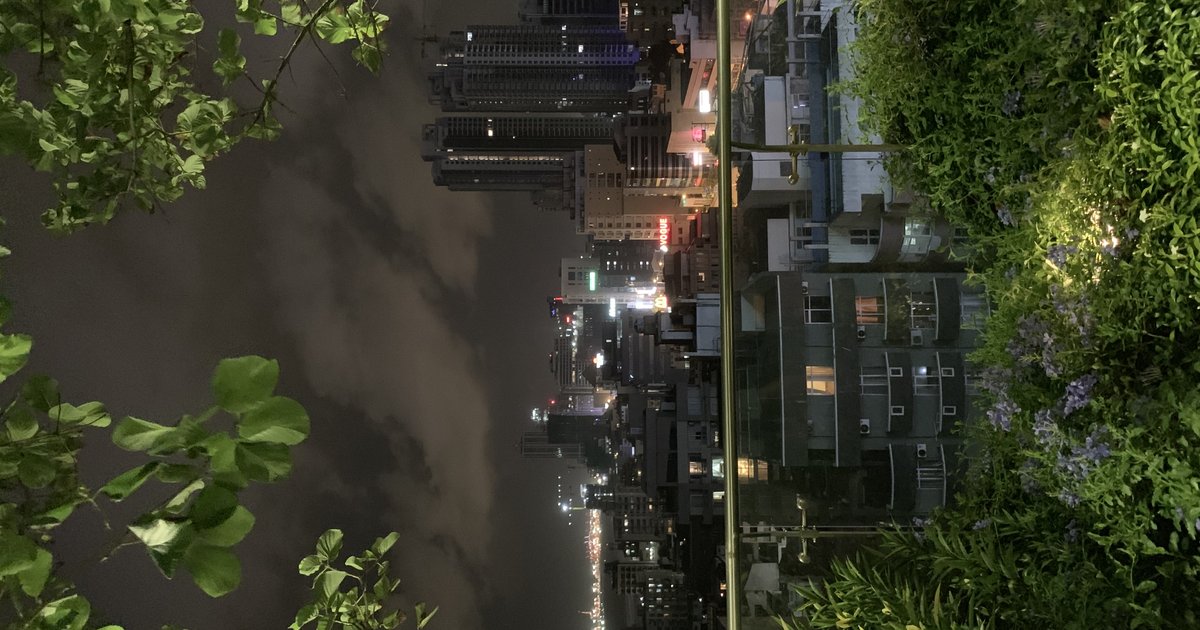
Every traveller arrives in Colombo. Not everyone returns. The ones who do — the ones who linger an extra day or book a stopover on the way back — they tend to have the same story. They figured out the rhythm. They found the neighbourhood that clicked. They learned that the city most people rush through is actually the one worth investing in.
With nearly 29,000 guest reviews on record, the evidence is clear: Colombo delivers for travellers who come prepared. The secret is not finding a hidden gem — it is understanding how the city actually works. Once you do, Colombo stops being a transit hub and starts being one of the most genuinely rewarding cities in South Asia.
The short answer
Colombo deserves more than a single night between flights. The travellers who return to Sri Lanka's capital do so because they discovered a city with exceptional food, genuinely world-class hotels, coastal walks that rival any beach promenade, and a creative scene — galleries, pop-ups, independent cafes — that barely existed five years ago. The trick is simple: pick the right neighbourhood, stay long enough to settle in, and accept that Colombo is a real city with traffic and chaos rather than fighting it. Give it three nights instead of one, and you will understand exactly why some people never stop coming back.
What's worth doing
- Galle Face Green at sunset with isso wade. The quintessential Colombo experience. The five-hundred-metre oceanfront promenade transforms at dusk — families flying kites, vendors selling spicy isso wade patties, the sky opening up over the Indian Ocean. Multiple returning travellers specifically mention this as the moment Colombo won them over. Grab the fried lentil snack with boiled egg from one of the vendors near the southern end, find a spot on the grass, and watch the city breathe.
- The museum circuit — National Museum and Gangaramaya. Two completely different experiences within walking distance of each other. The National Museum is a grand colonial hall holding the Kandyan throne, ancient sculptures, and an extensive demon mask collection. Gangaramaya Temple is a Buddhist complex that mixes Sri Lankan, Thai, Indian, and Chinese architecture in a way that should not work but absolutely does. The museum inside holds an eccentric collection ranging from antique cars to elephant skeletons. Allow two hours for both.
- Pettah Market in the early morning. Colombo's bazaar district is pure sensory overload — narrow streets stacked with spices, textiles, electronics, and fresh produce. The energy peaks between 7:00 and 9:00 AM when vendors are setting up and the morning light cuts through the overhead wires. Go with a local if you can, keep your belongings close, and haggle with good humour rather than aggression. The seafood section near the northern edge is something you will not forget.
- Barefoot Gallery and the cafe crawl. The Barefoot complex on Galle Road anchors Colombo's creative quarter — a courtyard cafe, boutique selling handloom textiles, and an art gallery showcasing contemporary Sri Lankan work. From there, the neighbourhood around Colombo 3 and 4 is walkable and packed with independent cafes — The Commons, Kaema Sutra, and the Ministry of Crab in the Dutch Hospital Precinct. Several returning travellers mention this area specifically as the reason they extended their stay.
- Lotus Tower at sunset. The observation deck at South Asia's tallest structure costs 0 but offers a perspective that changes how you see the city. The sprawl of Colombo unfolds below — the coast curving south, the lake district glittering gold, the high-rises of the financial district punching through the haze. Time it so you arrive twenty minutes before sunset and watch the city lights switch on.
- Viharamahadevi Park and Independence Square. Two green spaces connected by a pleasant ten-minute walk. The park is Colombo's lung — flowering frangipani, a golden Buddha statue, families on weekend picnics. Independence Square is more architectural, with the memorial hall modelled on the ancient audience halls of Kandy and Anuradhapura. Locals jog the perimeter in the morning. A good way to reset between heavy sightseeing days.
Getting around
Colombo traffic is real and unavoidable. The travellers who return to the city have learned to work with it rather than against it. The key insight is neighbourhood clustering — group your activities into one area per day instead of crisscrossing the city.
PickMe is the single most important app on your phone in Colombo. It works like Uber for both tuk-tuks and taxis, shows the fare upfront, and eliminates the negotiation that generates so many negative first impressions. Short rides within the city centre cost to in a tuk-tuk. A taxi is roughly double but includes air conditioning. Returning travellers consistently recommend using PickMe exclusively rather than flagging down tuk-tuks on the street.
Walking is genuinely pleasant in three areas: the Galle Face-Galle Road strip, the Pettah-Fort precinct in the early morning, and the neighbourhood streets of Colombo 3 and 4 around the Barefoot complex. Everywhere else, the combination of heat, humidity, broken pavements, and aggressive traffic makes it an endurance test. Keep walks under fifteen minutes.
The train is a great way to arrive or leave — the coastal line south to Galle and Bentota, the main line east to Kandy — but not useful for getting around the city itself. Colombo Fort Station is the main hub. For airport transfers, a pre-booked taxi costs 5 to 5 depending on your hotel location. The airport express bus is and runs to Colombo Fort, but with luggage in the heat it is not ideal.
What to budget
Colombo is the most expensive city in Sri Lanka, but the travellers who return consistently report that the extra spend is worth it when allocated correctly.
- Accommodation: 0 to 0 per night for a genuinely good mid-range room in a well-reviewed property. Budget options under 0 exist but the jump from 5 to 0 is the biggest quality leap in the city — better beds, better soundproofing, better breakfast. Luxury hotels run 20 to 50 but represent exceptional value compared to equivalent properties in Bangkok or Singapore.
- Meals: Breakfast is typically included at mid-range and above. Street food at Galle Face — isso wade, kottu, fresh fruit — costs to per portion. Local rice and curry restaurants serve excellent lunches for to . Dinner at a good independent restaurant runs 0 to 8 including a drink. The Ministry of Crab and other fine dining spots run 0 to 0 per person. The returning traveller strategy: street food for lunch, a proper restaurant for dinner.
- Activities: National Museum entry is . Gangaramaya Temple is free with donations welcome. Lotus Tower observation deck is 0 — the most expensive single attraction. Pettah Market, Galle Face, Viharamahadevi Park, and Independence Square are all free. A day of sightseeing with one paid attraction runs to 0 per person.
- Transport: PickMe tuk-tuks to per ride. Taxis to . A full day hopping between neighbourhoods costs to 5. Airport transfer 5 to 5. The returning traveller insight: book airport transfer through your hotel for a known and fixed price.
- Total daily budget per person: Budget 5 to 0, mid-range 0 to 00, luxury 00-plus. The alcohol tax is real — a beer that costs .50 at a shop is to at a hotel bar, and a rooftop cocktail runs 0 to 5. If you drink, factor it in.
WATCH OUT FOR
Traffic will test your patience. The single most consistent friction in Colombo reviews. A journey that looks like fifteen minutes on a map can stretch to forty-five minutes in the middle of the day. The returning travellers solve this by staying in neighbourhoods where they can walk to restaurants and one or two attractions, then using PickMe only for destination-specific trips. Accept the traffic as a fact rather than fighting it, and cluster your day around one area.
Hotel photos can be aspirational. Several properties in Colombo use listing photography that is significantly more flattering than reality. The gap is most common in older buildings that have been remodelled — the photos show fresh paint and designer furniture, the room delivers scuffed walls and a mattress past its prime. Read recent reviews and look for comments about cleanliness and maintenance rather than just location.
Dynamic Currency Conversion (DCC) at card terminals. A recurring complaint from international visitors. When paying by card, the terminal may offer to convert the charge to your home currency at an unfavourable rate. Always decline DCC and choose to be charged in Sri Lankan rupees instead. The difference adds up over a multi-night stay.
Check-in bottlenecks at busy properties. Multiple reviews mention long waits at check-in, particularly at hotels that handle large groups. The pattern is specific enough to note: if you are arriving late in the evening after a long flight, confirm in advance that there is someone to receive you and that the room will be ready.
Construction noise is a periodic issue. Colombo is building — new hotels, offices, and residential towers are going up across the city. Several well-located properties have construction sites next door or even on their own premises. The travellers who returned happily checked recent reviews from the past three months before booking. A property that had perfect quiet last year may have drilling starting at 8:00 AM this month.
Rooftop pools get busy at sunset. Not exactly a problem, but worth knowing. The best rooftop pools in Colombo — the infinity edge at Marino Beach, the rooftop bar at Granbell, the pool at Jetwing Colombo Seven — draw both guests and outside visitors during sunset. If you want a quiet swim, go in the morning.
GOOD TO KNOW
February to April is the sweet spot for weather. The northeast monsoon has receded, the humidity drops to its most manageable levels, and the city is at its most pleasant for walking. December to March also overlaps with Colombo's cultural calendar — art exhibitions, food festivals, and the Colombo Art Biennale.
Getting a SIM at the airport is essential. Dialog and Mobitel booths in the arrivals hall offer tourist packages starting at to 0 for 10 to 20 GB valid for thirty days. Do not rely on hotel WiFi alone — you need mobile data for PickMe, Google Maps, and restaurant research. The travellers who return all agree on this one.
The food scene is genuinely world-class. Multiple returning travellers cite Colombo's restaurant scene as the main reason they came back. The Ministry of Crab at the Dutch Hospital Precinct is the headline name, but the independent restaurants in Colombo 3 and 4 — Kaema Sutra, The Commons, Nuga Gama at Cinnamon Grand — earn the kind of repeated praise that turns a one-night stopover into a three-night stay. Sri Lankan curry houses in Bambalapitiya serve the best rice and curry you will eat outside someone's home.
Neighbourhood matters more than hotel category. Galle Face and the Fort area give you history and ocean views but fewer dining options within walking distance. Colombo 3 (Kollupitiya) and Colombo 4 (Bambalapitiya) offer the best balance of restaurants, shops, and access to the coastal road. Mount Lavinia is quieter and cheaper but adds a thirty-minute commute to the city centre. Return visitors almost always stay in the same neighbourhood on their next trip — they found their groove and they stick to it.
The Dutch Hospital Precinct is perfect for an evening. A restored seventeenth-century building housing several of Colombo's best restaurants and bars. The courtyard fills up in the evenings with a mix of travellers and Colombo's professional class. Ministry of Crab is here, and so are several excellent bars. Go on a weekday evening when it is lively but not overwhelming.
Shopping beyond the markets. Paradise Road on Galle Road is the best homegrown design store — ceramics, textiles, books, and homeware that make thoughtful souvenirs. ODEL for clothing and local brands. The Barefoot shop for handloom fabrics and fair-trade crafts. Multiple returning travellers mention that their Colombo shopping bag was heavier than expected — the city punches above its weight in design and craft.
WHERE TO STAY
The travellers who return to Colombo tend to stick with the same properties year after year. Here is why:
- Marino Beach Colombo — The rooftop infinity pool is the most photographed feature in Colombo, but the real reason guests return is the breakfast. Multiple repeat visitors describe the buffet as the best in the city — the variety is astonishing and the quality holds across sweet, savoury, Sri Lankan, and continental stations. The sea-facing signature rooms with floor-to-ceiling windows seal the deal.
- Granbell Hotel Colombo — The rooftop with ocean and city views earns the obvious praise, but the bathrooms are what guests specifically remember. Rain showers, jacuzzi tubs, and high-end fixtures at a price point that feels like exceptional value. One returning guest described it as "the perfect reward after two weeks of backpacking."
- Jetwing Colombo Seven — The infinity pool and gym are excellent, but the reason guests come back is the service. Multiple reviews mention the staff remembering guests from previous stays — preferences, names, the little details that turn a hotel into a regular spot. The Ward Place location puts you in the middle of Colombo's best restaurant neighbourhood.
- Taprobane House — A newer boutique property in a converted building near Barefoot Gallery. The rooms are exceptionally large by Colombo standards, and the staff go beyond expectations — multiple guests describe situations where the team went out of their way to help with flight rebookings, medical needs, or simply remembering how you take your tea. The rooftop has pool views under partial construction but the service is fully polished.
- Cinnamon Life at City of Dreams — The newest luxury property in Colombo and a destination in itself. The scale is staggering — multiple restaurants, a full casino, event spaces, and rooms that feel more like apartments. Guests describe it as an experience rather than just a hotel, best suited to travellers who want everything under one roof.
For budget travellers, Drop Inn Hostels near Bambalapitiya earns near-universal praise for its social vibe, excellent food, and staff who help arrange onward travel. Multiple returning backpackers specifically mention the luggage storage service — leave your bag and explore Sri Lanka before returning to collect it before your flight.
The bottom line
Colombo does not reveal itself on a one-night stopover. It is a city that rewards curiosity — the traveller who walks the side streets of Pettah, who finds the cafe that nobody recommended, who stays an extra night because the energy on Galle Face at sunset is worth one more evening. The nearly 29,000 reviews make one thing clear: the travellers who loved Colombo did not stumble into it. They chose to engage with it, and the city responded. Give Colombo the time it deserves, and it will quietly become the part of your Sri Lanka trip you want to repeat.
Have a specific question about your Sri Lanka trip?
Ask BYC at byc.lk — free, honest, no upsell. Ever.
Ask BYC Your Question →