Why travellers keep coming back to Mannar - what the reviews actually say
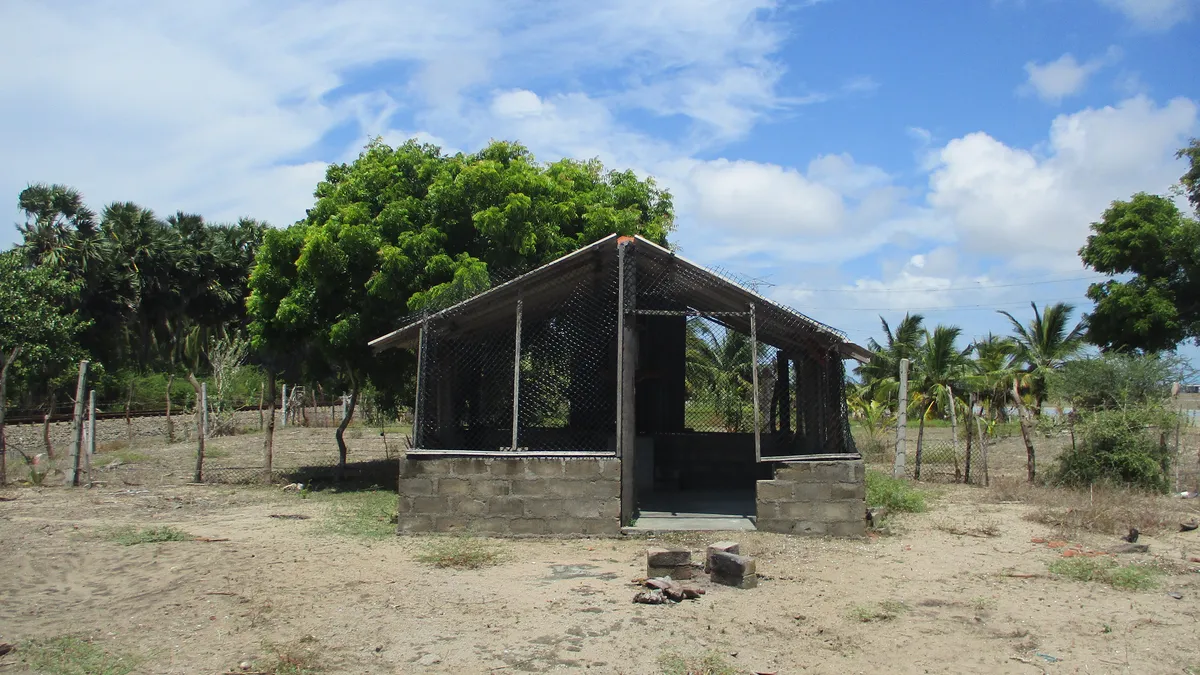
Most travellers in Sri Lanka never make it to Mannar. It sits off the northwest coast, connected to the mainland by a narrow causeway, and for decades it barely registered on the tourist map. The war kept people away. Then the road improved, the railway reopened, and the travellers who did make the trip started talking. Quietly at first, then with growing enthusiasm.
Mannar is not for everyone. It is hot, dusty, and dry - the landscape is flat scrubland punctuated by the occasional baobab tree that looks like it was transplanted from Madagascar. The beaches are not the powder-white swimming beaches of the south coast. The town is quiet, and the nightlife is nonexistent. But the travellers who come here - who step off the bus into a different Sri Lanka - tend to remember it long after they have left.
The short answer
Mannar rewards the traveller who is tired of well-worn paths. It is a place where the main attractions are a 700-year-old baobab tree brought from Africa by Arab traders, a Dutch fort that has stood for nearly four centuries, a bird sanctuary that hosts thousands of migratory flamingos, and the surreal sight of wild donkeys and horses roaming the coastal roads. The guesthouses are simple and family-run. The hospitality is personal in a way that chain hotels cannot replicate. And the experience of standing at the edge of Adam's Bridge - the chain of limestone shoals that once connected Sri Lanka to India - is the kind of thing that stays with you.
What's worth doing
- The Baobab Tree at Pallimunai - This is the postcard image of Mannar and the reason many travellers detour north. Standing 7.5 metres tall with a trunk circumference of 19.5 metres, the tree is estimated to be over 700 years old. It was planted by Arab traders who brought the seeds from Africa, and it remains one of the largest baobabs outside the continent. The setting is unexpected - the tree rises from a sandy patch near a small Catholic shrine, right on the coast at the northeastern tip of Mannar Island. There is no entry fee, no ticket booth, just the tree and the wind off the Gulf of Mannar. Travellers consistently describe the visit as a highlight, not for any activity but for the sheer improbability of being there.
- Mannar Dutch Fort - Originally built by the Portuguese in 1560 and extensively rebuilt by the Dutch in 1696, the fort sits at the southwestern edge of Mannar Island overlooking the strait. The interior structures are largely ruined, but the ramparts and bastions remain intact, and the views across the water are excellent. The fort is free to enter and generally empty of visitors - you may have the entire structure to yourself. The walk along the battlements, watching fishing boats pass through the channel, is something travellers describe as unexpectedly moving.
- Mannar Bird Sanctuary (Vankalai Lagoon) - Located about 15 minutes south of Mannar town, Vankalai Lagoon is one of Sri Lanka's most important migratory bird habitats. During the northern winter (November to March), the lagoon hosts thousands of birds including greater flamingos, pelicans, painted storks, and several species of herons and terns. The flamingos are the main draw - their pink against the grey-blue water and dry scrub is a genuinely striking sight. The best way to explore is to hire a tuk-tuk from Mannar town for the afternoon. The driver can stop at multiple viewpoints along the lagoon edge. Entry is free, and the experience is entirely dependent on being there during the right season.
- Adam's Bridge (Rama Setu) - The chain of limestone shoals stretches from Mannar Island to Rameswaram in India, and it is visible from the western coast of Mannar, particularly near Talaimannar. The shoals are believed to be the remnants of a land bridge that connected India and Sri Lanka until the 15th century. There is no official viewpoint - travellers simply walk along the coast near the old Talaimannar pier and look southwest. The experience is more about standing in a place that feels significant than about a specific attraction. The old pier itself, with its rusting railway tracks that once carried trains to the ferry to India, adds to the atmosphere of a place that was once a busy gateway and is now quiet.
- Thiruketheeswaram Kovil - One of the five ancient Ishwarams of Sri Lanka, this Hindu temple in Mannar town dates back over 2,000 years and was rebuilt after the war. It is not a grand complex like the temples of Jaffna, but its history and the peaceful atmosphere around the tank make it worth a visit. The temple is active, and visitors are welcome outside of puja hours.
- The Doric at Arippu - A colonial bungalow built by the British in the early 1800s, set on a cliff overlooking the coast about 20 kilometres south of Mannar. The building is unrestored and largely empty, but the location is remarkable - a lonely colonial structure on a dry coastal headland with views down the coast. It is a detour, but travellers who make the trip describe it as one of the most atmospheric places in northern Sri Lanka.
- Wild donkeys and horses - Mannar's feral donkeys and horses roam freely across the island, and they have become an unexpected attraction. Multiple travellers mention the surreal experience of driving along a coastal road and seeing a group of donkeys standing in the middle of the road or horses grazing near the ruins of a Dutch fort. They are not shy, but they are wild - do not approach too closely.
Getting around
Mannar Island is about 30 kilometres long and 6 kilometres wide at its broadest point. The town itself is walkable, but seeing the main attractions requires transport. The most practical option for most travellers is to hire a tuk-tuk in Mannar town for a half-day or full-day tour. Expect to pay $15 to $25 for a full day covering the baobab tree, the fort, the bird sanctuary, and Talaimannar. Negotiate the price before you set off, and confirm that the driver knows the locations.
For longer distances, buses run from Mannar town to Talaimannar ($0.50, about 45 minutes) and to Madhu Church ($0.30, about 30 minutes). The Mannar-Colombo bus takes about 6 to 7 hours and costs approximately $2.50. The newly reopened railway line from Medawachchiya now reaches Mannar town, though services are limited - check current schedules before planning around it.
Self-driving is feasible on Mannar Island - the roads are generally in good condition and traffic is minimal. A hired car with driver from Colombo to Mannar costs $50 to $70 and takes about 4.5 to 5 hours via Puttalam.
The one thing worth noting: Mannar has very few petrol stations. Fill up before you cross the causeway onto the island. Running out of fuel on Mannar means a long wait and an expensive tuk-tuk to fetch more.
What to budget
Mannar is significantly cheaper than the southern tourist circuit - partly because it has not been discovered by mass tourism, and partly because the north is simply less expensive. A reasonable daily budget for a solo traveller:
- Accommodation: $10 to $25 for a private room in a guesthouse, most including breakfast. Mannar Guest House, A-Jey Paradise, and Hotel Ahash sit in this range. There are no luxury resorts on Mannar - the accommodation is simple but clean.
- Meals: $5 to $10 per day. Rice and curry at a local restaurant costs $1 to $2. Seafood is excellent and cheap - fresh fish, crab, and prawns from the Gulf of Mannar. Most guesthouses offer dinner for $3 to $5.
- Activities: Most attractions are free. The baobab tree, Dutch fort, bird sanctuary, and Thiruketheeswaram Kovil cost nothing to enter. The main expense is transport to reach them.
- Transport: $10 to $20 for a full-day tuk-tuk hire. Bus fares within the island are negligible.
A comfortable daily budget for one person is about $30 to $45 including accommodation, meals, and transport. A couple can manage on $45 to $65 combined. For the amount of genuine cultural and natural experience you get, Mannar offers value that is hard to match anywhere else in Sri Lanka.
WATCH OUT FOR
The heat in Mannar is different. This is the dry zone of Sri Lanka, and during the summer months (April to September), temperatures regularly exceed 35 degrees Celsius with very little shade. Multiple travellers mention the heat as the most challenging aspect of their visit. The baobab tree, the fort, and the bird sanctuary all involve walking in direct sun with no cover. The solution is to plan activities for early morning (6 AM to 10 AM) and late afternoon (3 PM onwards), carry at least two litres of water per person, and bring a wide-brimmed hat.
Tuk-tuk drivers may overcharge for the bird sanctuary route. The Vankalai Lagoon is close to town and easy to reach, but some drivers quote inflated prices for the trip, particularly if they sense you are a tourist. The going rate for a two-hour sanctuary trip is about $8 to $10. Confirm the price and route before you agree, and be clear about which lagoon you mean - Vankalai is the one with the flamingos.
Amenities are limited on the island. Mannar town has a bank, a few small supermarkets, and basic medical facilities, but options are sparse compared to even a small southern town like Hikkaduwa. There is no dedicated tourist information office. ATM reliability is inconsistent - carry enough cash for your stay. Some guesthouses accept card payment, but most prefer cash.
Mosquitoes are present year-round. The lagoon and coastal wetlands make Mannar a mosquito habitat, particularly around dawn and dusk. Several travellers mention getting bitten more here than elsewhere in Sri Lanka. Repellent, long clothing in the evenings, and a mosquito coil for your room are essential.
Wild donkeys and horses are not pets. While they are a charming part of the Mannar experience, several guests note that the animals are wild and should not be fed or approached closely. They have been known to bite if startled. Enjoy them from a respectful distance.
GOOD TO KNOW
- November to March is the best season. The migratory birds are present, the temperatures are slightly cooler, and the conditions for exploring are at their best. April to September is hotter, with fewer birds, but the island is also emptier and prices are lower.
- Mannar is a deeply Catholic area. The district has the highest proportion of Roman Catholics in Sri Lanka - over 40 percent of the population. The Shrine of Our Lady of Madhu, about 30 minutes south of Mannar town, is one of the most important Catholic pilgrimage sites in the country. If you are visiting during a religious festival (August is the main one), expect crowds and book accommodation well in advance.
- The Talaimannar pier is worth the drive. The old pier extending into the sea, with its abandoned customs buildings and railway tracks leading to the water's edge, is one of the most photogenic spots in Mannar. The ferry to India stopped running decades ago, but the infrastructure remains. Visit at sunset for the best light.
- Mobile reception is patchy. Dialog and Mobitel work in Mannar town but can be unreliable on the coastal roads, particularly near Talaimannar and the bird sanctuary. Download offline maps before you head out for the day.
- Mannar is not a swimming destination. The beaches are scenic, but the water along the Gulf coast has strong currents and is not safe for swimming at most points. The popular swimming spots of the south coast simply do not exist here. Mannar is for exploring, not for swimming.
- The A14 highway from Medawachchiya to Mannar has been upgraded and is in good condition. The drive across the causeway onto the island - with the lagoon on both sides - is a memorable entry into Mannar.
WHERE TO STAY
- Mannar Guest House - The most well-known accommodation in Mannar, located close to the bus station and town centre. The rooms are simple but reliably clean, and the staff are frequently praised for their helpfulness - multiple guests mention the owner personally arranging tuk-tuk tours, recommending drivers at fair prices, and providing detailed route advice for exploring the island. The proximity to restaurants and shops makes it a practical base.
- A-Jey Paradise - A family-run guesthouse on the south side of Mannar, closer to the bird sanctuary and the Dutch fort. A group of 12 friends who stayed here in late 2025 specifically praised the hospitality, safety, and guidance they received for exploring Mannar and Talaimannar. The property has a garden and offers home-cooked Sri Lankan meals that multiple guests describe as excellent. The quieter location makes it a better choice for travellers who want to be closer to nature.
- Hotel Ahash - Located in the centre of Mannar town with onsite parking and clean, functional rooms. Guests consistently mention the excellent location - walkable to the main market, the Thiruketheeswaram Kovil, and the bus station. The bathrooms are described as entirely functional and the rooms as very clean. It is the most practical choice for transit travellers breaking their journey between Colombo and Jaffna.
- Thalsevana Holiday Resort - A simple beachfront option a short distance from Mannar town, with a few cottages set in a garden near the coast. Guests who stay here mention the peaceful atmosphere and the fresh seafood dinners as the main draws. The staff are warm and accommodating, and the location offers easy access to the coastal road for exploring the western side of the island.
- Vallipuram Inn - A small, clean guesthouse run by a family that several reviewers describe as exceptionally welcoming. The property offers basic rooms with air conditioning and hot water - both essential in Mannar's climate. The owner is known to go out of their way to help guests arrange transport and plan their days. It is a no-frills option that delivers exactly what it promises: a clean bed, a hot shower, and genuinely warm hospitality.
The bottom line
Mannar is not a destination for travellers who want comfort, nightlife, or easy swimming beaches. It is a destination for travellers who want to see a different side of Sri Lanka - the dry, dusty, windswept northern coast where baobab trees grow on the beach, flamingos gather by the thousand, and a Dutch fort stands empty against the sky. The travellers who make the journey north consistently say the same thing: Mannar surprised them. It is quiet, it is real, and it is unlike anywhere else on the island. If you have already seen the beaches of the south and the hills of the centre, Mannar is waiting to show you something you have not seen before.
Have a specific question about your Sri Lanka trip?
Ask BYC at byc.lk — free, honest, no upsell. Ever.
Ask BYC Your Question →