Why travellers keep coming back to Matara - what the reviews actually say
A traveller arrives in Matara expecting a transit town - a place you pass through on the bus from Colombo to Galle or the train down the south coast. They plan to spend one night. Three days later, they are still there, eating kottu at a beachfront shack, watching sea turtles swim past their ankles in water so clear it looks like a swimming pool. Matara does not announce itself. It sneaks up on you.
With the Dutch fort at one end and the reef-protected coves of Polhena and Madiha at the other, Matara is the southern coast's most practical base - and its most underrated beach town. The reviews reveal a destination that travellers fall for not because of a single landmark, but because of how it feels to be here.
The short answer
Yes, Matara is worth visiting - especially if you are looking for a place that combines real Sri Lankan city life with genuinely good beaches, without the party atmosphere of Mirissa or the crowds of Hikkaduwa. Matara works for three types of travellers: budget-conscious beach visitors who want Polhena's protected swimming cove, surfers who prefer Madiha's quieter breaks over Weligama's lineups, and travellers who appreciate having a functioning city within walking distance of their guesthouse. It is not a resort town. It is a real town with a beach attached, and that authenticity is exactly what draws people back.
What's worth doing
- Swim with sea turtles at Polhena Beach. This is the single most-mentioned experience in Matara reviews - and it is not an exaggeration. Polhena's coral reef creates a natural swimming pool protected from the surf, and sea turtles feed on the seagrass here year-round. Multiple travellers describe swimming within arm's reach of turtles every single morning. The best time is between 8 AM and 10 AM, when the water is calmest and the turtles are most active. The beach gets busy with local families on weekends, which many reviewers say adds to the charm rather than detracts from it. Entry is free.
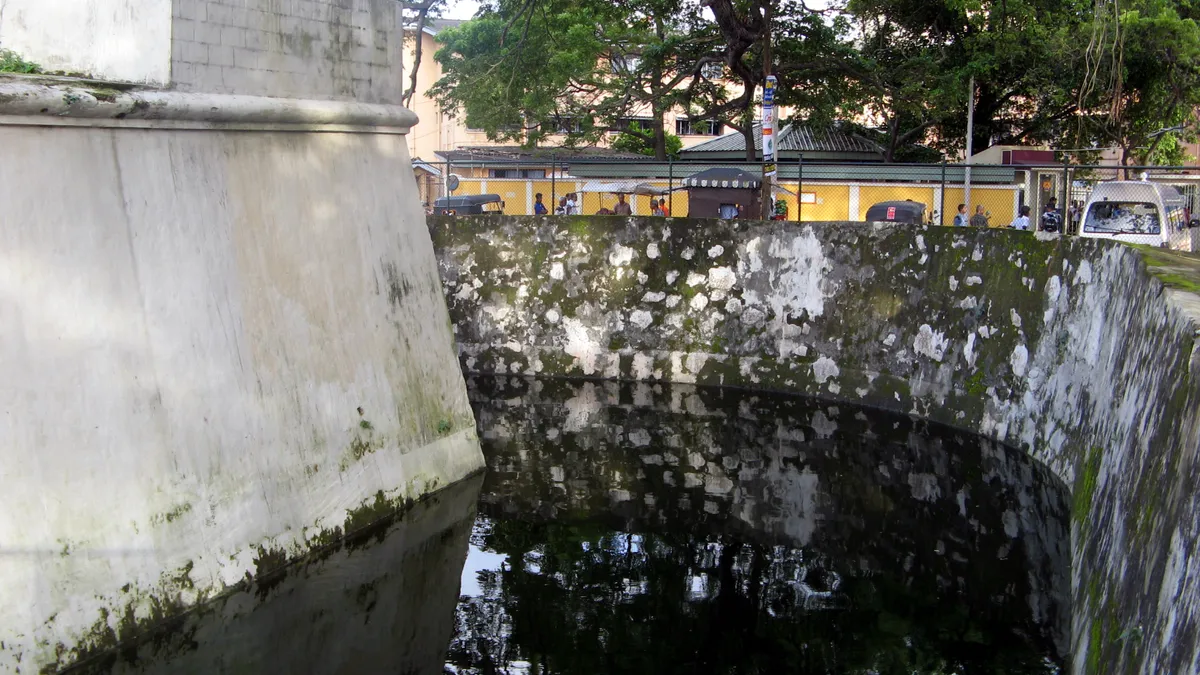
- Explore the Matara Dutch Fort. Unlike Galle Fort, which has been polished into a tourist precinct, Matara Fort is still a working part of the city. The ramparts overlook the Nilwala River mouth, and the Star Fort - a pentagonal bastion across the river - is one of the best-preserved Dutch military structures in Asia. Reviews consistently mention how quiet and uncommercialised it feels compared to Galle. Entry costs about $1.
- Surf at Madiha Beach. Madiha is the surf break that Weligama's crowd has not yet discovered in force. The beach has a consistent right-hand break that works across a range of tides, and several reviews specifically call it the best surf spot in the area for intermediate surfers. The beach is quieter than its neighbours, with guesthouses, cafes, and board rentals lining the sand. A board rental costs about $5 to $8 per day, and lessons run around $15 for two hours.
- Climb Dondra Head Lighthouse. About six kilometres south of Matara, Dondra Head marks the southernmost point of Sri Lanka. The climb up the spiral staircase rewards you with a panoramic view of the coast from Tangalle to Galle. Travellers mention the peaceful atmosphere and the sense of standing at the edge of the island. Combine it with Dondra Head Temple for a half-day tuk-tuk excursion. Entry is about $1.
- Visit the Weherahena Temple. One of Sri Lanka's most unusual Buddhist temples, with a massive seated Buddha statue visible from the main road and underground chambers with murals depicting the Buddha's life. Several reviewers describe it as a hidden gem most tourists miss. It is four kilometres north of Matara and costs nothing to enter.
- Browse Matara Market. A covered bazaar selling fresh produce, dried fish, spices, and textiles at local prices. Travellers highlight the sensory experience: the colours of tropical fruit stalls, the smell of cinnamon and cloves, the noise of vendors. An excellent place to pick up spices for a fraction of Colombo prices.
Getting around
Matara's town centre is walkable, but the attractions spread along a ten-kilometre stretch from the fort to Polhena Beach. A tuk-tuk from town to Polhena costs about $1.50 to $2. To Dondra Head, about $4 to $5. To Madiha Beach, less than $2. Drivers on the main road near the beaches tend to quote fair prices, but travellers report occasional overcharging from tuk-tuks near the bus station - agree on the fare before you get in.
Local buses run along the A2 highway connecting Matara to Galle ($0.50, one hour), Weligama ($0.20, fifteen minutes), and Tangalle ($0.40, forty-five minutes). The train station is a ten-minute walk from town, with coastal railway services to Colombo ($2 to $3, four hours) and Galle ($0.50, one hour). The Matara-to-Galle train ride is one of the most scenic coastal journeys in the country - sit on the left side for ocean views.
Scooter rental is available from several guesthouses, costing about $6 to $8 per day. Multiple travellers recommend a scooter as the best way to explore the coast between Matara and Dondra Head at your own pace.
What to budget
Matara is one of the most affordable coastal destinations in Sri Lanka, attracting more domestic travellers than international tourists, which keeps prices grounded. A comfortable daily budget for a solo traveller is $25 to $40. A couple can manage on $35 to $55 combined.
Accommodation: $8 to $15 for a budget guesthouse room with fan. $20 to $40 for mid-range with air conditioning and a pool. Beachfront cottages with sea views run $40 to $70 per night.
Meals: $2 to $3 for a rice and curry lunch. $4 to $7 for a beachfront dinner with seafood. A fresh coconut or fruit juice is $0.50 to $1.
Activities: Mostly free - swimming, the market, the temple. Surfboard rental is $5 to $8 per day. A guided lesson is $15. The fort and lighthouse cost about $1 each.
Transport: $2 to $4 per day for local tuk-tuk trips. $0.20 to $0.50 for local buses. Scooter rental is $6 to $8 per day plus petrol.
WATCH OUT FOR
Polhena Beach is not swimmable at all times. The reef-protected cove offers calm water most of the year, but during the southwest monsoon (May to August), conditions can change quickly. Multiple travellers mention unexpectedly strong currents or murky water during this period. The turtles are still present, but the crystal-clear swimming conditions are best from December to April. Check with your guesthouse before heading out, and never swim alone when the water looks rough.
Mosquitoes are relentless along the coastal strip. Several reviews from Madiha and Polhena mention mosquitoes as a significant issue, particularly in rooms without screens or near vegetation. Choose accommodation with mosquito nets and air conditioning - fan alone is not enough. DEET repellent is essential, and a mosquito coil makes a noticeable difference.
Power cuts can happen without warning. Sri Lanka's electricity supply in smaller towns is not always stable. Only properties with backup generators maintain consistent air conditioning during cuts. If visiting during monsoon or staying at a budget guesthouse without a generator, bring a power bank and a torch.
The beachfront is not pristine everywhere. While Polhena and Madiha have clean swimming areas, the coast between the fort and town centre is affected by river runoff. A few travellers express disappointment about litter and water quality along this section. Stay on the Polhena-Madiha side for swimming and use the town-facing beaches for walks and sunsets.
Some guesthouses lack hot water or reliable WiFi. Budget accommodation sometimes lists amenities that do not fully deliver. Several reviewers mention cold showers and patchy internet at cheaper properties. If hot water and reliable WiFi are non-negotiable, confirm directly with the property before booking.
GOOD TO KNOW
- December to April is the best season. Calm seas, abundant turtles, reliably sunny weather. May to August brings the southwest monsoon with rougher seas. September to November offers lower prices and a mix of weather.
- Matara is a great base for exploring the south coast. It sits midway between Galle and Tangalle, with Mirissa and Weligama only fifteen to twenty minutes away by tuk-tuk. Reviews frequently mention booking in Matara and taking day trips to busier spots, returning to peace in the evening.
- Sunday evenings are lively at Polhena. The beach becomes a popular weekend destination for Sri Lankan families, with food stalls, music, and groups of friends. Several international travellers mention loving the local atmosphere rather than finding it intrusive.
- Dondra Head is worth the trip even without climbing the lighthouse. The coastal road passes fishing villages and temples, and the cliffs around the lighthouse have exceptional sunset views. The road is in good condition for scooters.
- ATMs are available in Matara town but unreliable at the beach end. Machines near Polhena and Madiha are smaller and occasionally run out of cash. Carry enough for a few days if staying on the beach side. Most mid-range hotels accept cards, but smaller places prefer cash.
- The Matara to Galle train runs five to six times per day between 5:30 AM and 4:30 PM. Unreserved carriages are perfectly comfortable for the one-hour coastal ride. Sit on the left side for sea views.
WHERE TO STAY
- Hotel Ferola - The most highly-rated hotel in Matara. Guests consistently describe it as spotlessly clean, recently built, and exceptionally well-maintained. The pool is large enough for actual swimming, the breakfast buffet is praised as one of the best on the south coast, and the staff are repeatedly mentioned for their warmth. A short walk from Polhena Beach, it offers the feel of a four-star property at a mid-range price.
- Deep Blue - A boutique beachfront property on Polhena's quieter stretch. Multiple reviews mention the stunning sea views, the peaceful atmosphere, and the personalised attention from staff. One Sri Lankan guest wrote that the hospitality was the best part of their entire trip. A favourite for couples.
- Bienvenido Cozy Madiha - A family-run guesthouse steps from Madiha Beach, popular with surfers and solo travellers. The standout feature is the genuinely warm welcome - guests describe being greeted with fresh coconuts and treated like family. Excellent location for surfing, consistently great breakfast, and exceptional value for money.
- La Polena - A simple beachfront guesthouse on a quiet stretch of Polhena where the sand feels almost private. Travellers rave about waking up to the sound of waves and watching turtles swim past while eating breakfast on the terrace. Several guests mention extending their stay because they did not want to leave.
- Light House Beach Home - A hidden gem in a peaceful cove near Dondra Head. The setting stands out in reviews: a small bay with fishing boats, calm water, and a terrace restaurant overlooking the sea. The family who owns it is praised for their hospitality and home cooking. Further from town, but the quiet cove atmosphere is worth the distance.
The bottom line
Matara does not try to impress you. It has no single attraction that demands a place on your itinerary. What it has is something rarer: a real coastal city where you can swim with turtles in the morning, walk through a Dutch fort in the afternoon, eat fresh seafood by the beach in the evening, and still feel like you have discovered something that belongs to you. The travellers who stay here keep returning not because Matara is famous - but because it is honest.
Have a specific question about your Sri Lanka trip?
Ask BYC at byc.lk — free, honest, no upsell. Ever.
Ask BYC Your Question →