Why travellers keep coming back to Ratnapura — what the reviews actually say
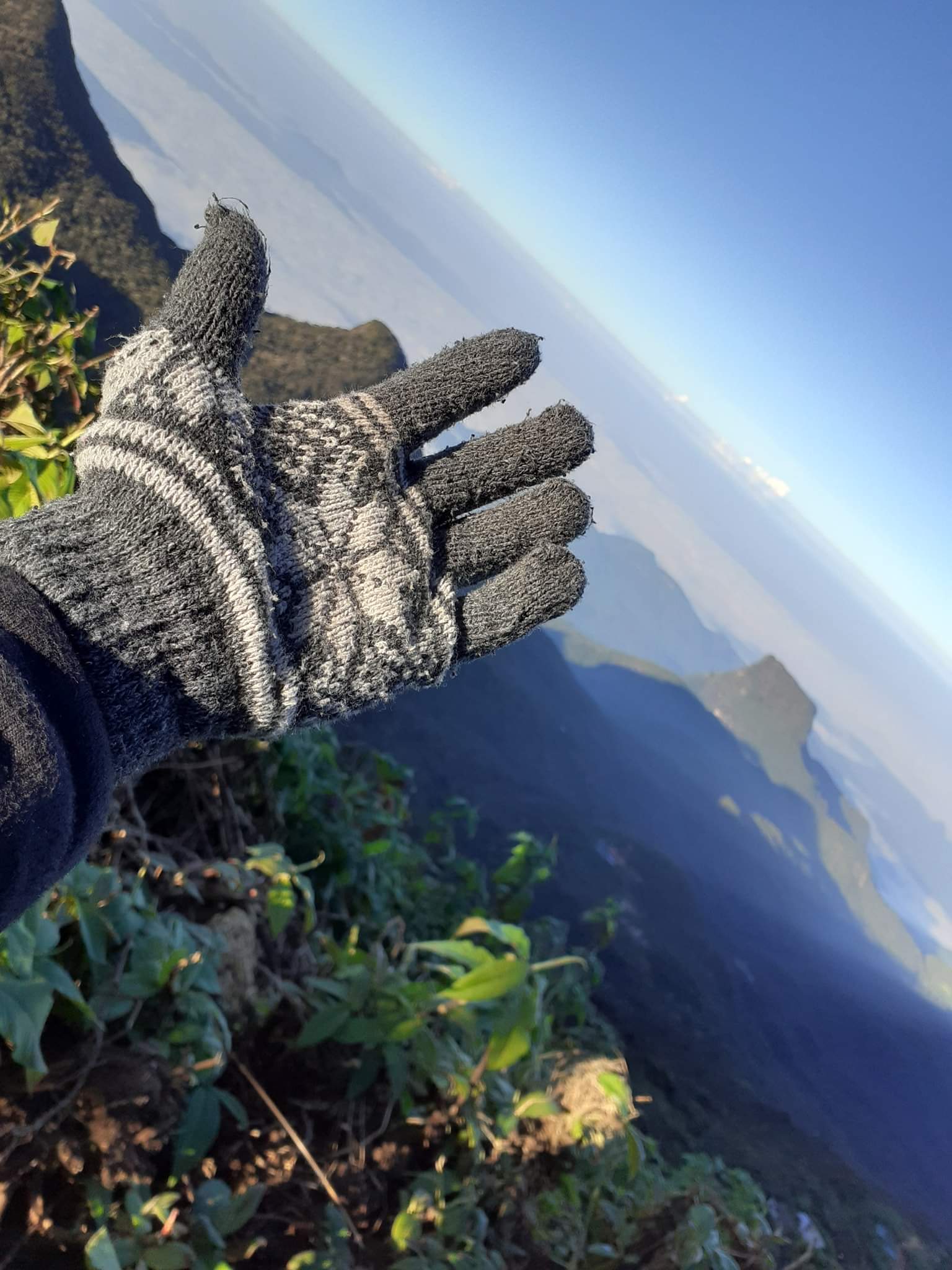
You meet two kinds of travellers in Ratnapura. The first came for the gems — to see where Sri Lanka’s famous sapphires and rubies come from, to walk through the gem market, maybe to buy something they will remember forever. The second came for the mountain — Sri Pada, Adam’s Peak, the 5,200-step pilgrimage that draws people from every corner of the island and beyond.
What both kinds discover, almost by accident, is a region that gives them more than they planned for. Here is what the reviews actually say.
The short answer
Ratnapura is worth visiting because it offers two completely different experiences in one trip — the gem-mining capital of South Asia and the base camp for Sri Lanka’s most iconic mountain climb — plus waterfalls, tea plantations, and Sinharaja rainforest access that most travellers do not even know about until they arrive. The properties here are overwhelmingly family-run, the hospitality is consistently described as exceptional, and the region has a raw, unpolished character that the more touristed parts of the country have long since lost. Come for the gems or the mountain; stay for the valleys, the waterfalls, and the people who treat you like family.
What’s worth doing
- Gem mine tours — This is the one experience you cannot get anywhere else. Several properties in and around Ratnapura can arrange visits to working gem mines — not tourist replicas, but actual shafts dug into the earth where miners haul buckets of gravel by hand. Summer Ridge Homestay and Rathna Gems Halt both offer guided tours with host family members who explain the process from pit to cutting table. Travellers consistently describe the experience as fascinating, educational, and completely unscripted. Seeing a raw sapphire pulled from the wash just metres from where it formed is the kind of memory no guidebook can fake.
- Ratnapura Gem Market — The town’s commercial heart beats through its gem bazaar, where dealers, cutters, and traders gather around open stalls. Even if you have no intention of buying, the atmosphere alone is worth the walk-through — negotiations happen in full public view, rough stones change hands in palm-size parcels, and the entire street hums with the low-intensity buzz of serious commerce. The rough-stone market operates early in the morning; the finished-gem market runs through the afternoon.
- Adam’s Peak (Sri Pada) — The climb is the main event for most visitors to the region. The standard approach starts in Nallathanniya, just north of Ratnapura district. Travellers leave around 2:00 AM to reach the summit for sunrise, climbing 5,200 steps through cool mountain air. The trail is crowded during peak season (December to May), especially on weekends and full moon nights, when local pilgrims join international hikers. The descent takes 2-3 hours, and the sense of achievement — plus the breakfast waiting back at your guesthouse — is consistently called unforgettable.
- Waterfall hopping — The Ratnapura district is studded with waterfalls that most tourists never see. Bopath Ella (shaped like a bo leaf), Laxapana Falls, Gartmore Falls, and Moray Falls are all within reach, and several guesthouse owners offer guided half-day trips by tuk-tuk. Multiple reviews specifically mention hosts who took them to swim in waterfall pools that were completely empty of other tourists.
- Tea plantation walks — The hills around Maskeliya and the area between Ratnapura and Adam’s Peak are covered in working tea estates. Unlike Nuwara Eliya, where the tea tourism infrastructure is thick, here you can simply walk into the estates. Several homestays, including Daresh Home Stay and Narra Homestay, are set within or right next to tea fields, and guests regularly describe sitting on their balconies watching pickers at work.
Getting around
Ratnapura town is well-connected by bus from Colombo (2-3 hours, around $1.50), Kandy, and the southern coast. Once you are in the region, tuk-tuks are the most practical option for local travel. A short ride within town costs $0.50-1.50. A tuk-tuk from Ratnapura town to the Nallathanniya trailhead for Adam’s Peak runs about $8-12, depending on distance and negotiation. Several guesthouses offer their own drives at competitive rates, and this is usually the smoothest option — the host knows the route, the price is agreed upfront, and there is no language barrier.
Buses ply the main roads between Ratnapura, Maskeliya, and Hatton, making it possible to travel between the gem town and the mountain base for under $1. The buses are crowded and the schedules are approximate, which seasoned travellers find charming and first-timers find stressful. If you value predictability, pay the extra for a tuk-tuk or ask your host to arrange a private car (around $25-35 for a full-day itinerary covering the mines, waterfalls, and drop-off at the trailhead).
A note on the Adam’s Peak approach: most properties in Nallathanniya are within walking distance of the trail start (2-15 minutes). If you are staying further out, your host will almost certainly offer a free or very cheap drop-off for the 2:00 AM start.
What to budget
Ratnapura is one of the most affordable regions in Sri Lanka, partly because the tourist infrastructure is less developed and partly because the family-run properties keep prices honest.
- Accommodation: $8-25 per night for a double room with private bathroom, hot water, and breakfast included. The cheaper end (Rashmika Home Stay, Daresh Home Stay) is simple but spotless. The mid-range (Diora Hotel, Queens Ark, Heaven Hills Guest House) offers larger rooms, better views, and often a pool. You can go as high as $40-50 for luxury nature lodges like Dew Drops Nature Villa or Terrace Cinnamon View.
- Meals: $2-5 for a Sri Lankan rice and curry dinner at a guesthouse. Breakfast is almost always included in the room rate. Packed lunches or to-go breakfast boxes for the Adam’s Peak climb typically cost $2-3 extra. Guests consistently report that the home-cooked meals at these properties are among the best value in Sri Lanka — massive spreads of curry, dal, sambol, and fresh vegetables.
- Activities: Gem mine tours arranged through guesthouses cost $5-10 per person and last 2-3 hours. The Ratnapura Gem Museum is under $2. Adam’s Peak has no entry fee. Waterfall trips with a tuk-tuk driver run $5-15 depending on distance and number of stops.
- Transport: Budget $3-5 per day for local tuk-tuk rides, or $10-15 for longer hops between the gem country and the mountain base. A private full-day driver with a curated itinerary runs $25-35.
Total daily budget: $20-40 per person for comfortable mid-range travel, including accommodation, three meals, one paid activity, and local transport. That makes Ratnapura one of the most budget-friendly regions in an already affordable country.
WATCH OUT FOR
Noise at night. Nallathanniya is a small town built around the pilgrimage route, and the main road can be loud well past midnight — buses, music from shops, and fellow travellers preparing for early starts. Several properties along the main strip get reviews mentioning that sleep quality before the climb was compromised. The solution is to book a room set back from the road, or choose a property in the quieter upper lanes. Daffodils Inn, Hugging Clouds, and Queens Ark all get specific praise for their peaceful locations despite being minutes from the trailhead.
Cold showers in some budget properties. While most guesthouses have hot water, a small number of the cheapest rooms rely on solar heating that runs out after one shower, especially in the evenings. Reviews from properties like Vegetable Garden House and The Peak Residence mention guests returning from the Adam’s Peak climb to find only cold water. If a hot shower after 5,200 steps is non-negotiable, confirm this before booking or choose a mid-range property.
Construction and unfinished renovations. Several properties in Nallathanniya are in a permanent state of expansion — extending rooms, adding upper floors, or rebuilding after the periodic damage that comes with mountain weather. Queens Ark, Daddy’s Guest, and others have reviews mentioning construction scaffolding or unfinished concrete that can look alarming on arrival. The rooms themselves are finished and clean; the approach and common areas may not be. Multiple reviews specifically tell future guests: “Do not let the entrance deter you.”
Mosquitoes in the rainy season. The region is tropical and forested, and the November-to-February wet season brings heavy mosquito activity. Several budget properties without mosquito nets or sealed windows get pointed criticism in reviews. If you are travelling in the wet season, choose a room with either air conditioning (which keeps the windows shut) or a verified mosquito net. Narra Homestay and Daffodils Inn are specifically mentioned as well-managed on this front.
GOOD TO KNOW
- Adam’s Peak season runs December to May. The trail is officially open then; outside these months, the summit is often clouded in and the path can be slippery and dangerous. That said, several travellers who visited in the off-season (June-November) still completed the climb and enjoyed having the mountain nearly to themselves. The temple at the summit is sometimes closed off-season, so check before you go.
- Avoid weekends for the climb. Multiple reviews mention severe crowding on Saturday nights, with local pilgrims joining international travellers. One guest described a “traffic jam near the summit” that forced them to turn back. If you can, do the climb on a weeknight.
- Wear proper shoes. The 5,200 steps are uneven, steep, and often damp. Several travellers wrote reviews lamenting their choice of sandals or flimsy sneakers. A headlamp is also essential — the trail is not lit for the first several kilometres.
- Guesthouses cook dinner on request. Do not assume restaurant-style walk-in service. Most properties ask guests to pre-order dinner in the morning so the family can shop and prepare. The meal will be made from scratch, and it will be better than anything you can buy at the roadside stalls.
- Cash is essential. Many homestays do not accept cards. The nearest reliable ATM is in Ratnapura town, which is 30-60 minutes from Nallathanniya. Withdraw enough cash before heading to the mountain base.
- Ratnapura town itself vs. Nallathanniya — the two are 30 km apart and serve different purposes. Ratnapura is the commercial hub with the gem market, museums, and access to mines. Nallathanniya is the village at the foot of Adam’s Peak. Most travellers visit both, staying in Nallathanniya for the climb and in Ratnapura or Maskeliya for the gems and waterfalls.
WHERE TO STAY
- Summer Ridge Homestay — The host family treats guests like extended relatives, and the teenage son Shawn leads guided tours of working gem mines, gem-cutting demonstrations, and waterfall swims that reviewers consistently describe as “the highlight of our time in Ratnapura.”
- Diora Hotel — A modern, spotlessly clean hotel in central Ratnapura with rooms named after local gemstones and a manager who personally accompanies guests to a working mine, as one reviewer described: “He called a mine directly, arranged a local tuk-tuk price, and came with us to translate — this is the kind of service you cannot buy.”
- Queens Ark (Nallathanniya) — Located just 10 minutes from the Adam’s Peak trail start with exceptionally spacious rooms, a riverside balcony, and a host who prepares packed meals for the 2:00 AM climb. Solo female travellers especially praise the attentive, respectful staff.
- Heaven Hills Guest House (Maskeliya) — A quiet location with a view of Maskeliya lake, surrounded by tea plantations and within reach of Adam’s Peak and several waterfalls. The owner’s brother is a tuk-tuk driver who offers fair prices, and guests call the home-cooked dinners some of the best in the hill country.
- Dew Drops Nature Villa (Pelmadulla) — A sprawling villa set in lush grounds with a pool that guests describe as “nestled in Sri Lanka’s beautiful nature.” The family hosts multiple courses for dinner, and guests regularly extend their stays from one night to three. It is the perfect wind-down spot after the intensity of the mountain.
The bottom line
Ratnapura does not try to be polished. The gem market is chaotic, the mountain climb is punishing, the roads are bumpy, and the best experiences come from trusting a host you just met. That is exactly why travellers keep coming back — because in the gaps between the polished tourist zones, you find a Sri Lanka that feels real, generous, and full of surprises. Whether you come for a sapphire or a sunrise, you will leave with more than you came for.
Have a specific question about your Sri Lanka trip?
Ask BYC at byc.lk — free, honest, no upsell. Ever.
Ask BYC Your Question →