Kumana National Park. Before you come.
A quieter, bird-focused safari alternative to Yala, but don't expect a leopard parade — it's more about patience and feathers.
Book your safari slot at least 2–3 days in advance during peak season (April–September), and insist on a 5:30 AM start — afternoon trips often yield fewer bird sightings and hotter conditions.
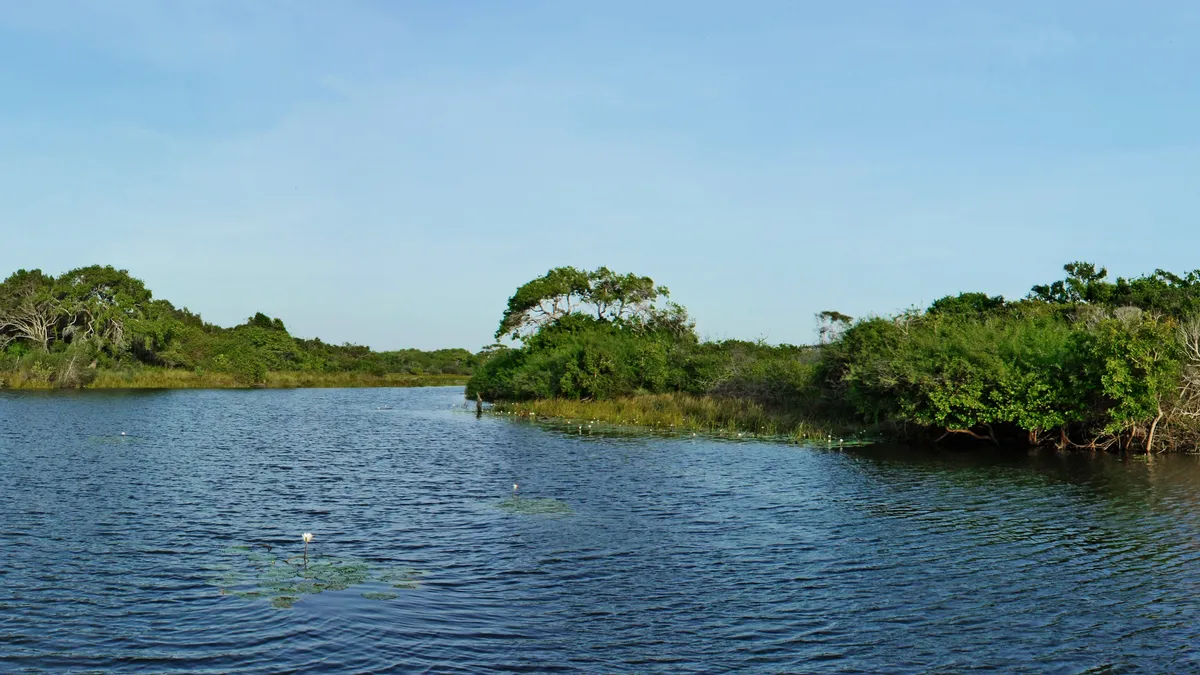
Kumana National Park is a less-visited national park in the eastern dry zone, known for its birdlife in the Kumana bird sanctuary area. The park also hosts leopards, elephants, and sloth bears, but the birding is the main draw — painted storks, pelicans, and migratory species in remarkable numbers during the season.
Visitors often come expecting a less crowded version of Yala with similar big cat sightings, but the reality is more specialized: Kumana is primarily a bird sanctuary, and while you might spot elephants, sloth bears, or the occasional leopard, the main draw is avian life. The park feels genuinely wild and less commercialized, with fewer jeeps kicking up dust, but the trade-off is that animal sightings are less guaranteed and require more patience. It's a birder's paradise, but if you're after leopards, Yala is a better bet.
Booking ahead is non-negotiable—several users report showing up without a reservation during peak season (April–September) and being turned away because slots are capped to limit overcrowding. The early morning safaris (5:30 AM start) are universally recommended for the best bird activity and cooler temperatures, but late afternoon trips can be hot and less productive. The rough road leading to the park entrance, which can be a bumpy hour-long drive from the nearest town, so prepare for a dusty ride.
- Entrance fee: approx $15–20 USD per person (plus safari jeep hire ~$30–50 USD, depending on group size)
- Best time: Dawn (5:30–6:00 AM) for bird activity; avoid midday heat and crowds
- How to get there: From Arugam Bay (closest tourist hub), drive ~1 hour via the A4 highway and a bumpy gravel road; hire a tuk-tuk or jeep from the town
Have a specific question about Kumana National Park?
Ask BYC — honest answers from 300,000+ real guest reviews.