Kumana National Park. Before you come.
A quieter, bird-filled alternative to Yala that delivers on leopards if you have patience and a good guide.
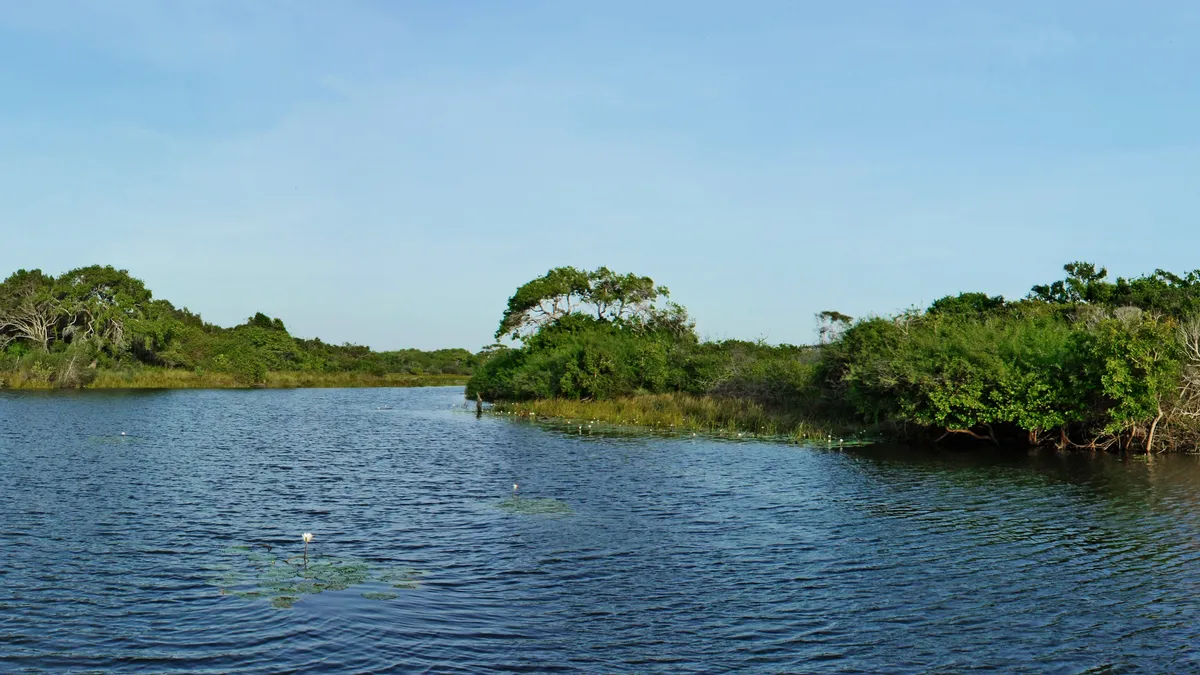
Book a full-day safari (6–8 hours) instead of a half-day — the extra time dramatically increases your chances of seeing leopards and the parks diverse ecosystems.
Kumana National Park is a less-visited national park in the eastern dry zone, known for its birdlife in the Kumana bird sanctuary area. The park also hosts leopards, elephants, and sloth bears, but the birding is the main draw — painted storks, pelicans, and migratory species in remarkable numbers during the season.
Visitors expecting Yala-level leopard action are often surprised by the slower pace here — sightings happen, but they require more time and a skilled tracker. On and highlight the parks incredible birdlife (over 200 species), especially during migration season, but note that the jeep safari can feel bumpy and dusty, especially on the rough tracks near the lagoon. Tourists who come for a quick half-day often leave satisfied with birds and elephants, but disappointed if they expected guaranteed leopard views.
The park is less crowded than Yala, which is a double-edged sword: you get more solitude and better photo ops, but the infrastructure is basic, with few toilet stops and limited shade during midday heat. The entrance process can be slow (paperwork at the gate), and that guides vary widely in quality — a bad guide can mean missing key sightings. Overall, it's a gem for birders and those seeking a raw, uncrowded safari, but not for impatient visitors.
- Entrance fee: approx 3,000 LKR per person (foreigner) + jeep hire approx 8,000–12,000 LKR (shared or private)
- Best time of day: early morning (6:00 AM start) for bird activity and cooler temperatures; avoid midday heat
- How to get there: 45-minute drive from Arugam Bay town; most guesthouses arrange jeep + guide packages (approx 10,000–15,000 LKR total per person)
Have a specific question about Kumana National Park?
Ask BYC — honest answers from 300,000+ real guest reviews.