Kalametiya Bird Sanctuary. Before you come.
A peaceful, off-the-beaten-path wetland sanctuary that's more about quiet birdwatching than big wildlife drama.
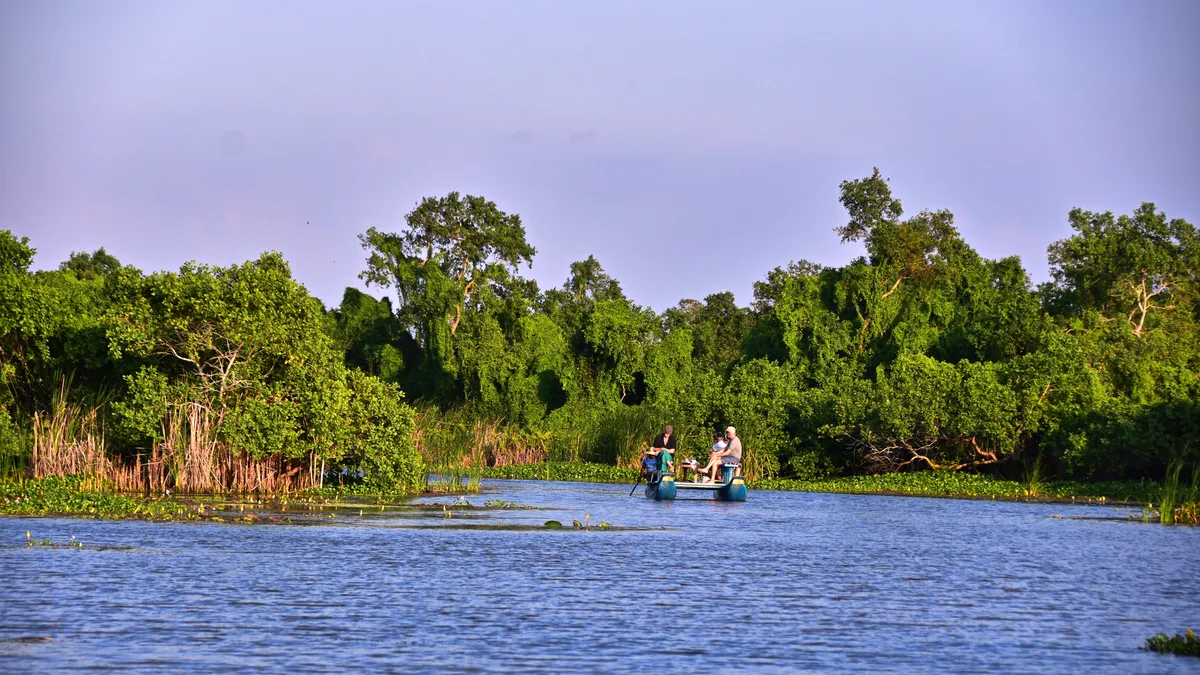
Go early (6–7 AM) or late (4–5 PM) to avoid the heat and catch birds feeding; a boat trip with a local fisherman is worth the extra cost for closer views.
Kalametiya Bird Sanctuary is for travelers who want to stretch their legs and earn a view. The trail winds through varied terrain, and the sense of discovery at the top keeps it satisfying. It's a manageable outing that leaves you feeling like you've actually gone somewhere.
Visitors often arrive expecting a bustling safari experience like Yala or Bundala, but Kalametiya is the opposite—a serene, largely undeveloped lagoon where you'll share the path with local fishermen and maybe one or two other tourists. The birdlife is abundant, especially during migration season (November–March), but you'll need patience and binoculars; It seems that the birds are shy and keep their distance. Thesanctuary is more of a self-guided walking trail along the lagoon edge, so don't expect a guided tour or signposted routes.
The lack of facilities—no café, no toilets, and the access road is unpaved and bumpy. The best sightings come from hiring a local boat (about 1500–2000 LKR for an hour) to get closer to the birds, but this isn't always available on the spot. Those who go with a guide from nearby Tangalle often report a richer experience, as guides know the best spots for painted storks, ibises, and kingfishers.
- Entrance fee approx 500 LKR per person (foreigners), plus optional boat hire 1500–2000 LKR
- Best time: early morning (6–8 AM) or late afternoon (4–6 PM) during November–March migration
- From Tangalle town, take a tuk-tuk (approx 30–40 min, 1500 LKR) or drive via the A2 highway and follow signs to Kalametiya village
Have a specific question about Kalametiya Bird Sanctuary?
Ask BYC — honest answers from 300,000+ real guest reviews.