Can I Hike the Knuckles Mountain Range in September? Weather, Trails & What to Expect
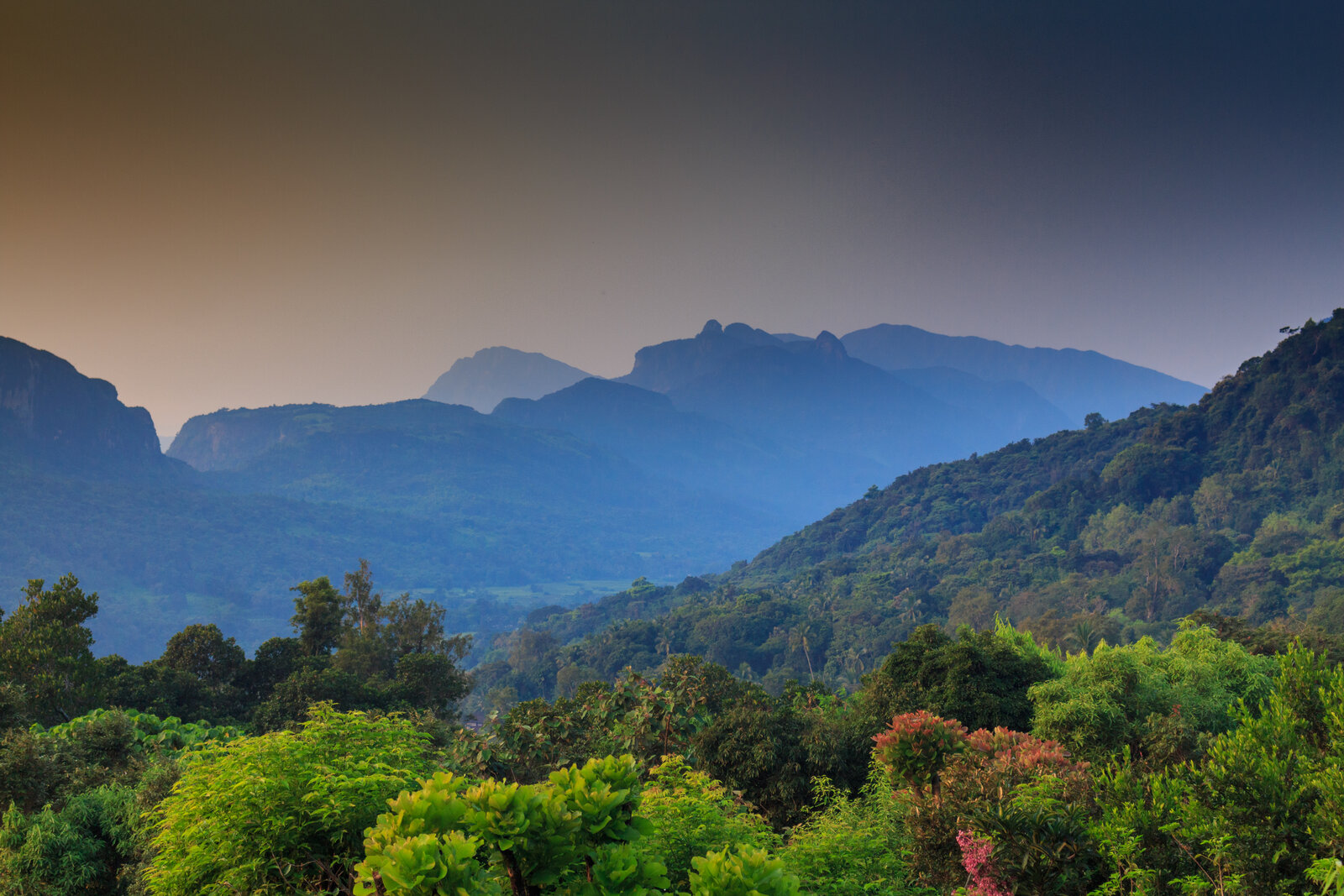
You are planning a Sri Lanka trip in September. You have read about the hill country, the tea plantations, and the coastal beaches. Then someone mentions the Knuckles Mountain Range, and you wonder: is September actually a good time to hike it?
It is a fair question. Sri Lanka's weather patterns are confusing for first-time visitors, and September sits right at the edge of two monsoon seasons. The short answer is good news: September is one of the finest months to explore the Knuckles range, but you need to know what you are signing up for before you lace up your boots.
Yes, September works. Here is why.
The Knuckles Mountain Range, also known as the Dumbara Mountains, sits northeast of Kandy in the central highlands. Unlike the coastal regions, which get heavy rain from the southwest monsoon (May through August), the Knuckles area experiences its drier season from June through October. September falls squarely in this window. You get more clear days, less mud on the trails, and better visibility from the viewpoints than you would in April, May, or November.
That said, this is a mountain environment. The Knuckles range rises to over 1,900 metres at its highest peak, Gombaniya. Cloud cover can roll in within minutes. A light shower is always possible. But for hiking purposes, September gives you the best balance of dry trails, comfortable temperatures (18°C to 25°C), and reduced leech activity compared to the wetter months.
Several local trekking operators confirm that March through September is prime season. One Knuckles-based guide service notes that June to October offers the most favourable weather, with less rain and fewer leeches on the trail. For a destination where rain can genuinely turn a hike dangerous, September reliability matters.
What is worth doing
- Dothalugala Nature Trail — The most popular short hike in the range. A 6-kilometre round trip that takes 3 to 4 hours, starting at the Deanston Knuckles Conservation Centre. The trail winds through cloud forest and opens onto a ridge with panoramic views of the central highlands. On a September morning, the visibility is excellent. The trail is well-marked and suitable for reasonably fit beginners. Entrance permit required — 1,000 to 2,500 LKR per person.
- Mini World's End — A 1.5-kilometre walk to a 1,198-metre cliff edge with a sheer drop over the valley below. This is the easiest major viewpoint to reach, and on a clear September morning, the view stretches across entire valleys of the Knuckles range. The trail starts from the same Conservation Centre as the Dothalugala trail. Go early — mist typically rolls in before noon, and the view disappears entirely by mid-afternoon.
- Pitawala Pathana — An open grassland area with unusual rock formations and wide, open sky. The walk is easy and suitable for anyone. What makes Pitawala special in September is the contrast between the green grass and the blue sky — the dry season keeps the grass short and the views clear. It feels more like a Scottish moorland than a tropical rainforest, which surprises most first-time visitors.
- Corbett's Gap viewpoint — A natural pass that gives you a view across both sides of the mountain range. On a clear day, you can see all the way to the lowlands. The gap is named after British hunter and naturalist Jim Corbett, who reportedly camped here. The walk to Corbett's Gap from the nearest road access is short, but the views are the reward. September mornings offer the clearest conditions.
- Meemure village visit — Meemure is Sri Lanka's most isolated village, home to about 400 people, tucked deep in the Knuckles range. The road to Meemure is rough and only accessible by tuk-tuk or a four-wheel-drive vehicle. Once you arrive, the village offers a glimpse into a way of life unchanged for generations. Stay overnight in a basic homestay — the stars are extraordinary. Reaching Meemure from Kandy takes about 3 to 4 hours by road, including the rough final section. September's dry conditions make the road more passable than during the wet season.
- Five Peaks hike (Knuckles summit) — The full 12-kilometre hike that gives the range its name. This is the most challenging day hike, taking 7 to 8 hours with significant elevation gain. The trail is steep and unmaintained in places. A guide is strongly recommended, not just for navigation but for safety. On a September day with clear weather, the summit offers views over the entire central province. The sense of accomplishment is genuine.
- Nitro Caves trek — An 11-kilometre round trip to a cave system inhabited by thousands of bats. The trail starts at Corbett's Gap. The name comes from the bat guano inside the cave, which produces a strong ammonia smell. The cave is not for claustrophobes, but the approach through dense forest is beautiful. The hike takes about 5 hours and is moderate in difficulty.
- Bambarakiri Ella waterfall — Located near Rattota on the eastern side of the range, this waterfall is accessible from the road and makes a good stop on the way back from a hike. The pool at the base is deep enough for swimming. The waterfall flows best during September, as it catches the runoff from the previous months' rain.
Getting around
Kandy to the Knuckles range: The Knuckles Conservation Forest lies about 40 kilometres northeast of Kandy, but the drive takes 1.5 to 2 hours because the roads wind through the hills. A private taxi from Kandy costs 6,000 to 8,000 LKR ($18 to $25) one way. This is the best option for reaching specific trailheads because public transport only goes to the edge of the range.
Public bus via Matale: From Kandy Central Bus Station, take a bus to Matale (1 hour, 60 to 80 LKR or about $0.25). From Matale, catch a bus to Riverston (for western access and viewpoints, 1.5 to 2 hours) or Illukkumbura (for eastern access, 2 to 3 hours). Buses between Kandy and Matale run every 30 minutes. Services from Matale toward the range run only 2 to 3 times daily, so plan around those schedules.
Tuk-tuk rental: Renting a tuk-tuk from Kandy for a few days gives you the freedom to explore the range at your own pace. Rental costs about 3,000 to 4,000 LKR ($9 to $12) per day plus fuel. The roads into the Knuckles area are steep, and you will need to use the choke on uphill sections, but it is doable. The rough road to Meemure village will test your driving skills.
Hired guide with transport: Many local guides in Kandy offer day trips to the Knuckles range that include transport, permits, and lunch. Prices range from $35 to $65 per person for a full-day guided hike, depending on the trail and group size. This is the most hassle-free option and the one most travellers who have done it recommend. A good guide will also advise on trail conditions and safety.
What to avoid: Do not set off without knowing the trail conditions for that specific day. A trail that is manageable in the morning can become dangerous after an afternoon shower. Do not rely on mobile phone navigation — reception is patchy in the valleys and nonexistent in many sections of the forest. And do not attempt the Five Peaks hike or the Meemure road during or immediately after heavy rain, even in September.
What to budget
The Knuckles range offers excellent value — this is not a tourist-trap destination, and costs reflect the local economy rather than international tourism pricing.
- Budget day hike (public bus, DIY): $10 to $15 per person. Bus from Kandy to Matale $0.25, onward bus $0.50 to $1, entrance permit $1.50 to $3, snacks and water $2 to $3. Choose a short trail like Dothalugala or Mini World's End that does not require a guide. This is perfectly viable for fit travellers who are comfortable with basic route-finding.
- Standard guided day hike (group tour): $35 to $55 per person. This covers return transport from Kandy, a registered guide, entrance permits, and lunch. Multiple operators offer this as a day trip. The guide makes a significant difference for the longer trails like Nitro Caves or the Five Peaks. The cost is comparable to a nice dinner out, and it eliminates all the logistics.
- Overnight Meemure trip (guided): $60 to $90 per person. Includes transport from Kandy, guided hike to Meemure village, homestay accommodation, dinner and breakfast, and the return journey. Stargazing in Meemure with the mountain silhouettes is worth the night. The homestay is basic but clean, and the local rice and curry dinner is one of the best meals you will have in Sri Lanka.
- Private guide for multiple days: $65 to $80 per person per day. Companies like Sri Lanka Trekking offer 1 to 5-day itineraries, including camping equipment, food, and guide services. The multi-day option allows you to reach the deeper parts of the range that day-trippers miss. This is the premium Knuckles experience and represents excellent value compared to international trekking prices.
Cash is essential. There are no ATMs near any Knuckles trailhead. The nearest reliable ATMs are in Kandy and Matale. Bring enough cash for your permits, meals, and transport. Most homestays in Meemure and the surrounding villages do not accept cards.
WATCH OUT FOR
Don't underestimate the weather shifts. September is the dry season, but the Knuckles range creates its own microclimate. You can start a hike under blue sky and find yourself in thick cloud within twenty minutes. The temperature drops noticeably with elevation. Pack a lightweight rain jacket even if the morning forecast is clear. Hypothermia is a real risk if you are caught in a downpour at altitude without proper clothing.
Leeches exist even in the dry season. Multiple sources confirm that leeches are present year-round. In the wet season they are relentless. In September they are present but manageable. Leech socks are essential — you can buy them in Kandy sports shops for about 500 LKR ($1.50). Some hikers also carry a small bottle of hand sanitiser or salt, which dissolves a leech's grip instantly. Check your ankles, sock tops, and waistband after any bush section.
River crossings after rain are genuinely dangerous. The most harrowing accounts from independent hikers involve stream crossings that turned treacherous after sudden rain. Even a 30-minute shower upstream can raise water levels dramatically. If you are hiking without a guide, check the weather report for the entire catchment area, not just your immediate location. When in doubt, wait. The stream will drop again within a few hours.
The guide requirement is real. The Forest Department of Sri Lanka officially requires a registered guide for certain protected areas within the Knuckles Forest Reserve. Some online sources claim you can get away without one, but enforcement has increased. More importantly, guides know the trails, the weather patterns, and what to do in an emergency. The $35 to $55 for a day guide is insurance you should not skip, especially on the longer routes.
Permits are not guaranteed. The permit office on the route to the Five Peaks trail and the office at the Deanston Conservation Centre operate on irregular hours. If the office is closed when you arrive, local homestay owners may advise you to proceed anyway, but you are technically hiking without authorisation. The permit system is being reformed, but for now, try to reach the permit office early in the day.
Mobile network coverage is patchy. Dialog and Mobitel have coverage in the villages and near the main viewpoints, but large sections of the deeper trails have no signal at all. Download offline maps on Google Maps or Maps.me before you leave Kandy. Share your intended route and expected return time with someone at your accommodation if hiking independently.
Don't expect signposted trails. Unlike the well-marked paths at Horton Plains or Adam's Peak, many Knuckles trails are unmarked and unmaintained. Even the popular Dothalugala trail can be confusing at junctions. If you are not an experienced wilderness hiker with strong navigation skills, a guide is not optional.
GOOD TO KNOW
The Knuckles Conservation Forest is a UNESCO World Heritage Site, designated as part of the Central Highlands of Sri Lanka. It covers approximately 155 square kilometres, with elevations ranging from 900 metres to over 1,900 metres. This variation creates multiple microclimates, each supporting different plant and animal life.
The best time for hiking is early morning, starting between 6:00 AM and 7:00 AM. This gives you the clearest views before the afternoon cloud cover builds. By 11:00 AM, mist often begins rolling in, and visibility at the viewpoints drops significantly. On the Five Peaks hike, starting at 5:30 AM is standard practice.
If you are based in Kandy, you can reach the Deanston Conservation Centre in about 1 hour 15 minutes by taxi. The drive itself is scenic, passing through tea estates and small hill villages. Consider asking your driver to stop at the Ramboda viewpoint on the way back for a different perspective of the central highlands.
Packing list essentials: waterproof hiking boots or sturdy trainers with good grip, long trousers (to protect against leeches and thorny scrub), a lightweight rain jacket, at least 2 litres of water, leech socks, a head torch, a fully charged power bank, and high-energy snacks. Trekking poles are useful on the steep descents, especially after any rain.
Temperatures in the Knuckles range range from 18°C to 25°C during the day in September. At the higher elevations and early in the morning, it can drop to 12°C. A fleece or light jumper is worth carrying. The sun at these elevations is also stronger than you expect — bring sunscreen, sunglasses, and a hat.
September in the Knuckles range also coincides with the peak of the wildflower season in the upper grasslands. Pitawala Pathana in particular is covered in small flowers during this period, adding colour to an already beautiful landscape. Birdwatchers will find the range rewarding — the Knuckles forest is home to several endemic Sri Lankan bird species, including the yellow-fronted barbet and Sri Lanka whistling thrush.
The Knuckles range is also home to leopards, though sightings are rare. The leopards here are more elusive than those in Yala, but their presence adds a wild edge to the experience. If you are hiking early in the morning or late in the afternoon, make noise on the trail to avoid surprising any wildlife.
If you have limited time and only one day, the Dothalugala trail combined with Mini World's End makes for an excellent full-day outing. For two days, add an overnight at Meemure village. For three or more days, consider the Five Peaks hike and Nitro Caves with a private guide.
WHERE TO STAY
- Celestial Hills by The Clarks (Kandy outskirts) — A luxury resort on the edge of the Knuckles region with panoramic mountain views that guests consistently describe as breathtaking. The infinity pool overlooks the range, and the morning mist rolling through the valley below is visible from the restaurant. The resort can arrange guided Knuckles hikes with experienced local guides. The proximity to the Deanston entrance makes it the most convenient high-end base for Knuckles exploration.
- Rohana Estate Lodging and Camping (near Riverston) — A working tea estate that offers simple, clean rooms with views over the Knuckles peaks. This is the closest accommodation to the Riverston trailheads, including the Five Peaks starting point. Guests repeatedly mention the owner's willingness to help with logistics — he can arrange a guide, pack a lunch, and even help if your phone breaks (a recurring risk after mountain rain). Bring your own food to use the kitchen, or arrange catering in advance. The atmosphere is rustic and authentic.
- Nature Trail Knuckles (near Corbett's Gap) — A boutique eco-lodge tucked into the forest near Corbett's Gap. Guests praise the location — you can step out of your room and be on a trail within minutes. The property uses solar power and rainwater collection, which adds to the off-grid feel. The home-cooked dinner, featuring local vegetables and traditional Kandyan curry, is mentioned in multiple reviews as a highlight.
- Meemure Homestays (in Meemure village) — Basic but unforgettable accommodation in Sri Lanka's most isolated village. There are no luxury options here, but the homestays are clean, the hospitality is genuine, and the experience of sleeping in the heart of the Knuckles range is unmatched. Reviewers consistently mention the stars at night, the sound of the river, and the kindness of the village families. Dinner is typically rice and curry cooked over a wood fire. Book through a Kandy-based guide who can arrange the homestay as part of a Meemure trip.
- Rocklyn Residence (Matale) — A colonial-era house converted into a boutique guesthouse in Matale town, ideal as a base for the eastern side of the Knuckles range. Guests highlight the garden, the swimming pool, and the owner's knowledge of the local area. Matale is closer to the Illukkumbura and Rattota access points than Kandy is, saving about 45 minutes of driving each way.
The bottom line
September is one of the best times to visit the Knuckles Mountain Range. The trails are drier, the views are clearer, and you avoid the heavier crowds that come with December and January. The range offers hiking that feels genuinely wild, not curated for tourists. Whether you have one day for a short walk to Mini World's End or three days for a guided traverse through the forest and villages, the Knuckles range will give you an experience of Sri Lanka that most visitors never get to see. Pack your leech socks, hire a guide, and go before the afternoon cloud rolls in.
Plan your Knuckles trek with BYC at byc.lk — Free and honest. Some links are affiliate links and never change our advice.
Have a specific question about your Sri Lanka trip?
Ask BYC at byc.lk — Free and honest. Some links are affiliate links and never change our advice.
Ask BYC Your Question →