Martin Wickramasinghe Museum. Before you come.
A quiet literary and folk museum that feels more like a village time capsule than a typical author shrine.
Entrance fee: 500–1000 LKR for foreign visitors · 100 LKR for locals · Open daily approximately 9am–5pm
Hire a guide at the entrance — the museum's value comes from the stories, not the labels, and many visitors say they'd have been lost without someone explaining the tools and village life.
Martin Wickramasinghe Museum draws visitors who want to understand Sri Lankan village life before modernisation changed everything. Wickramasinghe was the country's most celebrated Sinhala novelist, and his childhood home and the folk museum next to it recreate a rural world of ox carts, palm-leaf manuscripts, and handmade tools. It's quieter and more personal than the big-ticket attractions — the kind of place you'd miss if nobody told you about it.
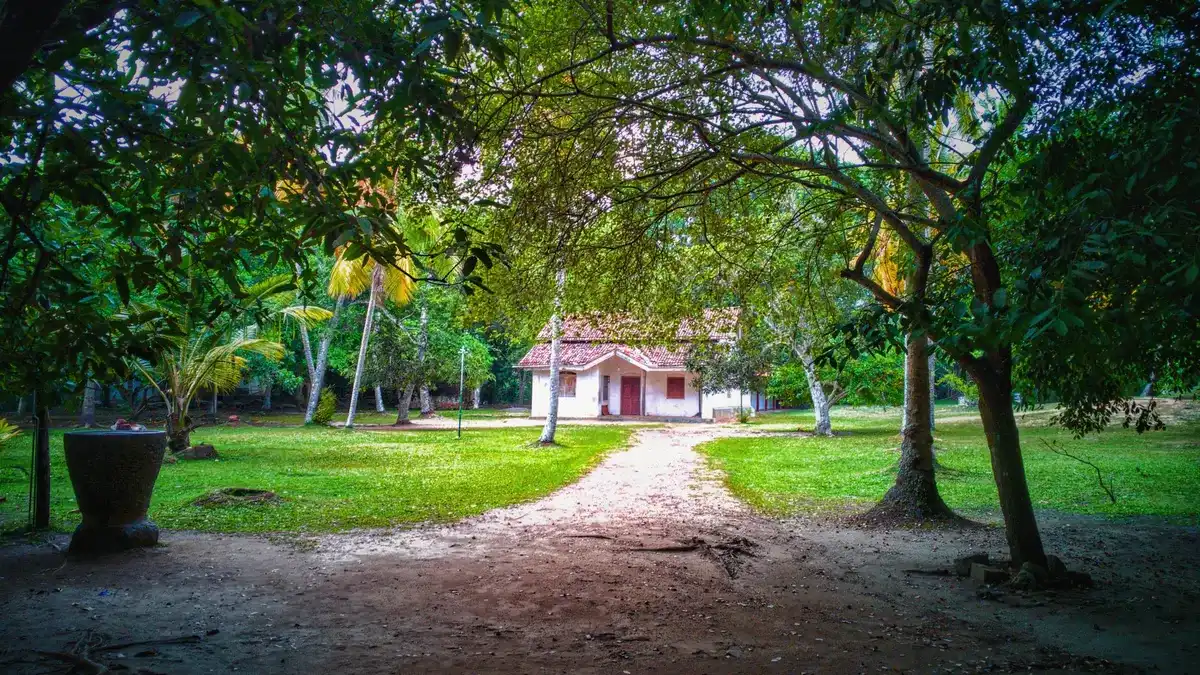
Visitors expecting a polished, modern museum are often surprised by the rustic, open-air layout — it's essentially a recreated rural village with old tools, masks, and household items from the early 20th century. The museum feels neglected, with dusty exhibits and minimal English signage, making it hard to grasp the context without a guide. The folk museum part is more engaging than the writer's personal memorabilia, which is sparse and mostly in Sinhala.
The best part is the peaceful garden and the chance to see how villagers actually lived — think ox carts, grinding stones, and palm-leaf manuscripts. But don't expect interactivity or crowds; it's often empty, which can feel either serene or underwhelming depending on your mood. A few visitors complain the ticket price is high for what's on offer, but others appreciate the authenticity over touristification.
- Best time: early morning (9–11 AM) to avoid midday heat and enjoy the garden
- Located in Koggala, approximately 18km south of Galle town. Take a tuk-tuk (30–40 minutes) or a local bus toward Matara and exit at Koggala junction.
Have a specific question about Martin Wickramasinghe Museum?
Ask BYC — honest answers from 300,000+ real guest reviews.