Chundikkulam National Park. Before you come.
A quiet, off-the-radar dry-zone park where the wildlife is shy and the rough road is half the adventure.
Hire a jeep from Mullaitivu town (around 5000–7000 LKR for a half-day) and start at 5:30 AM sharp—the heat by 9 AM drives animals into cover, and the road is only passable with a 4x4.
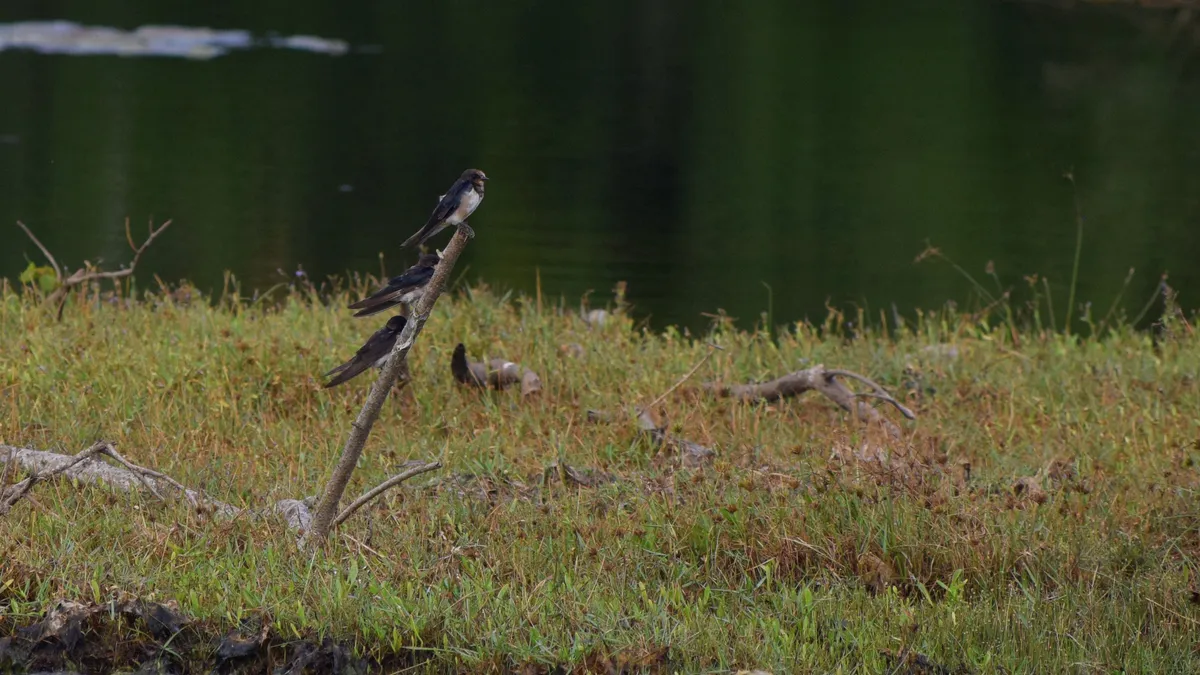
Chundikkulam National Park attracts nature lovers and birdwatchers with its still, brackish waters and fringe of mangroves. The lagoon ecosystem supports a surprising amount of wildlife — herons, kingfishers, and monitor lizards are common sights. A boat drift through the channels at sunset is the reason most people come.
Visitors expect a classic safari like Yala or Wilpattu, but Chundikkulam is far more rustic and less visited. It seems that elephants are seen occasionally but not guaranteed—the parks dense scrub makes spotting hard. The road in from Mullaitivu is notoriously bumpy, with potholes and loose gravel; a jeep is essential, and even then, it's a slow, jarring ride. Birders appreciate the variety (peacocks, eagles, waterfowl), but mammals are elusive.
The lack of crowds is a double-edged sword: peace and quiet come with minimal facilities (no toilets or shops inside). The best sightings happen near the lagoon at dawn or dusk, but the parks dry-zone vegetation means animals are often hidden. If you're after a raw, unfiltered nature experience without the safari circus, this is it—but don't expect a wildlife spectacle.
- Entrance fee: approx 500 LKR per person + vehicle fee (approx 1000 LKR) for foreign visitors; check with local guides for current rates.
- Best time of day: dawn (5:30–7:30 AM) or dusk (4:30–6:00 PM) for wildlife activity and cooler temperatures.
- How to get there: From Mullaitivu town, take the A35 road north for about 15 km, then turn onto the unpaved track to the park entrance—follow GPS or ask locals, as signage is minimal.
Have a specific question about Chundikkulam National Park?
Ask BYC — honest answers from 300,000+ real guest reviews.