Is Sri Lanka a Rip-Off? The Tourist Scams to Actually Watch For (2026)
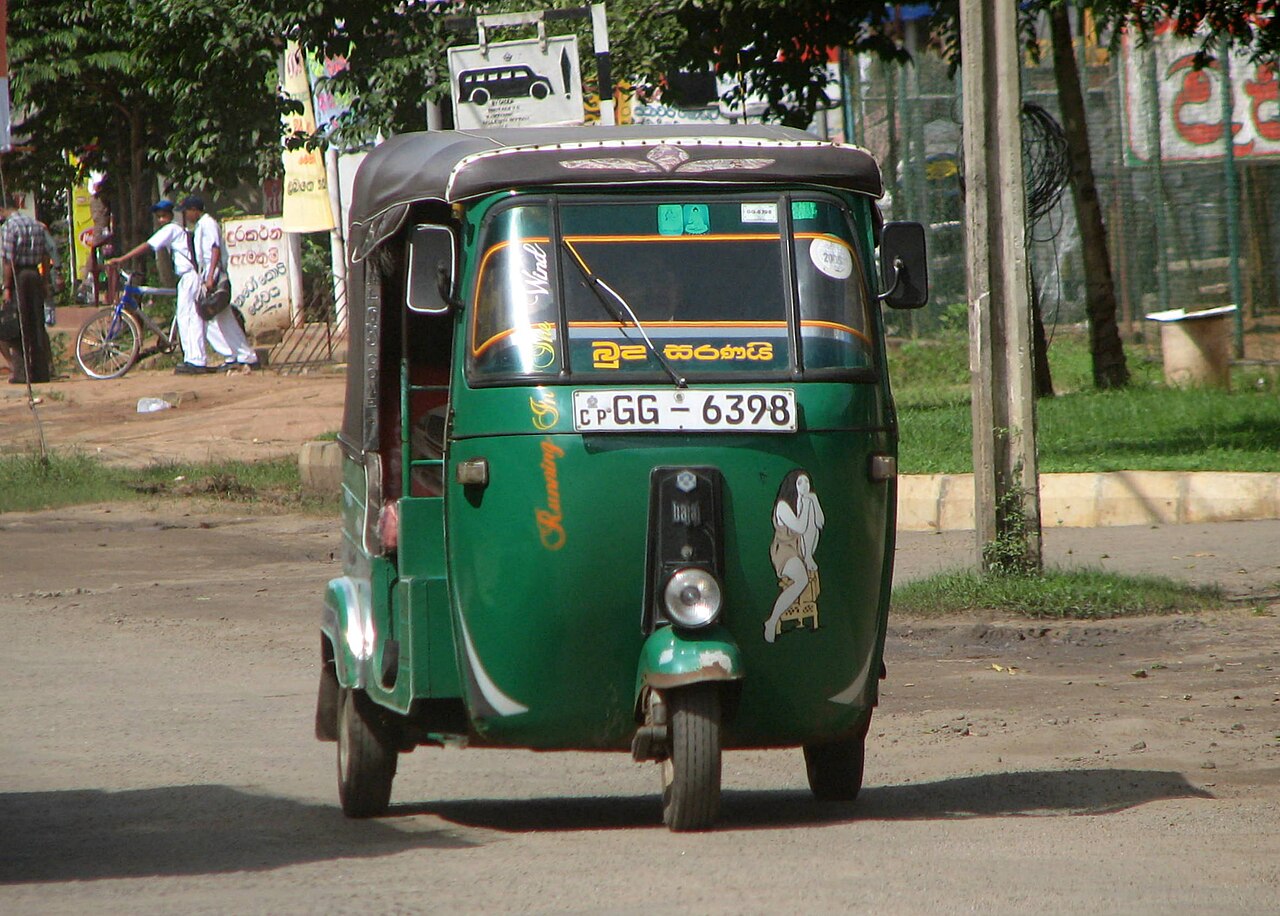
You have budgeted carefully, read the blogs, watched the videos — and then on day two someone quotes you a tuk-tuk fare that is four times the going rate, a guesthouse asks you to cancel your online booking on arrival, and a "free" gem tour ends with a pushy sales pitch. Sri Lanka is genuinely one of the warmest, best-value countries in Asia. It is also a place where a small number of operators have learned exactly which travellers can be overcharged. The good news is that every one of these patterns is predictable, and predictable means avoidable.
The short answer
Sri Lanka is not a scam destination — it is a negotiation destination. The overwhelming majority of guests leave happy: our database of 353,633 real guest reviews shows homestays averaging 9.28/10 on breakfast and countless stays scoring a perfect 10 for honesty and warmth. But around 405 reviews mention the word "scam" and another 558 describe being asked to cancel a booking on arrival. Those are concentrated in transport, ticket resale, and a handful of accommodation owners. Learn five patterns — fare quotes, booking-cancellation requests, ticket touts, gem-and-spice "tours", and inflated card or currency conversions — and you remove almost all of the risk from your trip. Book through official channels, agree prices in writing before you move, and pay on arrival rather than in advance whenever a private owner asks you to go around the platform.
What's worth doing
- Ride the train the official way. Reserved seats open 30 days ahead on the Sri Lanka Railways seat-reservation portal and at any station counter. The Kandy–Ella leg is the single most scalped journey in the country; buying early from the official source is the whole game. If reserved seats are gone, an unreserved second-class ticket bought at the counter on the day is legitimate, cheap (a few hundred rupees), and still gets you the same views out of the doorway.
- Use metered and app-based transport where it exists. PickMe and Uber operate in Colombo, Kandy and much of the west and south coast, and they show the price before you accept. Outside app coverage, agree the fare before the wheels turn.
- Book safaris through your hotel or a licensed operator. A half-day Yala or Udawalawe jeep with park fees should be quoted as one all-in figure. Ask explicitly whether the entry ticket and the jeep are separate — that is where the padding hides.
- Buy gems and tea from places that issue a proper receipt. Sri Lanka's sapphires and Ceylon tea are world-class and worth buying. The risk sits in "no-receipt" back-room deals and "investment" stones sold with a promise of resale abroad. Buy from licensed shops with a Gem and Jewellery Authority certificate, not from a driver's "uncle".
- Change money at banks and licensed exchange counters. Airport, bank and hotel-front counters give a clear posted rate. Street "better rate" offers come with counting tricks.
- Eat where locals eat. Rice-and-curry lunch packets, kottu, hoppers and short eats are the best-value food on the island — a full plate for US$1–3. They are also, reliably, where the friendliest service is.
- Take the guided site tours at the Cultural Triangle. A licensed guide at Sigiriya, Polonnaruwa or Anuradhapura costs a modest fee and turns a pile of stones into a story. It also removes the incentive for anyone to sell you a "shortcut".
- Pay for the experiences that are genuinely worth it. A private driver ($50–70 a day all-in), a whale-watching trip from Mirissa in season, a Pigeon Island snorkel from Nilaveli, and a hill-country train ride are the four things guests consistently rate as money well spent.
Getting around
Transport is where most travel budget leaks, and where most of the "scam" reviews are born. Here is what fair looks like in 2026.
- Tuk-tuk: In Colombo, a short city hop is US$2–4 by meter or app. Outside the cities there are no meters, so the price is whatever is agreed. A fair short ride is US$1.50–3; a 20-minute ride US$3–5. A "tour" of a town for half a day should be US$15–25. If the opening quote is three or four times that, you are being tested.
- App rides: PickMe and Uber show a fixed fare and take the negotiation out of the equation entirely. Use them for airports, stations and anywhere coverage reaches.
- Private car with driver: The all-inclusive going rate is US$50–70 per day, covering fuel, the driver's food and lodging, and unlimited stops. Cheaper quotes usually mean the driver earns from commission stops along the way — that is the hidden cost.
- Intercity bus: The cheapest way to cross the island. Colombo to Kandy is roughly US$1–2, Colombo to Ella or the far south US$2–4. Buses are frequent, safe and used by everyone.
- Train: Second class Colombo–Kandy is about US$1–2; the full Colombo–Ella run in reserved second class is roughly US$3–5. Buy at the counter or online; never from a stranger on the platform.
- What to avoid: "The train is cancelled, my friend will drive you" (it usually is not), drivers who insist on a specific shop or spice garden, and anyone quoting a fare before you have named a destination.
What to budget
An honest daily range for a mid-range independent traveller, per person, in 2026:
- Accommodation: US$25–45 for a good guesthouse or small hotel double (US$10–20 for a simple room, US$80+ for boutique). Homestays remain the best value and the highest-rated on service.
- Meals: US$8–15 a day if you eat local (breakfast included at most stays, rice-and-curry lunch US$1–3, dinner US$3–6). Western restaurants run US$10–20 a main.
- Activities: US$10–20 for a temple or site entry, US$40–60 for a shared half-day safari, US$25–50 for whale watching, US$15–25 for a guided town tour.
- Transport: US$10–15 a day using buses and trains; US$50–70 a day for a private car split between two to three people.
- Total: US$60–90 per person per day at a comfortable mid-range pace. A frugal traveller using buses and homestays can do US$30–40.
WATCH OUT FOR
- The "cancel your booking" ask. An owner messages that the room is "unavailable" or "under renovation" and asks you to cancel your online reservation and pay cash instead. This is the single most common pattern in our review data — 558 reviews describe it. Cancelling removes your platform protection and locks in whatever price they name at checkout. Decline, keep the booking, and if the property genuinely cannot host you, ask them to cancel so you are not penalised.
- Cash-price upgrades. Being offered a "20% discount" to pay outside the platform, then quoted a higher rate at checkout. Agree the final total in writing before you hand over any cash.
- Booking-platform ticket scalpers. Reserved train seats resold at many times face value, especially Kandy–Ella in high season. If a seat is not from the railway counter or the official portal, it is not a seat you can rely on.
- The commission stop. A driver quoting a suspiciously low daily rate, then steering you to a gem shop, spice garden, wood-carving workshop or "government" factory. The prices there carry the driver's commission.
- The airport tuk-tuk. Touts at arrivals quoting US$30–50 for a 20-minute ride into Negombo that should cost US$5–10. Walk to the app pickup or the official taxi counter.
- Gem "resale" promises. Any stone sold with a promise you can resell it abroad at a profit is a sales tactic, not an investment.
- Currency-conversion switches. A small number of owners and shops convert using the wrong rate or a "card surcharge" added after the fact. Pay in the local currency, keep the receipt, and check the total before tapping.
- Unlicensed drivers and guides. Licensed tourist drivers carry an SLTDA ID; ask to see it. It is the fastest way to separate professionals from opportunists.
GOOD TO KNOW
- Prices in this guide are starting points for a fair deal, not ceilings. It is completely normal and polite to ask "how much?" and to negotiate before you set off — agreeing a price upfront protects both sides.
- Book the Kandy–Ella train 2–3 weeks ahead in high season (December to April) and on weekends and public holidays, when reserved seats genuinely sell out.
- Carry small notes. Change for a 5,000-rupee note in a village shop can be an issue, and having exact money removes any "no change" awkwardness.
- Download PickMe before you land and set up a card or top up the wallet. It works in Colombo, Kandy, Galle, Negombo and along much of the south coast.
- Ask your accommodation to arrange airport transfers and safaris. Hotel-arranged transport is priced transparently and the property has a reputation to protect.
- Keep a screenshot of your booking confirmation and the agreed price. A copy on your phone settles almost every dispute calmly.
- If something does go wrong, report it to the Sri Lanka Tourism Development Authority. Licensed establishments are required to treat guests fairly, and complaints do carry weight.
- Learn two phrases — "how much?" and "no thank you" — in Sinhala or Tamil. A smile plus a clear no ends most hard sells instantly and keeps the interaction friendly.
WHERE TO STAY
The properties below are among the highest-rated in our 353,633-review dataset for honesty, clear pricing and hosts who go out of their way — which is exactly the profile that makes a scam-free stay.
- Urban Bliss Studio, Colombo — Guests repeatedly single out the owners by name for their welcome and the superb homemade breakfast that changes daily, from pancakes to string hoppers, fruit, sambal and dhal. A welcoming host who communicates clearly is your best protection against every booking trick on this list.
- The Trees, Kandy — Reviewers rate the staff a 9 or 10 for being "extremely polite" and doing "everything possible" to make the stay comfortable, including changing rooms on request. Expect clear pricing and help arranging onward travel.
- Villa Oceané, Mirissa — Guests describe staff going "above and beyond", serving breakfast on the balcony at a time that suited them and organising dinner on request. When a property arranges your transport and tours itself, you skip the commission-stop circuit entirely.
- Winwood Ella — One of the best-rated stays in our Ella data, with guests calling it "among the best hotels we stayed in Sri Lanka" for its genuinely friendly staff and beautiful rooms. Ideal for the train-focused traveller who wants a base that has the booking logistics sorted.
- d marit Motel, Negombo — A first-and-last-night favourite: welcoming owners, a clean room with air conditioning and hot water, and reviewers who "started and finished our Sri Lanka adventure" here. Staying near the airport on arrival removes the late-night tout risk entirely.
The bottom line
Sri Lanka's famous hospitality is real, and for every overpriced tuk-tuk there are a hundred guesthouses where the owner will drive you to the station for free. The trick is simply to route your money through official channels — station counters, apps, hotel-arranged transport and licensed operators — and to agree prices before you move. Do that, keep your sense of humour about the negotiation, and the only thing you will remember is how kind the island was to you.
Have a specific question about your Sri Lanka trip?
Ask BYC at byc.lk — free, honest, no upsell. Ever.
Ask BYC Your Question →