Tissa Wewa (Tissa Lake). Before you come.
A serene ancient reservoir where sunset views and wildlife sightings meet local life, but don't expect a pristine wilderness experience.
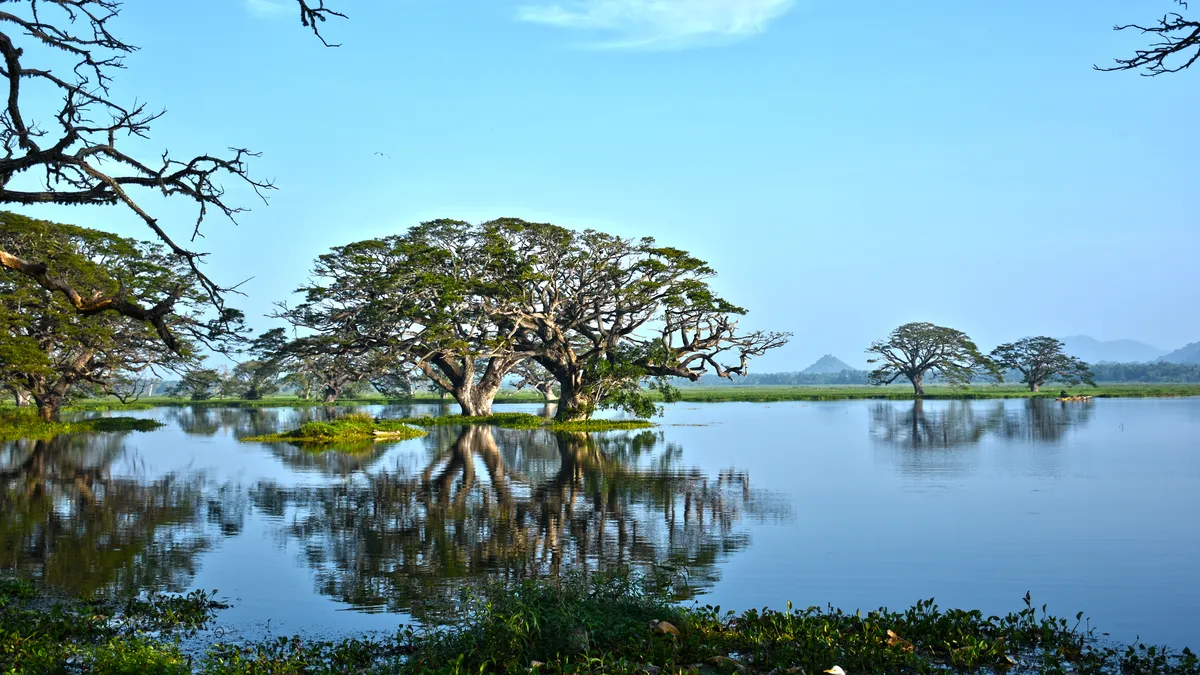
Visit at sunset (around 5:30 PM) and walk the bund on the western side for the best light and wildlife views—skip the boat ride unless you're a keen birdwatcher, as often call itunderwhelmingfor the price.
Travelers stop at Tissa Wewa (Tissa Lake) for the sunset reflection — a massive ancient reservoir that mirrors the sky and the nearby dagaba. The bank is a local hangout in the evening, with families and couples walking along the edge. It's a quiet, scenic pause between safaris.
Many visitors come expecting a peaceful, untouched lake experience, but the reality is that Tissa Wewa is a working reservoir with local activity—fishermen, bathers, and even some litter along the banks. The sunset is genuinely beautiful, with the sky reflecting off the water and silhouetted palm trees, but you'll likely share the view with a handful of other tourists and locals. Visitors mention that the best wildlife sightings (monitor lizards, water buffalo, and birds) happen from the bund (embankment) rather than on a boat, which can feel overpriced for what it is.
The presence of crocodiles—they're real and visible, but generally not aggressive unless provoked. Some the lake is more about a quiet stroll or bike ride than a dramatic attraction, and that the nearby Yala National Park offers far more intense wildlife experiences. If you're after a quick, calm break from Tissamaharamas dusty roads, this fit's the bill, but don't plan a whole day around it.
- Free to walk the bund; boat rides cost approx LKR 1500–3000 per person (negotiable)
- Best time: Sunset (5:00–6:30 PM) for golden hour and active wildlife
- Located on the edge of Tissamaharama town, a 10–15 minute walk or 5-minute tuk-tuk from the main junction (costs about LKR 200–300)
Have a specific question about Tissa Wewa (Tissa Lake)?
Ask BYC — honest answers from 300,000+ real guest reviews.