What to know before visiting Nuwara Eliya - honest advice from 14,093 guest reviews
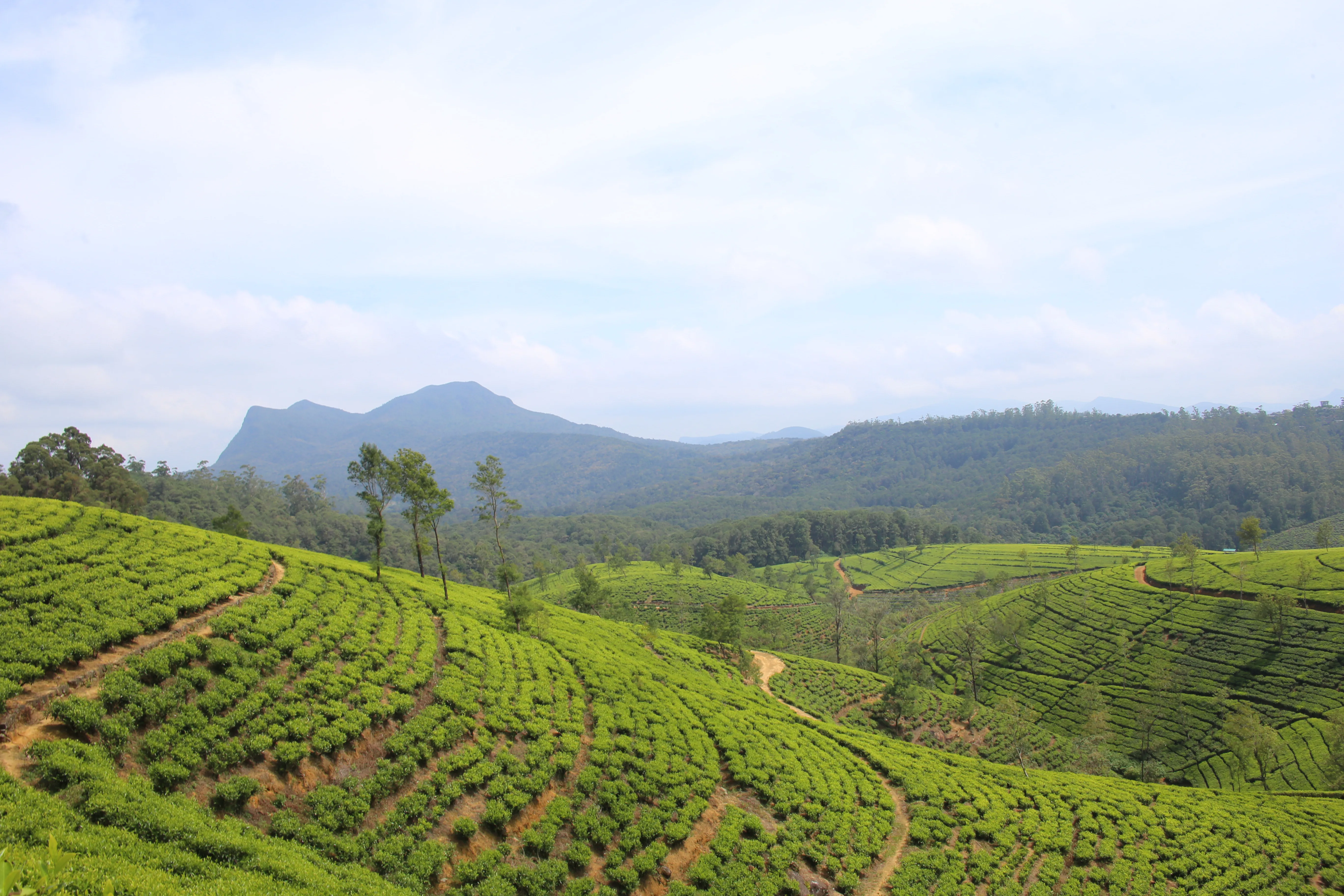
Nuwara Eliya is Sri Lanka’s cool, misty hill-country jewel — a town perched at nearly 1,900 metres above sea level where rolling tea estates, colonial villas and the crisp air of Little England replace the island’s coastal heat. It is also, in the honest words of the data, the most reward-if-you-plan-it-right destination in the country. Across 14,093 verified guest reviews of Nuwara Eliya properties in our database, the picture is unusually clear: the scenery and the tea never disappoint, travellers rate it a strong 8.57 out of 10, and nearly 68% of all reviews score their stay 9 or higher. But the cold is real, hot water is a luxury some properties simply don’t deliver, and the gap between what a place advertises and what it actually provides is wider here than almost anywhere else in Sri Lanka. This guide merges both sides of the story — what makes people fall hard for the tea country, and the patterns that leave badly-prepared travellers shivering.
1. The answer-first summary
Yes, Nuwara Eliya is absolutely worth visiting — and it rewards a proper overnight, not the rushed same-day drop-in most itineraries give it. The travellers who adore it book a warm, family-run guesthouse or a boutique villa near Gregory Lake, arrive with a jacket and a plan for hot water, and spend a morning on the tea estates or at Horton Plains before the mist burns off. The travellers who are disappointed almost always arrive in the middle of the June–August cold snap, book a big legacy hotel on the strength of its photos, and discover too late that heating, hot water and mould-proofing are not guaranteed. Here is the encouraging part: 6,750 of those 14,093 reviews score their stay 9.5 or higher, and the destination’s top-rated property — Private Villa by the Tea Estate — averages a spectacular 9.76 across 264 reviews. Get the basics right and Nuwara Eliya quietly becomes one of the most memorable nights of your whole Sri Lanka trip.
2. What makes Nuwara Eliya special
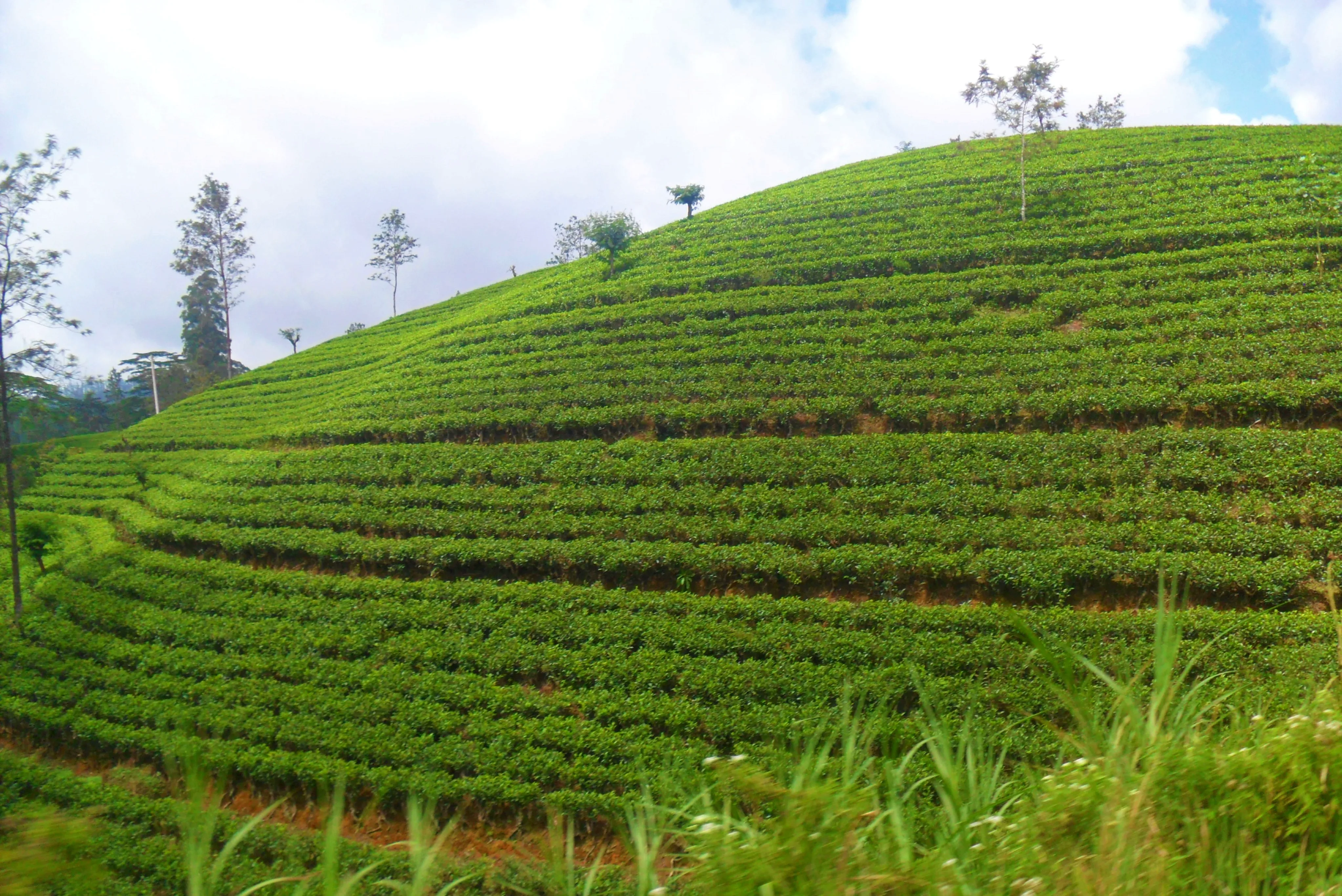
Nuwara Eliya’s pull is the antidote to everything else on the island. At nearly 1,900 metres, the air is genuinely cool — daytimes in the high teens, nights that drop toward freezing in the dry season — and the landscape is a green velvet of tea bushes cut by mist and the odd colonial-era facade. This is where Sri Lanka’s best tea is grown, and the estates around the town (many with working factories you can tour) are the closest thing the country has to a mountain resort that isn’t trying to be a beach.
The review data shows exactly what guests keep. “View” appears in a remarkable 3,337 Nuwara Eliya reviews — the single most-mentioned word in the whole corpus — and “staff” in 2,834, “breakfast” in 1,898 and “friendly” in 1,307. Guests talk about hillside rooms overlooking the tea, enormous cooked breakfasts that fuel a day at Horton Plains, a warm fire in the lounge after a misty day outside, and hosts who arrange early drivers and keep the kettle on. The word that keeps surfacing in the top-rated stays is welcome — Nuwara Eliya’s guesthouse scene is among the most genuinely hospitable in Sri Lanka, which is why so many of the glowing reviews read like thank-you notes.
Then there’s the town itself: Gregory Lake for a stroll or a boat, the flower-lined streets and the heritage hotels built for British planters, the Pedro or Blue Field tea estates for a factory tour that ends in a tasting, and Horton Plains’ World’s End clifftop a pre-dawn drive away. The tea-country day is the classic: wake early, catch the mist over the valleys, walk a plantation, and be back for a fire and a pot of the estate’s own brew before dark.
3. What catches people off guard
Over several thousand Nuwara Eliya reviews — including more than 1,268 that score their stay below 6/10 — five patterns recur with enough consistency that they are worth knowing before you book.
The cold is the single biggest factor, and many properties aren’t properly equipped for it. “Cold” appears in 293 reviews, “heater” or “heating” in more than 290, and “hot water” in 235. Nuwara Eliya is genuinely cold, especially June to August and the December–February dry cold, and a surprising number of guesthouses rely on thin blankets and portable heaters that barely take the edge off. Guests describe sleeping in multiple layers and still feeling cold, and lukewarm-then-freezing showers are a recurring complaint. Check recent reviews specifically about heating and hot water before you book — this single question decides whether your night is cosy or miserable.
Mould and dampness are widespread in the cool, humid air. “Mould” or “mold” appears in 78 reviews and “damp” in 48. The constant cool humidity is a breeding ground, and many guesthouses struggle to keep rooms fresh — musty smells, visible mould and damp bedding are common complaints. The top-end properties manage this with dehumidifiers and proper maintenance; budget options often don’t.
The big legacy hotels underperform their marketing. The data is blunt here: by our property-type analysis, Nuwara Eliya’s guesthouses, villas and boutique stays average roughly 8.8–9.0 across their reviews, while the hotels that market themselves as grand colonial heritage average a full notch lower, around 8.2–8.4 — with recurring complaints about tired rooms, heating that doesn’t work and dated fixtures. The heritage facades are lovely to photograph; the experience inside sometimes falls short of the brochure.
Overbooking is a real risk. Multiple travellers report arriving at their booked property only to be told it’s overbooked and they’re being moved to a different — often inferior — guesthouse down the road. It happens often enough that confirming your booking by phone the day before arrival is genuinely worth doing.
Photos can be misleading, and noise carries. Several properties use wide-angle lenses, strategic cropping and outdated images that flatter the current state of the rooms — read recent reviews, not the gallery. Thin walls mean you’ll hear neighbouring rooms and corridor noise, so pack earplugs if you’re a light sleeper.
4. Where the best of Nuwara Eliya is
The town splits into a few distinct pockets, and the choice shapes your stay. Around Gregory Lake is the scenic heart — lakeside guesthouses and boutique villas with the views that generate all those “view” mentions, and the top-rated stays (Private Villa by the Tea Estate, The Bellwood Manor, Hidden Treasure, Azenya Nuwara Eliya) cluster here. The town centre is handier for restaurants, the bus stand and the railway station, but more of the mid-tier hotels sit here and the average score dips. The surrounding estates — tea plantation stays a few kilometres out — are where the truly special accommodation lives, trading convenience for silence and panorama.
The best of Nuwara Eliya also lives in its timing. The lower average months in the data (“only” 8.31 in August, 8.72–8.95 in the shoulder) coincide with the cold-and-rain season and the crowds; the highest-scoring months — May at 9.03, November at 9.10, and December at 9.31 — reward travellers who come in the clearer, quieter windows. Whatever month you pick, the rhythm is the same: early for the mist, a warm lunch indoors, and a twilight walk by the lake.
5. When to visit Nuwara Eliya
The ideal window is March to May, when the skies are clearest, the views are at their most dramatic and the temperature is cool without being bitter. The December to February period is drier but significantly colder, with night-time temperatures dropping close to freezing — this is when the heating and hot-water problems bite hardest, so compensate with a well-equipped stay. June to August brings heavy rain, mist and colder conditions, and is the season where the accommodation shortcomings show up most acutely; it’s also when the review averages dip. September to November is shoulder season with unpredictable weather but lighter crowds and some of the highest traveller satisfaction. Whenever you come, pack layers: a warm jacket, a fleece, and good shoes for the misty mornings.
6. Where to stay — top picks from real reviews
- Private Villa by the Tea Estate (9.76/10) — Nuwara Eliya’s highest-rated property across 264 reviews, and the destination’s clear standout. A genuine tea-estate stay with panoramic views, modern comfort and a level of privacy no resort can match; guests call it a splurge worth making. Check availability → Private Villa by the Tea Estate
- The Bellwood Manor (9.61/10) — 122 reviews of boutique charm done right, with attentive staff, excellent food and the kind of warmth that makes the cold weather irrelevant. Check availability → The Bellwood Manor
- Azenya Nuwara Eliya (9.47/10) — 334 reviews and one of the town’s most reliable high performers, repeatedly praised for spotless rooms, real hot water and an excellent breakfast. A dependable mid-range choice that behaves like a boutique. Check availability → Azenya Nuwara Eliya
- Cozy Heaven (9.45/10) — a small guesthouse with a big heart across 287 reviews: home-cooked meals, a peaceful garden, and owners who treat every guest like family — the guesthouse excellence that defines the destination. Check availability → Cozy Heaven
- Suriya Guest (9.38/10) — 573 reviews and the best value in town, bar none. Impeccable cleanliness, genuinely warm family hospitality and a breakfast guests describe as the best they had in Sri Lanka. Book well ahead — it fills up fast. Check availability → Suriya Guest
If you want the grand colonial vibe, the heritage hotels (think Araliya Green City, Grand Hotel-style stately properties) deliver atmosphere and convenience — but the data is emphatic that the best value and the highest scores sit in the guesthouse, villa and boutique tier, where real heating and real hot water are the price of the ticket. For a trip built around the hill country, your best base is a warm, family-run stay near Gregory Lake or on a working estate, and your day-trip logic flows naturally toward Ella, the other great hill-country town on the rail line.
7. How it compares: Nuwara Eliya vs Ella
Nuwara Eliya and Ella are the two faces of Sri Lanka’s hill country, and travellers on the Kandy–Ella up-country rail route often weigh them against each other. They are genuinely different. Nuwara Eliya is the higher, colder, more “colonial” end — proper winter chill, vast tea estates, heritage hotels and Horton Plains’ World’s End within reach; it rewards travellers who plan for the cold and value scenery, history and a proper countryside stay. Ella is the lower, warmer, more backpacker-social end — the Nine Arch Bridge, Little Adam’s Peak and a livelier cafe-and-hostel scene, with easier access from the tourist trail. Nuwara Eliya scores a touch higher in the raw satisfaction data (8.57 vs Ella’s similar high-8s average) but demands more care in choosing your stay; Ella is more forgiving and more convenient, which is why so many first-timers choose it. The honest advice: if you only have one hill-country night, Ella is the safer, easier pick; if you have two and you love tea, big landscapes and a real mountain town, Nuwara Eliya is unforgettable — especially if you pair it with a night on an estate.
8. Getting there and around
Nuwara Eliya is best reached by the famous up-country railway — the Kandy–Nuwara Eliya–Ella line climbs through the misty tea country and is one of the most scenic train rides in the world; reserve a seat in advance on the Sri Lanka Railways site, and get off at Nanu Oya, ten minutes by tuk-tuk from town. By road it’s about 4–5 hours from Colombo, 3 hours from Kandy, and roughly 1.5–2 hours from Ella. Once in town, the tuk-tuk is the default for Gregory Lake, the tea factories and Nanu Oya station (US$2–5 per short hop, or negotiate a half-day rate of US$15–25 for the estate circuit). For Horton Plains’ World’s End, arrange a very early driver the night before — the gate opens before dawn and the views clear early in the day.
9. The bottom line
Nuwara Eliya is absolutely worth visiting — and the travellers who love it most are the ones who respect what it actually is: a cold, misty, deeply scenic mountain town where hospitality and warmth beat hotel polish every time. Book a guesthouse or boutique villa with proven heating and hot water (Suriya Guest, Cozy Heaven, Azenya and Private Villa by the Tea Estate across the top of the data), arrive with layers, do the early mist-and-tea day, and hide from the worst of the cold in a warm lounge with a pot of estate tea. Do that, and Nuwara Eliya will hand you one of the most quietly beautiful nights of your entire Sri Lanka trip. For the wider picture of where else the island will take you, see our best-time-to-visit guide and the overrated versus underrated destination breakdown.
Data: BYC.lk analysis of 14,093 verified guest reviews of Nuwara Eliya properties (Booking.com and other travel platforms), retrieved August 2026. Property-type averages and praise/concern counts drawn from the full Nuwara Eliya review corpus; tuk-tuk, rail and estate-tour pricing reflect published 2026 rates.
Have a specific question about your Sri Lanka trip?
Ask BYC at byc.lk — Free and honest. Some links are affiliate links and never change our advice.
Ask BYC Your Question →