Are Tourists Overcharged in Sri Lanka? The 'Foreigner Tax' Explained (2026)
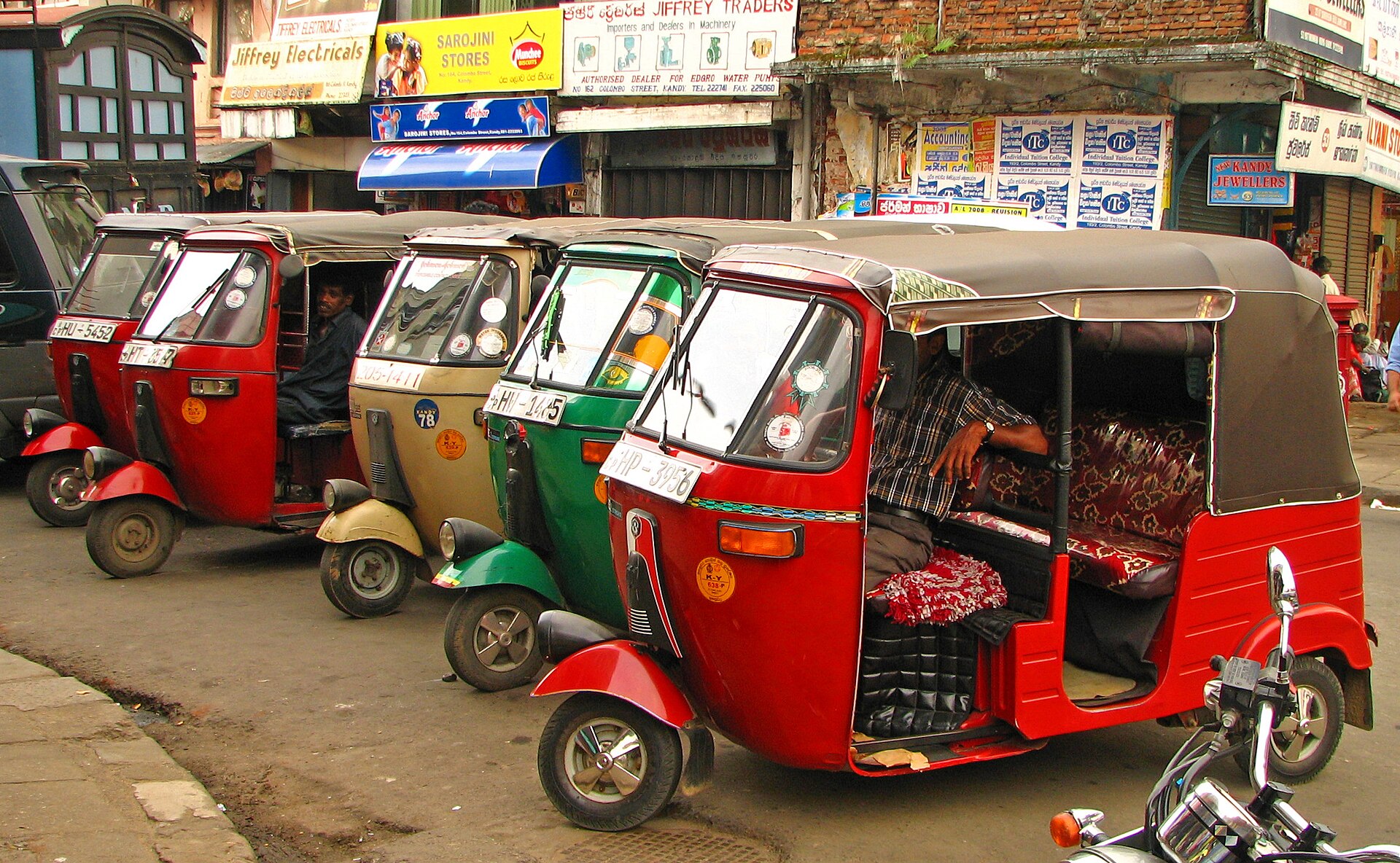
You step out of the tourist hub and ask a tuk-tuk driver the price to the beach. The quote — 900 rupees for a trip you later learn locals pay 200 for — feels off, but you have nothing to compare it against, so you pay it. Nearly every long-stay visitor in Sri Lanka has a version of this story, and it is the single most-asked question in travel circles for 2026: are tourists actually being overcharged, and by how much? The honest answer is yes — in specific places, by specific amounts — and once you can name the pattern and the fair numbers, it stops being a problem entirely. Here is what the “foreigner tax” really is, where it bites, and exactly how to pay the same honest rate a local would.
The short answer
Yes, tourists are overcharged in Sri Lanka — but it is narrower and more avoidable than the reputation suggests. In tourist-heavy areas like Ella, Mirissa, Sigiriya, Kandy and Galle, first quotes often run 50–90% above the app or local rate, and travellers who never negotiate can end up paying 2–3 times what a local pays for the same ride, tour or entry. The good news: this is a pricing negotiation game, not a widespread dishonesty of the whole country. The same friendly driver who quotes double will happily accept a fair, app-anchored number the moment you name it. Get three habits right — use the ride apps where they exist, carry a fair-price reference in your head, and be polite but firm — and you will pay within a whisker of the local rate for almost everything. Overcharging in Sri Lanka is a fixable inconvenience, not a dealbreaker.
What’s worth doing
- Let the apps set your baseline. PickMe (Sri Lanka’s home-grown app) and Uber quote the fare before you ride in Colombo, Kandy, Galle, Negombo and most towns. That number is your price anchor for the whole trip — if a street driver quotes 1,000 for a ride the app prices at 300, you know instantly to negotiate to around 300–400 or walk. Fares shown on the app are also what locals pay, which makes them the perfect “foreigner tax detector.”
- Name the fair price first, in rupees. In beach towns and the hill country, meters are rare. Instead of reacting to a high opening quote, lead with a calm, specific number — “1,000 rupees to Mirissa beach?” — anchored to the distance at around 80–100 LKR per kilometre. Leading with a fair offer signals you already know the local rate, and most drivers accept immediately. It halves the negotiation and nearly always lands at the honest price.
- Check distances before you ride. A 10-second glance at the journey’s kilometre count is your unfair-quote radar. Multiply by 100 LKR and you have your ceiling; anything far above it is the tourist markup talking. This one habit kills the information gap that lets the “foreigner tax” happen in the first place.
- Book big tours and safaris with a specific operator or your hotel’s desk. Package safari prices quoted by street touts near Yala or Udawalawe gate posts run well above the official park-entry fee plus a standard vehicle rate. Asking your guesthouse to arrange it, or booking a named operator directly, typically lands 20–40% cheaper — and you avoid the “surprise fuel surcharge” that touts add at the end.
- Hire a driver by the day for multi-stop days. A private car with a driver runs roughly $60–$90 per day (about 20,000–30,000 LKR) including fuel. For a full Cultural Triangle or south-coast loop, this removes dozens of individual negotiations and often works out cheaper than paying per ride — and a good driver also flags inflated shop prices for you, as many reviewers note.
Getting around
Moving between destinations brings the most exposure to the markup, so it pays to understand the economics. Tuk-tuks are king for short hops — anything under 5–10 km — at a fair rate of roughly $0.30/km (80–100 LKR) in tourist areas; a 1–3 km town hop should cost 200–400 LKR, and a 5 km town-to-beach ride about 400–600 LKR. For longer distances the smart money moves off three wheels. A reserved train seat between major stops (Kandy–Ella, or the south-coast line) costs a few dollars and is scenic in its own right; buses are cheaper still. A private car with driver at $60–$90/day makes sense for a full itinerary, and a one-way intercity transfer (south coast to the airport, say) is typically $60–$120. The places to stay most alert are the airport arrivals forecourt, heritage-site entrances (Sigiriya, Dambulla, the Galle Fort gates) and beach-town ranks — the classic spots where touts open at 2–3 times the app rate. Walk a few metres to a metered-kiosk or hail on the app instead. On trains and buses the price is fixed and printed, so the overcharge risk there is close to zero — which is a quiet relief after a week of haggling.
What to budget
Here is how a fair-price day in tourist Sri Lanka actually breaks down (in USD, at roughly 330 LKR to the dollar), so you can spot when a quote is running hot:
- Accommodation: a solid guesthouse or mid-range hotel runs $25–$60/night; beach towns and Ella sit at the top of that band. This is rarely the overcharge battleground — posted prices online keep it honest.
- Meals: a local rice-and-curry plate is $2–$4, a good restaurant meal $8–$15. Watch for the 10% service charge plus VAT some tourist restaurants add on top — that is built into the menu in many cases, so ask if it is included before you assume the listed price is final.
- Transport: $5–$10/day for several short tuk-tuk hops plus the occasional longer ride at fair rates. This is where the markup bites hardest — an unguarded day of street quotes can silently double this line from $10 to $20.
- Activities & entry: monuments use a two-tier foreigner/local ticket (Sigiriya and the main temples being the big ones). Budget $10–$50 per major site depending on which; safari park-entry plus a shared vehicle runs roughly $50–$90. This dual pricing is official and printed — annoying, but not a scam, and not negotiable.
Add it up and a comfortable trip lands around $45–$80 per person per day. The “foreigner tax” is rarely the thing that breaks a budget — it is the drain that quietly inflates the transport and activity lines by a third unless you stay alert. Paying the honest rate is not about frugality; it is about not carrying the sour feeling of having paid double for a ten-minute ride.
WATCH OUT FOR
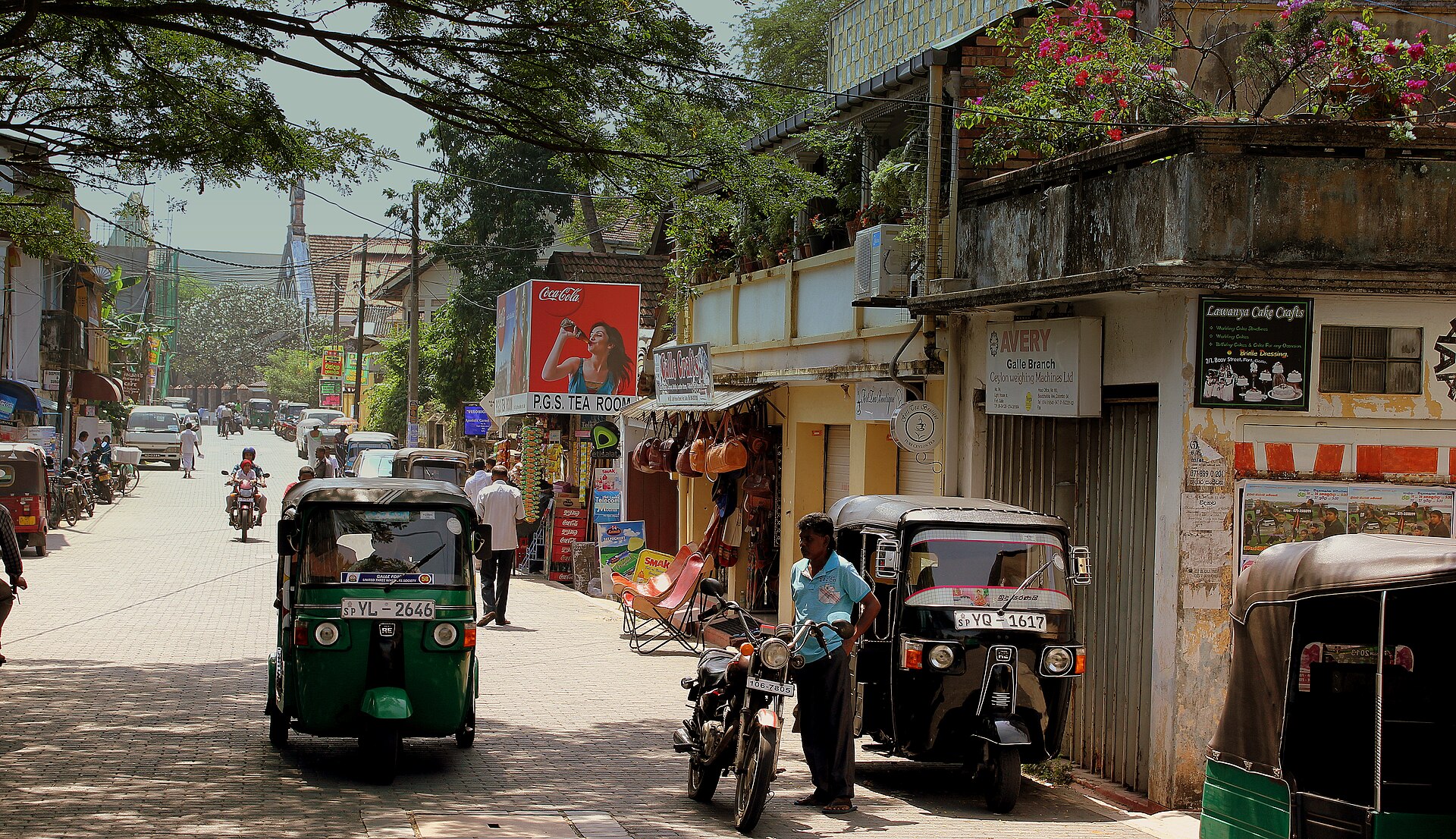
- The targeted “foreigner price.” Many places — rides, some shops, some restaurants — quote one number to a local and a higher one to a foreigner. It is not personal and not malicious; it is simply that haggling is expected. Name an app-anchored fair number and you reset the conversation to normal.
- The “meter is broken” line in metered cities. In Colombo, Kandy or Galle a driver claiming the meter is faulty is usually setting up a flat rate well above the meter price. Use the app or insist on a working meter — there is no reason to accept an unmetered fare where a meter exists.
- Airport and site-entrance touts. Quotes at the arrivals forecourt and at heritage gates run 2–3 times the app rate (a Negombo trip from the airport can be quoted at 1,500–3,000 LKR vs ~500–800 on the app). Walk to a kiosk or book on the app before stepping out. Never accept a lift from a tout who “has a cousin” with a great hotel or safari.
- Fake guides and inflated safaris. Unofficial “guides” near monuments and gate posts charge for access you may already be entitled to, and street safari quotes skip the fact that official park fees are separate from the vehicle. Ask your guesthouse to arrange guided visits and safaris, or book a named operator directly.
- The end-of-ride fare bump. On the rare occasion a driver asks for more than agreed once you arrive, stay calm, restate the number you agreed, and pay that. Standing firm on an agreed price is not rudeness — it is the norm in every market in the country.
GOOD TO KNOW
- It is genuinely dual-priced, and mostly it is fine. Sri Lanka runs a two-tier system for many tourist services: foreigners often pay more than locals for the same ride or ticket. Much of it is official (entry fees) and the rest lives in the negotiation, so the skill is not being indignant — it is knowing the fair number.
- Small rupee notes are your friend. Street drivers rarely have change for big 1,000 and 5,000 LKR notes early in the day. Carry 100, 200 and 500 notes so paying the exact fair fare is easy, which also removes room for “no change” padding.
- Tip at the end, in rupees, based on service. Round up 50–100 LKR on a short ride, or leave 500–1,000 for an excellent full-day driver. Never tip in advance, and never tip before the price is agreed — it blurs the line and invites a higher quote next time.
- Prices drift by season and region. Peak season (December–February) and the busiest beach towns carry a 1.3–2x premium over shoulder-season rural rates. Apply the higher end of the per-km range in Mirissa at Christmas, and expect closer-to-local pricing on quiet roads in the low season.
- Your hotel staff will help if you ask. Reviewers routinely note that calling the guesthouse’s front desk for a fair ride price or having them arrange a driver removes the whole guessing game. Using their vetted contacts is not naive — it is the smartest anti-overcharge tool you have.
WHERE TO STAY
- Mount Blue Kandy — guests repeatedly note the staff’s straightforward, app-anchored tuk-tuk advice for the 300–500 LKR ride down into town, so you never overpay on the steep, quote-prone hill route.
- Shade Home Mirissa — travellers praise the friendly team for arranging reliable, fairly-priced tuk-tuk pick-ups around Mirissa, removing the stress of flagging a driver in one of the coast’s most tout-heavy strips.
- Sigiriya Village Hotel — reviewers highlight the property organising fair day-hire rates for the Sigiriya and Pidurangala climbs, where standalone drivers near the rock are notorious for premium quotes.
- Anchor Point Unawatuna — a calm base whose guests note the easy, honestly-priced tuk-tuk hop into Galle Fort, letting you explore the walled city without paying tourist-gate prices for a short ride.
- JKAB Beach Cabanas (Trincomalee) — a friendly budget pick where reviewers mention the owners arranging reasonable transfers to Nilaveli beach and the harbour, keeping east-coast transport transparent.
The bottom line
Yes, the “foreigner tax” is real in Sri Lanka — but it is a negotiation you can win with three habits: let the ride apps set your reference, name a fair rupee number first, and book the big-ticket safaris and guides through your hotel or a named operator. Do that and you will pay within a whisker of the local rate, keep more of your budget for the parts of Sri Lanka you actually came for, and leave with the good kind of story — the one about the island’s warmth and beauty, not the haggling. The honest price unlocks the version of the trip everyone hopes for.
Have a specific question about your Sri Lanka trip?
Ask BYC at byc.lk — Free and honest. Some links are affiliate links and never change our advice.
Ask BYC Your Question →