Can I Pay by Card in Sri Lanka, or Do I Need Cash? (USD & ATMs, 2026)
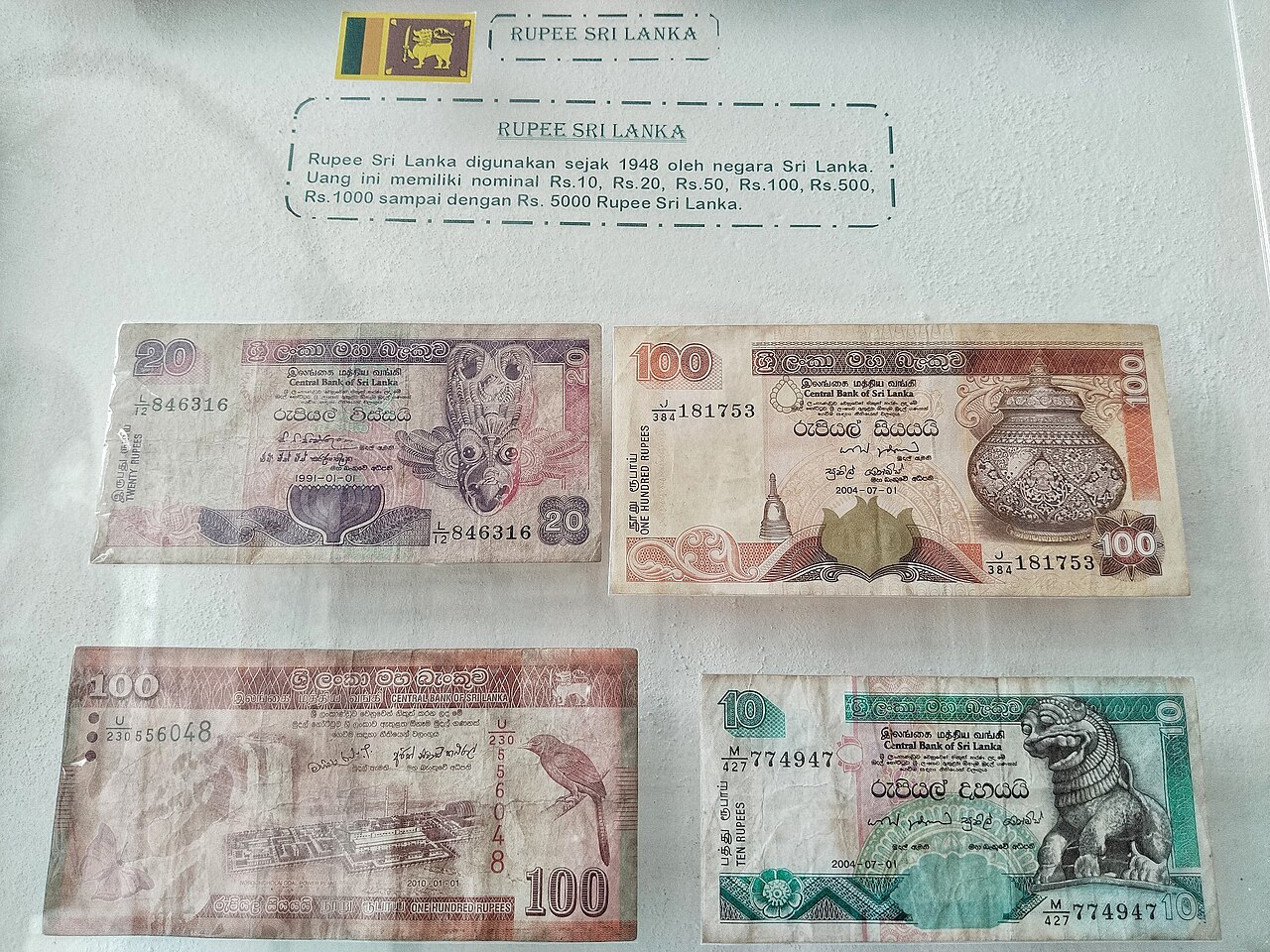
Yes, you can pay by card for a lot of Sri Lanka in 2026 — hotels, mid-range restaurants, driver transfers and the big-ticket bookings all happily take Visa and Mastercard — but you still need a working supply of cash (Sri Lankan rupees) for tuk-tuks, small guesthouses, local stalls, temple donations and most park-adjacent payments like tips and gate fees. The honest 2026 rule is a split: card for the large and the booked, cash for the small and the spontaneous, and almost never hand over US dollars at a normal point of sale.
This is the question that trips up first-timers more than almost any other before a Sri Lanka trip, and it shows up again and again in the planning forums. Can I just tap my card everywhere like at home? Do I need to carry a fat wad of dollars? Will the guy at Sigiriya take my US bills, or does everything have to be local rupees? The short, portable answer: Sri Lanka runs on a card-and-cash hybrid where the balance tilts to cash the smaller and more local the transaction gets — but it is a lot more card-friendly than it was even two or three years ago. This guide settles the mechanics so you arrive with the right mix and the right notes, and never get caught short (or overcharged) in the moment.
Last updated: September 5, 2026. Figures below are drawn from our analysis of 353,633 real guest reviews of Sri Lanka stays, cross-checked with how stays actually take payment.
The short answer
Carry a working Visa or Mastercard for the big stuff, and a practical cushion of Sri Lankan rupees in cash for the small stuff — and pay in rupees, not dollars, except where travel prices are explicitly advertised in dollars. Hotels, mid-range and upmarket restaurants, driver services, tour operators and most legit wildlife packages take card willingly (and often at a small booking fee you should confirm up front). Tuk-tuks, street food, small family guesthouses, temples, tips and most park gates still run on cash in rupees. In our 353,633-review corpus, “cash only” comes up as a real constraint at the budget end of stays, while ATM and card acceptance are near-universal in the towns and resort areas most travellers use.
Do not plan to pay everyday things with US dollars. Sri Lanka’s everyday economy prices in rupees, and a shop, restaurant or driver quoting you in dollars is usually either a tourist-priced transaction or a convenience they will price in their favour — frequently with a worse rate than the cards and ATMs give you.
The mental model that saves you trouble: think of your money in two buckets. Bucket one is the “booked” bucket — accommodation, a chauffeured driver, a safari package, a whale-watching trip — things arranged in advance, often priced in dollars or on the hotel’s card terminal, and comfortably handled by card. Bucket two is the “day” bucket — tuk-tuk rides, lunch at a beach shack, a temple entry, a tip, fruit from a roadside stall — all of which happen in cash, in rupees, as you go. Roughly speaking many travellers find a third to a half of their daily spend wants to be cash. For the exact daily totals by travel style, our 2026 Sri Lanka cost guide is the place to start.
What’s worth doing — how payments actually split
Here is the practical 2026 map of what takes what, built from how hundreds of thousands of real stays pay. Use it to work out your own cash-to-card split before you fly.
- Hotels and guesthouses: card almost everywhere you’d book from home. Mid-range and upmarket properties, plus most booking-platform listings, run card terminals and accept Visa and Mastercard at check-in or check-out. The exceptions are the very cheapest budget rooms and some tiny family stays — our review data shows “cash only” cropping up almost entirely at that budget end — so if you are staying in $15–30 guesthouses, ask about card before you arrive and keep cash for them.
- Restaurants: card at mid-range and up; cash at small and local. Restaurants and cafés that cater to travellers — the kind with menus in English, on the main strips of Mirissa, Weligama, Ella, Kandy, Galle Fort — take card and often contactless. The brilliant local kitchens, beach shacks, rice-and-curry spots and street stalls are cash-only in rupees. A good rule: if there is a laminated English menu and a proper till, card is likely fine; if it is a family kitchen, assume cash.
- Tuk-tuks and taxis: cash, in rupees. Tuk-tuks are effectively cash-only; a few city ones now take card or apps, but do not count on it. Agree the fare (or run the meter) and pay in small- to medium-rupee notes. For longer hops a pre-agreed chauffeured driver will happily take card or a bank transfer for the big invoice, but keep cash for their local stops.
- Driver and tour services: card or a booking for the main sum. A multi-day driver, a safari through a reputable lodge, a whale-watching boat — these are usually arranged and paid by card or by a deposit online, often priced in dollars or euros. The tip and the small extras along the way are cash.
- Attractions and park gates: rupees in cash is the safe default. This is the one that confuses travellers, because headline entries (Sigiriya, Dambulla, Yala, the Cultural Triangle sites) are often advertised in US dollars to foreigners. What that means in practice is that the entry is expressed in dollars but collected in the local currency equivalent — and the mechanism differs. Government-run park and site offices increasingly take card at major gates, but the reliable, friction-free path is rupees in cash at the weekday-adult foreign rate. The instant you try to hand over dollar bills, you invite a conversion that rarely favours you (more below).
- Markets, temples and tips: cash. Temple offerings and small donations, local market stalls, artisan shops and every tip you leave are rupee-cash transactions. Carry a spread of lower notes (200s, 500s, 1,000s) so you are never asking a stallholder to break a 5,000.
- Coastal and east-coast quirks. Across the south- and east-coast beach belt, plenty of stays and eats take card — but reviewers repeatedly flag cash-only surprises on quiet beaches (at least one east-coast property routes card payments through a neighbouring shop for a fee). The emptier and more remote the place, the more you should assume cash.
The USD question: can you pay in dollars at attractions?
This is where the forums get most confused, and it is worth stating plainly. Sri Lanka’s headline tourist sites price foreign-adult entry in US dollars, but the transaction effectively happens in rupees, and you should pay in rupees — in cash or where accepted, by card — not by handing over dollar notes.
When an entry is advertised as “$30 for foreign adults,” what that really means is a price anchored to the dollar so it does not drift with the rupee. At the gate you pay the rupee equivalent (roughly 30 × the day’s rate). Some official counters quote you that rupee figure and take card; others expect cash rupees. The surest way to avoid being caught short is to keep enough rupees on hand for the park and site entries on your itinerary on the days you visit them, and to confirm at booking/at the gate whether your specific site takes card.
What you should almost never do is wave US dollar notes at a ticket office, a driver or a shop as a blanket payment method. A few heavily-touristed operations quote in dollars and will accept them at a fixed rate (usually set to their advantage), but for anything not explicitly quoted in dollars, offering dollars forces an on-the-spot conversion you will lose on. Our review corpus turns up travellers who were overcharged precisely this way — handed a bill converted into the currency the business preferred rather than the guest’s own. The clean, cheap move is: change or withdraw into rupees, and let your card and ATM do any currency work at proper rates.
Using cards and ATMs — the mechanics
Cards and ATMs are genuinely widespread in the towns and resort areas the vast majority of travellers use. In 353,633 reviews of Sri Lanka stays, ATMs are a routine, expected part of island life — thousands of guests mention using them without drama. Here is how to make them work cleanly:
- Visa and Mastercard are the ones to carry. They are near-universal in Sri Lanka. Amex is rarely accepted and is not worth relying on; bring a Visa or Mastercard debit or credit card as your workhorse.
- Withdraw cash from ATMs as you go rather than carrying it all. Bank of Ceylon, Commercial Bank, Peoples Bank, Sampath and the main networks have ATMs in every town on your route and at the airport. In-city and resort-area ATMs are reliable; if you are heading somewhere genuinely remote (deep east coast, certain rural stretches), top up before you leave the last big town — that is the one recurring “stuck without an ATM” scenario reviewers describe.
- Watch the fees, not the existence. Your own bank’s foreign-transaction and ATM fees, plus a possible local network fee, are the real cost — not difficulty finding a machine. Choosing one weekday withdrawal of a sensible amount beats many small panic-withdrawals that each stack fees.
- Keep your card and cash in separate places. If your wallet is lost or a card is skimmed, you want cash still in your bag to finish the day and a second card or account reachable. Splitting cards between a wallet and your luggage is a habit that pays off exactly once — and it is cheap insurance.
- Confirm card surcharges before you hand it over. A minority of stays and operators pass on a booking-platform or card fee (our review data shows the odd “3% extra for card” and one property routing card via a neighbouring shop for a commission). If a fee appears, it is usually small — but knowing it up front beats discovering it on the bill.
What to budget
Because your money splits into a card bucket and a cash bucket, the real planning question is how much to hold as physical rupees. For a detailed per-day total across travel styles, see our 2026 cost guide and the how-much-cash page; here is the shape of it for the payment mechanics:
- Arrival cash: converting or withdrawing the equivalent of roughly US$60–100 into Sri Lankan rupees on arrival covers your first day or two of tuk-tuks, meals and small costs comfortably while you find your feet. The airport has official money-changers and ATMs that work immediately.
- Daily cash needs: budget physical rupees for roughly a third to a half of your per-day spend — the portion that is tuk-tuks, meals at small places, sites, tips and sundries. The rest — hotels and big bookings — flows through your card later.
- Site-entry days: on days you visit a headline attraction (Sigiriya, Dambulla, Yala, Kandy’s Temple of the Tooth), front-load enough rupees that morning to cover the entry at the gate without scrambling — these are the moments travellers wish they had more cash.
- Small notes matter: carry a spread of 200-, 500- and 1,000-rupee notes for tuk-tuks and stalls. Large denominations are fine at hotels and proper shops, but a stallholder on a quiet street may not break a 5,000-rupee note first thing.
- Cards for the rest: let your card handle hotels, mid-range restaurants, driver invoices and any booking made online. You will realistically touch it for a good share of a day’s spend without ever stressing about running dry.
WATCH OUT FOR
These are the real money traps travellers hit, drawn from thousands of guest reviews — so you pay with eyes open:
- The “pay in my currency” conversion. When a hotel, driver or shop gives you the choice, always choose to pay in Sri Lankan rupees. Choosing “pay in dollars/euros” (or letting the business silently convert for you) usually means their rate — and reviewers describe being charged in the merchant’s preferred currency at a worse result than if they had simply paid rupees. Insist on LKR.
- The “cash only” budget surprise. The cheapest tier of stays and the most remote beaches genuinely run cash-only, and a few route card through a neighbour for a fee. Ask about card before you book somewhere very cheap or very remote, and always hold some rupees as a buffer for exactly these places.
- Handing over dollars as a daily habit. Sri Lanka’s everyday economy is priced in rupees. Paying everyday things in dollars invites an on-the-spot conversion set in the seller’s favour and marks you as a target for inflated quotes. Use rupees for the street and let a legitimate money-changer or ATM create them.
- Park-gate ambiguity. Headline sites advertise USD prices, which makes travellers assume dollars are accepted — but the collection happens in rupees. If you have converted nothing and the gate wants cash rupees you cannot produce with a card, you face a scramble. Keep rupees for the sites on your route and confirm card acceptance at the specific gate.
- Card-skimming and one-card risks. Reviews occasionally mention a compromised card or a business emailing a card link after a hack. Use a card you can freeze in an app, keep a second card separate from your wallet, and never enter card details into a link a hotel emails you unsolicited.
- The upfront-payment ask. If a driver or operator asks for a large percentage (say 50%) up front with no booking trail, that is a red flag pattern — legitimate operators take a deposit or arrange an online booking with a receipt. Read reviews, book through a platform where you can, and keep a paper trail for any big prepayment.
GOOD TO KNOW
- Contactless is increasingly common at mid-range restaurants and hotels in tourist towns, though not universal — carry the physical card, not just a phone wallet, as your reliable fallback.
- The airport is a fine place to get your first rupees — official money changers and ATMs meet you in arrivals. Changing a modest first amount there and topping up in-town at ATMs is the cleanest, most fee-sensible pattern.
- Choose rupees at every card terminal that offers you a choice of billing currency (dynamic currency conversion). Picking LKR avoids a poor merchant-side exchange rate; your bank converts at the real rate.
- Prepaid travel / forex cards with USD loaded work at the same Visa/Mastercard terminals, but you still end up paying on-site charges in rupees — so the card handles the booked stuff and you still want a cash cushion in LKR for the day bucket.
- Your driver is a currency ally, not a bank. A good driver flags fair prices and good exchange points, but do not assume he carries change for large notes or runs a card machine for small stops — small notes in your pocket do that job.
- Tourist SIM/phone redundancy is separate but related: being able to call or message your hotel or driver when plans shift is part of spending smoothly — grab a quick SIM or eSIM on arrival so a “can you break a 5,000?” moment never strands you.
The bottom line
Come to Sri Lanka with a working Visa or Mastercard for the hotels, the booked tours and the mid-range restaurants — and a sensible cushion of Sri Lankan rupees in cash for the tuk-tuks, small stays, sites, markets and tips that still run on paper. Pay everyday things in rupees — not dollars — let your card and ATMs do the currency work at fair rates, always choose to be billed in LKR, and front-load cash on the days you visit a big-ticket site. Get the split right and you will never once feel short, and never hand a single dollar bill where a clean rupee would have done the job better.
Budgeting the totals? Start with our 2026 cost guide, then set your rupee cushion with the how-much-cash guide and run the numbers in the Trip Budget Calculator. And if food hygiene is the other planning worry next to money, our food & water safety page settles that one too.
Have a specific question about your Sri Lanka trip?
Ask BYC at byc.lk — Free and honest. Some links are affiliate links and never change our advice.
Ask BYC Your Question →