How Much Cash Should You Bring to Sri Lanka? A 2026 Money Guide
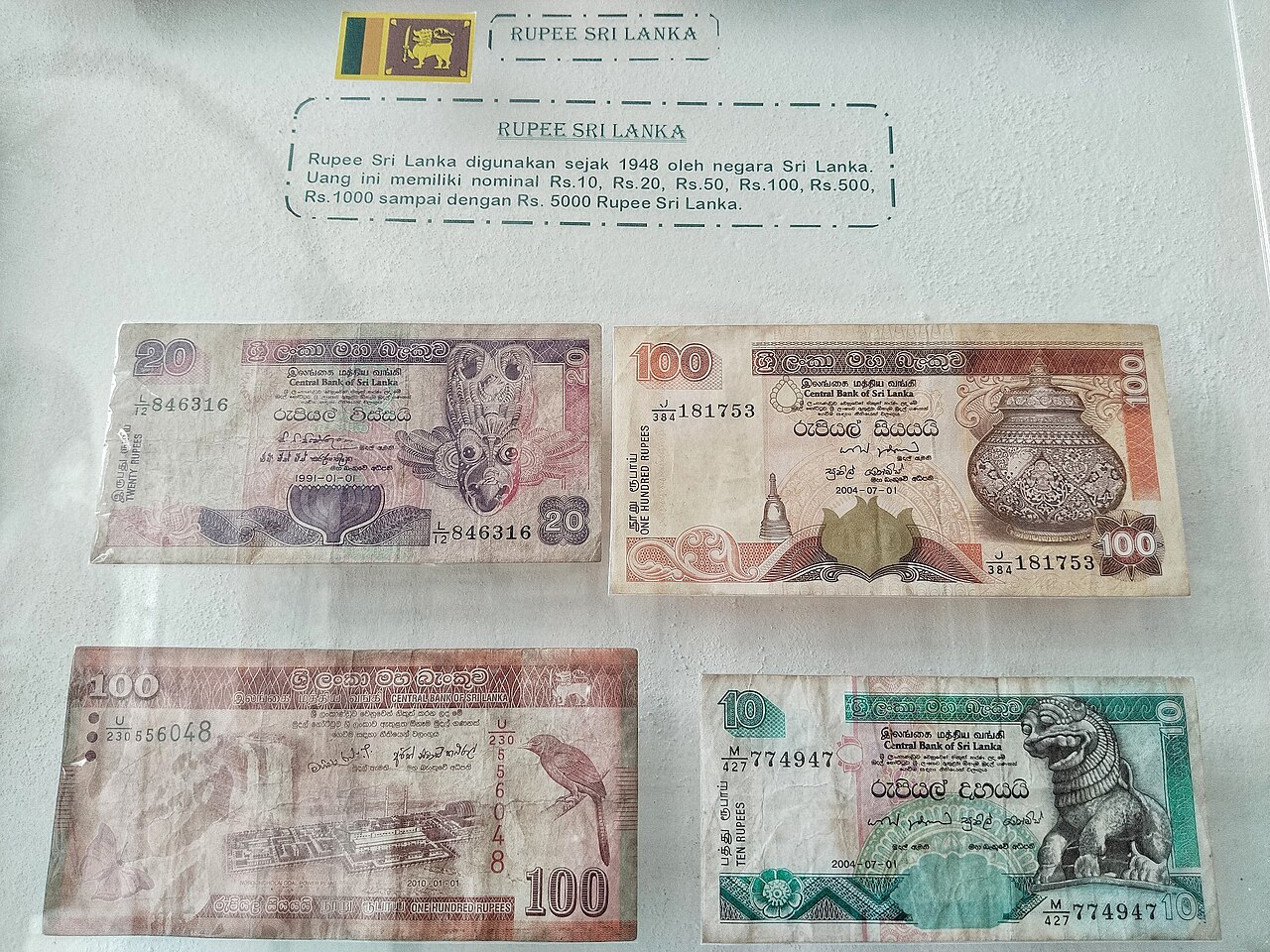
Every Sri Lanka trip starts with the same quiet worry before it starts with the packing: how much cash do I actually need to carry, and how much can I get away with paying by card? Tourists who land without a plan end up either stuffing a wallet with far too many rupees or hunting for an ATM at the worst possible moment — usually the instant a tuk-tuk driver names his price. The good news is that the answer in 2026 is surprisingly comfortable, as long as you split your money the right way - and for the full daily-budget breakdown by travel style, see our Sri Lanka cost guide.
The short answer
Bring around $50–60 per person per day in Sri Lankan rupees in cash, and rely on a card for the big-ticket items like hotels and long transfers. As a rough rule for a typical trip you will want roughly a third of your daily budget in paper money and two-thirds available by card. For most travellers carrying the equivalent of $300–400 in rupees (about 100,000–130,000 LKR at today's rate of roughly 330 rupees to the dollar) spread across the first few days — plus a working ATM card for top-ups — covers virtually every everyday expense without you ever feeling short. In 2026 Sri Lanka still runs largely on cash, but it is no longer a cash-only island.
What's worth doing
- Carry small-denomination rupees for the small stuff. Tuk-tuk rides, beach shack lunches, a fresh king coconut, a temple donation, a bottle of water — these are all cash in Sri Lanka, and they add up fast. Having 500 and 1,000 rupee notes broken into smaller change is the single most friction-reducing habit on the island.
- Pay by card for accommodation, big meals and long transfers. Hotels, mid-range and up, plus restaurants in tourist centres and app-based taxis all accept cards without fuss. This is exactly where your money is safest and easiest — keep the cash for the street and the small family businesses.
- Use ride-hailing apps for transport. PickMe and Uber let you pay by card and skip the needing to carry enough cash for a cross-town ride. It removes the single most common "I'm out of rupees" moment in the country — and the meter is set by the app, not the driver.
- Keep a small emergency reserve in crisp US dollars. A tucked-away $100–200 in clean USD (notes issued after 2013, unmarked and unfolded) is your safety net for a card that stops working or a town with a cash-machine problem. You can exchange it at any bank or authorised money-changer when you need it.
- Settle hotel extras and day-trip packages before you check out. Safari bookings with drivers, whale-watching boats, surf lessons and guided day tours are usually cash deals arranged the day before. Budget for these separately so you are not draining your daily rupee float to cover a $40 safari at the last minute.
- Withdraw from ATMs in larger amounts, less often. Fees on foreign cards stack up fast if you pull out small sums daily. One or two bigger withdrawals get you a better effective rate for your fee, leave you with useful change, and cut the number of times you are tied to a machine.
Getting around
How you move between destinations decides a surprising share of your cash burden, because transport is where Sri Lanka is least card-friendly day to day - our getting around Sri Lanka guide breaks down costs by mode. The honest 2026 picture:
- Local buses are cash-only. A short hop costs LKR 30–100 (under $0.30), longer intercity runs LKR 300–1,000 ($1–3). You need exact or near-exact change — the conductor rarely has much. This is the cheapest way to see the island and the most cash-hungry, so keep small notes handy.
- Trains take cash for tickets. Booking ahead online works by card, but buying on the day at a station window is cash. A reserved first-class or second-class seat from Colombo to Kandy or Nanu Oya runs LKR 1,000–3,500 ($3–11); unreserved is a few hundred rupees - our Kandy to Ella train guide has current fares and booking advice.
- Tuk-tuks: cash unless you use an app. Hailed on the street, you pay cash — always agree the fare before you get in. A typical short city ride is LKR 200–600 ($0.60–2). Via PickMe or Uber you can pay by card, which is the easiest way to keep your cash for other things.
- Private cars with drivers: settle in cash or card. Multi-day driver packages are usually quoted per day ($50–90 including fuel and the driver's keep) and often paid in cash at the end - see our private driver cost guide for what to pay. Negotiate whether card is accepted when you book — and confirm the total before the last day.
- Do not rely on card for on-the-spot rural purchases. Stalls at Sigiriya's base, roadside fruit sellers, a village tea stop — these are cash-only. If a card machine appears in a remote spot, treat it with suspicion rather than relief.
What to budget
The daily cash number depends on your style, but here is a realistic 2026 breakdown for one person, with the cash share noted:
- Accommodation: $10–40 for a guesthouse or budget room, $40–100 mid-range, $120+ for luxury. Almost always paid by card at checkout — little cash needed.
- Meals: $1.50–4 for a local rice-and-curry, $5–10 for a tourist-cafe meal, $15–30 for a nice dinner. Street food and small family restaurants are cash; the cash share of meals is roughly half.
- Activities: Temples $1–3, surf lessons $20–35, a safari with driver $35–80, a whale-watching trip $30–50 - see our Yala guide for safari costs. Most arranged activities are cash the day before — this is your biggest cash line.
- Transport: $0.30–3 for buses and local trains, tuk-tuks $1–2 a ride, day-rate drivers $50–90. Buses, trains and street tuk-tuks are cash; app rides and booked cars can be card.
- Extras and tips: $1–5 a day for water, snacks, a temple donation or a small tip. All cash.
Add it up and a mid-range traveller realistically spends $70–110 a day all-in, of which about $45–60 actually needs to be cash (meals on the street, arranged activities, buses and street tuk-tuks). A budget traveller can hold that cash figure to $25–35 a day. Plan your cash float around the cash slice, not the whole spend, and you will never be caught short.
WATCH OUT FOR
- Old, marked or damaged US dollar notes. Sri Lankan banks and money-changers routinely refuse USD printed before 2013, or notes that are folded, stamped or torn. Carry crisp, clean, recent bills or you may find a $50 nobody will take.
- Foreign-ATM fees stacking up. Most local ATMs charge LKR 350–800 ($1–2.50) per withdrawal on top of whatever your home bank adds, and daily limits are often low (LKR 50,000–100,000). Withdraw big and rarely — five small daily pulls can silently cost you $15+ in fees over a week.
- Being quoted in dollars for small things. Some beachfront vendors will quote a price in USD to a tourist — at a lousy conversion. Ask for the price in rupees. If they insist on dollars, work out whether it is better than the going rate before you agree.
- The "card machine is broken" line. It happens in tourist spots more than it should, suddenly leaving you needing cash for a meal that should have been plastic. Keep a small rupee buffer precisely for this — it is the oldest trick in the island's book.
- Change that never quite appears. A driver or stallholder who "has no change" for your 5,000-rupee note for a 300-rupee ride. Carry 100 and 500 notes so you are never handing over a big bill for a tiny fare.
- Double-checking the ATM before you trust it. Card-skimming is rare but not extinct; use machines attached to real bank branches in daylight, and cover the keypad. If something feels off, walk to the next bank.
GOOD TO KNOW
- Cards now work almost everywhere tourists go. Visa and Mastercard are widely accepted at hotels, mid-range restaurants, supermarkets, pharmacies and via ride-hailing and online booking. Amex is thinner on the ground — carry a Visa or Mastercard as your main.
- Notify your bank before you fly. Sri Lanka is a normal, active destination, but a routine travel notice prevents a card block on day one when you are standing at a terminal checkout.
- The rate is roughly 330 rupees to the dollar in 2026. It moves, so check the live rate a day before you go and use it to sanity-check any quoted price or exchange offer. Anything within 3–5% of the mid-market rate is fair on the street.
- Exchange at official money-changers and banks for the best rate. Airport counters exist for convenience but the spread is wider; a bank downtown or a licensed changer in any tourist centre usually beats it. Keep the receipts — you may need one to re-convert leftover rupees on departure.
- Don't exchange everything at once. Get enough for the first couple of days at the airport, then top up at banks as you travel. Carrying a trip's entire budget in cash is an unnecessary risk if a bag goes missing.
- A dial-a-driver day is a good cash-planning anchor. Since driver packages are often settled in cash at the end, know the agreed total in advance and keep it separate from your daily float — it is the one big lump-sum cash payment most travellers make.
WHERE TO STAY
Nothing about the money question changes where you should sleep, but a card-friendly, well-reviewed stay lowers your day-to-day cash stress. These come straight from the review data - and for budget stays specifically, see our best hostels and budget stays guide:
- Wake Up Colombo (Colombo) — 9.12/10. Reviewers consistently praise the helpful staff and smooth check-in with card payment, and one wrote that it is "perfect for transit — clean, safe and easy" — a low-friction start to a trip.
- The Kandy House (Kandy) — 9.30/10. A heritage boutique where guests repeatedly mention the "beautiful, calm" setting and the easy, polished service — the kind of stay where card checkout and settled billing are simply not a concern.
- Ceylan House (Hikkaduwa) — 9.71/10. A small family-run spot that reviewers call "incredible value" with hosts who "went above and beyond" — exactly the sort of friendly base where being clear about cash versus card up front keeps everything simple.
- Understar Galle Fort (Galle) — 9.48/10. Guests love the "fantastic location inside the fort" and the warm, attentive hosting — a smart base where you can sort payments at check-out calmly rather than on a busy street.
- Elephant Rock (Habarana) — 9.35/10. Reviewers highlight the "amazing" staff and the easy arrangement of safari day-trips — and because those trips are often cash, staying somewhere organised means the cash planning is handled for you.
The bottom line
Bring roughly $50–60 a day in rupees, keep a card for the bigger bills, and keep a little clean USD in reserve — and money will quietly stop being part of your Sri Lanka trip at all. The island still loves its cash, but it meets tourists more than halfway with cards and apps, which means the planning is straightforward rather than stressful. Sort your float on day one, and you will spend the rest of the trip thinking about beaches, trains and elephants instead of banknotes.
Have a specific question about your Sri Lanka trip?
Ask BYC at byc.lk — Free and honest. Some links are affiliate links and never change our advice.
Ask BYC Your Question →