Is Yala Closed in October 2026? Blocks 1 & 2 Reopened 16 October
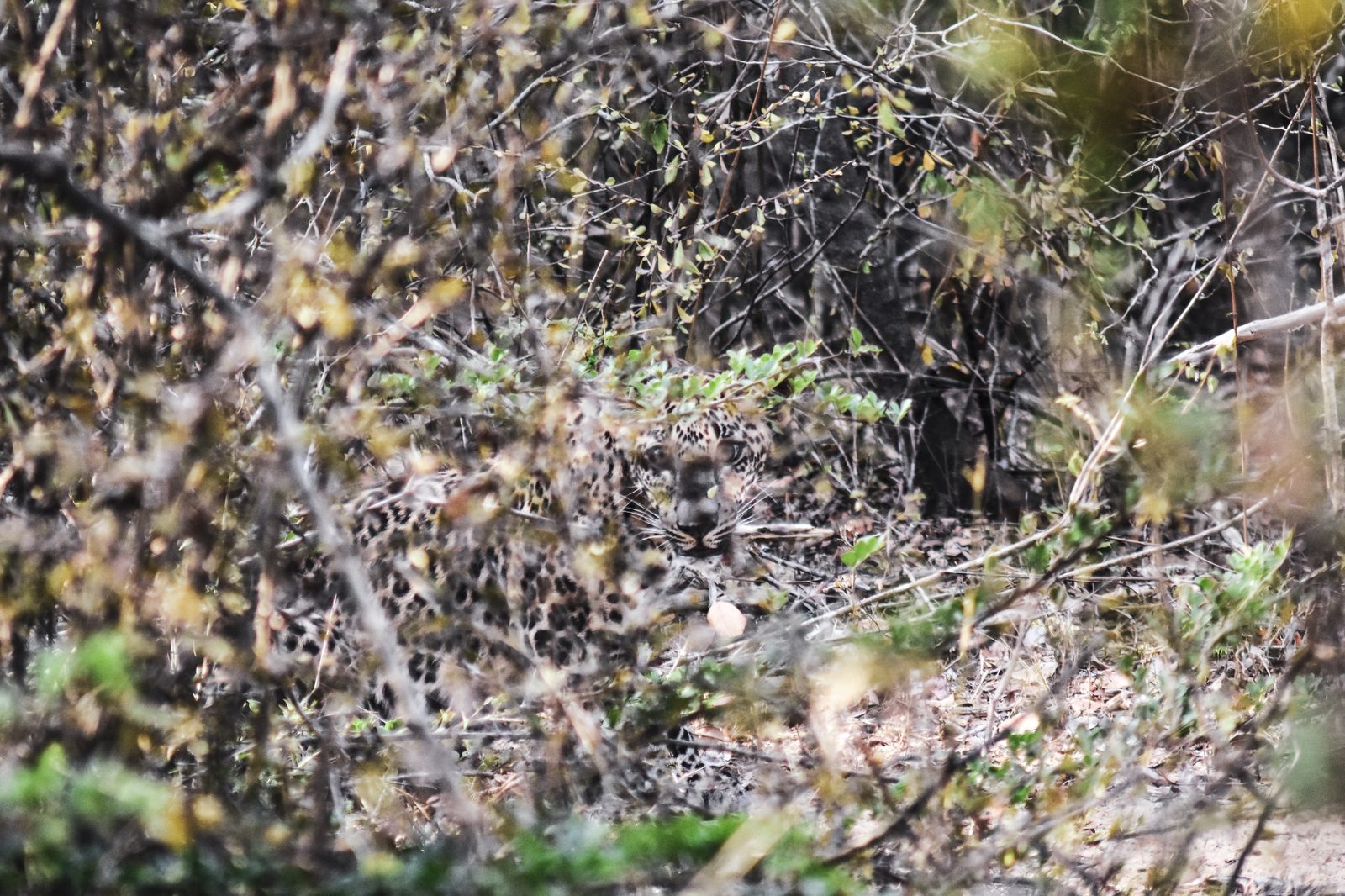
Yala is open again. Blocks 1 and 2 — the zones most itineraries picture when they say “Yala” — reopened to visitors on 16 October 2026, the day after the scheduled end of the month-long drought closure that ran from 14 September. The other blocks never closed. The job now is not finding an alternative park, it is securing a Block 1 drive at gates carrying a month of pent-up demand.
Every September and October the dry season presses hard on Sri Lanka’s dry-zone reserves, and parks close sections so wildlife and habitat can recover. This year the Department of Wildlife Conservation announced that Yala’s Blocks 1 and 2 — the zones most itineraries picture when they say “Yala” — will be off-limits for a full month starting 14 September. If your October plan was built around a Block 1 leopard drive, this changes the map. But it does not cancel your safari. Here is what stays open, which alternatives to pivot to, and what it all costs.
Last updated: October 21, 2026.
Refresh (21 October 2026): the closure is over. Blocks 1 and 2 reopened on 16 October 2026 exactly as scheduled — the Department of Wildlife Conservation reopened both safari zones and did not extend the drought pause. Park bungalows inside the reserve reopen on 1 November 2026, so if you want to sleep inside Yala rather than at the gate, that is the date to book against. What this changes: a Block 1 leopard drive is bookable again through the Palatupana and Katagamuwa gates, but a month of deferred bookings is landing on the same jeeps, so reserve early and take the first-light slot. The rest of this guide — which gates serve which blocks, what it costs, and where to go if your dates fall in a future closure window — still applies.
Closure history, for reference: the Department of Wildlife Conservation shut Blocks 1 and 2 from 14 September to 15 October 2026 because of severe drought and heat stress on the park’s wildlife. Safari operators at the Tissamaharama and Kirinda gates moved drives to the blocks that stayed open throughout — principally Block 5 via the Galge gate. Blocks 3, 4, 5 and 6 never closed. The pattern repeats most autumns, so a September or October 2027 trip should budget for a similar pause and plan around an open-block gate.
What’s worth doing
- Book Block 5 — the easy one to actually enter. The closure is partial, but “open” is not the same as “bookable”: Blocks 3 and 4 are restricted and need special DWC permission plus a specialist guide, and Block 6 is really Lunugamwehera — a separate park with its own gate. Block 5 (Weheragala) is reached via the Galge gate and is where operators have moved October drives. Ask your host for Galge, not “Yala”, or you risk arriving at a closed Palatupana gate. If you want quiet over crowds, Lunugamwehera is a genuine full-safari alternative.
- Shift your elephant safari to Udawalawe. If your October window is short, Udawalawe is the most reliable dry-season choice in the south — its reservoir keeps water through the drought, so elephant herds are effectively guaranteed rather than hoped for. Reviewers consistently rate its big-herd sightings among the best paid experiences in Sri Lanka.
- Pair Udawalawe with its Elephant Transit Home. The government rehabilitation centre releases orphaned elephants back to the wild each afternoon at a scheduled feeding — a calm, humane window onto conservation work that reviewers describe as quietly moving. It slots neatly into a half-day between safaris.
- Take the quieter route at Bundala or Kumana. Both sit in eastern Yala country and are less crowded than the main blocks. Bundala’s shallow lagoons pull flocks of migratory waterbirds, while Kumana (Yala’s eastern reach) is famed among birders and still holds leopard and elephant. For wildlife without the jeep queues, these are the sleepers of an October pivot.
- Keep a Cultural Triangle elephant day in your back pocket. At Minneriya and Kaudulla, October is near the peak of the famous elephant gathering, when hundreds of elephants mass around the shrinking reservoirs. If your route reaches the Cultural Triangle anyway, this is one of the most dramatic wildlife spectacles on the island — and it is entirely separate from the Yala closure.
Getting around
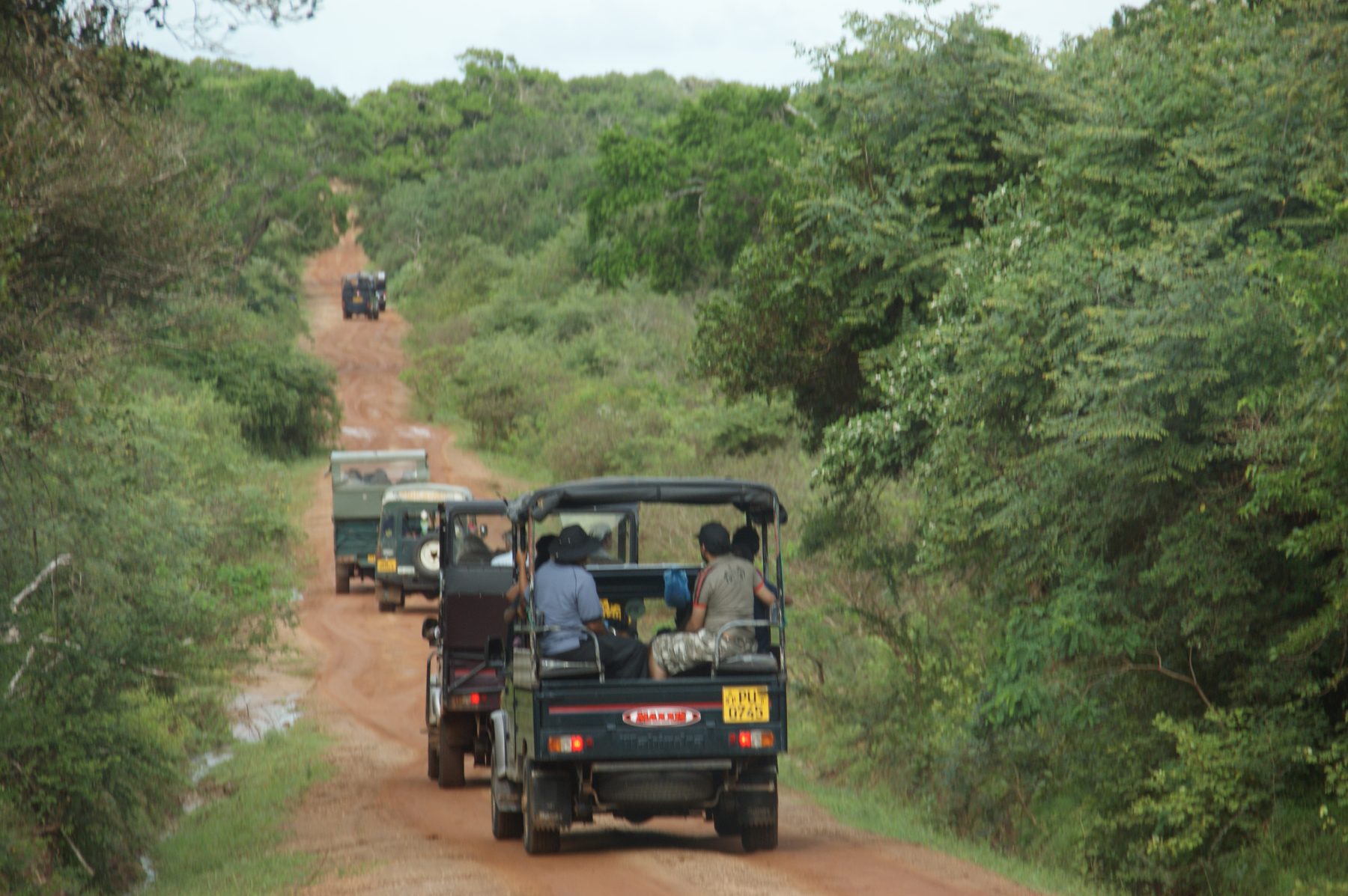
The geography matters more than the headlines. Yala’s common bases — Tissamaharama, Kirinda and the park-edge villages — sit a short drive from the open-block gates, so pivoting to those zones needs almost no accommodation re-planning. From Tissamaharama the Yala gates are 20–30 minutes by jeep. Udawalawe is another matter: it sits northwest, about 3–3.5 hours from Tissamaharama and a similar stretch from Ella. It is not a same-day commute from a Yala base — treat it as a move of its own with one transfer day and one or two safaris, and reroute so it does not add a backtracking leg.
Rough costs in October 2026: a chauffeured car between Tissamaharama and Udawalawe runs about US$60–80; jeeps from your Tissa-area hotel to the open Yala gate run US$10–15 one way or fold into the safari package. Budget a full morning if you combine an open-block drive with moving bases the same day — most operators advise against squeezing both.
For the Cultural Triangle elephant option, Minneriya and Kaudulla sit far north and belong with a Sigiriya or Habarana base, not a short Yala-country stay — the drive there would eat your whole day.
What to budget
A dry-season safari across these reserves runs a predictable range in 2026, and the pivot does not blow your budget — if anything, less-crowded parks negotiate more freely. Here is the honest per-person split:
- Park entry (foreign visitor): roughly US$25–35 per adult for the standard ticket, plus a separate vehicle fee. Yala, Udawalawe and Bundala all sit in this band; it is usually paid with your jeep package or at the gate.
- Jeep safari: a private jeep (up to 6 people) for a half-day runs about US$60–80 at Udawalawe and similar for the open Yala blocks; full-day costs more. Split across a group the per-person cost drops sharply, so travel with others when you can.
- All-in package: a bundled jeep, tickets, guide and transfers typically runs US$90–150 per person for a half-day. Booking through a well-reviewed local operator usually beats the walk-up gate price once transport is added.
- Accommodation: park-edge guesthouses and safari camps run US$35–70 per night for a private room, with a bush-lodge and tented-camp tier from about US$150–250. The top-rated small stays in the review data sit in the mid range.
- Meals and sundries: food around the park villages is cheap — a rice-and-curry plate runs US$2–4 and a proper restaurant meal US$8–15. Carry small rupee notes for gate fees and tips; mid-range stays take card but small vendors are cash-only.
The maths works out well for October: you get the dry-season window, and because fewer visitors chase the closed zones, the open parks and nearby camps negotiate more freely than in the crowded winter months. It is one of the more value-friendly safari months once you know where the gates are.
WATCH OUT FOR
These are the real traps travellers hit when a park section closes, drawn from guest reviews and this season’s notices — so you book with eyes open:
- Confirm your safari is routed to an OPEN gate. Many itineraries still say “Yala” without specifying Block 1. Ask your operator which gate and block your drive enters before you pay. A daylight drive to a closed gate — and a scramble to rebook — is the single biggest October complaint.
- Do not assume the closure ends early. Closures on this schedule are set by wildlife authorities and rarely reversed early because of demand. If your dates fall inside the window, plan for the open blocks or pivot — do not book a Block 1 trip hoping the date shifts.
- The open blocks can run crowded. With two blocks closed, operators concentrate into the remaining zones and queues at popular sightings build up. Take the earliest jeep departure to dodge the traffic; reviewers who love Yala in September–October are consistently those on first-light drives.
- “Guaranteed everything” packages and prepayments. Drought windows are exactly when touts promise guaranteed leopards in exchange for prepayment. A reputable operator talks about effort and good half-day slots, not guarantees. Pay at a reputable desk and never hand a large prepayment to a stranger at the gate.
- Wildlife concentration is real — which cuts both ways. In a drought, animals group around shrinking water, so sightings can be exceptional. But the same conditions mean sensitive drives need extra care: keep voices low, stay in the jeep, and give herds space — the closure itself is the signal this ecosystem needs gentler handling right now.
GOOD TO KNOW
- The closure window is 14 September to 15 October 2026. Mark it: if your dates fall entirely outside this window, nothing about your Yala plan changes at all. The notice is specific to Blocks 1 and 2 this season, driven by drought and heat stress.
- First-light drives beat everything. The earliest departure (around 5:30–6:00am) gives cooler temperatures, active predators and barely any jeep traffic. In a partially closed park, the dawn drive into an open block is where the magic happens — book it.
- Udawalawe is the reliability play for elephants. Its reservoir keeps water through the drought, which is why 40+ elephant herds stay resident year-round. If your one non-negotiable is elephants, pick Udawalawe over gambling on the open Yala blocks.
- Book your jeep through a well-reviewed local operator. The best-reviewed safari camps and guesthouses run their own drives and know the open-gate routes this season; their advice is worth more than any walk-up offer at the gate.
- Combine the open-block drive with the park-edge’s own charms. Tissamaharama’s Buddhist stupa complex, the Kataragama temple town and the Kirinda coast all make strong, quiet half-days between safaris — reviewers often rate these cultural stops as highlights of a Yala-country stay.
WHERE TO STAY
Named properties below are picked from the review data — positive mentions only, with the review-backed reason each earns its spot for an October safari plan.
- Elegant Lake Yala Safari House (Yala) — the standout in the Yala-country review set at about 9.9/10, praised for its calm, well-run comfort right at the edge of the park — an ideal home base for first-light drives into the open blocks.
- Neem Tree House (Yala) — roughly 9.9/10, frequently cited for warm hospitality and an easy position for the park gates, making it a dependable base through the October pivot.
- My Village (Yala) — around 9.3/10, a consistently well-reviewed small stay where guests mention a genuine local welcome and simple, comfortable rooms close to the reserve.
- Big Game Camp Udawalawe — about 9.1/10, the go-to for a safari-camp feel right by the elephant park, with its own drives and guides who know the drought-season waterholes — reviewers rate the full-day elephant sightings highly.
- Kalu’s Camp Udawalawe — near 9.5/10, a small, warmly reviewed bush camp where guests repeatedly call out great guiding and an unforgettable campfire closeness to the reserve.
The bottom line
A Yala Block 1–2 closure in mid-September to mid-October is not the end of your safari — it is a reason to plan a smarter one. The open blocks still run drives, Udawalawe’s elephants are effectively guaranteed, and Bundala and Kumana offer quieter dry-season magic with less jeep traffic. Confirm your gate, book the dawn drive, and you may well watch October’s concentrated wildlife with more calm than a crowded Block 1 morning would have given you. The park is resting so it can keep dazzling — and the rest of the dry zone is ready while it does.
Rebuilt the safari around the closure?
- Sri Lanka safari parks compared
Yala vs Udawalawe vs Kumana vs Minneriya — which park to pivot to, and why. - Minneriya vs Yala
The elephant-gathering alternative while Block 1 rests — and when it beats Yala outright. - What to know before booking Yala
Jeep costs, gate logistics and how to book without paying the gate-post markup. - Sri Lanka in October
The full month picture — which coast, what the weather does, where to base.
Have a specific question about your Sri Lanka trip?
Ask BYC at byc.lk — Free and honest. Some links are affiliate links and never change our advice.
Ask BYC Your Question →