Minneriya or Udawalawe? Which Sri Lanka Safari Should You Pick?
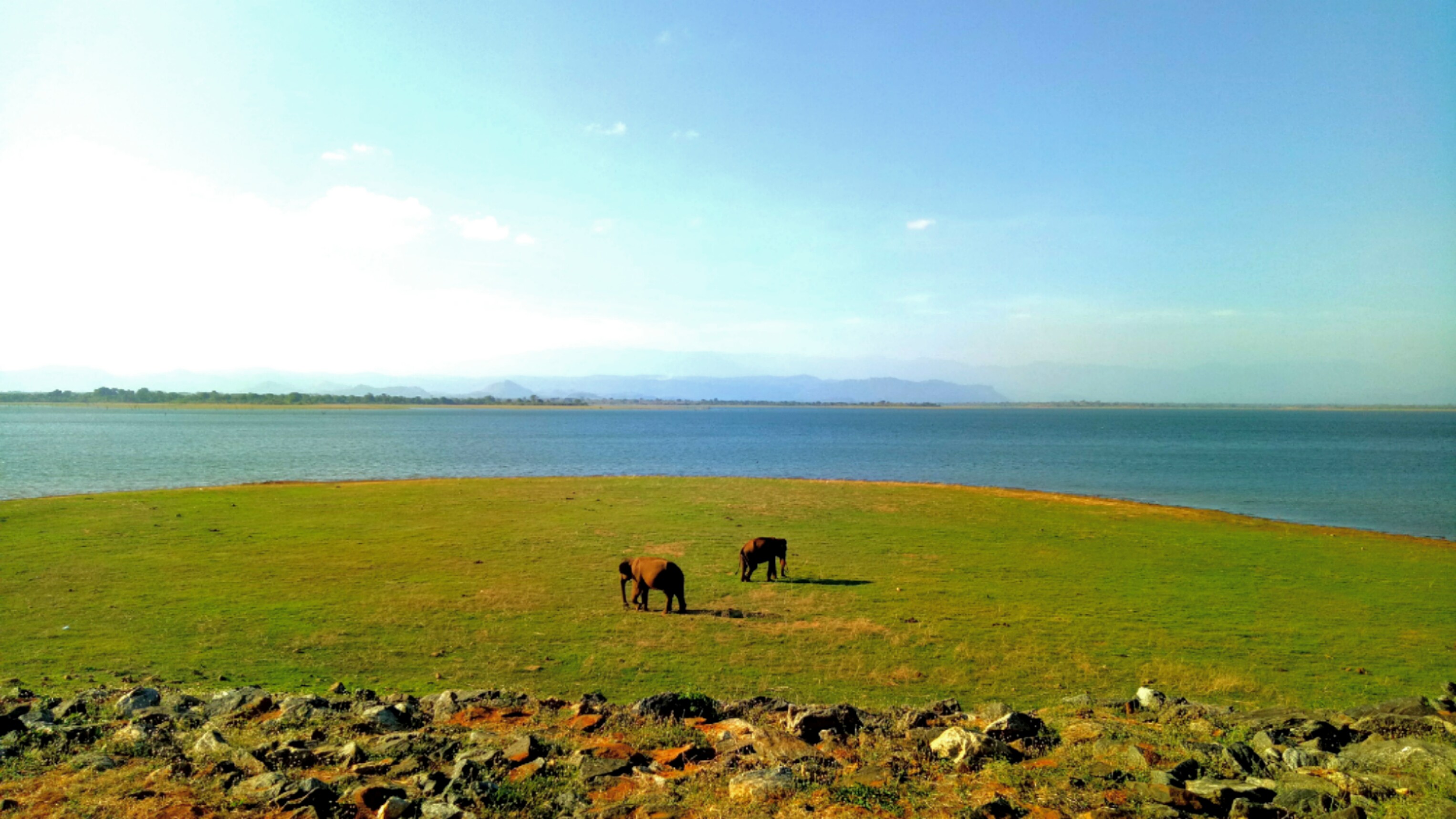
A question popped up on a Sri Lanka travel forum this week from a traveller trying to decide between three national parks — Kumana, Minneriya, and Udawalawe — for a wildlife safari. Their question was simple: which one offers the most diverse wildlife?
It is a great question, because each of these parks sits in a different part of the country and delivers a genuinely different experience. Udawalawe is the safe bet. Minneriya is the seasonal spectacle. Kumana is the wildcard. Here is how they actually compare.
The answer: it depends on your timing and what you want to see
For year-round elephant sightings and the most reliable all-round experience, pick Udawalawe. The park has the highest concentration of Asian elephants in Sri Lanka, and the open grasslands make spotting them straightforward even for first-time safari-goers. You will see crocodiles, water buffalo, deer, and abundant birdlife as standard. Leopard sightings are rare, but the trade-off is consistent action and moderate crowds.
For a dramatic seasonal spectacle of hundreds of elephants, pick Minneriya. Between July and October, the famous Elephant Gathering draws hundreds of wild elephants to the Minneriya Tank reservoir — one of the most impressive wildlife events in Asia. Outside those months, sightings are limited and the experience drops significantly.
For real wilderness with fewer tourists and a wider variety of species, pick Kumana. Sitting just east of Yala near Arugam Bay, Kumana is quieter, rawer, and rewards patience. The park is known for exceptional birdlife and wetlands, but the real surprise is that travellers report solid leopard sightings here — one visitor described spending 20 uninterrupted minutes with a leopard, something that would cause a 30-jeep traffic jam at Yala.
Minneriya or Udawalawe — the short answer everyone searches for
If your dates fall between July and October, pick Minneriya — that is the window when the Elephant Gathering puts 200–300 wild elephants on one shrinking reservoir, a spectacle nothing else in Sri Lanka matches. If you are travelling outside that window, pick Udawalawe: its reservoir holds water year-round, so its elephants are effectively guaranteed in any month. The honest summary is that Minneriya is the better safari in season, and Udawalawe is the better safari in general. If you can only choose one and you are not locked to July–October, Udawalawe is the safer answer.
Decide in four questions:
- When are you travelling? July–October → Minneriya. Any other month → Udawalawe.
- What do you actually want to see? A once-in-a-lifetime elephant herd of 200+ → Minneriya in season. Elephants on every drive, plus crocodiles, buffalo and birds → Udawalawe.
- Where are you staying? Sigiriya, Habarana or Polonnaruwa → Minneriya is a short drive. Ella, Yala or the south coast → Udawalawe.
- How much time do you have? One short safari → Udawalawe (reliable, half-day, easy). A full afternoon built around a defined seasonal event → Minneriya.
Minneriya or Udawalawe: the side-by-side
- Elephant numbers. Minneriya wins on peak drama — the July–October gathering is the largest wild Asian elephant concentration on earth, with counts reaching the hundreds around the tank. Udawalawe wins on consistency: several hundred elephants live in the park and the surrounding reserve, and herds appear on virtually every drive.
- Best months. Minneriya is a July–October park; outside that window the herd disperses to Kaudulla and Hurulu and sightings drop sharply. Udawalawe is a genuine twelve-month park — its reservoir keeps water through the dry season, which is exactly why so many elephants stay resident.
- Landscape and experience. Udawalawe is open grassland and reservoir shoreline: wide sightlines, easy spotting, good photography. Minneriya is a compact 88 km² park wrapped around the tank, so you cover it thoroughly in one safari — and in season the water's edge is where everything happens, packed with elephants drinking, bathing and dusting.
- Crowds. Both get busy at peak. Minneriya's gathering season is now heavily promoted, so afternoon jeep traffic at the water builds up; take the earliest afternoon slot. Udawalawe's jeep numbers have risen in recent seasons, and some travellers say the popular loops can feel like a convoy.
- Other wildlife. Udawalawe adds crocodiles, water buffalo, spotted deer, jackal and strong birdlife as standard, with leopard sightings rare. Minneriya in season is overwhelmingly about the elephant gathering; outside it, the park has little to offer — a real risk if you book it in the wrong month.
- Getting there. Minneriya sits in the Cultural Triangle, best based from Sigiriya or Habarana — so it pairs naturally with Sigiriya Rock and Polonnaruwa. Udawalawe sits south-central, roughly 3–3.5 hours from Ella and reachable from Yala country or the south coast, and pairs with the Elephant Transit Home.
- Cost. Both sit in a similar band: park entry around US$25–35 per foreign adult plus a vehicle fee, and a private half-day jeep at roughly US$60–80 split across your group. Kumana tends to run higher because of its remoteness and longer safaris.
Where the honest answer changes
Two situations flip the recommendation. First, if your trip is built around the Cultural Triangle — Sigiriya, Polonnaruwa, Dambulla — adding Minneriya costs you an afternoon, not a travel day, and in season it is the single best value hour-for-hour experience on the island. Second, if you are travelling with children or on a tight schedule, Udawalawe's guaranteed herds and half-day format beat a seasonal park that may show you an empty reservoir.
And if your dates cross the boundary, you have the best option of all: Minneriya, Kaudulla and Hurulu are interconnected, and the herd moves between them. Ask your operator which of the three currently holds the elephants — that question alone is worth more than any fixed itinerary.
Is it worth doing both?
Yes, if your route already spans the Cultural Triangle and the south — they show you two completely different safari states of mind. Minneriya is the crowd-spectacle: a wall of elephants around a shrinking tank, jeeps lined up along the shore, everyone whispering. Udawalawe is the steady working park: herds crossing open grass in low morning light, crocodiles on the banks, and the Elephant Transit Home's afternoon feeding of orphaned calves on the way out. Travellers who do both rarely call them repetitive; they describe Udawalawe as the warm-up and Minneriya as the event, or the reverse depending on the season.
What is worth doing at each park
Udawalawe: A half-day morning safari (6:00-10:00 AM) is the sweet spot. The elephants are active, the light is good for photography, and the park's 308 km² means you cover real ground without feeling rushed. Combine it with the Elephant Transit Home, a rehabilitation centre for orphaned calves, which makes a meaningful addition to the day.
Minneriya: Go in the late afternoon (3:00-6:30 PM) when the elephants gather at the water's edge. The spectacle of 200-300 elephants in one frame is genuinely unforgettable — reviewers consistently call it the highlight of their trip to the Cultural Triangle. The park is small at 88 km², so you cover it thoroughly in one safari.
Kumana: A full-day safari (6:00 AM-1:00 PM) is the right investment. The park spreads over wetlands and scrub forest, and the diversity of birdlife — over 200 species including migratory flocks — makes it a paradise for birdwatchers. The leopard sightings are a bonus, not a guarantee.
WATCH OUT FOR
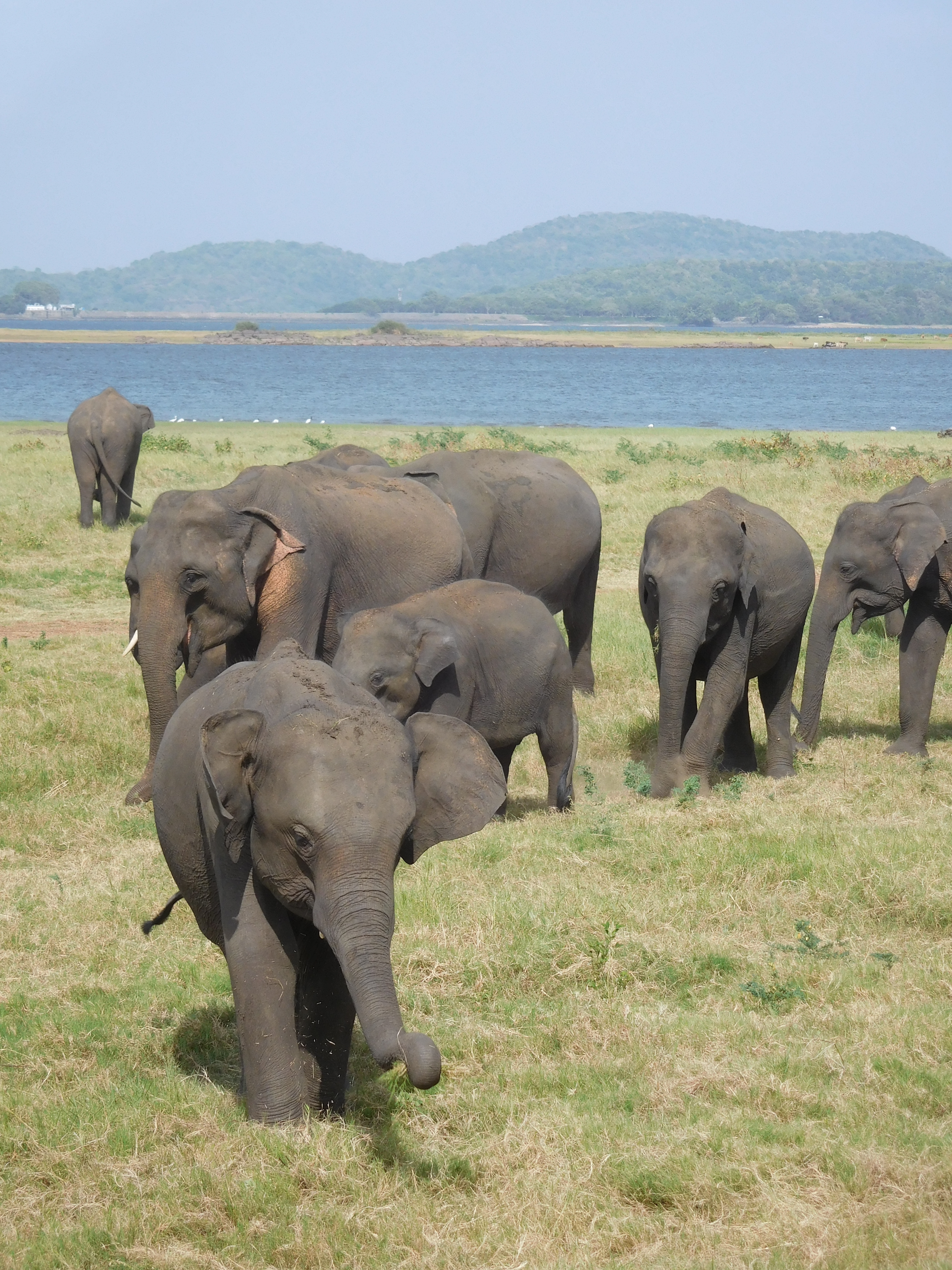
Each park has its own friction points. At Udawalawe, the number of jeeps has increased significantly in recent seasons, and during peak hours the popular roads can feel congested with competing tour vehicles. Some travellers report that the experience feels more like a zoo drive-through than a wilderness expedition during busy periods.
At Minneriya, if you visit outside the July-October window, you are paying for an elephant safari at a park that has almost no elephants outside that season. The park is tiny and there is little else to see when the herd has moved on. Check which of the three interconnected parks (Minneriya, Kaudulla, Hurulu) has active elephant presence before you book.
At Kumana, the infrastructure is noticeably rougher. The roads inside the park are less maintained, the facilities are basic, and getting there from the nearest major town takes effort. It is not a park for travellers who want a polished, predictable safari experience.
GOOD TO KNOW
All three parks require a jeep and driver — you cannot self-drive. Costs vary: Udawalawe is the most affordable (around 0-40 per person for a half-day safari including entry), Minneriya is similar, and Kumana may cost slightly more due to its remote location and longer safaris. Book through your guesthouse or a reputable local operator, not a third-party aggregator who takes a cut and passes you to the cheapest driver.
Early morning safaris (6:00 AM start) consistently score highest in traveller reviews regardless of which park you choose. The animals are active, the heat is manageable, and you beat the jeep rush.
Where does Kumana fit?
Kumana is the third option in this comparison and the one to choose when crowds matter more than guarantees. Sitting just south of Arugam Bay on the edge of Yala's eastern reach, it is quieter, rawer and far less visited — the park you pick when you want wilderness without the convoy. Its birdlife is exceptional, with over 200 recorded species and strong migratory flocks around the lagoons, and travellers who have spent time there report genuinely unhurried leopard sightings.
The trade-off is infrastructure. Kumana's internal roads are rougher, facilities are basic, and reaching the park is a real drive from the nearest town, so it is a full-day commitment rather than a half-day add-on. If your shortlist is Minneriya versus Udawalawe, Kumana is not the answer — it is the answer to a different question, and it is worth knowing it exists.
Crowds, ethics and booking
Both parks reward the same discipline. Take the earliest slot you can get — dawn at Udawalawe, the first afternoon hour at Minneriya — because the animals are active and the jeep traffic is thin. Book through your guesthouse or a well-reviewed local operator whose own guides know the park that week, not a third-party aggregator who takes a cut and hands you to the cheapest driver at the gate.
Keep voices down, stay in the jeep, and give herds room — in a drought year every park in the dry zone runs tighter than usual, and the operators who respect that are the ones guests rate highest. If your visit falls inside a closure window for another park in the region, do not assume Minneriya or Udawalawe is affected: they run normal hours, and Udawalawe in particular is the dependable pivot when elsewhere is closed.
The bottom line
For the wider park set — including Yala, Kumana and Hurulu — see the four-park safari comparison, and if Yala's Block 1–2 closure is part of your planning, read what is actually open in October 2026. If Kumana is on your shortlist instead, base yourself at Arugam Bay.
Minneriya or Udawalawe is really a question about your calendar, not about quality. In July–October, Minneriya gives you the greatest elephant spectacle in Asia. Every other month, Udawalawe gives you elephants on demand, a peaceful reservoir landscape, and the Elephant Transit Home as a bonus. If you are booking one safari and cannot move your dates, choose Udawalawe. If you are routing through the Cultural Triangle between July and October, choose Minneriya — and if your itinerary has room, do both, because they are different experiences rather than rival versions of the same one.
Safari comparisons worth reading next
- Minneriya vs Udawalawe: which safari is better in 2026
- Minneriya vs Yala: the elephant gathering versus leopard country
- Is Yala closed in October 2026? What is actually open
- Yala vs Udawalawe in October: the honest verdict
- What to know before booking Yala
WHERE TO STAY
For Udawalawe: Kottawatta River Bank Resort — guests describe the tented safari experience as comfortable and atmospheric, with the river literally running past the property. The resident elephants are seen drinking from the river during the evening, which reviewers call magical. Mandara Rosen Villa Udawalawe is another strong choice with well-maintained pool facilities and staff who go out of their way to arrange smooth safari logistics.
For Minneriya: The Elephant Corridor Hotel sits right on the edge of the park and guests consistently praise the rooftop view of the surrounding forest canopy. The naturalist-led safaris are a standout feature — staff know exactly where the elephants are gathering that day. Sungreen Villa in nearby Habarana gets mentions for spacious rooms, friendly service, and a pool that feels welcome after a dusty afternoon safari.
Park status (August 12, 2026): All three parks remain open and running normal safari hours — no closures, permit changes, or access restrictions reported this week. Minneriya is in peak Elephant Gathering season right now (July–October), so if you can only do one park this month, that is the one to prioritise.
For Kumana: Kumana Safari Cottages is the closest accommodation and guests appreciate falling asleep to the sounds of the jungle. The property is simple — think bird calls at dawn and lantern-lit evenings — which suits the wilderness character of this park perfectly. For something less remote, stay in Arugam Bay and drive to the park.
The bottom line
Sri Lanka’s national parks each offer a distinct flavour of safari, and the right choice depends entirely on what kind of wildlife experience you are after. Udawalawe delivers reliably for any traveller. Minneriya delivers a world-class spectacle — but only from July to October. And Kumana delivers an adventurous, crowd-free safari for those who are willing to trade polish for wilderness. Pick the one that matches your timing and your travel style, and you will leave with memories that no Instagram post can capture.
Last updated: September 24, 2026
Have a specific question about your Sri Lanka trip?
Ask BYC at byc.lk — free, honest, no upsell. Ever.
Ask BYC Your Question →