How Much Should a Tuk-Tuk Ride Cost in Sri Lanka? The Honest 2026 Price Guide
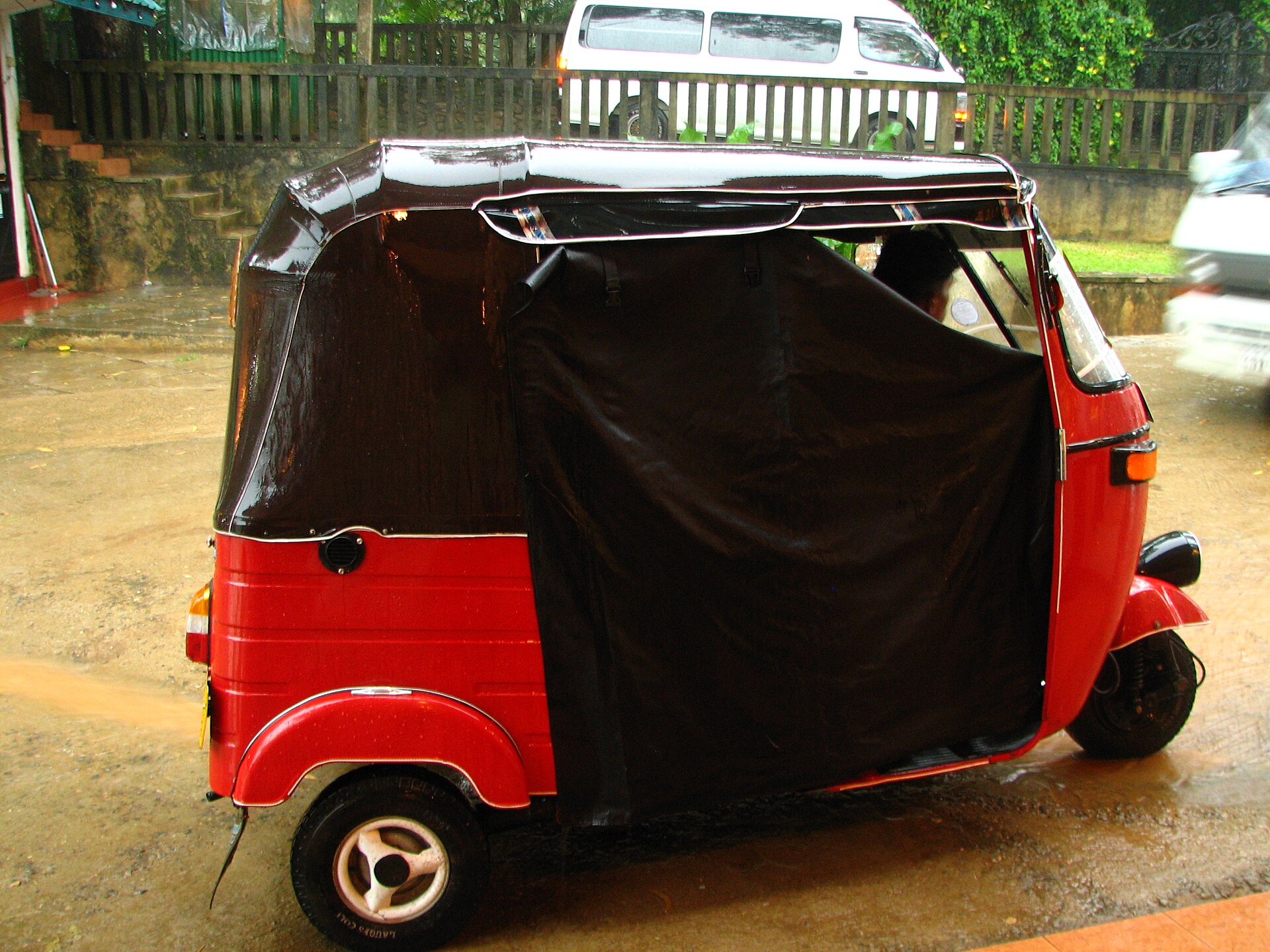
You flag a tuk-tuk on a beach-town street, ask for the ride into town, and the driver quotes a number that feels vaguely wrong — but you have nothing to compare it against, so you pay it. This is the single most common transport question travellers ask about Sri Lanka, and for good reason: the island has no universal metered fare outside the major cities, which means the price of any given ride lives somewhere between “fair local rate” and “3-times the local rate,” depending entirely on who is asking. The good news is that the reference points are simple, stable and easy to learn in five minutes. Here is exactly what a tuk-tuk should cost in 2026, how to avoid the overcharge trap, and how to tip without overpaying.
The short answer
A fair tuk-tuk ride in Sri Lanka costs roughly $0.30 per kilometre (about 100 LKR/km) in the tourist areas, and less — around $0.24/km (80 LKR/km) — in quieter rural stretches. A short town hop of 1–3 km should run 200–400 LKR (about $0.60–$1.20), a 5 km town-to-beach ride about 400–600 LKR, and a 20–25 km inter-town journey like Hikkaduwa to Galle roughly 2,000–2,500 LKR. The catch is that many drivers in tourist hubs open at 2–3 times that fair rate and settle lower when you push back a little. In Colombo, Kandy, Galle and Negombo, the smartest move is to skip negotiation entirely and use the PickMe or Uber app, which shows the fare before you book. Everywhere else, walk up with a fair number in mind, name it first, and you will rarely pay more than a couple of hundred rupees above the honest rate.
What’s worth doing
- Use the apps in the metered cities. PickMe is Sri Lanka’s home-grown ride-hailing app and it is excellent — it quotes the fare before you ride (cash or in-app card), covers Colombo, Kandy, Galle, Negombo and most towns, and removes the entire negotiation headache. Uber is available in the bigger cities. Fare transparency beats bargaining almost every time, and the apps also let you see the driver rating before you get in.
- Name your price first in beach towns and rural areas. In Mirissa, Unawatuna, Hikkaduwa, Sigiriya and Ella, meter boxes are rare. Instead of reacting to the driver’s opening quote, offer a calm, fair number up front — “Galle Fort, 2,000 rupees?” — and most drivers accept immediately. Leading with a reasonable offer is far more effective than negotiating down from a high one, and it signals that you already know the local rate.
- Check the distance before you ride. You do not need a map obsession, but a 10-second glance at the journey’s kilometre count changes everything: multiply by 80–100 LKR and you have your fair-price ceiling on the spot. This kills the information gap that lets overcharging happen in the first place.
- Hire by the hour or day for exploring. If you want a driver to wait at sites while you wander — say, a morning around Sigiriya or a temple circuit in Kandy — hourly hire runs roughly 1,500–2,500 LKR/hour, or a full day (8 hours, 60–80 km) around 6,000–9,000 LKR. Agree upfront whether fuel is included (it usually is) and what the wait time structure is, and you avoid end-of-trip surprises.
- Treat the “broken meter” line as a red flag. In a metered city, a driver claiming the meter “isn’t working” is almost always setting up a flat-rate quote far above the meter price. Either insist on a working meter or use the app — there is no reason to accept an unmetered fare where a meter exists.
Getting around
Tuk-tuks are short-hop king, but they are not the only, or always the best, way to move between Sri Lanka’s destinations. Use them for anything under roughly 5–10 km — town to beach, guesthouse to temple, station to hotel. For longer distances, the economics flip. A train between major stops (Kandy to Ella, for example, or along the south coast) costs a few dollars for a reserved seat and is scenic in its own right; buses are cheaper still at a dollar or two for most routes. A private car with a driver runs roughly $60–$90 per day and makes sense for a full itinerary, while a one-way intercity transfer (say, south coast to the airport) is typically $60–$120. The honest tip: for the last kilometre or two into a hotel that sits off the main road — very common in the hill country — a short tuk-tuk hop of 300–500 LKR is unavoidable and fair; just take the same negotiating approach you would anywhere else. Avoid accepting rides from touts at heritage-site entrances and the airport arrivals forecourt, where quoted prices are routinely 2–3 times the app rate — walk a few metres to a metered taxi kiosk or hail on the app instead.
What to budget
Tuk-tuk costs are a small, predictable slice of a Sri Lanka trip. Here is how they typically break down (in USD, at roughly 330 LKR to the dollar):
- Short town hop (1–3 km): $0.60–$1.20 each (200–400 LKR). You will take several of these daily in beach towns and cities.
- Town to beach (5 km): $1.20–$1.80 (400–600 LKR). A typical ride from a hill guesthouse down to the shore.
- Inter-town (20–25 km): $6–$7.50 (2,000–2,500 LKR), e.g. Hikkaduwa to Galle.
- Per-kilometre reference: about $0.30/km (80–100 LKR) in tourist areas; 1.5–2x that premium applies in the busiest beach towns, and a little above the rural baseline near major site entrances.
- Daily transport total: a typical sightseeing itinerary with several short tuk-tuk hops plus the occasional longer ride lands around $5–$10 per day — a rounding error next to accommodation and meals. Always carry small LKR notes (100, 200, 500) for these fares, because street drivers rarely have change for big bills.
For context against your overall daily spend: a comfortable mid-range budget in Sri Lanka is around $40–$70 per person per day including a decent guesthouse, three local meals, one or two activities and transport. Tuk-tuks stay a small part of that — the point of paying a fair price is not to shave the budget dramatically, but to keep the daily total honest and to avoid the sour feeling of knowing you were overcharged.
WATCH OUT FOR
- The quote-then-settle gap. In tourist hubs, drivers routinely open at 2–3 times the fair rate expecting negotiation. A calm counter-offer at roughly 60–70% of the first ask — anchored with “my hotel’s driver usually does this for X” — almost always lands at a fair midpoint within seconds. Walking away works too: where several tuk-tuks wait, another driver will take your fair price immediately.
- The “meter is broken” setup. In Colombo, Kandy, Galle or Negombo, this line usually precedes an inflated flat quote. Use the app or find a working meter.
- Airport-arrivals touts. Tuk-tuk touts at the arrivals forecourt quote far above fair (Negombo centre can be quoted at 1,500–3,000 LKR vs ~500–800 LKR on the app). Walk to the metered taxi kiosk or book on the app before stepping out.
- Fuel-surprise on long day hires. On full-day hires over ~100 km, some drivers ask for a fuel contribution on top of the day rate. That is legitimate — clarify whether fuel is included or extra before you agree, so there is no end-of-day confusion.
- Solo-night hops in empty areas. Late-night rides in quiet stretches carry an inflated-price risk and, in rare cases, a safety one. Stick to app-booked rides after dark where possible, agree the fare before boarding, and share your trip with someone you trust.
GOOD TO KNOW
- Tipping is appreciated but not compulsory. Round up 50–100 LKR on a short ride, or leave 500–1,000 LKR for an excellent full-day driver. Never tip in advance — tip at the end based on the service, and always in rupees; foreign coins are worthless to a driver.
- Cash is king on the street. PickMe supports in-app card payment, but street tuk-tuks everywhere operate on cash. Carry small notes — large 1,000 and 5,000 LKR notes are often hard for a driver to change early in the day.
- Regional pricing varies. The south-coast beach towns (Mirissa, Unawatuna, Hikkaduwa) and the Cultural Triangle carry a 1.3–2x premium over rural rates; the east coast (Trincomalee, Arugam Bay) sits between. Apply the higher end of the per-km rate there and expect closer-to-local pricing on quiet rural roads.
- Day rates for touring. A full-day hire with waiting is ~6,000–9,000 LKR, with entry fees to sites extra and fuel typically included. Agree the structure (by time or distance) before you start.
- Renting your own is a different decision. If you are considering driving yourself, see our separate renting a tuk-tuk guide. For a first visit, hiring drivers as needed is usually similar in cost and far lower stress once you factor in rental deposits and damage waivers.
WHERE TO STAY
- Anchor Point Unawatuna — a calm, well-reviewed base whose guests repeatedly note the easy, fairly-priced tuk-tuk hop into Galle Fort (an honest 500–700 LKR ride), making it an ideal launch point for exploring the walled city without staying inside its busier lanes.
- Shade Home Mirissa — travellers praise the friendly staff for arranging reliable, fairly-priced tuk-tuk pick-ups around Mirissa and to the nearby beach viewpoints, removing the stress of flagging down a driver in the tourist rush.
- Sigiriya Village Hotel — reviewers highlight the property’s help organising fair tuk-tuk and day-hire rates for the Sigiriya and Pidurangala climbs, where standalone drivers near the rock are notorious for premium quotes.
- Mount Blue Kandy — tucked in the hills above the lake, guests value both the views and the staff’s straightforward, app-priced tuk-tuk advice for the 300–500 LKR ride down into town, so you never overpay on the steep return.
- JKAB Beach Cabanas (Trincomalee) — a friendly budget pick where reviewers mention the owners arranging reasonable tuk-tuk transfers to Nilaveli beach and the harbour, keeping east-coast transport simple and transparent.
The bottom line
Fair tuk-tuk pricing in Sri Lanka is straightforward once you know the reference: roughly $0.30/km (80–100 LKR), less in the countryside, more in the busiest beach towns — and always beatable with an app fare in the metered cities. Lead with a fair number, carry small notes, and tip at the end when the ride earns it. Nail this one habit and a huge slice of everyday Sri Lanka gets cheaper, smoother and far less stressful — leaving you free to enjoy the view out of the open sides instead of watching the meter in your head.
Have a specific question about your Sri Lanka trip?
Ask BYC at byc.lk — Free and honest. Some links are affiliate links and never change our advice.
Ask BYC Your Question →