Renting a Tuk-Tuk in Sri Lanka: Is It Worth the Hype?
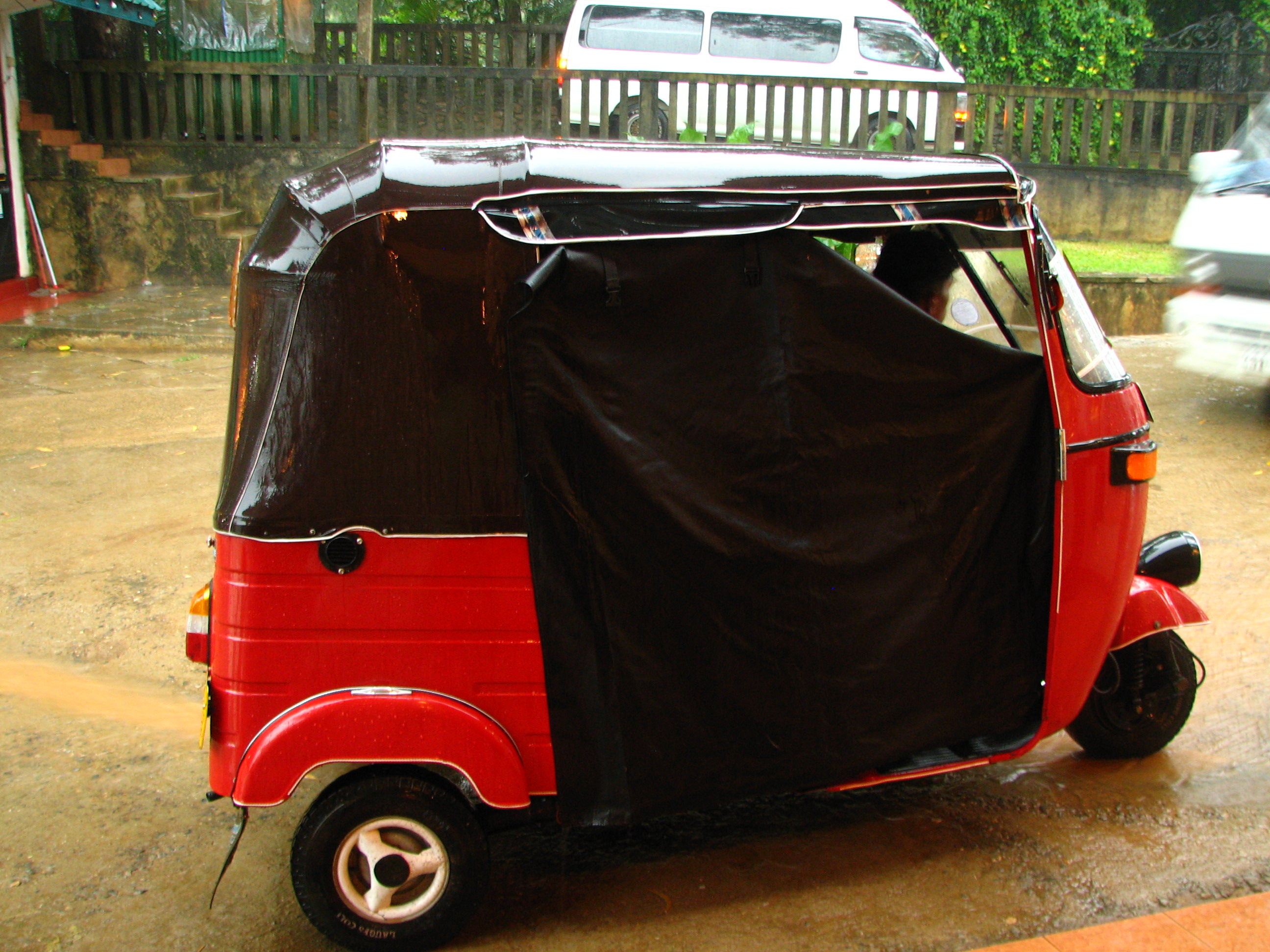
You are standing at the arrivals gate of Bandaranaike International Airport, planning to cover the Cultural Triangle, the hill country, and the south coast in three weeks. The standard approach is hiring a driver or taking the train-and-bus route. But there is a third option that more travellers are asking about: renting your own tuk-tuk and driving it yourself across the island.
The question comes up every day in Sri Lanka travel planning. Is it worth it? Is it safe? Can you actually handle Sri Lankan roads in a three-wheeler with a 200cc engine and no doors? The answer is yes, but only if you know what you are signing up for. Here is the complete, honest guide to renting a tuk-tuk in Sri Lanka in 2026.
Yes, renting a tuk-tuk in Sri Lanka is absolutely worth it — but not for everyone
For independent travellers who value flexibility over comfort and adventure over efficiency, a tuk-tuk is the most rewarding way to see Sri Lanka. You control the itinerary, you stop wherever catches your eye, and you experience the country from the same vantage point as a local. The open sides mean you feel the breeze from the coast, the chill of the hill country, and the warmth of every village you pass through.
That said, a tuk-tuk is not for everyone. If you are on a tight schedule (under 10 days), travelling with young children, or uncomfortable with assertive driving styles, hiring a private driver will serve you better. A tuk-tuk tops out at about 60 km/h on flat roads and crawls up mountain passes. A journey that takes two hours by car can take four in a tuk-tuk. But if you have the time and the temperament, the trade-off is worth it.
The best part? Daily rental rates start at just $9 per day, fuel economy runs at 25 to 35 kilometres per litre, and every kilometre is unlimited.
What is worth doing with a rented tuk-tuk
- The Cultural Triangle loop — Pick up your tuk-tuk in Negombo or Kandy and head to Anuradhapura, Polonnaruwa, and Sigiriya. The roads between these sites are flat, well-maintained, and easy driving. You can explore ancient cities at your own pace, visiting temples and ruins that tour buses rush through. The drive from Anuradhapura to Polonnaruwa along the A11 passes through rural villages where locals wave at every tuk-tuk. Budget 3 to 4 days for this loop.
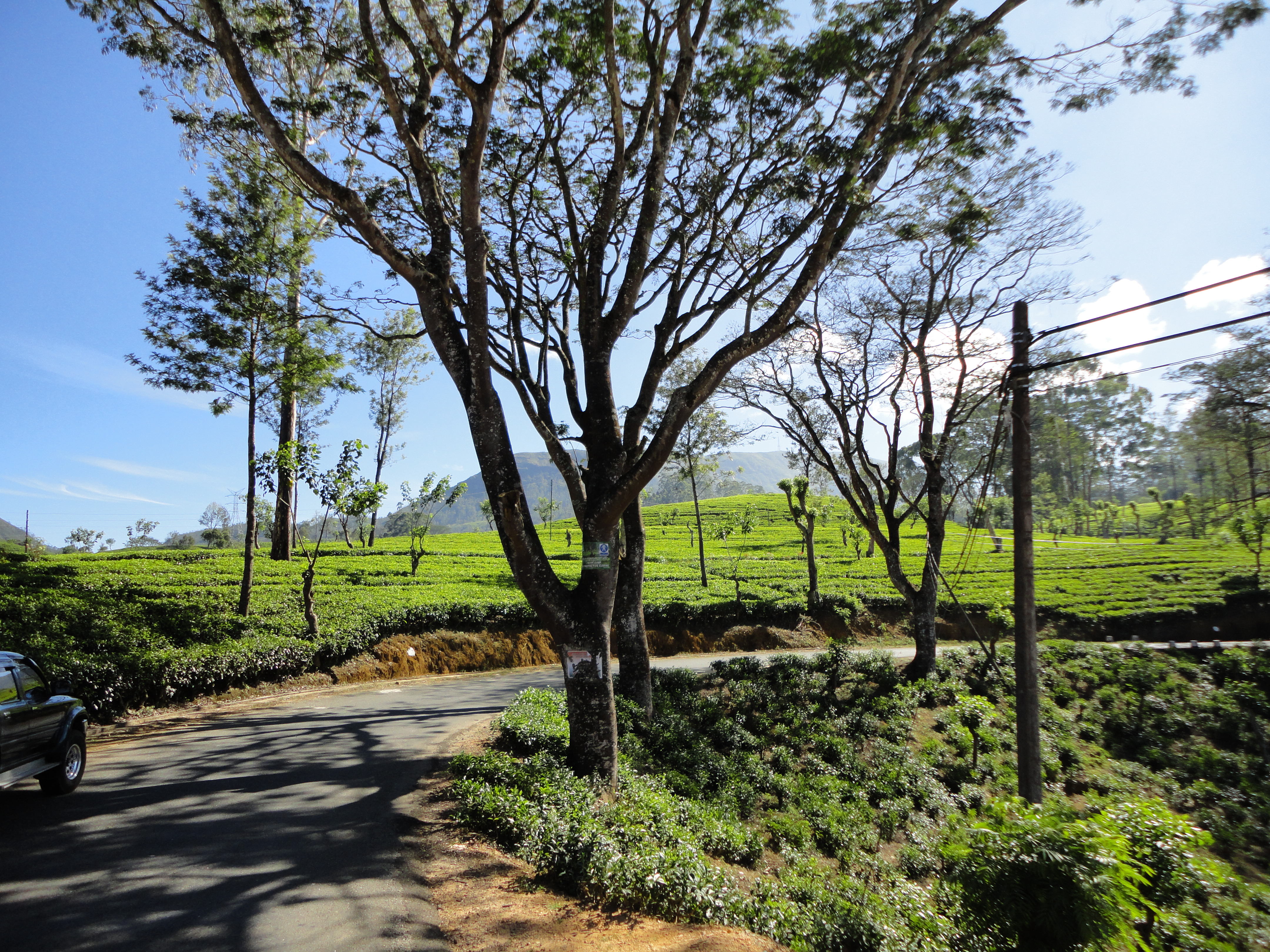
- Kandy to Nuwara Eliya to Ella — The most demanding driving in Sri Lanka. Roads are narrow, winding, and steep. A tuk-tuk crawls up the passes at 15 to 20 km/h. But the scenery is unmatched: tea plantations cascading down every hillside, mist-filled valleys, and waterfalls visible from the road. Plan a full day from Kandy to Nuwara Eliya (about 6 hours) and another half-day from Nuwara Eliya to Ella. Stop at Ramboda Falls, visit a tea factory, and pull over whenever the view demands it.
- The south coast from Tangalle to Galle — The coastal road (A2) from Tangalle west to Galle is one of the best tuk-tuk drives in the country: flat, smooth, palm-lined, with the Indian Ocean visible through the gaps. Stop at Hiriketiya for a swim, Mirissa for coconut roti, Weligama for surf watching, and Unawatuna for a late lunch. The 100-kilometre stretch can take a full day if you stop frequently.
- Arugam Bay and the east coast — The drive from Ella down to Arugam Bay via Wellawaya descends through pineapple plantations and open plains. From Arugam Bay, drive north toward Trincomalee via Batticaloa through lagoon country and small fishing villages. The east coast roads are less crowded than the south, making for relaxed driving.
- Yala or Udawalawe self-drive — Several travellers report taking their rented tuk-tuk on the roads bordering Udawalawe National Park. Elephants are frequently seen along the roadside in the late afternoon. This is not a substitute for a proper safari with an experienced guide, but it adds an element of discovery to the journey.
Getting around
Picking up your tuk-tuk: Most rental companies offer free pickup in Negombo (closest to the airport) or Kandy. TukTuk Ceylon Ride, TukTuk Rental Ceylon, and TukTuk Rent Sri Lanka are the three main operators. All include unlimited kilometres, comprehensive insurance, 24/7 roadside assistance, and one hour of professional driving instruction. Daily rates: $9 to $14 depending on the company and vehicle.
Driving in Sri Lanka: You drive on the left. The first hour feels chaotic — buses overtake on blind corners, dogs sleep in the middle of the road, and everyone uses the horn to communicate rather than express anger. You adjust quickly. Most drivers who survive the first day report feeling confident by day three.
One-way options: One-way drop-offs cost $10 to $160 depending on distance. Dropping off in Colombo or Galle from a Kandy pickup is about $40 to $60. Confirm one-way costs before booking if your itinerary ends elsewhere.
Fuel: As of March 2026, Sri Lanka operates a National Fuel Pass QR code system for locals, but foreign tourists receive priority access. Show your passport at the pump and you will be directed to skip the queue. Fuel is about 420 LKR per litre. A full tank costs approximately $8 to $10 and takes you 250 to 350 kilometres.
What to avoid: Do not take a tuk-tuk on the Southern Expressway (E01) — it is a high-speed toll road where tuk-tuks are prohibited. Stick to the A2 coastal road. Avoid driving after dark on rural roads where street lighting is minimal. Also avoid central Kandy or Colombo during peak hours (7:30–9:30 AM and 4:30–7:00 PM).
What to budget for a tuk-tuk trip
Here is a realistic daily budget for two people sharing a rented tuk-tuk, based on 2026 prices.
- Tuk-tuk rental: $9 to $14 per day. Includes insurance, roadside assistance, spare tyre, phone holder, and USB charger. Standard models from $9 per day. Newer 2025 models around $12 per day. Refundable deposit: $100 to $200.
- Fuel: $3 to $5 per day for typical distances (100 to 150 km). At 25 to 35 km per litre and roughly $1.30 per litre, fuel is negligible compared to the rental cost.
- Accommodation: $15 to $25 per person per night for mid-range guesthouses. Budget options run $8 to $15 per person. The tuk-tuk lets you stay in smaller villages where accommodation costs less.
- Meals: $5 to $10 per person per day for local food. Rice and curry at a local restaurant costs $1.50 to $3. Kottu roti from a street stall is under $2. Sri Lankan street food is safe, delicious, and extremely affordable.
- Attractions: $5 to $15 per person per day. Temple entry fees $2 to $5. National park entry $25 to $30 for foreigners. Most Cultural Triangle sites cost $15 to $30.
- Total daily cost for two people: $40 to $75 per day, all inclusive. For 21 days, budget $800 to $1,500 per person — significantly less than hiring a private driver.
WATCH OUT FOR
The licence situation is the most common trip-up. As of January 2026, Sri Lanka requires three documents to drive a three-wheeler legally: your home country driving licence (written in Latin characters or with an official translation), a physical International Driving Permit (IDP) obtained before you leave home, and a Sri Lankan temporary driving permit issued by the Automobile Association of Ceylon (AAC). Digital or e-IDPs are not accepted. Most rental companies handle the AAC permit for you, processing it in 2 to 3 business days for $30 to $40. Do not arrive without your physical IDP.
Police checkpoints are frequent, especially in the Cultural Triangle and hill country. Officers routinely stop foreign drivers to check licences. With your IDP and AAC permit, the interaction lasts 30 seconds. Without either, you face a fine of 5,000 to 10,000 LKR ($15 to $30) and may be directed to return the vehicle. Enforcement has increased in 2026.
Buses are aggressive, and they own the road. Sri Lankan bus drivers overtake on curves, on hills, and into oncoming traffic. They expect smaller vehicles to yield. The golden rule: if a bus is behind you, pull over and let it pass. It is not cowardice — it is survival. The bus will be gone in 30 seconds.
The fuel QR code confusion is real. Not every rural petrol station attendant knows the tourist priority rules. Some may turn you away or insist on a QR code. Ask your rental company to pre-register a tourist QR code for the vehicle before you depart. Keep a printed copy of your passport bio page in the glove box.
Mountain driving is slow. Going uphill, a tuk-tuk drops to 10 to 15 km/h on steep sections. Use designated pull-off areas to let traffic pass. Going downhill, use engine braking (lower gear) rather than riding the brakes. Overheating brakes on a long descent is a genuine risk.
Do not trust Google Maps for tuk-tuk driving times. Google calculates for a car doing 50 to 70 km/h. A tuk-tuk averages 30 to 40 km/h. Multiply Google’s estimate by 1.5 to 2. Kandy to Ella via Nuwara Eliya is 4 hours in a car and 7 to 9 hours in a tuk-tuk. Plan accordingly.
GOOD TO KNOW
All major rental companies include one hour of professional driving instruction. Take it seriously. A local instructor will teach you the horn language (one short beep means “I am here”, a longer beep means “I am overtaking”, rapid beeps mean “get out of the way”) and how to handle roundabouts, which operate on a “first to arrive decides” system.
Deposit structures vary. TukTuk Ceylon Ride charges $100 refundable. TukTuk Rent Sri Lanka offers a zero-deposit option with a flat $50 insurance fee for 30 days. TukTuk Rental Ceylon states no deposit is required. Read the terms on damage liability carefully.
If renting for 35+ days, TukTuk Ceylon Ride offers 10% off. Weekly rates often work out cheaper than daily rates. Optional add-ons include Bluetooth speakers, surfboard roof racks, and cooler boxes.
The best time for a tuk-tuk trip: December to April for the south and west coasts, May to September for the east coast. The Cultural Triangle is accessible year-round. Hill country is wettest May to August, so September to November works best for the Kandy-to-Ella route.
Download Maps.me with offline maps of Sri Lanka before you arrive. Mobile reception drops out in hill country valleys and east coast sections. Learn a few Sinhala phrases: “Stuthiy” (thank you) and “suba dawasak” (good day) go a long way.
WHERE TO STAY
- TukTuk Rental Ceylon Collection (Negombo) — A dedicated guesthouse for travellers picking up tuk-tuks, with secure parking and a workshop on site. Guests consistently praise the seamless process: arrive, sleep, get your tuk-tuk the next morning with all documents ready. Staff pack a local SIM card and a printed route guide, which multiple reviews describe as essential for first-time drivers.
- Kandy City Hotel by Earl’s Regent — Centrally located with tuk-tuk parking available, which is genuinely difficult to find in Kandy. Walking distance to the Temple of the Tooth and Kandy Lake. Guests mention the rooftop restaurant with city views and the helpful front desk staff who can recommend tuk-tuk-friendly routes out of the city.
- Ella Gap Hotel (Ella) — Perched on the edge of Ella Gap with unobstructed valley views. Dedicated tuk-tuk parking matters here because many Ella guesthouses sit on steep, narrow lanes. Guests describe the sunrise view from the restaurant — mist rising from the valley below — as the moment that makes the slow uphill drive worth it. Rooms from $35 per night.
- Lighthouse Inn (Galle Fort) — A charming guesthouse inside Galle Fort with a secure tuk-tuk parking arrangement at a nearby lot (5-minute walk). The location inside the fort walls is perfect for exploring on foot. Guests love the rooftop terrace with views over the fort and the ocean, and the host can recommend the best coastal route for the onward drive.
- Secret Garden (Mirissa) — Cabanas set back from the beach with enough space to park a tuk-tuk on the property. Guests note the peaceful garden setting as a welcome contrast to busier beachfront properties. The coconut roti and dhal breakfast for $3 is mentioned in nearly every review.
The bottom line
Renting a tuk-tuk in Sri Lanka is not the easiest way to see the country, but it is the most memorable. The freedom to stop at a roadside fruit stall for king coconut, to pull over when an elephant crosses the road ahead, and to spend an extra day in a village you fall in love with is something no tour itinerary can replicate. Get your paperwork sorted before you arrive, take the one-hour driving lesson seriously, budget for the slower pace, and give yourself permission to take the long way. The road will do the rest.
Plan your Sri Lanka self-drive with BYC at byc.lk — Free and honest. Some links are affiliate links and never change our advice.
Have a specific question about your Sri Lanka trip?
Ask BYC at byc.lk — Free and honest. Some links are affiliate links and never change our advice.
Ask BYC Your Question →