Best Hostels & Budget Stays in Sri Lanka: Where to Sleep Cheap Without Sacrificing Comfort
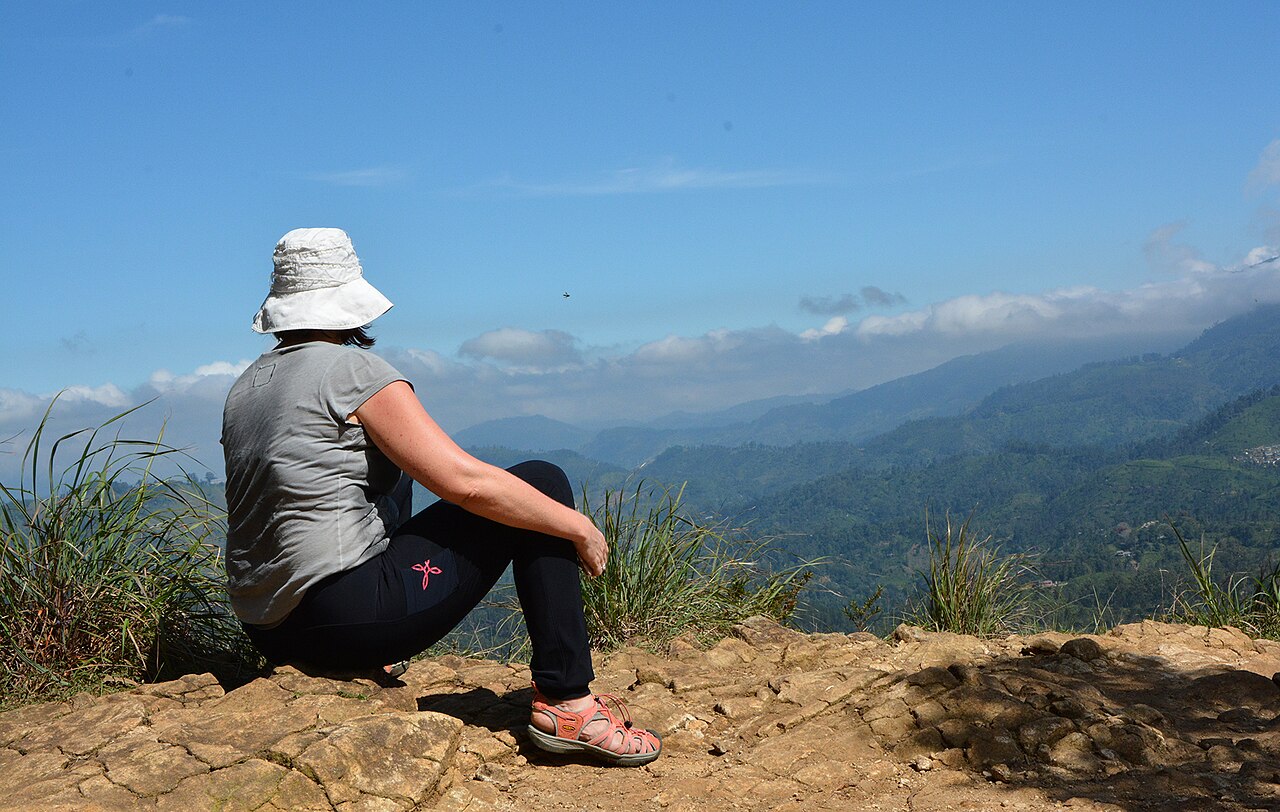
One of the first questions every budget traveller asks before they land is simple but loaded: where am I actually going to sleep, and how much is a decent bed going to cost me? Hostels and guesthouses in Sri Lanka have quietly become some of the best-value accommodation in Asia, but the island’s spread-out route makes it easy to pick badly and overpay. For the numbers-first deep-dive — which stay types score highest per dollar across all 353,633 reviews — see our best-value stays under $30 data study. The good news: with a little planning you can sleep well for a fraction of what you’d spend on the coast’s boutique hotels — and still meet people, eat locally and see everything. Here is the honest, review-backed guide to sleeping cheap across Sri Lanka.
The short answer
Yes — Sri Lanka is one of the best-value places in Asia to travel on a hostel-and-guesthouse budget, and you don’t have to sacrifice comfort to do it. A clean dorm bed averages $7 to $10 a night almost everywhere on the island, and a private guesthouse room with your own bathroom can be found for $15 to $25 outside the most famous tourist pockets. The sweet spots are Ella for hostel culture, the south coast (Mirissa and Weligama) for beach hostels, Negombo for a first and last night near the airport, and Kandy for meeting other travellers. Our value-for-money ranking of every region by real guest reviews confirms these same towns as the ones where guests most consistently say the bed was worth it — the budget picks and the “worth it” picks line up almost exactly. Plan your loop around those, book a day or two ahead in peak season, and a realistic shoestring budget of $15 to $25 a night for a bed plus maybe $10 to $15 a day on local food keeps the whole trip comfortably inside a $25–40 daily budget. You don’t need to splurge to sleep well — you need to know where the good-value beds are and which towns make dorms worth it.
What's worth doing
- Ella — the backpacker capital. No town in Sri Lanka is better set up for cheap travellers. Dorms run $3 to $13 a night, and the village is walkable, so you barely need transport. The payoff isn’t just a cheap bed: it’s a social scene built around the hostels (Hive, Hangover, Wild Bee and Tomorrowland all have lively common areas), plus free or near-free days out — the Nine Arch Bridge is a 20-minute walk, Little Adam’s Peak is a gentle sunrise hike, and the Ella Rock trail rewards a bit of effort with a huge panorama. Budget accommodation here is the anchor of any low-cost loop.
- Mirissa & Weligama — beach hostels with whale-watching on tap. On the south coast, guesthouses and dorms sit metres from the sand, and the backpacker corridor between Mirissa and Weligama is compact and easy. A dorm is typically $8 to $15; a private room $20 to $30. The extras are the draw: whale-watching boats run $20 to $40, surfboards hire for about $5 to $10 a day, and Coconut Tree Hill is a free sunset spot everyone ends up at.
- Kandy — the social hub of the hill country. Kandy’s hostels are designed for meeting people, which makes it a natural place to pick up a travel buddy or a shared taxi. The Temple of the Sacred Tooth Relic (about $8) is the must-do, the lake loop is free, and a hostel bed lands around $6 to $12. It’s also the easiest place on the whole route to get a cheap, social base for day trips into the surrounding hills.
- Negombo — the airport bookend. Twenty to thirty minutes from the airport, Negombo is the obvious first and last night, and it does cheap guesthouses better than almost anywhere. Private rooms average around $9 to $13 and often include breakfast. A canal boat trip, the fish market at sunrise, and the beach are all close by, and the guesthouses here are used to storing luggage and arranging taxis, which makes the airport transition painless.
- Arugam Bay & the east coast — off-season bargains. Outside the June-to-September surf season, the east coast is dramatically cheaper: hostels and guesthouses on Arugam Bay’s beachfront can drop to $5 to $10 in the low months. In season it’s still good value, just busier. Passikudah and Trincomalee are pricier and resort-heavy, so for budget travellers Arugam Bay (and, before the monsoon shifts, Nilaveli near Trincomalee) is where the cheap beds concentrate.
Getting around
Public transport is cheap, and it’s the backbone of a budget itinerary. Buses are the cheapest: a short hop runs $0.50 to $1, and a long intercity journey $2 to $5. The trains are the postcard option — the Kandy to Ella line in particular is world-famous for the scenery, and a reserved second-class seat runs about $3 to $5, while third class is cheaper still. Book train tickets online a few days ahead if you want a guaranteed seat on the scenic hill country section; unreserved carriages are fine but can get crowded.
Tuk-tuks fill the gaps for short distances and day trips — negotiate a rate of roughly $0.50 to $1 per kilometre, and agree on a price before you get in. For the shared-taxi culture piece, ask at your hostel: travellers frequently split cars between towns like Kandy, Ella and the south coast, dropping the per-person cost well below hiring a private driver alone. The main cost trap is assuming you need a private driver for everything — you usually don’t, and the bus-and-train combination is where budget travellers save the most. Avoid paying tourist rates for tuk-tuks at popular sights and around the airport, where a fair price is double-checked against a metered ride or a quick map look.
What to budget
Here’s an honest daily breakdown for a budget traveller in 2026, in US dollars:
- Accommodation ($7–15). A dorm bed averages $7 to $10 across the island, spiking to $13 or so in the most popular spots. A private guesthouse room is $15 to $25. Book a day or two ahead in peak season; in low season you can often walk in and negotiate.
- Food ($8–15). Local rice-and-curry joints (the “short eats” and kottu stalls) fill you for $2 to $4 a meal. A nicer cafe meal runs $6 to $10. Budget travellers routinely eat well on $10 a day eating local, and $15 is comfortable.
- Activities ($5–15). Plenty is free — Little Adam’s Peak, Coconut Tree Hill, temple visits at dawn. Budget for the big paid ones: temples about $5 to $10, Sigiriya $35, a safari $30 to $50, whale-watching $20 to $40. On a shoestring you scale these to a couple of highlights rather than everything.
- Transport ($3–8). Buses and trains cover most of the route for $2 to $6 a day, plus a few tuk-tuk fares.
All in, a realistic shoestring day is $25 to $30, and a comfortable budget day with a private room and a couple of paid activities is $40 to $50. For the traveller who wants social dorms, local food and a couple of big sights, $35 a day is a very workable target.
WATCH OUT FOR
Watch out for a few patterns that cost budget travellers more than they plan. First, “hostel” is a loose term in Sri Lanka — some places call themselves hostels but charge boutique rates for a private room with no social vibe, so always check whether you’re actually getting a dorm and whether breakfast is included. Second, low-season hotels advertise rock-bottom prices that jump sharply once occupancy rises; what you see at the start of your trip is not what you’ll pay in December. Third, the airport strip and the most famous sight entrances are where inflated rates appear — tuk-tuks, day tours and “last few rooms” pressure are all more common there. Fourth, a few budget properties hawk extras once you arrive — overpriced laundry, “recommended” restaurants with kickbacks, and paid add-ons that weren’t mentioned at booking. Finally, stagger your bookings: pre-book your first night and your peak-season nights, but leave flexibility elsewhere so you aren’t stuck paying high rates for a bed you’re only passing through.
GOOD TO KNOW
Book your first night and any peak-season nights ahead, but stay flexible elsewhere — it lets you extend in places you love and skip ones you don’t. December, January and Easter weekend are the busiest and priciest; prices fall sharply outside those windows. Breakfast is very often included even in cheap guesthouses — that’s a real saver. WiFi is generally reliable in hostels in the main towns but patchier in remote east-coast spots, and power cuts are rare but possible, so keep devices charged. Carry small denominations of cash — many budget properties still prefer cash, and card surcharges are common. For the hill-country train, booking online a few days ahead is worth it; for buses, just turn up and pay onboard. And if you’re travelling while the schools are out in August, expect family crowds on weekends and slightly firmer prices.
WHERE TO STAY
- Hive Ella Hostel (Ella) — reviewers keep calling out the welcoming, lively common area and the staff’s warmth, with several calling it the best hostel they stayed at in all of Sri Lanka; the social vibe is the reason to pick it.
- Hangover Hostel Ella (Ella) — travellers praise the combination of dorms and private rooms with plenty of communal space, making it a flexible choice whether you want to socialise or have your own corner.
- Wild Bee Hostel (Ella) — singled out again and again for the views from the hostel and a location close to everything, which matters when you don’t want to pay for transport just to get to a bed.
- Ocean Beauty Guest House (Negombo) — a dependable first-night pick, praised for being a short walk from the beach and for free parking and a 24-hour front desk that smooths late airport arrivals.
- Marine Tourist Guest House (Negombo) — budget travellers value the low dorm rates, the included breakfast choices, and the in-house booking desk for onward trips, which takes the stress out of a tight arrival or departure schedule.
The bottom line
Sri Lanka rewards the budget traveller who plans around its strengths: social hostels in Ella and Kandy, beach guesthouses on the Mirissa coast, and dependable cheap rooms in Negombo for the airport bookend. With $35 to $40 a day and a smart route, you can sleep well, eat local food, and still afford the headline sights. The island’s best-value beds are waiting — book smart, stay flexible, and spend the savings on experiences.
Have a specific question about your Sri Lanka trip?
Ask BYC at byc.lk — Free and honest. Some links are affiliate links and never change our advice.
Ask BYC Your Question →