How Much Is a Taxi from Colombo to Trincomalee? Every 2026 Option, Priced
You land at Bandaranaike International Airport with Trincomalee on your itinerary, and within minutes of switching on your phone you are staring at a price list that makes no sense — US$50 from one source, US$400 from another. The roughly 260-kilometre run from Colombo to Sri Lanka's east coast is one of the most asked-about transfers in the country, and one of the easiest to overpay for. The good news: the options are few, the honest prices are stable, and once you know them the journey stops being a mystery.
The short answer
A private taxi from the airport to Trincomalee costs US$80–130 for a standard car (1–3 passengers) and roughly US$150–200 for a van — a 5–6 hour, door-to-door drive that most travellers consider money well spent after a long flight. If you would rather save the cash, the Night Mail train from Colombo Fort costs from about Rs 1,600 (~US$5.50) and reaches Trincomalee in eight hours overnight, while intercity buses run the route in 6.5–7.5 hours for Rs 1,800–3,350 (~US$6–11). A 60-minute seaplane flight is the splurge option at roughly US$160–216 one-way. For most visitors, the right call is a pre-booked taxi on arrival and the train or bus for the return — but every option below is priced so you can decide before you land.
What's worth doing
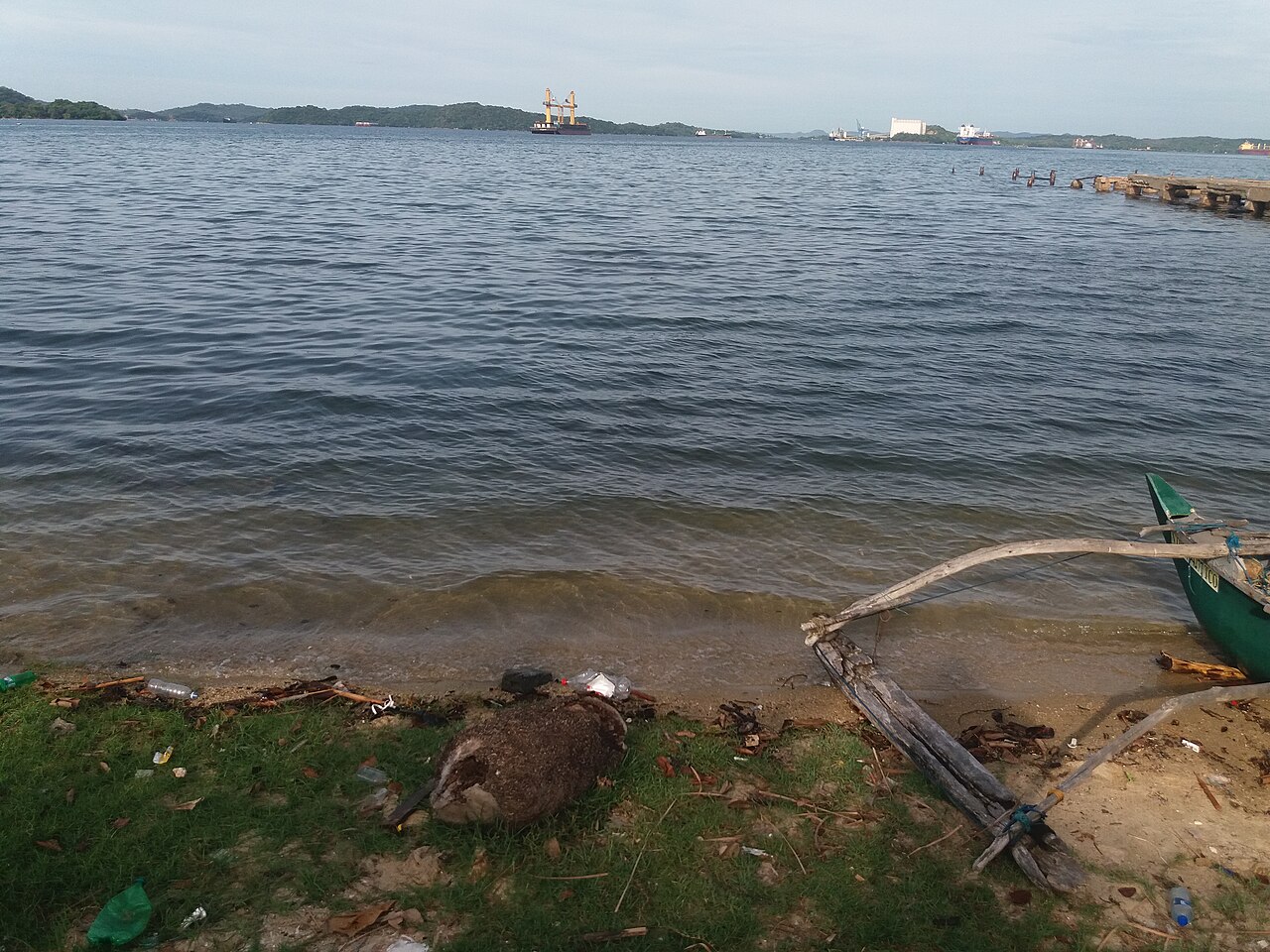
Trincomalee is not a one-beach town — it is a deep natural harbour ringed by some of the clearest water in Sri Lanka:
- Snorkelling at Pigeon Island National Park — The headline experience, a short boat ride from Nilaveli Beach. A standard package for foreign visitors (boat, park entry and mask-and-fin set) runs US$35–55 per person, and the coral gardens hold sea turtles, reef sharks and clouds of tropical fish. Morning trips get the clearest water — operators leave around 7–8 a.m. before the sea breeze picks up.
- Scuba diving on wrecks and reefs — Trincomalee is Sri Lanka's diving capital, with wartime wrecks like the HMS Hermes and the HMS Dorsketshire lying in 30–55 metres of water, plus coral reefs around Swami Rock. A single fun dive costs about US$40–45, two dives roughly US$70–75, and a Discover Scuba session for beginners about US$100. The season runs May to September, which makes August and September prime time.
- Whale and dolphin watching — Blue whales and sperm whales feed in the deep water just off the coast, and half-day trips cost US$45–70 per person depending on boat size. Sightings peak in March–April and again in August–September — right now, in other words. Trips leave early (around 5:30–6 a.m.), so book the afternoon before.
- Koneswaram Temple at sunset — The 2,000-year-old Hindu temple perched on Swami Rock above the harbour is free to enter, and the sunset view over the bay is the kind travellers describe in language usually reserved for major life events. Cover shoulders and knees, and go an hour before sunset to watch the light change.
- Fort Fredrick and Dutch Bay — The massive 17th-century fort encloses a small village, a Buddhist temple and a Hindu kovil, with the harbour glittering below the ramparts. Entry is free, and the stroll takes an easy hour.
- The beaches themselves — Nilaveli's broad crescent of soft sand, Uppuveli's laid-back restaurant strip and quieter Marble Beach are all free, publicly accessible and noticeably emptier than the south coast even in peak season. Swimming is calm and warm from April to October.
- Kanniya Hot Springs — Seven stone wells of naturally heated water about 20 minutes from town, a quirky local experience for a small entry fee (roughly US$1–2).
Getting around
Four ways to cover the 260 km from Colombo (about 265 km from the airport) to Trincomalee, priced honestly for 2026:
- Private taxi — US$80–130 (car), US$150–200 (van), 5–6 hours. The standard route runs Colombo → Kurunegala → Dambulla → Habarana → Trincomalee, mostly on good two-lane highways. Airport pickups usually cost US$10–20 more than Colombo hotel pickups because of the airport access fee and waiting time. Pre-book through a reputable operator or your hotel for a fixed all-in price; a driver hired on the spot at arrivals will quote more.
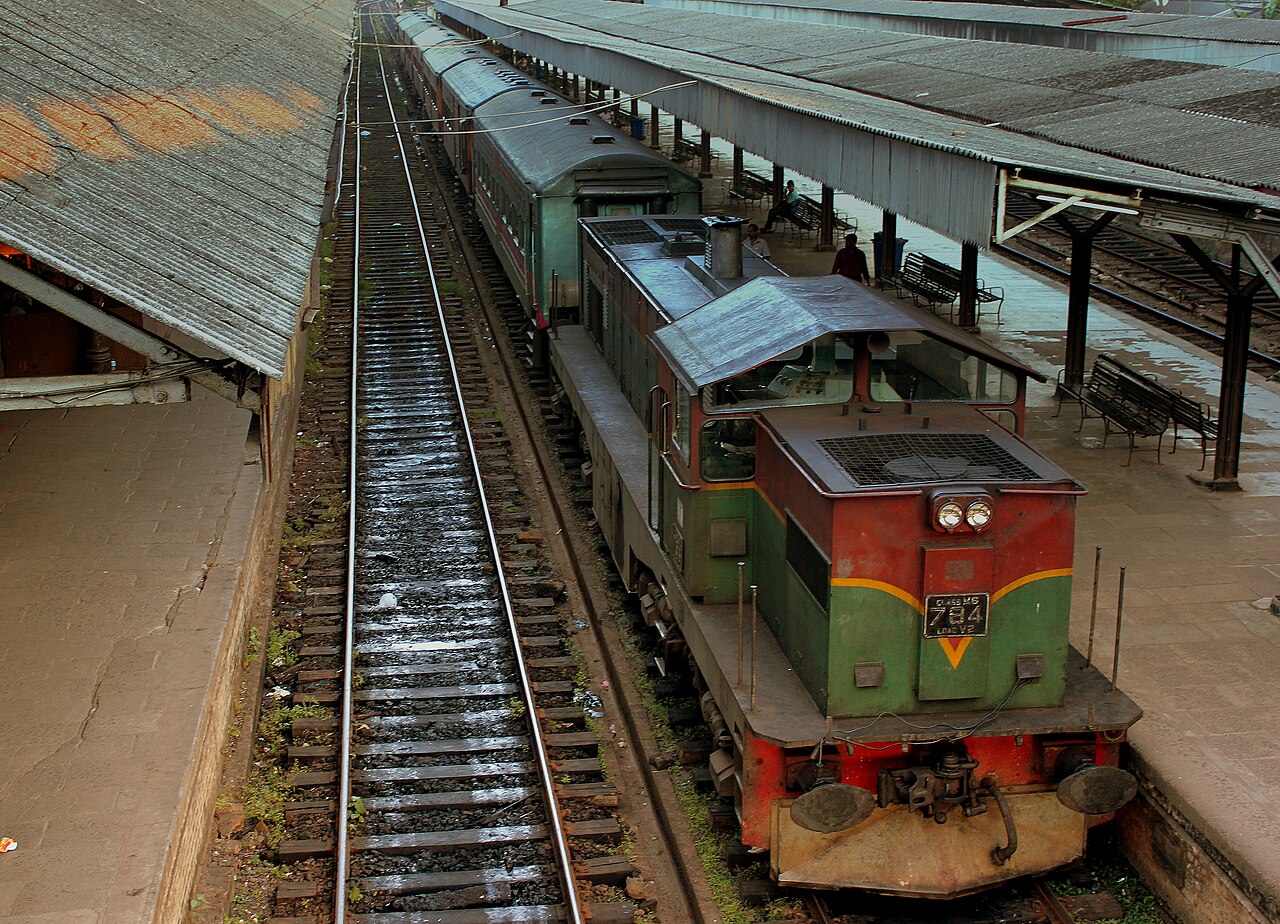
- Night Mail train — from Rs 1,600 (~US$5.50), 8 hours. Departs Colombo Fort at 21:30 and arrives Trincomalee at 05:30 daily, with second- and third-class bench seating — no sleepers, no air conditioning, no first class on this line. The route was restored and fully running again from January 2026 after cyclone damage, so the service is reliable. Tickets go on sale a few days ahead via the official railway e-service portal or at Fort station; book early in peak season.
- Intercity bus — Rs 1,800–3,350 (~US$6–11), 6.5–7.5 hours. Around 27 scheduled services a day leave from Pettah's Bastian Mawatha bus station. Ordinary buses are cheapest and slowest; semi-luxury costs about Rs 2,100–2,270; super-luxury AC coaches run Rs 2,550–3,350 and mostly depart overnight, which suits the long haul. You can buy super-luxury seats online in advance.
- Seaplane — US$160–216 one-way, 60 minutes. Cinnamon Air flies from Colombo (Ratmalana) to Trincomalee's China Bay on a summer schedule (May–October, roughly five flights a week) — the only way to arrive in an hour. Luggage is limited to around 10–15 kg per person; book well ahead, and note fares quoted “++” usually exclude taxes.
Once you are in Trincomalee, a tuk-tuk from town to Uppuveli costs about Rs 700–1,000 (~US$2.50–3.50) and to Nilaveli about Rs 1,200–1,800 (~US$4–6). The PickMe app works in town, local buses run along the coast road for pocket change, and most guesthouses rent scooters for around US$8–12 a day. Avoid un-metered taxis without an agreed fixed price, and any “shared taxi” that promises a departure time — shared vans leave when full.
What to budget
Daily costs in Trincomalee are lower than the south coast for the same quality. Per person, per day, excluding the transfer in:
- Budget — US$35–45. Dorm bed or simple guesthouse room US$10–18, rice and curry or kottu from local eateries US$3–5 a meal, tuk-tuks and the occasional bus ride US$4–6, plus one shared activity (a Pigeon Island trip or a whale-watching seat) amortised over your stay.
- Mid-range — US$70–95. A comfortable beachfront hotel room US$40–55, restaurant meals with seafood US$12–18 a day, and one paid activity per day (snorkelling package US$35–55, or two dives at US$70–75).
- Comfort — US$130+. A resort room US$90–120, private boat charters, daily diving, and dinners at the nicer beach restaurants. This is where most of the east coast's five-star beach clubs sit.
Add the transfer on top: a taxi split between two to four travellers works out to US$20–65 per person each way — still the most common choice — while the train at US$5.50 or a super-luxury bus at US$11 keeps the whole trip genuinely cheap. A five-night mid-range stay for two, including a one-way taxi, lands around US$750–900 all in.
WATCH OUT FOR
- The night train is not a sleeper. Second- and third-class bench seats, no air conditioning, no bedding — bring a fleece or sarong (the carriage cools down overnight) and earplugs. You arrive at 05:30 with the town still asleep, so pre-arrange a pickup with your hotel rather than negotiating on the platform in the dark.
- “From US$50” taxi quotes. Several operators advertise eye-catching rates that quietly grow with airport access fees, night surcharges, tolls and fuel adjustments. Always confirm a single fixed, all-in price in writing before you book, and ask what happens if your flight is delayed — a good operator includes waiting time.
- Pettah bus station chaos. The Bastian Mawatha terminus is busy and confusing at night. If you are taking an overnight AC bus, arrive early, keep bags where you can see them, and buy super-luxury tickets online rather than trusting a conductor's “seat guaranteed”.
- Wildly different Pigeon Island prices. Boat touts quote US$35 to US$55 for essentially the same trip, and trips are cancelled without notice when the sea is rough. Go with an established operator (your hotel can book one), check the morning conditions yourself, and treat any “guaranteed turtles” promise with scepticism.
- Peak-season room pressure. August and September are Trincomalee's prime months — diving, whales, calm seas — so the best properties fill fast and some charge premium rates for tired rooms. Book early and read recent reviews rather than trusting a glossy photo.
- Seafood menu math. Beachfront restaurants charge two to three times what local eateries do, and fish is often priced per kilogram. Confirm the weight and total price before you order, or you may meet a surprise at the bill.
- No ATMs on the Nilaveli strip. Cash runs out quickly at beach restaurants. Withdraw in Trincomalee town (or at the airport) before you head to the beach, and carry small notes.
GOOD TO KNOW
- Timing is everything on the east coast. April to October is the golden window — calm seas, clear water, whale season. August and September are peak, which means book rooms and whale-watching seats ahead; October stays lovely but the monsoon edge creeps in late in the month.
- Book the taxi through your hotel or an established operator. You get a fixed price, a driver who knows the route and the right rest stops (Dambulla is the natural halfway point), and someone accountable if plans change.
- Train tickets sell out. The Night Mail has no reserved first class, so grab seats at Colombo Fort station two to three days ahead or via the official railway e-service portal. The return Night Mail leaves Trincomalee around 19:00 and reaches Colombo Fort about 03:00.
- Use PickMe for tuk-tuks in town to get honest meter prices; on the beach strips, agree the fare before getting in.
- Respect the temple dress code at Koneswaram — covered shoulders and knees — and visit at sunrise or sunset for the light and the relative quiet.
- Sort your SIM or eSIM at the airport; coverage along the east coast is fine, and a local data plan makes booking boats and taxis infinitely easier.
- Seaplane luggage is strictly limited (roughly 10–15 kg per person). If you fly, pack light or send the heavy bag with a driver — a combination that works surprisingly well.
WHERE TO STAY
Five properties that travellers consistently rate well, each for a specific, review-backed reason:
- Blu Marine Nilaveli — Guests describe the service as the best they experienced anywhere in Sri Lanka, with reviewers calling out staff by name for going out of their way — the kind of personalised attention that defines a great east-coast stay.
- Trinco Blu by Cinnamon — The most recognised name on Uppuveli Beach, praised for the pool overlooking the sand and snorkelling that starts right off the beach — no boat trip required for a first taste of the reef.
- 108 Palms Beach Resort — Smaller and more personal than the big resorts, and several guests rated it the best place they stayed on their entire Sri Lanka trip, citing the attentive service and the quality of the restaurant.
- Golden Beach Hotel & Restaurant — The best-value stay on the Uppuveli strip: simple, well-maintained rooms right on the sand with ocean views, at a price that leaves room in the budget for diving.
- Nilaveli Boutique Hotel — Right on Nilaveli Beach with a beautiful pool, and staff repeatedly praised for sorting out Pigeon Island snorkelling trips and scooters without fuss — ideal if you want the logistics handled for you.
The bottom line
Getting to Trincomalee is simple once the numbers are straight: US$80–130 for a door-to-door car, US$5.50 for the overnight train, US$6–11 for the bus, and a one-hour seaplane if you want to arrive in style. The journey is short enough to be an afterthought and long enough to be part of the adventure — and the reward at the end is Sri Lanka's clearest water, its best diving, and beaches that still feel like a discovery. Pick your transfer, book your first night, and the east coast will do the rest.
Have a specific question about your Sri Lanka trip?
Ask BYC at byc.lk — Free and honest. Some links are affiliate links and never change our advice.
Ask BYC Your Question →