Is Ayurveda Worth It in Sri Lanka? Real Costs & What a Genuine Retreat Delivers
Yes — Sri Lanka is one of the best-value places on earth to try genuine, doctor-led Ayurveda, as long as you travel for the medicine and not just the massage. The island has practised Ayurveda continuously for over two thousand years, and its south-west coast is lined with purpose-built retreats where the day revolves around treatment, a doctor’s prescription and a specific diet — at prices that undercut India’s luxury equivalents and the Maldives outright.
Every wellness trip starts the same way: a traveller has been carrying tension, poor sleep or burnout, hears that Ayurveda "fixes it," then faces a wall of choice — spa menus with oil massages for $25, resorts promising a "detox," premium retreats quoting thousands. The gap between a tourist massage and a real Ayurvedic programme is wide, and knowing which you are buying is the difference between a lovely spa holiday and a restorative one.
Last updated: September 6, 2026.
The short answer
Ayurveda in Sri Lanka is worth it — and it is genuinely good value — if you are booking a real, doctor-prescribed programme at a proper retreat, not just an à-la-carte spa massage. The south-west coastal belt between Wadduwa and Beruwala is the traditional heartland, thick with established centres where every guest starts with a doctor’s consultation and receives daily treatments plus a tailored diet and herbal medicine. A serious mid-range all-inclusive programme runs roughly $90–180 per person per night including full board, treatments, consultations, medicine and usually yoga — exceptional value next to the same experience in Kerala or the Maldives.
The honest catch: a meaningful detox needs time. The deep Panchakarma cleansing protocol realistically wants 14–21 days; a restorative reset works in 7–10 days; and a short 3–5 night stay is really a wellness holiday with good massages, not a cure. Time is the single biggest variable in what you get back.
The value is real because of the ecosystem behind it, not exchange rates alone: government-accredited colleges, a deep bench of qualified physicians, decades-old family-run retreats on the coast, and an unusually high ratio of treatment time to room price — a one-hour traditional massage here typically runs $15–30 with therapists trained in full classical techniques, not a hotel-spa rubdown.
What's worth doing
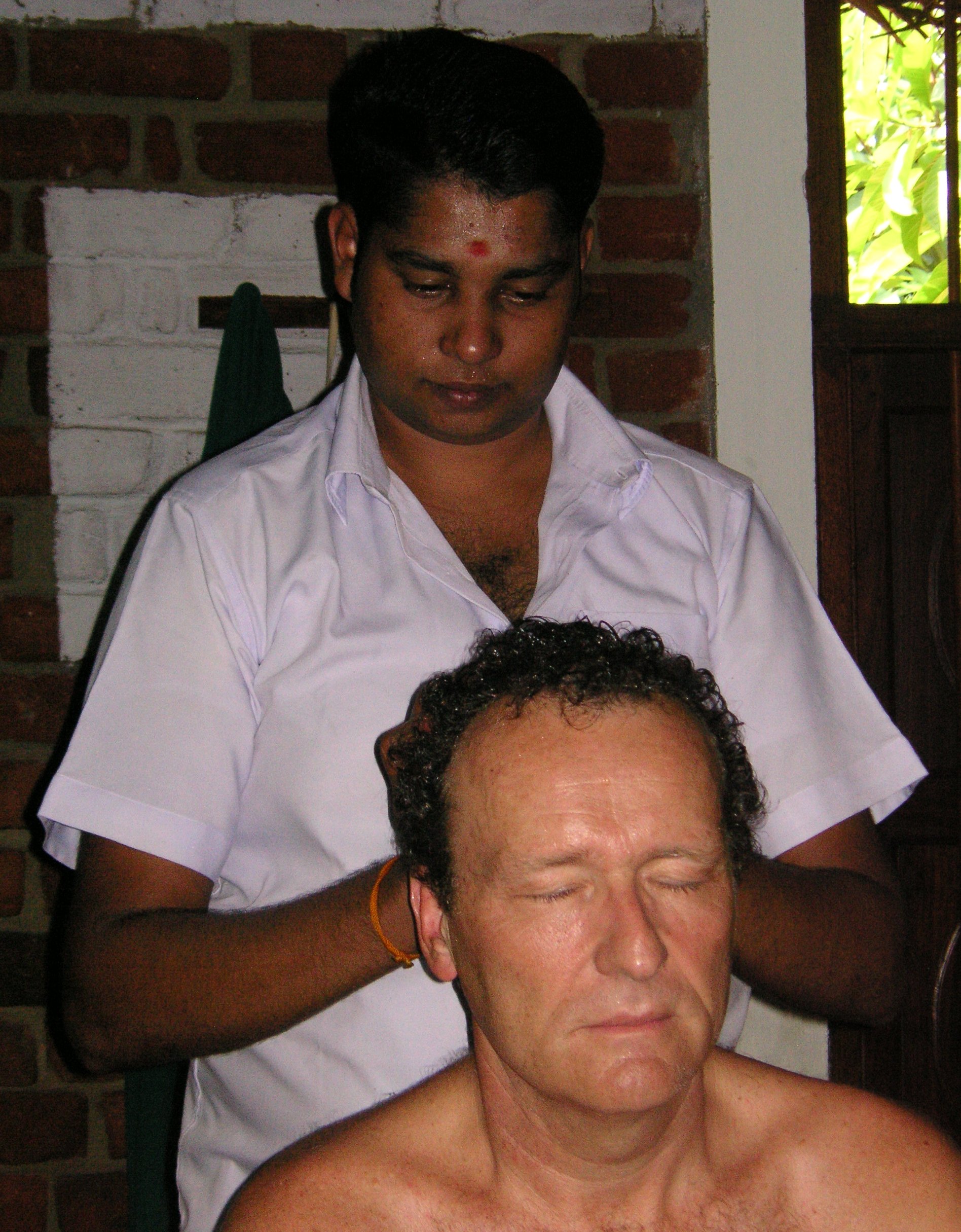
- Start with a proper doctor's consultation, not a spa menu. At a genuine retreat your stay opens with an Ayurvedic physician taking your pulse, tongue and history and prescribing treatments exactly for your constitution and complaint. This consultation is the difference between "Ayurveda" and "a very nice massage." At bigger coastal centres (Barberyn, Siddhalepa and their peers) it is always included in the package and is how every staff member knows your programme before you arrive.
- Book an all-inclusive programme on the south-west "Ayurveda belt." Wadduwa, Beruwala, Bentota, Aluthgama and Kalutara, an unbroken stretch 45–75 minutes south of Colombo, is where the established retreats concentrate — ocean air, a full-board Ayurvedic kitchen, three-plus hours of daily treatment and a consulting doctor on-site, the full system working together rather than a massage bolted onto a holiday beach.
- Try the signature treatments at least once. The Abhyanga synchronized oil massage, the Shirodhara steady stream of warm oil poured across the forehead, and the herbal steam bath (Swedana) are the trio guests describe in glowing terms. A single Abhyanga runs about $15–40 and a Shirodhara $20–50 — book a few alongside a package or sample therapy on its own if your time is short.
- Add morning yoga and gentle daily movement. The best retreats weave yoga and meditation into the same rhythm as the treatments, and guests consistently report the combination (not any single oil) is what resets sleep and stress. Most coastal packages include daily yoga; confirm it is in yours when you book.
- Pair a shorter retreat with calm, not chaos. If you only have five days, choose a base that keeps you off the road and lets the treatments carry the trip — a quiet coastal stay beats an ambitious island loop attached to a "detox" that is really a few spa sessions between sightseeing.
Getting around
The Ayurveda coast sits conveniently close to Colombo and the airport. Wadduwa is about 40–45 minutes south of Colombo airport by road, Beruwala and Bentota about 60–75 minutes, and Aluthgama sits between them — an easy arrival that makes the belt ideal as either a first stop after a long flight or a wind-down before you leave. A pre-booked private airport transfer runs roughly $25–45 for the Wadduwa–Beruwala stretch, or the coastal train from Colombo Fort to Wadduwa, Aluthgama and Bentota is a cheap, scenic option at about $1–3 in second class.
Because most programmes are residential, you will move very little once you check in — and that is the point. Choose a base partly by how much you want to leave it: Beruwala and Bentota have beaches and easy day trips to Galle Fort (about $30–40 round trip by hired car); Wadduwa is quieter if you want to switch off.
Two cautions on movement: do not treat a serious Panchakarma cleanse as a mobile holiday (the detox phase leaves you tired and the diet strict, so day trips undercut the point), and book the retreat at the start or end of your trip so recovery days are not sandwiched between airport runs — a cleanse ending the night before a 12-hour flight home is miserable.
What to budget
Honest numbers for a 2026 wellness trip, in USD, split by how seriously you want to treat it:
- À-la-carte treatments (no package): a traditional oil massage $15–30 for an hour, Shirodhara $20–50, herbal steam or body packs $10–25. Fine for a couple of relaxing sessions on an ordinary holiday, not a programme.
- Mid-range all-inclusive coastal programme (7–14 nights): roughly $90–180 per person per night, full board with an Ayurvedic kitchen, doctor consultation, 3–4 hours of daily therapy, herbal medicines and usually yoga. This is the sane sweet spot for a genuine reset, and it is frequently cheaper than a plain beach resort package on the same stretch of coast precisely because the stays are structured around treatment.
- Premium & luxury wellness retreats: expect $250–500+ per person per night for design-led luxury properties, private physician-led care, spa-grade rooms and refined spa facilities. Santani in the Kandy hills is the headline example — gorgeous, disciplined and priced accordingly — worth it if you want the elevated experience over the clinical tradition.
- Medicines & extras: prescribed herbal medicines are usually bundled into packages; bought à-la-carte at the retreat pharmacy they run a few dollars per item. Budget $20–60 extra if you want supplements or tonics to take home.
- Coffee, excursions & incidentals: keep $15–30 per day for the odd trip and treats — most of your spend is comfortably inside the package.
Overall, a solid 7-night coastal reset lands around $800–1,300 per person all-in — remarkable value when comparable therapy at a wellness resort in most Western markets runs several times that before you add a five-star room. You are paying for three-plus hours of daily, doctor-directed therapy, not a token spa credit.
WATCH OUT FOR
These are the recurring traps travellers hit, so you book with your eyes open:
- The "detox" that is really just massages. Many hotels slap “Ayurvedic spa” on a menu of pleasant oil massages with no doctor, no diet and no medicine. That is a spa holiday — fine, enjoy it, but do not expect a cleanse or lasting change. If no physician consultation and no prescribed diet come with your stay, you are not buying an Ayurveda programme.
- Under-booking your time. The biggest regret in guest accounts is arriving for a real cleanse with only three nights. The treatments build daily, and the diet and medicine take days to bite. For a genuine reset, seven days is the practical minimum; for Panchakarma, plan around two to three weeks.
- Tough days mid-cleanse. Panchakarma is not a constant blissful rub-down — strong detox can bring fatigue, headaches and low energy for stretches. A few guests are blindsided by feeling worse before better and think they made a mistake. Know this is normal, tell your doctor, and the programme adjusts.
- The "bring it home" pharmacy hard-sell. Some retreat shops push expensive take-home remedies with vague instructions. If you buy herbal medicine for home, ask exactly how to take it and how long to run it — and be wary of costly multi-bottle bundles pushed at check-out.
- Strict diet culture shock. Serious programmes restrict coffee, alcohol, meat, sugar and sometimes dairy for the whole stay. Guests expecting "a beach holiday with massages" often find the food discipline the hardest part — read what the detox diet excludes before you book.
GOOD TO KNOW
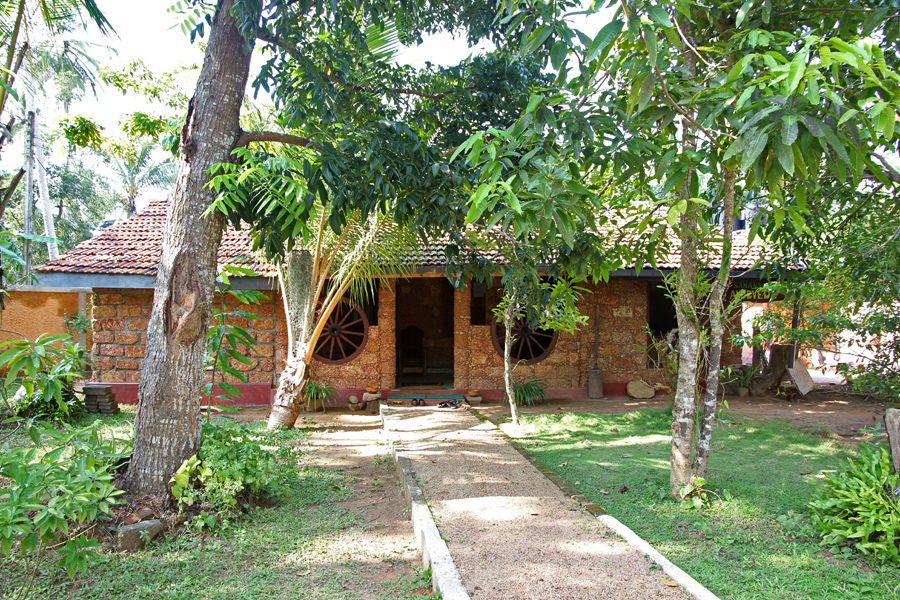
- The two-tier reality: modest-but-real versus luxury. The traditional coastal centres can look modest — older buildings, functional rooms — because the money goes into treatment and therapy hours. If you need design and polish plus the protocol, expect to pay the premium tier (Santani and similar) rather than assuming the budget belt centres are "the same but cheaper."
- The south-west owns the season from November to April. The Ayurveda belt is the classic dry-season coast, so November–April is both the best weather and the busiest window — book well ahead. May–September brings the south-west monsoon rain to this coast; that is the natural season for the east-coast and hill-country wellness options instead.
- Bring loose, comfortable clothing. Treatments mean a lot of oil, and retreats are informal — cotton kurtas or soft loungewear you do not mind staining beat packing for a resort dress code. Most centres provide treatment sarongs but you will want layers between sessions.
- Say it loudly: your health history matters. Be completely open with the consulting doctor about medications, conditions and pregnancy. Authentic retreats are genuinely careful — they will only prescribe what is safe for you — but only if you tell them everything.
- Compare the therapy minutes, not the star rating. The deciding detail between two similar retreats is how many minutes of doctor-directed treatment you get daily and whether the chef follows the physician’s dietary plan — that ratio, not the brochure photos, is what a programme delivers.
WHERE TO STAY
Named properties below are picked for a genuine Ayurveda programme — positive reputations only, with the specific reason each earns a spot for a wellness stay.
- Barberyn Reef Ayurveda Resort (Beruwala) — a family-run institution on the heart of the belt whose guests consistently describe the owners’ priority as healing rather than hospitality, and rate the resident doctors and therapists as knowledgeable and caring — the reference point for a proper, doctor-led programme on the coast.
- Barberyn Beach Ayurveda Resort (Weligama) — the sister property further south on the same trusted philosophy, frequently praised by guests who paired a stay here with the Reef for the calm, experienced therapists and full treatment-led days in a quieter setting.
- Siddhalepa Ayurveda (Wadduwa) — Sri Lanka’s best-known Ayurvedic medicine brand run as a genuine health resort, valued by travellers who want the trusted, traditional medicine house and its disciplined treatment programmes at a more accessible Wadduwa base on the belt’s quieter southern end.
- Santani Wellness Resort (Kandy) — the luxury outlier, in the cool hill country rather than on the coast, for travellers who want design-led calm and private, physician-supervised care around a genuinely serious wellness programme — bought at premium price for the elevated experience.
The bottom line
Sri Lanka’s Ayurveda is genuinely worth it — and genuinely good value — when you book a real, doctor-prescribed programme and give it the time it needs. Book the honest thing — a coastal programme with a physician, a daily treatment rhythm and a real Ayurvedic kitchen — for seven to fourteen days, and you come away with more than a holiday tan: better sleep, less tension and a clear, repeatable routine for keeping it. Take the coastal belt in the dry season, arrive rested, and let the island’s oldest healing tradition do what it has done for two millennia — and you may find the only hard part is leaving the oil behind.
Planning the fuller picture? See our getting around Sri Lanka guide for how the wellness coast connects with the rest of the island, weigh the island’s two coasts through the year in our coast-by-month comparison, and read our honeymoon guide if you are pairing wellness with romance instead.
Have a specific question about your Sri Lanka trip?
Ask BYC at byc.lk — Free and honest. Some links are affiliate links and never change our advice.
Ask BYC Your Question →