Is Pasikudah Worth Visiting? Sri Lanka's Calmest Beach, Honestly Reviewed
The short answer
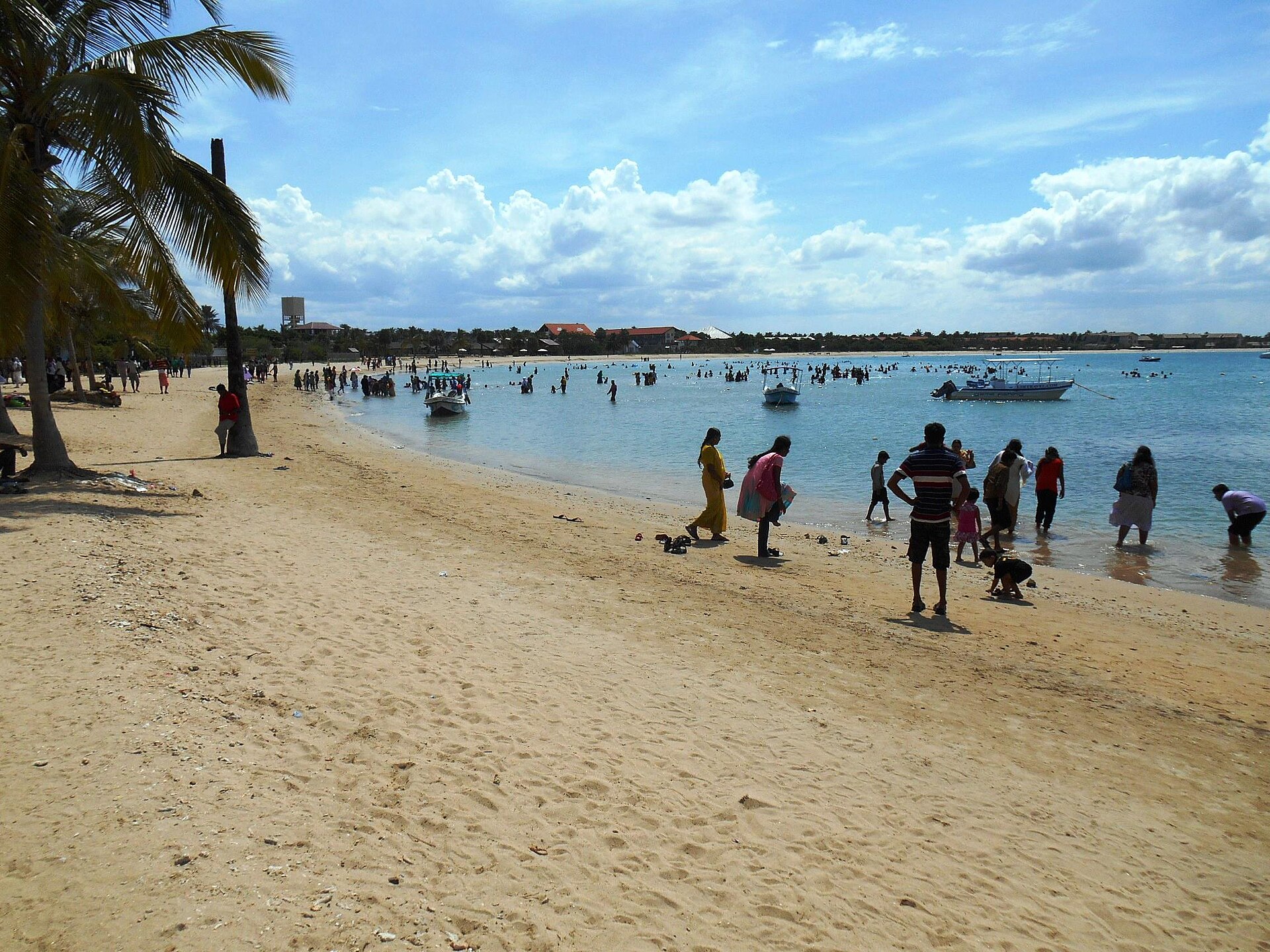
Yes, Pasikudah is worth visiting — but only for travellers who want Sri Lanka's calmest, most relaxing beach. It is the shallow, reef-protected bay where the Indian Ocean behaves more like a lake, which makes it the island's safest swimming beach for children, weak swimmers, and anyone who has had enough of fighting waves. It is not a surf town, not a party strip, and not a place for watersports adrenaline between two paddles of a kayak. Come for three or four nights of genuine rest between the more active stops of your trip, from around April to September, and you will leave wondering why so few people mention it. Come expecting action, and you will misjudge it entirely.
What's worth doing
- Swim in the calmest water in Sri Lanka. The whole reason Pasikudah exists as a destination is the outer reef that flattens the ocean into a shallow, warm, glass-calm lagoon. You can wade out for hundreds of metres in water that never rises past your chest, watch your feet on the sandy bottom the whole way, and not once feel a wave roll under you. For families this is transformative; for nervous swimmers it is the only beach in the country that feels like a giant outdoor pool.
- Snorkel the coral reef. Just off the bay, guided one-hour reef trips take you over living coral with clownfish, parrotfish and the odd reef shark in shallow, safe water. Expect to pay around US$24 per person including gear; mornings are clearest and calmest. If you have never snorkelled before, this is the gentlest introduction in Sri Lanka — the flat water means you can focus on the fish instead of the waves.
- Do a glass-bottom boat ride. Not a swimmer? The same reef is viewable from above through the clear hull of a glass-bottom boat, a firm favourite for families and non-swimmers who still want the coral experience without putting a mask on.
- Kayak or stand-up paddle at sunrise. The bay's flat water is made for paddling, and the dawn light over a mirror-still bay is one of the quiet highlights of the whole east coast. Kayaks and paddleboards rent by the hour from resorts and beachfront operators along the sand.
- Walk Kalkudah beach. Fifteen minutes north of the main Pasikudah strip, the long, low-key stretch of Kalkudah beach is emptier still — the pick for unbroken strolls, a swim without company, and a slower pace of afternoon.
- Day-trip to Trincomalee. The east-coast town of Trincomalee, about 90 minutes up the coast, is the launch point for Sri Lanka's finest whale and dolphin spotting. Full-day safaris run roughly US$52–65 and have a strong track record of spinner dolphins and blue whales in season (roughly May to September).
Getting around
Pasikudah is on the east coast's main rail branch, so it is easier to reach than its sleepy reputation suggests. The nearest station is Valaichchenai, about ten minutes away, served by the twice-daily Colombo–Batticaloa trains; the full run from Colombo Fort takes around seven hours and costs a few dollars in 2nd or 3rd class. Alternatively, direct buses from Colombo to Oddaimavadi or Kalkudah take roughly five and a half hours and cost about US$7–8. The most comfortable door-to-door option is a private car with driver: about five and a half hours from Colombo and roughly US$140–150 for the transfer.
From Trincomalee to the north, a private car is about 90 minutes and US$60–80; from Batticaloa to the south it is only about 30 minutes and US$20–30. Many travellers arrive by train and hop in a tuk-tuk or taxi for the short final leg from either Valaichchenai or Batticaloa. On the ground you rarely need a vehicle — the beach, most resorts and the reef operators are within walking or short-tuk-tuk distance of each other. What to avoid: don't rely on a hired motorbike to reach distant beaches on unlit roads at night, and don't book tight onward connections — east-coast trains and buses run to their own relaxed schedule.
What to budget
Pasikudah spans a wider price range than Sri Lanka's backpacker beaches because it leans towards family resorts and honeymoon stays. A realistic daily spend per person:
- Accommodation: US$15–30 for a clean guesthouse or simple beach villa; US$60–120 for a comfortable mid-range resort; US$150–250 and up for a full-service beachfront resort. Three nights is the sensible minimum.
- Meals: US$3–6 for a rice-and-curry plate at a local eatery in nearby Kalkudah or Batticaloa; US$10–18 for dinner at a resort restaurant. East-coast seafood is excellent and cheaper than the south coast. Budget US$12–20 a day for food if eating out.
- Activities: reef snorkelling about US$24; glass-bottom boat US$10–15; kayak and SUP hire US$5–10 an hour; a Trincomalee dolphin or whale safari US$52–65 including transfer. Allocate US$30–50 for a full activity day.
- Transport: US$2–5 for local tuk-tuks on a normal day, or US$8–15 if you are moving between Kalkudah beach, town and your resort.
All in, a comfortable three-night stay works out to roughly US$280–400 per person including everything. Cash is king on the east coast: many guesthouses, all tuk-tuks and most small reef-boat operators work in rupees only, so withdraw in Batticaloa or Trincomalee before you settle in — the nearest reliable ATM is not on the sand.
WATCH OUT FOR
- The season is non-negotiable. Pasikudah is an April-to-September destination. From around late October through February the northeast monsoon brings rain, rough seas and strong currents into the bay, some resorts close, and the water loses the calm that is the entire point. Outside the dry season, the south coast is the safer bet.
- Jellyfish in the wet season. When the monsoon swell pushes in, so do jellyfish. In the calmer months they are rarely a problem, but if you are visiting on the shoulder of the season, ask locals about conditions before swimming far out.
- It is quiet — genuinely. There is no organised nightlife, no surf scene and, for many visitors, not much to do after sunset beyond dinner and a beach walk. Travellers who expect activity misunderstand the place. If you need buzz, build Pasikudah as a calm interlude, not a base.
- Resort price creep. Many of the best beachfront properties hint at "resort" prices once you add meals and activities. Confirm whether breakfast, transfers and reef trips are included before you book, and ask about the full price of add-ons rather than assuming a quoted room rate covers everything.
- Remote-stretch supply. Fewer options than the south coast means less competition on everything from tuk-tuk fares to restaurant prices. Agree fares before you ride and check menu prices before you sit down; the relaxed pace of the place shouldn't mean surprise bills.
GOOD TO KNOW
- Go April to September. The east coast's dry, sunny season is when the bay is at its calmest and clearest. The shoulder months either side can be beautiful but rain is more likely.
- Three nights, not a day trip. The whole appeal is slowing down. One night leaves you rushed; three lets you swim, paddle, reef-watch and still leave time for a long Kalkudah walk and a sunset.
- The bay is the star for families. The shallow, wave-free water is the single strongest reason to choose Pasikudah over surf beaches with children. Several family resorts have kids' clubs and shallow access points that make it an easy east-coast pick for young families.
- Book on the train. The Colombo–Batticaloa line through the east is scenic and cheap, but the twice-daily service fills up in high season. Reserve a seat in advance where possible, especially in 2nd class.
- Combine with Trinco or Batticaloa. Pasikudah is rarely a destination on its own merit; it slots perfectly between the whale-watching of Trincomalee and the lagoon and Dutch fort of Batticaloa. Build it into a wider east-coast loop and you get both calm and variety.
- East-coast food is underrated. The Tamil and Muslim cooking of the Batticaloa district — hoppers, spicy seafood curries, fresh crab — is some of the best in the country and generally cheaper than the tourist south. Ask your guesthouse where they eat rather than defaulting to the resort buffet.
WHERE TO STAY
Pasikudah's accommodation is a mix of honeymoon-grade beachfront resorts and honest family guesthouses. The standout options in our guest review data:
- Uga Bay by Uga Escapes. The benchmark for luxury here — an intimate, beautifully designed resort where guests consistently arrive expecting a big chain feel and leave praising the warmth of the service and the calm perfection of the setting right on the flat-water bay.
- Amaya Beach Pasikudah. The pick for families: a full-scale resort with a kids' club, a pool and spa facilities, and reviewers regularly pointing out that the shallow, wave-free beach directly in front makes it one of the safest beaches in Sri Lanka for children to swim.
- The Calm Resort & Spa. True to its name, this is a peaceful beachfront option where the consistent theme in guest feedback is quiet and relaxation — reviewers describe arriving tired and leaving genuinely recharged, with the bay's stillness doing most of the work.
- Amethyst Resort Passikudah Beachfront. A well-regarded mid-range beachfront choice where travellers value the direct access to the calm water and the friendly, attentive service that makes a low-key stay feel personal.
- Kalkudah Beach House by Teardrop Hotels. A characterful boutique pick a short way up the coast at Kalkudah — travellers praise its understated style and the escape from the busier strip, ideal for those who want the calm bay with a more design-forward, intimate setting.
The bottom line
Pasikudah is not the beach you hear about, and that is exactly its charm: a shallow, wave-free bay that delivers the kind of rest most of Sri Lanka's more famous coastlines are too busy to offer. Come in the dry season with the right expectations — a handful of slow, comfortable nights rather than a schedule — and you will leave with the calmest, most untroubled beach memory of the whole trip. For families and anyone who has earned a pause, it is quietly one of the best corners of the island.
Have a specific question about your Sri Lanka trip?
Ask BYC at byc.lk — Free and honest. Some links are affiliate links and never change our advice.
Ask BYC Your Question →