Is Sri Lanka Good for LGBTQ+ Travellers? The Honest Answer for 2026
Sri Lanka has a way of getting under people's skin. It has the warmest hospitality in South Asia, some of the best food and train journeys on the planet, beaches that empty out at sunset, and an ancient culture that greets visitors with genuine curiosity. And it also carries a colonial-era law on its books that technically criminalises same-sex intimacy — a law the courts have called unenforceable but that parliament has still not repealed. So the question LGBTQ+ travellers actually need answered is not "is Sri Lanka beautiful" (it is) but "will I be safe, and will I be welcome?" The honest answer is more encouraging than the law suggests, and it depends almost entirely on a few things you can plan around.
The short answer
The short version: Yes — Sri Lanka is a welcoming and, for the great majority of LGBTQ+ visitors, safe country to travel in, especially as a couple or a solo traveller staying on the tourist beach belt and in the major hotels. But it is a socially conservative society, not a gay-destination country, and the difference matters. Sri Lanka has no equivalent of a Pride district, no cluster of gay bars, and no public gay scene the way Thailand, Vietnam or Nepal do. What it has instead is discretion and warmth: hospitality that treats guests beautifully regardless of who they are, and a tourism industry that is quietly, increasingly comfortable with same-sex couples. Get the practical details right — where you stay, how you behave in public, and what you expect — and you will almost certainly have an extraordinary trip.
It helps to understand where that contradiction comes from. The anti-same-sex provisions in Sri Lanka's Penal Code date to the 1880s and were inherited from British colonial rule, not born of local tradition. Successive Sri Lankan governments have failed to repeal them, but the Supreme Court has ruled them dormant and unenforceable, and the country's political mainstream — including parties that have written support for LGBTQ+ rights into their platforms — has moved steadily in the direction of decriminalisation. The result is a country living with an outdated law it does not enforce, in a society where traditional values coexist with a tourism economy that has spent decades welcoming the world. For a visitor, that translates into something simple and practical: behave with ordinary courtesy, keep affection private, and almost nothing about your trip will be affected by who you love.
What's worth doing
Sri Lanka rewards travellers who come for the country rather than for a scene. The pleasure here is the landscape, the culture and the food — and every one of these is open to you without any compromise to your comfort or your identity.
- The hill-country train (Kandy to Ella). The single most beloved experience in Sri Lanka and completely private-by-nature — you book a carriage, sit with your partner, and watch tea estates, waterfalls and cloud forest roll past for seven hours. Book second-class reserved seats online weeks ahead; it sells out. A shared two-person experience that is quietly one of the most romantic rides in the world.
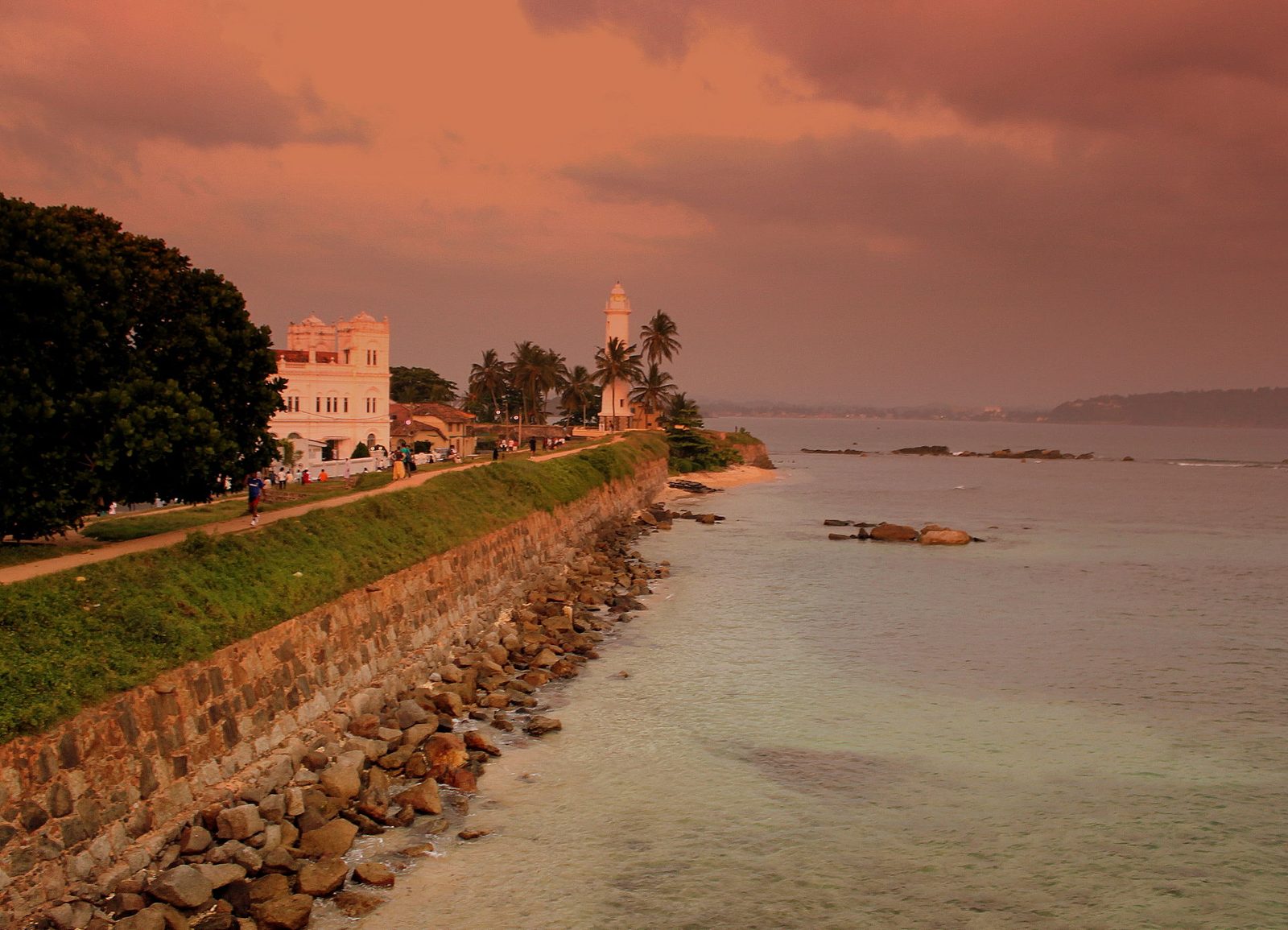
- Galle Fort at dusk. A UNESCO-listed colonial fort full of boutique cafés, galleries, and genteel sunset walks along the ramparts. It is the most cosmopolitan, expat-friendly and quietly liberal address on the island — the kind of place where no one looks twice at a same-sex couple sharing a bottle of wine on a rooftop terrace.
- The south-coast beach belt (Mirissa, Unawatuna, Talpe, Hiriketiya). Laid-back surf-and-yoga towns where international norms prevail on the sand and in the beach cafés. Long lunches, whale-watching in season, and a live-and-let-live atmosphere that is far more relaxed than the interior.
- Yala, Udawalawe or Wilpattu safari. A private jeep for two is entirely normal and one of the great wildlife experiences in Asia — leopards, elephants and sloth bears. Nothing here is affected by who you travel with.
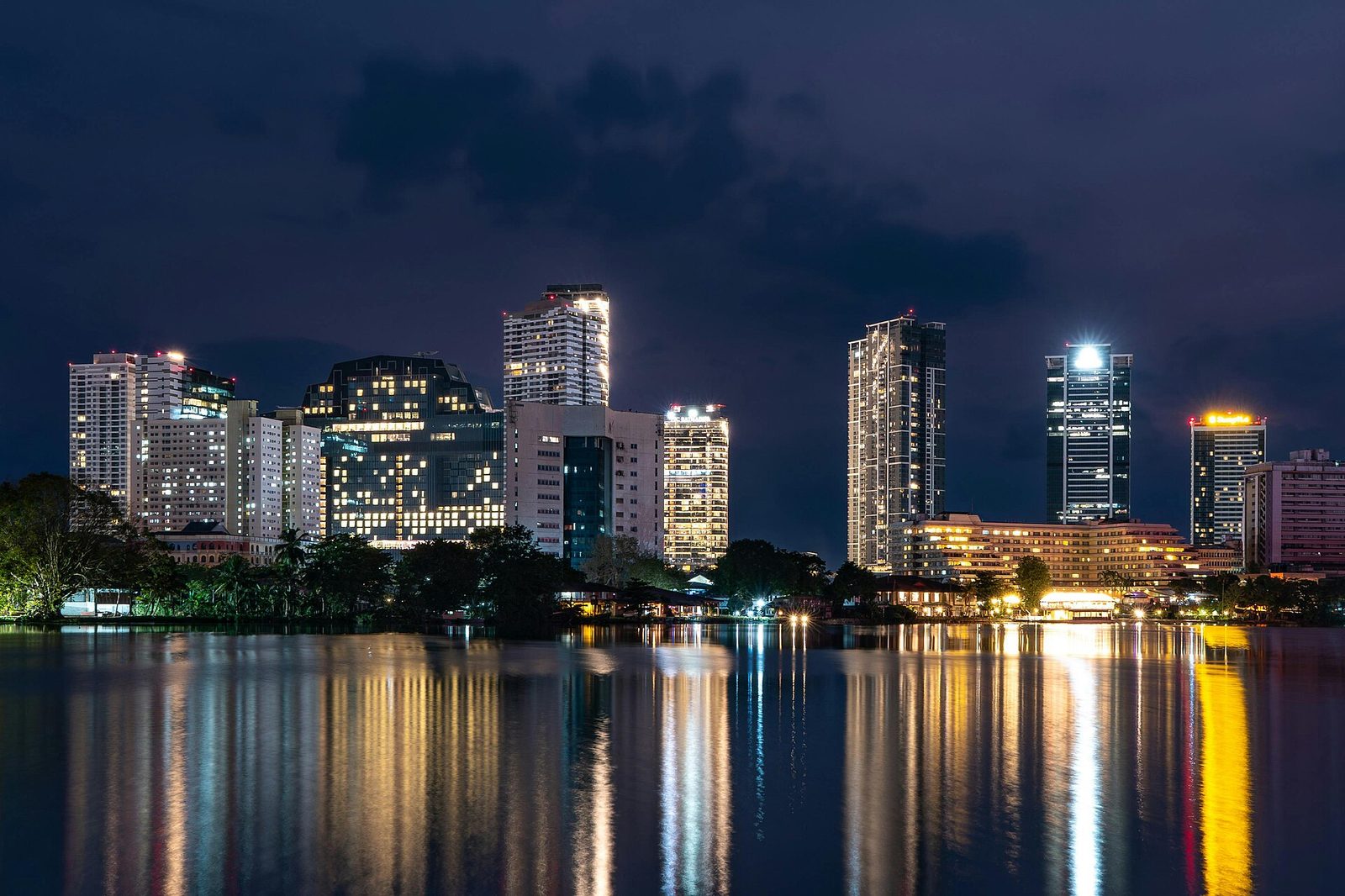
- Colombo's design hotels and rooftop dining. The capital is the most openly metropolitan part of the island. Boutique hotels, rooftop bars, and a confident, internationally-minded young professional class make Colombo 3 and 7 easy and pleasant ground for LGBTQ+ couples who want a stylish city night without any discomfort.
- Ayurveda and wellness retreats. The south-west wellness belt (Wadduwa to Beruwala) is a thriving, welcoming industry that books same-sex couples and solo travellers with the same care it gives anyone — a genuinely restorative, private option. A doctor-led programme with daily treatments, full board and a room typically runs $90–$180 per person per night, and because the whole stay is structured around quiet, private treatment rooms and your own schedule, it is one of the most comfortable ways for a couple to spend a week on the island without a single awkward moment.
- Tea country and Nuwara Eliya. The cool hill country is a world away from the coast: colonial-era hotels, manicured tea estates, strawberry farms and long walks through cloud forest. It is quiet and traditional, but as a couple it reads simply as two people enjoying a beautiful place — and the scenery is among the most romantic anywhere in Asia.
- Cultural Triangle. Sigiriya, Polonnaruwa, Dambulla and Anuradhapura are the island's ancient heart, and travelling through them as a pair is entirely normal. The main consideration is dress and decorum at the sacred sites, not who you are travelling with.
- Whale-watching and the deep south. Mirissa and Trincomalee are the two whale-watching hubs, running their seasons on opposite coasts. A morning boat with blue whales and dolphins is a shared experience that ranks among travellers' favourite memories of the whole island.
- Poya-day (full moon) temple visits. Visiting Kandy's Temple of the Tooth, Dambulla or Anuradhapura as a couple is straightforward and warmly received. Dress modestly, cover shoulders and knees, and step out of your shoes — etiquette, not orientation, is what matters in temples.
Getting around
Sri Lanka is easy and cheap to move around, and moving privately removes most of the small frictions same-sex couples might otherwise notice.
- Private car with a driver (the best option for couples). Hiring a car and driver for the whole trip is the standard way to see Sri Lanka and affords total privacy. Expect roughly $50–$70 per day for a comfortable air-conditioned car including fuel and the driver's time, with a small per-day tip for the driver. In our own review data the most consistent praise for vetted drivers is discretion and local knowledge.
- Trains. The stand-out scenic routes are extraordinarily cheap — a second-class reserved seat on the Kandy–Ella line is a few dollars — and completely unremarkable for a couple travelling together.
- Ride-hailing apps. PickMe and Uber operate in Colombo, Kandy, Galle and most tourist towns. Metered, no haggling, no questions. Short hops are $2–$4.
- Tuk-tuks. Perfect for short trips. Agree the fare first, or use an app. Drivers are almost universally friendly and unconcerned with a couple's gender; the friction here is pricing, not prejudice.
- Intercity buses. Dirt-cheap and frequent but crowded and slow. Fine for solo budget travel; a couple wanting privacy will be happier in a car.
- What to avoid: Do not book a single room and expect to explain it at a conservative small-town guesthouse without a raised eyebrow. This is not hostility — it is simply a cultural norm in the interior — and it is the single most common source of awkwardness. Book double rooms, book established properties, and the issue disappears. Equally, avoid long-distance night travel on unlit rural roads, and avoid accepting unsolicited "guides" who attach themselves to you at transport hubs; both are ordinary safety habits here, not LGBTQ+-specific ones.
Two more transport notes worth knowing. First, the coastal train from Colombo to Galle and on to Matara is slow, cheap and scenic, and it is an easy, unremarkable way for a couple to travel without a private car. Second, if you hire a driver for several days, tell them your itinerary and pace openly — the good ones, and our review data suggests most of them are, will treat a same-sex couple with exactly the same cheerful professionalism as anyone else, and a clear, friendly briefing from the outset sets that tone.
What to budget
Sri Lanka remains one of Asia's best-value destinations, and LGBTQ+ travel does not add a premium if you choose mainstream, well-reviewed places.
- Accommodation (per night, per room): $25–$60 for a good double in a boutique guesthouse; $80–$180 for a quality boutique hotel or design property; $200+ for the luxury tier (Cape Weligama, Aman-style resorts). Same rate regardless of who shares the bed.
- Meals: $3–$6 for local rice-and-curry or hoppers; $10–$25 per person for a Western or seafood dinner; a fine-dining tasting menu runs $40–$70.
- Private car and driver: $50–$70 per day, the most cost-effective way for two to cover distance comfortably.
- Activities: Surf lessons $25–$35; whale-watching $40–$60 per person; a half-day private safari jeep $60–$100 for two; temple and cultural-site entrance fees $10–$30.
- Train tickets: $3–$20 depending on class and route.
A comfortable couple's trip — boutique guesthouses or good hotels, a car for part of it, eating well — runs about $120–$180 per person per day all-in. Drop to guesthouses, buses and local food and you can comfortably travel on $50–$70 per person per day. Nothing on this island is priced by who you are.
WATCH OUT FOR
These are the patterns and precautions that matter, stated plainly, so you can plan with your eyes open:
- The law is still on the books. Sections 365 and 365A of the Penal Code — inherited from British colonial Ceylon — technically criminalise "carnal intercourse" and "gross indecency" with penalties of up to ten years. In practice the Supreme Court has ruled these provisions dormant and unenforceable, and prosecutions for consensual same-sex conduct between adults are essentially unheard of. A decriminalisation bill has been debated for years and remains pending. Treat it as a live conservative society, not as a place where you will be arrested for who you are.
- Public displays of affection are the real rule — and it applies to everyone. Sri Lankan social norms are conservative for all couples, straight ones included. Holding hands or a brief hug is generally fine and unnoticed. Passionate kissing, or any intimate contact, in public will draw stares — on a beach, in a temple town, or on a bus. This is not specific to LGBTQ+ travellers; observant same-sex couples simply read it as a stronger signal. Save intimacy for private spaces and you will have no problem.
- Discretion in the interior and small towns. Kandy, Nuwara Eliya, Anuradhapura, Jaffna and rural areas are more traditional than the coast. As a couple, book a double room, present yourselves as friends or partners without drawing attention, and behave as any polite couple would. Hostility is rare; curiosity and awkwardness are the more common experience.
- Public nudity on beaches is illegal. Some remote southern beaches see unofficial topless or nude bathing; do not join it. Public nudity can genuinely land you in trouble and is offensive locally.
- Policym policing, not persecution. Advocacy groups document that police sometimes use the dormant law to justify harassment or extortion, particularly of visibly non-conforming or vulnerable LGBTQ+ Sri Lankans. Foreign visitors are rarely targets, but if you are ever stopped, stay calm, polite and respectful, and avoid arguing. Keep a photo of your passport rather than the original where possible.
- Not everyone is an ally. A warm host is not necessarily an accepting one. Some properties, particularly in conservative areas, may react awkwardly to two men sharing a bed. Booking established, internationally-reviewed hotels and guesthouses removes almost all of this risk. If a place ever feels unwelcoming, you are never locked in — the island has thousands of alternatives, and the coast and capital will welcome you readily.
- Apps, not venues. Because there is no bar scene to speak of, much of Sri Lanka's LGBTQ+ social life runs through dating and social apps. That is worth knowing if you are travelling solo and hoping to meet people — the connections happen online, and discretion is the shared expectation on both sides. Be sensible about meeting strangers, as you would anywhere.
- Do not assume every international brand means a gay-friendly policy. A five-star logo is not a guarantee of comfort, and a small family guesthouse is not automatically a risk. What actually predicts a good experience is the review record: properties that consistently host international couples, and whose reviews mention warmth, privacy and discretion, are the safe bets — which is exactly why the list below is drawn from guest evidence rather than star ratings.
- Travel insurance and documents. Carry your passport (or a clear photo of it), a copy of your travel insurance, and the contact details of your embassy. This is standard advice for any traveller, and it also gives you a calm, ready answer if you are ever asked for identification.
- Check the calendar. Poya (full-moon) days are dry days — no alcohol is sold nationwide, and the island is quiet and reflective. This is a cultural matter, not a warning, but it changes what an evening out looks like. Plan around it.
GOOD TO KNOW
- There is no gay scene, and that is not a problem. Sri Lanka has no dedicated LGBTQ+ bars or clubs, and everything runs on apps (Grindr, Romeo, and similar) for those who want connection. If you are expecting a Bangkok or a Mykonos, adjust the expectation: this is a couples' and culture destination, not a party-scene one. As a couples' holiday it is exceptional; as a gay nightlife destination it is not.
- The most welcoming ground is the coast and the capital. Galle Fort, the south-coast beach towns, Colombo's design hotels and the wellness belt are where international norms prevail and same-sex couples are an unremarkable sight. The interior is beautiful but more traditional — enjoy it, just read the room.
- Book double rooms and established properties. This is the single most useful habit. A well-reviewed hotel or boutique guesthouse treats a booking for two as a booking for two, full stop.
- Gay-friendly specialists exist. Sri Lanka has local LGBTQ+ travel operators who craft tailored itineraries and can advise on properties and guides in real time — worth using for a first trip if you want the reassurance of an insider's judgement.
- Travel timing: the south and west coast (Galle, Mirissa, Colombo) is best from November to April; the east coast (Trincomalee, Arugam Bay) is best from May to September. The hill country is pleasant year-round.
- Be a good guest. The warmth Sri Lanka is famous for is real, and it is repaid. Dress modestly at temples, be courteous to hosts, and remember that in a conservative society, quiet courtesy opens far more doors than openness ever closes.
- Health and safety basics are the same as anywhere. Use bottled or filtered water, travel with standard travel insurance, and follow the same common-sense safety advice any traveller would.
- Solo LGBTQ+ travellers are, in our reading of the evidence, in good hands. Sri Lanka has a strong tradition of welcoming solo visitors — the island is full of homestays and guesthouses whose hosts treat a lone traveller like family, and solo travel here is common and well-supported. The same discretion advice applies: choose well-reviewed properties, keep intimacy private, and you will find the country as hospitable to you as it is to anyone.
- Language helps more than labels. Sri Lankans are enormously proud of their hospitality, and the surest way to be treated well is to be a gracious guest — greet people, ask about their families and their food, and accept a cup of tea when it is offered. Warmth is reciprocal, and it is very rarely withheld because of who you are.
- When in doubt, ask the specialists. Local LGBTQ+ travel operators and gay-friendly guesthouses can tell you, in real time, which towns and properties are currently welcoming, which have changed hands, and where a couple will feel most at ease. For a first trip, that insider reassurance is worth a small premium.
WHERE TO STAY
The right property changes the whole experience. These addresses are consistently praised by guests in our review data for warmth, privacy and discretion — each chosen for one specific, review-backed reason.
- Anugaa in The City (Colombo). Guests repeatedly single out staff who are "discreet but kind and helpful" alongside spotless, comfortable rooms and an abundant breakfast — exactly the low-key, professional welcome a couple wants in the capital.
- ThevaUX Park Street Hotel (Colombo). A collection of luxury lofts whose reviews specifically highlight "lots of privacy if that's important" with "exceptional staff and hospitality" — a discreet, design-led city base for a couple who value being left beautifully alone.
- The Sun House (Galle Fort). Reviewers praise staff who are "attentive and discreet" in a beautifully restored small boutique hotel inside the fort — the perfect address for Galle's cosmopolitan, easy-going evenings.
- Buckingham Place (Tangalle). A south-coast property where guests describe a genuinely warm welcome and total privacy on a quiet stretch of coast — the review-backed reason it works for a couple who want seclusion with real hospitality.
- W15 Lake Gregory (Nuwara Eliya). Guests describe a warm welcome from the general manager and team in a beautiful colonial-style hotel by the lake — a discreet, comfortable hill-country base for couples exploring the tea country.
The bottom line
Sri Lanka is not a gay-destination country, and it never pretends to be one — but it is a warm, welcoming, extraordinarily beautiful place to travel as an LGBTQ+ visitor, and for most couples and solo travellers it is both safe and deeply rewarding. The law is an unenforced colonial relic; the society is conservative but kind; and the tourism industry, on the coast and in the capital especially, has quietly made same-sex couples a completely ordinary sight. Travel as you would anywhere that asks for a little discretion: book double rooms at established, well-reviewed properties, keep public affection understated, save openness for private spaces, and come for the trains, the tea country, the safaris and the sea. Do that, and Sri Lanka will give you the same thing it gives every thoughtful traveller — one of the most memorable, generous trips of your life.
The island is changing, too, and mostly in your favour: decriminalisation has been on the political agenda for years, public opinion is warming, and every season brings more LGBTQ+ travellers who come, fall in love with the place, and go home as its most persuasive advocates. Come now, travel gently, and you will not just have a great holiday — you will be part of the very thing that keeps making Sri Lanka more welcoming, year after year.
Sri Lanka's laws and social attitudes evolve; check current guidance before you travel, and consult local LGBTQ+ travel operators for the most up-to-date, on-the-ground advice.
Have a specific question about your Sri Lanka trip?
Ask BYC at byc.lk — free, honest, no upsell. Ever.
Ask BYC Your Question →