Is White Water Rafting in Sri Lanka Worth It? (Kitulgala, 2026)
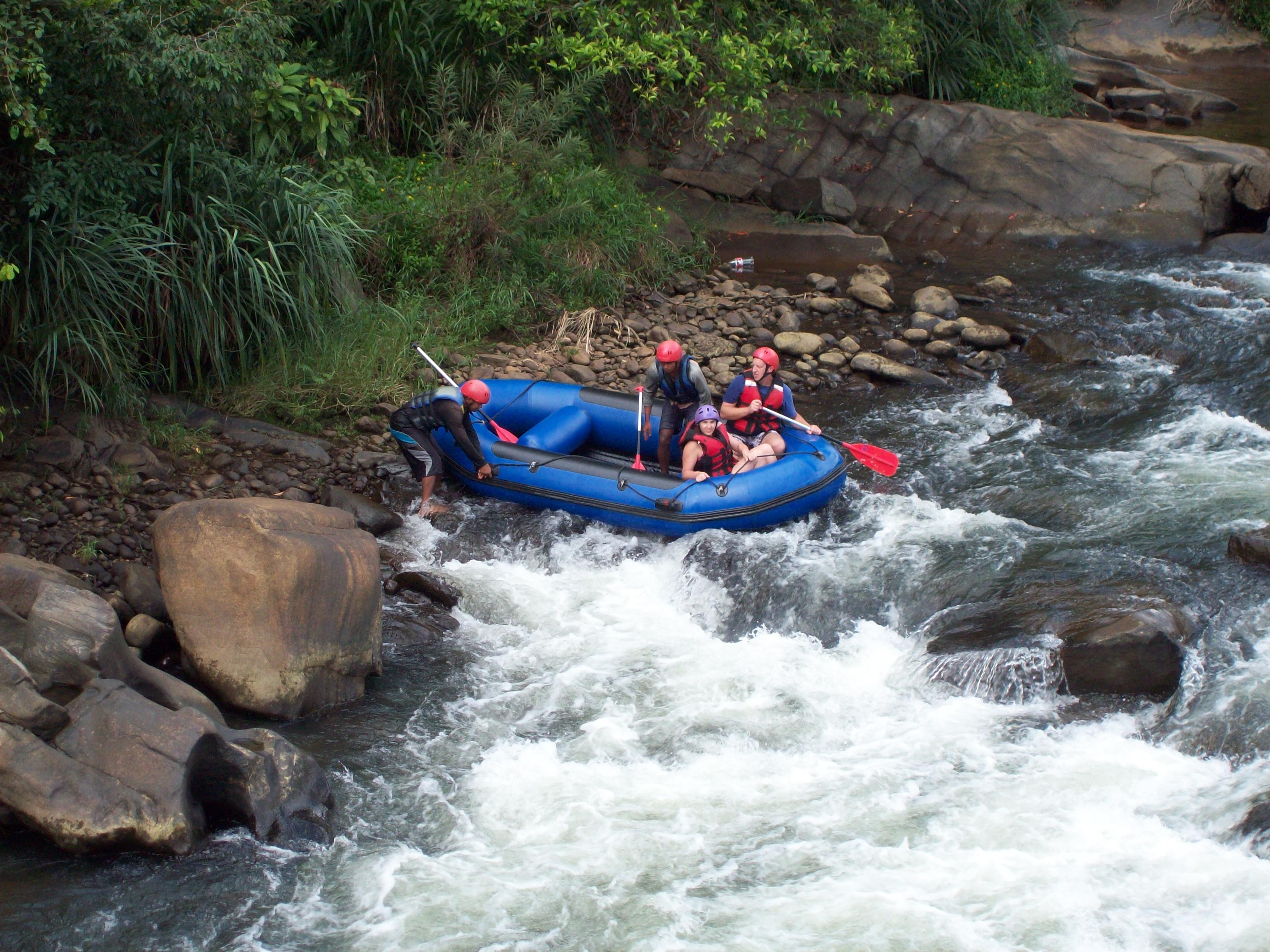
It is the question that surfaces the moment a Sri Lanka itinerary leaves the beach behind for the hills: is the rafting actually worth it, or is it a tourist trap dressed up in a life jacket? The flip-flopping between excitement and caution is very human. The evidence-backed answer is reassuring: Sri Lanka's white water is genuinely world-class value.
The Kelani River at Kitulgala mixes real rapids with lush rainforest, honest guides, and a price tag that undercuts almost every adrenaline activity the country sells. Weigh it against an extra surf lesson or another beach day and the rafting usually wins — for the story alone. Here is exactly what it involves, what it costs, and how to do it without getting burned.
The short answer
Yes, white water rafting in Sri Lanka is absolutely worth it — provided you do it in the right season and expect a fun grade II–III float with bursts of adrenaline, not a terrifying Class V gorge. The stretch of the Kelani River that runs through the rainforest town of Kitulgala, about 90 km east of Colombo, is widely considered one of the best-value guided white-water experiences in Asia. A standard guided session covers roughly two hours on the water through a series of rapids with names. Expect to pay around US$20–35 per person if you book with an operator on the ground, and more like US$25–45 for a packaged session that bundles a pickup from Colombo, safety gear, and lunch. For those prices you get proper rafts, helmets, life jackets, trained guides, and the kind of jungle scenery you cannot reach by road.
What's worth doing
Rafting is the headline act, but Kitulgala is a proper adventure pocket, not a one-trick town. If you are coming all the way out, pair the river with at least one of these:
- White water rafting (the main event): A guided run down the Kelani covering roughly 5–6 km of river and a series of rapids, from gentle warm-up riffles to the bigger, thumping drops that have you digging your paddle in. Expect to get wet, to laugh a lot, and to finish buzzing. Sessions typically run in the morning before the river gets busy.
- Waterfall abseiling: Descend a rain-soaked cliff face beside a waterfall while a guide manages the rope from above. Ranges from gentle beginner drops to big walls in the surrounding valleys, and builds nicely on rafting confidence.
- Canyoning at Karan Oya: A guided trek into a tucked-away stream canyon where you scramble and slide down rock and jump into clear pools. Less mainstream than rafting, it feels like a secret that is exactly the point.
- Rainforest walks and birdwatching: Kitulgala sits at the edge of the Sinharaja-adjacent rainforest belt and is a serious birding spot. Early morning walks turn up hornbills, endemic flycatchers, and a canopy alive with sound.
- Belilena Cave: A short excursion to a cave with dramatic overhanging rock and a waterfall spilling over its mouth. A dash of adventure, and quiet compared with cave sites elsewhere in the country.
- The movie-site trail: The jungle-clad riverbank around Kitulgala doubled for the set of a classic river-crossing film. A boat or guided walk past the old set pieces is a gentle, story-rich way to spend a late afternoon.
Most travellers realistically fit rafting plus one extra activity into a day, or raft in the morning and relax riverside in the afternoon. Trying to pack in everything is the surest way to turn a relaxed adventure into a rushed checklist.
Getting around
Kitulgala sits on the Colombo–Avissawella–Hatton road corridor about 90–100 km from Colombo, and roughly 10 km beyond the turn at Avissawella as the road climbs toward the hills. Driving time from central Colombo is typically 2.5 to 3 hours each way, more if you hit morning peak traffic.
- Private car or driver-guide (most comfortable): Expect roughly US$50–80 return including waiting, depending on your operator and vehicle. This is the best option if you want to leave early and come back the same day without fuss.
- Bus (cheapest): Regular buses run from Colombo's Pettah to Avissawella, and onward local buses reach Kitulgala. The full trip costs around US$2–4 each way but takes closer to 3–4 hours with a change, so it only makes sense for budget travellers who are not rushed.
- Organised day package: Many operators sell a rafting-plus-transport bundle from Colombo for roughly US$40–70 per person, usually including breakfast and lunch. This removes nearly all the friction and is a good call if your time in the country is short.
- From Kandy: If you are coming from the hill country rather than the coast, Kitulgala is a reasonable detour, roughly a half-day drive southwest via the winding hill roads. Factor in extra transfer time and check the route before committing.
What to avoid: do not assume you can just turn up, park, and hop in a raft without checking the session schedule — rafting runs on fixed morning and early-afternoon windows tied to water releases and daylight. Also avoid trying to squeeze it into the same day as a long transfer to the beach; you will end up tired, rushed, and less safe on the road afterwards.
What to budget
A long day out to Kitulgala from the coast is genuinely affordable. Here is an honest, per-person breakdown in US dollars for a day trip with rafting as the centrepiece:
- Rafting session (guided, at an established operator): US$20–35 per person.
- Extra activity (waterfall abseil or canyoning): US$15–35 per person, often bundled at a discount with rafting.
- Transport from Colombo (private, return, per person for two sharing): US$25–40.
- Meals: A filling local lunch at one of the riverside places costs about US$4–8; a coffee and snack around US$2–4.
- Tip for your guide: US$2–5 per person is appreciated and standard.
So a comfortable, well-organised day runs roughly US$55–90 per person, all in, while a no-frills solo bus-and-rafting version can come in closer to US$35–45. On the other end, a full adventure camp with rafting plus abseiling, an overnight riverside stay, and meals sits more like US$90–150 per person per day. Prices at the more polished adventure bases have crept up over the last year or two, partly because kit and guides are better and safer than they used to be — that premium is worth paying.
WATCH OUT FOR
Rafting is safe when run properly, but a handful of pattern warnings come up in seasoned traveller write-ups, and none of them should scare you off — just keep them in mind:
- Ask outright whether your guide is certified and the operator is established. The Kelani is a proper river with real flow. Reputable operators run safety briefings, check helmets and life jackets, and use radio-equipped guides. If a deal looks absurdly cheap and the operator dodges questions about qualifications, that is your cue to walk away.
- Do not book a session late in the day. Operators run morning and early-afternoon windows for a reason: light, water flow, and rescue coverage are all better then. An operator willing to squeeze you in at dusk is not prioritising your safety.
- Water levels change with the season. After heavy rain the river runs fast and pushy; in the driest months it can be gentler. Neither is bad — you simply want the operator to be honest about conditions on the day rather than overselling.
- Non-swimmers can still go, but say so at briefing. The raft is buoyant and guides handle rescues, but being upfront means the guide positions you correctly and keeps an eye out. Do not let pride turn a fun story into a scary one.
- The photos-and-video upsell: Operators often offer a photographer on the bank or a GoPro. Decide before you go whether the souvenir is worth the money, so you are not talked into it mid-rush.
- Budget for the extras honestly. Between transport, lunch, tipping, and possibly a towel and dry clothes, the headline rafting price is only part of the day. Genuinely, the total is small — just account for it rather than being surprised at the end.
GOOD TO KNOW
- Season: Rafting on the Kelani runs year-round, but the ideal window is generally December to April, when the river is high enough for consistent rapids but not dangerously swollen. September to November brings strong flow after rain; June to August is gentler. Ask about current conditions a day or two ahead.
- What to wear: Quick-dry shorts and a T-shirt or rash guard; sturdy sandals or water shoes with a heel strap — nothing that floats off. Bring a full change of dry clothes and a towel. Sunscreen on a cloudy river day is still sunscreen.
- Go early, ideally on a weekday. Weekday mornings are calmest and least crowded. Local holiday weekends can mean heavier groups on the river and at lunch spots.
- Combine smartly: Kitulgala slots naturally into the lush hill-country leg of a loop rather than as a frantic out-and-back when you are already transitioning between coast and tea country. If you can stay one night riverside, the early-morning rainforest is a gift.
- Booking: You can book ahead with a well-reviewed operator, or arrange on the ground in Kitulgala, where several adventure bases cluster along the river. Buying direct with a verified operator usually beats paying a middleman's markup.
- Children and families: The easy run is generally fine for confident swimmers roughly 10 and up; operators set clear age rules. There are also gentler family-oriented river floats for younger kids who want the splash without the full rapids.
WHERE TO STAY
If you want to make it more than a day dash, Kitulgala's best-known stays sit right on the river, and guest reviews keep circling back to the same few qualities:
- Rafters Retreat: The riverside eco-lodge guests repeatedly describe as having a fantastic view of the river and jungle across the water, with simple, clean cabins perfect for waking up to the sound of the Kelani. One constant in the write-ups is the exceptional hospitality and delicious food, which is worth the slightly higher nightly rate if you are treating yourself.
- Borderlands: A jungly eco-lodge that reviewers call unforgettable for its setting and atmosphere — think basic huts that are deliberately off the grid, open-air showers among the trees, and friendly staff who organise the rafting and treks for you. It is the pick for travellers who want the full rainforest escape rather than resort comfort.
- Kitulgala Riverside Camp: Scores highly with guests who want adventure lodging done properly, reviewing the camp itself warmly for its riverside position and easy access to the day's activities. Good option if you are with a small group that wants rafting booked straight from the door.
- Ever Top Resort Kithulgala: Comes up in reviews for its garden and terrace setting with free WiFi and a calm, relaxed feel — a sensible, comfortable middle ground if the pure eco-lodges feel a little too rustic and you still want to be close to the action.
- Forest-edge cabins and adventure base camps: For bigger groups or anyone travelling with an adventure operator, the base-camp cabins at the riverside are simple but unbeatable for logistics, rolling out of bed straight onto the morning raft session.
Whatever you choose, keep expectations honest: this is rainforest country, so expect insects, humidity, and the odd creature rustling in the dark. That is part of the charm, and most reviewers say the setting more than compensates.
The bottom line
White water rafting in Sri Lanka is that rare thing: an adrenaline activity that genuinely rewards the effort of getting there, at a price that does not gouge. For the cost of an evening out, you get a proper jungle river, honest guides, and a memory that outlasts any beach sunset. Pair it with one night riverside and you will leave Kitulgala not just thrilled, but a little reluctant to go.
Have a specific question about your Sri Lanka trip?
Ask BYC at byc.lk — Free and honest. Some links are affiliate links and never change our advice.
Ask BYC Your Question →