How Many Days Do You Actually Need in Jaffna and the North?
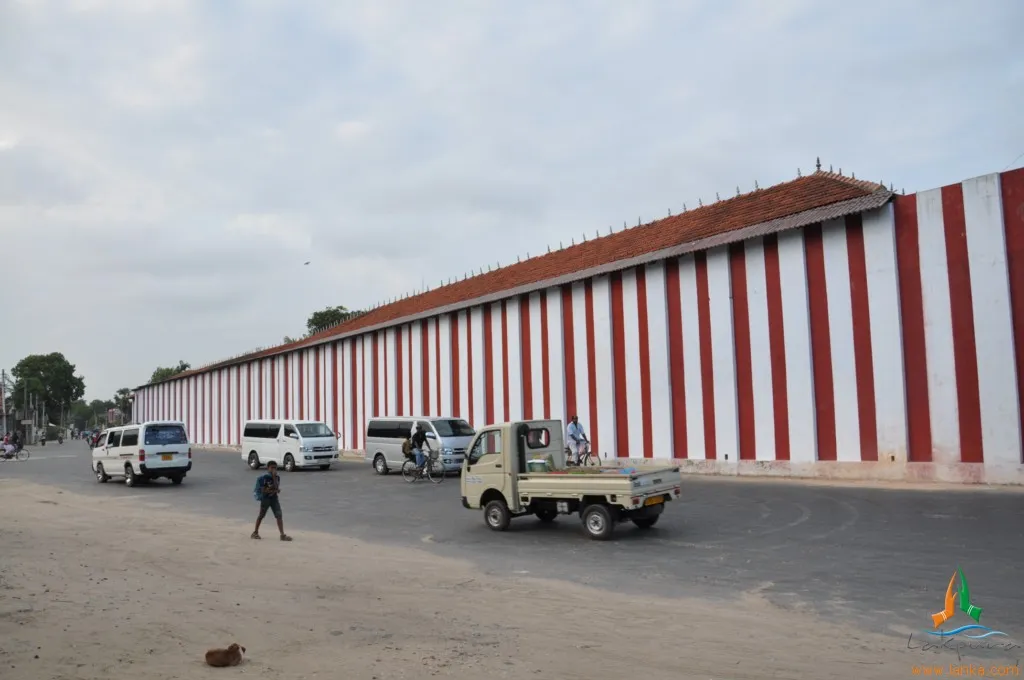
Jaffna sits at the top of Sri Lanka, separated from the rest of the country by more than just kilometres. The capital of Tamil culture on the island has its own language, cuisine, and rhythm that shares almost nothing with the south coast or the hill country. The question is straightforward but rarely answered with precision: how many days do you actually need to experience the north?
A two-night stopover barely scratches the surface. Five nights lets you breathe. The real answer depends on whether you want a taste of Jaffna or a proper exploration of the peninsula - and the difference matters more here than almost anywhere else in Sri Lanka.
If a month is on the table, our 30-day north-to-east itinerary gives the peninsula the 5-6 nights it deserves before rolling south - the rare plan that treats the north as more than a stopover.
The short answer
Three nights in Jaffna town, plus one more for every island day trip you want to take. The minimum viable stay is two nights and one full day in the city - enough for Nallur Kovil, Jaffna Fort, the library, and a good seafood dinner. Three nights gives you a full day in town plus a day trip to Delft Island or Nainativu. Four to five nights unlocks the whole northern peninsula - the outer islands, Keerimalai Springs, Casuarina Beach, and the quiet fishing villages along the coast. The reason Jaffna rewards more time is not because of a long list of attractions. It is because the north runs on a slower clock, and the best experiences happen when you are not rushing to the next thing on a list.
What is worth doing
The attractions are spread across the peninsula, and several require half-day commitments including travel time.
- Nallur Kandaswamy Kovil - The most important Hindu temple in Jaffna, with a towering golden gopuram visible from across the city. Non-Hindus can enter the outer courtyard and observe ceremonies but cannot enter the inner sanctum. Dress code is strict: shoulders and knees covered, and men must remove shirts in the inner areas. No photography inside the shrine. The evening puja around 6 PM is the most atmospheric time. Entry is free. Allow 30-45 minutes.
- Jaffna Fort - A 17th-century Dutch star fort with views across the Jaffna Lagoon. The fort was damaged during the civil war and is still under partial restoration, but the outer ramparts are fully accessible. Walk the walls at sunrise when the light turns the coral stone gold. Entry is free. Allow 45 minutes.
- Jaffna Public Library - A striking white building rebuilt after its destruction in 1981. The original library housed one of the largest collections of ancient Tamil manuscripts in Asia. Entry to the ground floor lobby and reading rooms is free. Allow 20 minutes.
- Delft Island (Neduntheevu) - A remote coral island an hour by ferry from Kurikadduwan jetty. Wild horses roam freely, baobab trees stand from Arab trader days, and a ruined Dutch fort sits on the northern shore. Facilities are minimal - bring water, snacks, and sun protection. The ferry is an open vessel and can be rough in wind. Cost is approximately 1,000 LKR ($3) return. Allow a full day.
- Nainativu and Nagadeepa - Two islands reached by a 20-minute ferry from the same jetty as Delft. Nagadeepa Purana Viharaya is one of Sri Lanka's most revered Buddhist temples, and the island also has a bustling Hindu kovil. Combine with Delft for a full day, or do it alone in half a day. Ferry cost is around 500 LKR ($1.50) return.
- Keerimalai Natural Springs - Mineral baths on the coast 20 minutes north of Jaffna, where fresh spring water mixes with seawater in a stone pool complex. Separate bathing areas for men and women. No entry fee. Allow one hour.
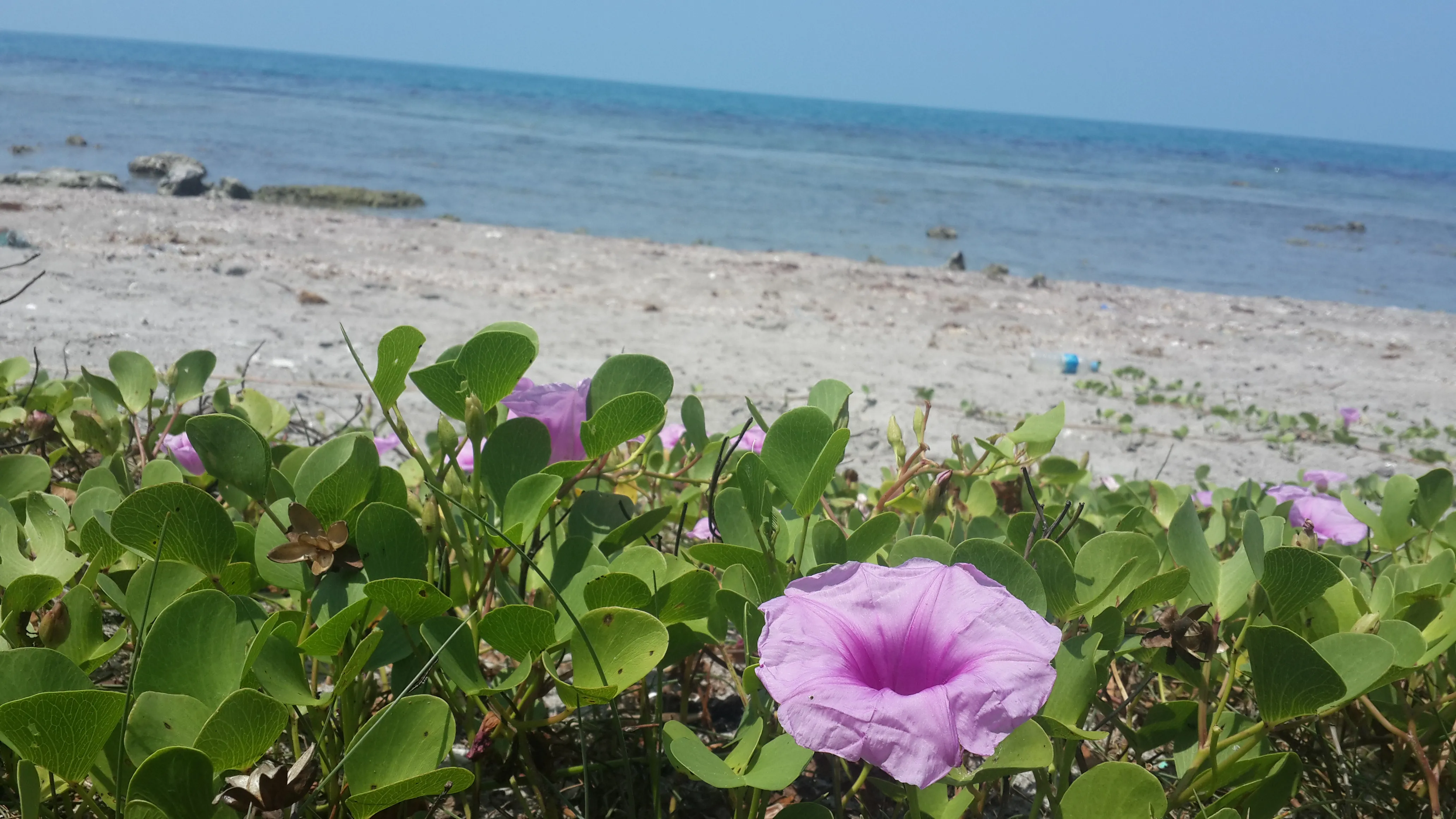
- Casuarina Beach - A quiet stretch of sand on Karainagar island, 20 minutes from Jaffna town. Calm, shallow water safe for swimming and significanty less developed than any beach on the south coast. The road passes through fishing villages where locals are genuinely surprised to see tourists. A couple of basic food stalls but no proper restaurants. Allow two to three hours.
- Thirunelveli Market - The main fish and produce market, best visited around 7 AM when the morning catch arrives. Jaffna mangoes and lagoon crab are the standout buys. Bring small bills. Allow one hour.
- Point Pedro - The northernmost point of Sri Lanka, about 45 minutes by tuk-tuk from town. A simple lighthouse and rocky coastline with views of the Bay of Bengal. There is a military checkpoint on the road - your driver will handle it. Allow a half-day including travel.
Getting around
Jaffna town is compact - walk between the Fort, the library, and the market in 15 minutes. Everything else needs wheels.
Tuk-tuks are the primary option. Short rides within town cost 150-300 LKR ($0.50-$1). A half-day of sightseeing runs 2,000-3,000 LKR ($6-$10), and a full day covering Point Pedro and the outer beaches costs 4,000-6,000 LKR ($13-$20) including waiting time. Negotiate before you start. PickMe is available but has fewer active drivers than in Colombo. Most travellers find it easier to flag one down or ask their hotel to arrange it.
Scooter rental costs 1,500-2,500 LKR ($5-$8) per day. Several guesthouses rent scooters to their guests. The roads are quieter than the south, but the driving style is similar - watch for oncoming traffic overtaking in your lane. An International Driving Permit is technically required. Most rental places ask for a passport copy as deposit.
Private car and driver costs 8,000-12,000 LKR ($26-$40) for a full day covering the peninsula. The most comfortable option for families. Your hotel can arrange this.
Getting to the islands - Ferries to Delft and Nainativu depart from Kurikadduwan jetty, 30 minutes by tuk-tuk from Jaffna town. Morning ferries are the most reliable; the sea gets rougher in the afternoon. Confirm the return schedule when you arrive - accommodation on the islands is very limited.
What to budget
- Budget (2 days): $50-65 total. Guesthouse dorm or basic private room $10-15 per night, local meals $4-6 per day, tuk-tuks $5-8, mostly free attractions.
- Mid-range (3 days): $140-210 total. Comfortable private room $25-40 per night, mid-range dining $12-18 per day, tuk-tuk hire $10-15 per day, Delft Island day trip with ferry and snacks $8-12.
- Luxury (4 days): $400-600 total. Jetwing Jaffna or Fox Jaffna $70-100 per night, fine dining and rooftop drinks $30-50 per day, private car $30-40 per day, private boat charter for island trips $40-60.
The standout value in Jaffna is food. A full Jaffna crab curry with rice and sambols at a local restaurant costs $5-7. Fresh mangoes from roadside stalls run less than a dollar per kilo during peak season. A splurge dinner at Jetwing Jaffna's rooftop rarely exceeds $15 per person.
WATCH OUT FOR
The travel time is non-negotiable. The train from Colombo takes 7-8 hours. The bus takes 6-7 hours. The first and last days of your Jaffna trip are effectively travel days. Two nights gives you exactly one full day. Three nights gives you two. Plan accordingly.
The heat is intense and dry. Daytime temperatures between March and September regularly hit 35-38°C with very little cloud cover and almost no breeze inland. Sightseeing between 11 AM and 3 PM is not advisable. Plan for early starts (7-10 AM) and late afternoons (3:30-6 PM). Carry at least 1.5 litres of water per person for day trips.
Accommodation quality varies. Several mid-range guesthouses operate on intermittent water supply, and power cuts are not unusual. Properties with solar backup and water storage are worth the premium. Check recent reviews specifically for air conditioning performance, water pressure, and hot water reliability - these are the most common pain points.
Island day trips depend on the weather. Ferries run subject to sea conditions. During the northeast monsoon (October to January), crossings can be cancelled at short notice. Even in the dry season, afternoon winds can make the return trip uncomfortable. Take the earliest ferry. Keep your plans flexible.
Bank access is limited outside town. ATMs are concentrated in Jaffna city centre. On the outer peninsula and islands, card payments are rarely accepted. Carry sufficient cash for day trips, island excursions, and guesthouse payments.
Military checkpoints still exist. The road to Point Pedro has active checkpoints. These are routine and the soldiers are friendly - they add 5-10 minutes to the journey. Your driver will handle the interactions. Do not photograph military installations.
Language is a real barrier outside town. English is spoken at hotels and restaurants, but once you leave Jaffna, Tamil is the only language. Learning vanakkam (hello), nandri (thank you), and evvalavu? (how much?) makes a significant difference. Google Translate with the Tamil language pack downloaded for offline use is the single most useful travel tool for Jaffna.
Dining options thin out after 9 PM. Most restaurants close by 9:30 PM. The best dinner strategy is to eat early (7-8 PM) at Malayan Cafe or Mango's. Late-night eating is limited to a handful of roadside kottu roti stalls.
GOOD TO KNOW
Best time to visit is February to September. The northeast monsoon brings heavy rain between October and January, disrupting island trips. The Nallur Festival runs late July through August, when the city transforms with processions and devotional music. Book accommodation at least a month in advance if your dates line up with the festival.
Getting there by train is the best option. The Yal Devi express leaves Colombo Fort daily and takes 7-8 hours. Second-class reserved seats cost approximately $10, first-class air-conditioned about $15. Book at least a week ahead through the Sri Lanka Railways website. The train passes through Anuradhapura, making it a natural combined stop for travellers doing the Cultural Triangle and the north.
The overnight bus from Colombo is cheaper at $7-10, with reclining seats and a toilet on board. Buses depart from Pettah terminal. The journey takes 6-7 hours.
A Dialog SIM card has the best coverage in the north. Airalo eSIMs also work well. Download offline Google Maps for the Jaffna peninsula before you arrive - street navigation is less reliable than in the south.
Jaffna is a dry zone for alcohol. Licensed hotel bars exist but are fewer than in the south. Jetwing Jaffna's rooftop bar serves beer and wine. Drinking on the beach or in public is not acceptable.
Safety - Jaffna is safe for solo travellers including solo women. Multiple traveller accounts describe less hassle from touts than in Colombo and more genuine curiosity from locals. The main concerns are the heat, limited after-dark transport, and carrying enough drinking water - not crime.
WHERE TO STAY
- Jetwing Jaffna - The most reliable large hotel in Jaffna, with a rooftop pool that travellers consistently describe as a lifesaver in the afternoon heat. The air conditioning is the most effective guests experienced anywhere in Sri Lanka, and the breakfast buffet includes Tamil breakfast dishes - dosa, idli, pongal - that give you a taste of local cuisine without leaving the hotel.
- Fox Jaffna - A modern, well-designed hotel near the Fort. Multiple 2026 reviews specifically note that the staff organised a Delft Island trip at short notice with no hassle and that the in-house restaurant serves the best Tamil seafood in the city.
- The Thinnai - A heritage property in a restored Jaffna townhouse with a courtyard garden. The owner is a knowledgeable guide to Jaffna's history - guests consistently mention that the informal conversations over breakfast were the highlight of their stay.
- D'Villa Garden House - A boutique guesthouse with a pool and lush garden that multiple reviews describe as a peaceful refuge from the city heat. Solar-powered backup means working air conditioning even during power cuts.
- Ashley Summer Resort - A mid-range property in Kokuvil with a large pool that families rate highly. Guest reviews note that the owner actively helps with itinerary planning, and most travellers end up adjusting their plans based on his local knowledge.
The bottom line
Jaffna rewards the traveller who gives it time. Two nights is a glimpse - enough to see the main sights and eat a good crab curry, but not enough to feel the north's real rhythm. Three nights is the sweet spot for most itineraries. Four to five nights unlocks the full peninsula. The north is not a tick-box destination - it is the part of Sri Lanka that gives back in proportion to the time you invest, and the travellers who stay longest are always the ones who leave most reluctantly.
Have a specific question about your Sri Lanka trip?
Ask BYC at byc.lk — free, honest, no upsell. Ever.
Ask BYC Your Question →