Scuba Diving in Sri Lanka: Costs, Best Dive Sites & When to Go
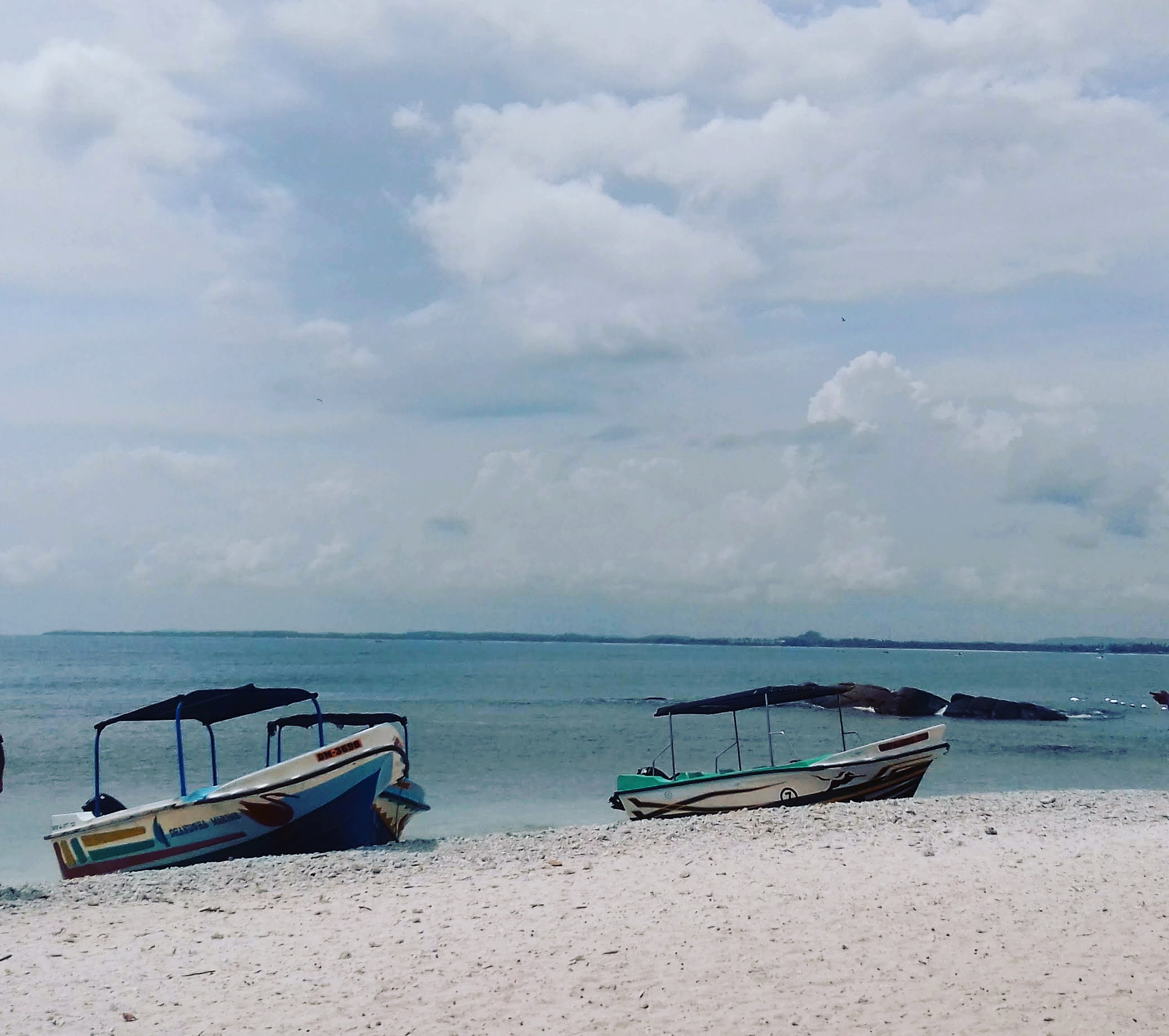
You have booked the flights, and now someone keeps telling you the real Sri Lanka is on its coast — and that the very best parts are underwater. Scuba diving keeps coming up in trip-planning conversations, and every time it does, the same two questions appear: is it actually worth the money, and will the conditions be any good when I visit? The honest answer, backed by how travellers actually plan their trips, is a confident yes — but only if you pick the right coast for your dates and know what a fair price looks like before you arrive.
The short answer: scuba diving in Sri Lanka is genuinely good value, and it is diveable for most of the year if you follow the seasons. A single guided boat dive runs about $35–$60, a two-tank trip $70–$120, and a full PADI Open Water certification roughly $350–$500 — well below Thailand or the Maldives for comparable reef and wreck experiences. The catch is that the island has two separate diving seasons on two coasts, so a trip in July belongs on the east coast around Trincomalee, while December through March belongs on the south coast around Hikkaduwa and Galle. Get that right and you unlock some of the most accessible, affordable diving in South Asia.
What’s worth doing
Not all dive days are created equal. Some sites are beginner-friendly calm-water reefs you can reach from the beach, while others need clear open-ocean conditions and an advanced card. These are the experiences that consistently justify the money:
- Trincomalee’s Pigeon Island during the east-coast season (May–October). A marine national park a kilometre off Nilaveli, it combines shallow coral gardens with deeper reef walls where blacktip reef sharks patrol sandy channels. It is the easiest place in Sri Lanka to see sharks and turtles on a single dive, and the shallow, calm inner reef doubles as superb snorkelling — many operators run a combined dive-and-snorkel day, which is the best money-for-value setup on the island.
- Hikkaduwa’s coral sanctuary and offshore wrecks (December–February peak). Shore diving within metres of the beach makes this the most beginner-friendly hub in the country, with turtles resident in the sanctuary year-round. Just offshore, the wrecks — including the Conch and Earl of Shaftesbury — offer stronger conditions and bigger fish for certified divers wanting more than a gentle reef.
- The Trincomalee wrecks on HMS Hermes and HMS Vampire. Two of the best wreck dives in South Asia, best attempted in June and July when visibility at depth reaches 20–25 metres. Both are advanced dives that demand clear water, so book them only when conditions are confirmed and carry a dive light if you plan any penetration.
- Galle and Unawatuna for wreck and technical diving. Historic trade and naval routes off the deep south put an array of wrecks within reach, while the sheltered bays of Unawatuna suit first-timers learning to trust the water in calm conditions a few metres down.
- Polhena Beach near Matara for families and absolute beginners. Shallow reefs in sheltered water, with turtles frequently seen and gentle currents — a low-stress place for a first taste of the underwater world or a junior Open Water course. Because the site is calm and the boats are short, it is also a strong choice if you are travelling with children who want to try snorkelling alongside certified adults.
Getting around
Your dive plans should follow the calendar, and your route should follow your dive plans.
From November to April, base yourself on the south coast. Hikkaduwa, Galle, Unawatuna and Mirissa all have established PADI centres, and all sit just 1.5–3 hours from Colombo by road. You can often add a dive day to a normal south-coast beach and surf itinerary with zero extra logistics — a private transfer runs roughly $40–$60 from Colombo, and buses and trains are far cheaper for anyone on a budget.
From May to October, the action moves east. Trincomalee and Nilaveli are the hubs, reachable in about 6–7 hours from Colombo by road, or a short domestic hop if you are short on time. The east-coast route pairs naturally with the Cultural Triangle — Sigiriya, Polonnaruwa and Kandy sit on the way — and with the elephant gathering at Minneriya or Kaudulla, which peaks through these same dry months. Most divers reach Trincomalee by private driver ($90–$130), an overnight bus, or the slow but scenic direct train.
What to avoid: booking a non-refundable dive package in April or October, the two transition months when rough, disorganised seas can shut down diving on both coasts at once. If your dates fall there, build the trip around the Cultural Triangle or the hills, and treat scuba as a pleasant bonus only if a local operator confirms conditions on the day.
What to budget
A realistic per-person breakdown, assuming you share boats and compare like for like:
- Single fun dive: $35–$60, with equipment included at most established centres.
- Two-tank dive trip: $70–$120 — the standard way certified divers see the most reef or wreck per boat trip.
- Discover Scuba (no certification needed): roughly $50–$70 for a supervised introduction on a shallow reef, including briefing and gear.
- PADI Open Water Diver course: $350–$500 across 3–4 days — the best value if you plan more than two or three dives total.
- Advanced Open Water: $300–$450, commonly done at Trincomalee or Galle for wreck and deep specialities.
- Equipment rental: $10–$25 per day on top of some dive packages, so bring a mask you trust to keep costs predictable.
Add in budget guesthouse nights ($15–$40), local rice-and-curry meals ($3–$8), and shared transport, and a four-dive east-coast stay can land well under $250 all-in beyond your flights — remarkable when you consider how much marine life is packed into each tank.
WATCH OUT FOR
A few patterns worth spotting before you hand over a deposit — flagged so you can steer around them, not to single out any operator:
- “Too good to be true” dive prices. If a single dive is quoted far below the $35 floor, ask exactly what is included. A price that quietly excludes gear, park entry fees, or boat fuel can climb back to normal — or higher — by the time you settle.
- Guaranteed sightings pushed as an upsell. No ethical operator can guarantee a shark, a turtle or a whale. A promise of a specific sighting is more often the sign of a rushed, crowd-oriented trip than one built around good conditions.
- Group dives that skip the briefing. The best centres always take time on a proper pre-dive briefing covering site depth, entry technique and hand signals. If you are waved off the boat with no briefing, treat that as the warning it is.
- Crowded boats. On Pigeon Island in peak months, an oversubscribed boat means rushed time and poor positioning. Ask how many divers are booked before you commit — smaller groups dive better and safer.
- Rental gear you have not inspected. Regulators, BCDs and wetsuits should be visually sound before you board. Checking your own kit, and bringing a mask that fits, removes most of the variability between centres.
GOOD TO KNOW
Practical details that separate a great dive trip from a frustrating one:
- Dive in the morning. Winds build through the afternoon on both coasts, so early departures bring calmer seas and better underwater light — most boats push off between 7 and 8am.
- The water is warm year-round. Expect 28–30°C, so a thin 3mm shorty or full wetsuit is enough for comfort and occasional jellyfish protection in late summer; you do not need heavy exposure gear.
- Book ahead in peak season. December–February on the south coast and June–August on the east fill up fast, so reserve your dives a few days out to secure the morning boats and smaller groups.
- Your own mask and dive computer are worth packing. Both improve comfort and safety, and rental computers are occasionally poorly calibrated.
- Ask about Nitrox if you are enriched-air certified — it is available at several Hikkaduwa and Trincomalee centres.
- Time tricky wrecks to peak visibility. Sites like HMS Hermes need clear water, so schedule them for the peak months when visibility exceeds 20 metres rather than mid-season, and always defer to the operator’s on-the-day call.
WHERE TO STAY
Choose your base to match your dive style, and pick lodging that gets you to the boat on time:
- Anilana Nilaveli — a boutique beach hotel closest to the Pigeon Island boat launches, with reviewers repeatedly calling out how easy it makes a pre-dawn start for the shark-and-turtle reefs.
- JKAB Beach Cabanas (Trincomalee) — budget beach cabins a five-minute walk from the dive centre, praised in reviews for arranging dive-and-snorkel packages directly on site so you skip the booking hassle.
- Hikka Tranz by Cinnamon (Hikkaduwa) — right on the coral sanctuary, and guests note you can be in the water within minutes of leaving your room, with the reef and shore dives starting straight off the beach.
- Dutch Bay Bungalow Beach Resort (Trincomalee) — a mid-range resort close to the Dutch Bay dive operators, with reviewers highlighting the smooth pick-ups to the nearby training and reef sites.
- Thambapanni Retreat (Unawatuna) — a calm, sheltered pick whose reviews mention the on-site dive desk that gets beginners into the bay for their first open-water dives without a long commute.
The bottom line
Sri Lanka rarely tops the world’s dive destination lists, but it deserves to sit on them — warm water, healthy reefs, blacktip sharks, sea turtles and historic wrecks, all at prices that undercut most of Southeast Asia. Match your coast to the season, book with an established centre, and budget for the honesty of a proper briefing, and you will come home with more than beach photos — you will come home with a reason to return for the deeper sites. The underwater half of Sri Lanka is waiting whenever you are ready.
Have a specific question about your Sri Lanka trip?
Ask BYC at byc.lk — Free and honest. Some links are affiliate links and never change our advice.
Ask BYC Your Question →