Looking for Unique Experiences in Sri Lanka? These 6 Deliver
Every traveller eventually hits the same wall in Sri Lanka: the highlights list is exhausted, and the guidebook starts repeating itself. The rock, the temples, the train, the beaches — all wonderful, and all on everyone else’s itinerary. The interesting question is what comes next: what does Sri Lanka have that you won’t find on the standard loop? More than you’d expect — an island this size packs a remarkable amount of strange, beautiful and unforgettable experiences into a very small area.
The short answer
Sri Lanka’s most unusual experiences share a theme: they take something familiar — a waterfall, a beach, a wildlife park, a monastery — and add a twist you didn’t know existed. Swimming in natural infinity pools on top of a 220-metre waterfall, kitesurfing over a shallow lagoon with dolphins in the distance, walking through a 2,000-year-old monastery swallowed by jungle, floating over ancient rock fortresses at sunrise, watching orphaned baby elephants drink from bottles, and drifting through a mangrove maze where cinnamon grows wild. None of these require extreme fitness, most cost less than a nice dinner, and all fit within a standard two-week trip.
What’s worth doing
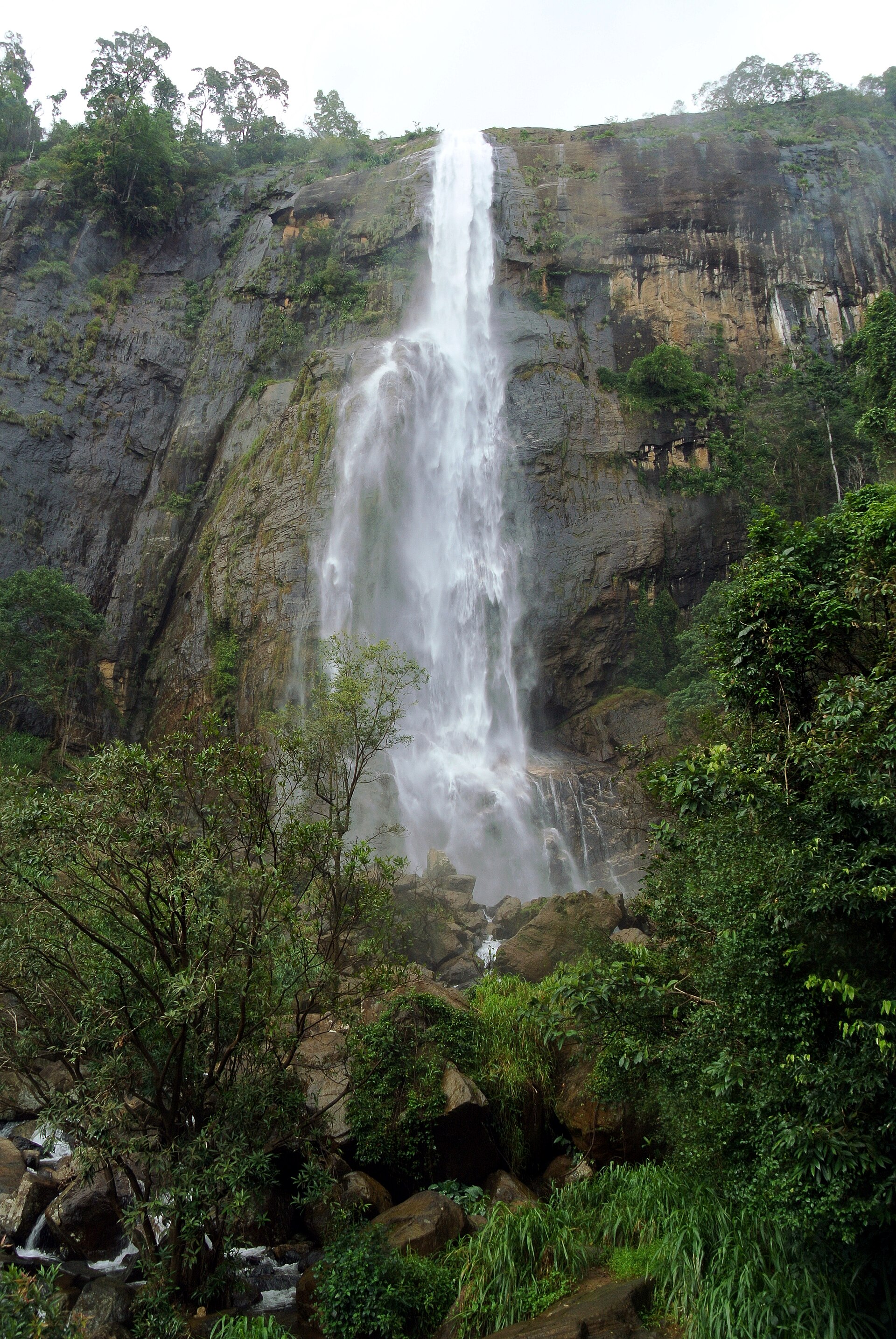
- Diyaluma Falls infinity pools. Sri Lanka’s second-highest waterfall (220 metres) hides a chain of natural rock pools along the upper cliff edge, where you can swim while the water pours over the drop beside you. The hike to the top takes 45 minutes to an hour, scrambling up a rocky path through dry grassland. Entry is free, though a local guide (about $5–10) is genuinely useful for finding the best pools and the safe route. It’s a half-day trip from Ella and one of the few places where a proper waterfall comes with a private-infinity-pool swim.
- Kalpitiya kitesurfing and dolphin watching. The Kalpitiya peninsula on the west coast is Sri Lanka’s kitesurfing capital, at a fraction of the price of comparable destinations elsewhere. Lessons run about $50–70 per hour including gear, and the shallow, flat lagoon is one of the easiest places in the world to learn. The same lagoon hosts huge pods of spinner dolphins — trips last 2–3 hours and cost roughly $25–40 per person. The season runs May to mid-October, making it a perfect counter-season addition.
- Ritigala Forest Monastery. Hidden inside a strict nature reserve between Anuradhapura and Polonnaruwa, Ritigala is the ruin of an extreme ascetic Buddhist monastery dating back over 2,000 years. Stone pathways wind up a misty, forested mountain past meditation platforms, an ancient hospital and a mysterious underground pond — more abandoned fantasy city than archaeological park. Entry is about $5, and you’ll likely have the place almost to yourself: the anti-Sigiriya, quiet, mossy and atmospheric.
- Hot air ballooning over Dambulla and Sigiriya. Flights launch around sunrise from the Dambulla–Kandalama area and drift over the Cultural Triangle — the Sigiriya rock fortress, the golden Buddha of the cave temple, lakes and jungle below. It’s a once-in-a-lifetime splurge at roughly $190–260 per person for a shared flight (private runs higher), and the calm morning weather of the dry season makes it remarkably reliable. Hotel pickup is usually included.
- Udawalawe Elephant Transit Home. Unlike the commercialised elephant experiences, the Transit Home is a genuine rehabilitation centre where orphaned and injured baby elephants are hand-fed on a strict schedule — 9am, 12pm, 3pm and 6pm daily. Visitors watch from a raised platform, and the entrance fee (about $5–6 for foreign adults) funds the programme, which has returned more than 250 calves to the wild. It’s the most ethical elephant encounter in Sri Lanka, and it pairs perfectly with a morning safari in Udawalawe National Park.
- Madu Ganga river safari. A two-hour boat ride through the Madu Ganga estuary near Balapitiya is a maze of mangroves, 64 islands and hidden channels. The boat weaves past cinnamon plantations, a Buddhist temple on Kothduwa Island, monitor lizards and kingfishers, with an optional stop at a floating fish-therapy spot. A private boat costs about $20–25 per person — the low-key alternative to whale watching, with no crowds and no queuing.
Diyaluma Falls — Sri Lanka’s second-highest waterfall, with natural infinity pools along the top edge. Photo: Adbar, CC BY-SA 3.0, via Wikimedia Commons
Getting around
Diyaluma Falls is about 13 km from Ella near Koslanda — a 40–60 minute tuk-tuk or taxi ride each way. A round trip with waiting time costs roughly $25–40 by tuk-tuk and $40–55 by car; many Ella guesthouses arrange it with a driver who waits at the base.
Kalpitiya is a 3–3.5 hour drive from Colombo, around $60–80 by private car. There’s no useful train connection, so a hired driver is the realistic option; most kitesurf schools offer pickup from Colombo or Negombo when you book lessons.
Ritigala sits off the main Anuradhapura–Polonnaruwa road, about 90 minutes from either city by car ($40–60 with waiting). There’s no public transport to the gate, so a driver is essential.
Balloon flights launch from the Dambulla–Kandalama area with pickup from Sigiriya, Habarana or Dambulla hotels normally included. From Kandy, expect a 2–2.5 hour pre-dawn drive — worth it, but book a driver who knows the launch site.
Udawalawe is a 3.5–4 hour drive from Colombo ($80–100 by car) and under two hours from south coast beaches like Tangalle or Mirissa. The Transit Home is a 20-minute drive from the park entrance — most safari drivers time a morning park visit to end at the 12pm feeding.
Madu Ganga is at Balapitiya, about 2–2.5 hours from Colombo on the expressway ($50–70 by car) and only 20–30 minutes north of Bentota.
What to budget
Diyaluma Falls: free entry, $5–10 for a guide, $25–40 round-trip transport from Ella — roughly $15–25 per person if you split the ride.
Kalpitiya: kitesurf lessons $50–70 per hour with gear included; a typical first-day package of 2–3 hours runs $100–180. Dolphin watching $25–40 per person. Simple lagoon-side guesthouses run $20–45 a night.
Ritigala: $5 entry plus transport — call it $25–35 per person including the driver.
Ballooning: $190–260 per person shared, $400+ private — the single biggest splurge on this list, and the one to book first because good operators sell out in peak season.
Udawalawe Transit Home: about $5–6 entry; a full safari day (park entry, jeep, driver) adds $60–90, and the combined package is the classic way to do it.
Madu Ganga: $20–25 per person for a private boat, less if you share. A day-trip from Bentota with transport and lunch lands around $50–70 per person.
Daily baseline: budget travellers on $40–60 a day can afford four of the six experiences; mid-range travellers on $80–120 a day can do all six, balloon included, in a two-week trip.
WATCH OUT FOR
- The Diyaluma hike is real. The path to the top is steep, loose and hot — wear proper shoes, take water, and go early before the sun gets fierce. In wet weather the rocks are slippery and the pools can be dangerous; guides won’t take you up after heavy rain, and you shouldn’t insist.
- Pool safety at the falls. The infinity pools sit right on the cliff edge. It looks like a photo op, but the currents near the lip are real — stay well back from the edge, never swim alone, and don’t chase the “perfect” shot. Several pools are shallow and safe; the edge pools are not the place for heroics.
- Kalpitiya is seasonal and remote. The kitesurf season is May to mid-October — outside that window the lagoon is flat and the town winds down. Expect limited restaurants, no big supermarkets, patchy signal and a rough last stretch of road.
- Ritigala is a strict nature reserve. Stay on the marked stone path — the surrounding forest is protected habitat, and the leeches (especially after rain) are enthusiastic. There are no shops or toilets at the site, so bring water and arrive prepared.
- Balloon bookings: date flexibility matters. Flights depend on weather, and operators reschedule rather than refund when conditions are wrong. Book with clear rebooking terms, give yourself a two-day buffer, and don’t book a flight as your last morning in the country — if it’s cancelled you’ll have no second chance.
- Transit Home feeding times are strict. Feedings run 9am, 12pm, 3pm and 6pm sharp — arrive 15–20 minutes early for a good viewing spot, and don’t expect to feed the elephants yourself. The platform is a viewing experience, not a petting zoo; respect that and it stays ethical.
- Boat safari extras add up. On Madu Ganga, the quoted boat price covers the ride; the fish-therapy stop and any food or drink are extras. Agree the full itinerary and price before boarding.
- Cash is king for entry fees. Ritigala, the Transit Home, guides at Diyaluma and boat payments are all cash-only. Carry small rupee notes; drivers and boatmen rarely have change for large bills.
GOOD TO KNOW
- Season timing. Diyaluma, Ritigala, the balloon and Madu Ganga are best December to April (dry season); Kalpitiya is best May to mid-October (wind season); Udawalawe is good year-round. A single trip can hit most of them — just pair the season to the coast you’re on.
- Diyaluma deserves a full morning. Start by 7am from Ella — you beat the heat, the pools are empty, and you’re back in town for lunch. The mid-morning light on the falls is the one the photos don’t capture.
- Book the balloon early. December to April flights sell out two to three weeks ahead, and a 6am flight means a 4:30am pickup — go to bed early, it’s worth it.
- Combine smartly. Ritigala pairs with Anuradhapura or Polonnaruwa; the balloon pairs with Sigiriya and Dambulla; the Transit Home pairs with a Udawalawe safari; Madu Ganga pairs with Bentota or Hikkaduwa. String all six together as a loop — Kalpitiya (west), Cultural Triangle (centre), Udawalawe (south), Madu Ganga (south-west) — without much backtracking.
- Kitesurfing logistics. Book a trial lesson before committing to a multi-day package — the sport isn’t for everyone, and the good schools let you pay for hours actually on the water. “No wind, no charge” is worth asking about.
- Photography etiquette. The stilt fishermen on the Madu Ganga route and around the south coast charge for photos — agree a price first. At the Transit Home, keep flashes off; the calves are easily startled.
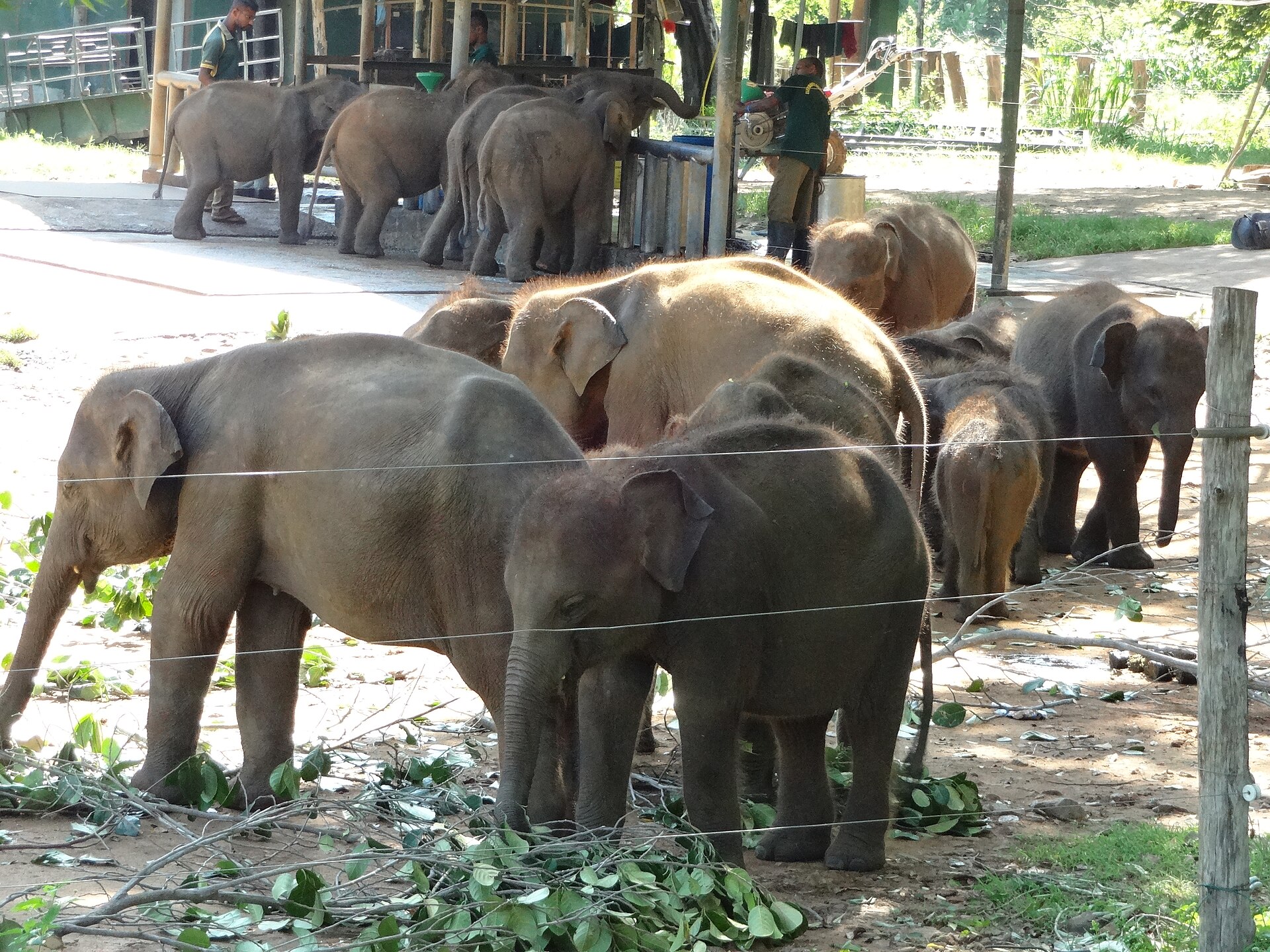 Orphaned calves at the Udawalawe Elephant Transit Home — a rehabilitation centre, not a petting zoo. Photo: Z thomas, CC BY-SA 4.0, via Wikimedia Commons
WHERE TO STAY
The Blue Lagoon Resort Kalpitiya is the natural base for the kitesurf lagoon — guests consistently praise the villas that blend comfort with nature and the fresh, tasty food, with the whole setup described as the ultimate escape for peace and relaxation.
Cinnamon Lodge Habarana works for both Ritigala and the balloon — it sits right in the Cultural Triangle, and reviewers call it one of the best experiences they’ve ever had, singling out the staff, the environment and the food at an excellent level.
L S Lanka Hotel Dambulla is the value pick for balloon mornings — guests highlight spacious, clean rooms and a super location close to the town centre, which makes the pre-dawn pickup painless.
Green Nature Paradise Ella is the Diyaluma base with the best view in town — reviewers rave about the incredible outlook over the Nine Arch Bridge and host Upali’s exceptional, spoiling hospitality that makes guests not want to leave.
EKHO Safari Tissa rounds out the loop for Udawalawe — it’s the closest full-service option to the park, and guests consistently call out the beautiful pool area as the perfect wind-down after a dusty safari.
The bottom line
Sri Lanka’s unusual side is remarkably accessible — most of these experiences cost less than a day of sightseeing and fit easily into a two-week itinerary. Pick the two or three that match your season and your style, and you’ll come home with the stories the guidebook crowd missed — swimming on top of a waterfall, floating over ancient kingdoms, or watching a baby elephant take its bottle at noon. The island has been surprising travellers for centuries; it’s still very good at it.
Have a specific question about your Sri Lanka trip?
Ask BYC at byc.lk — Free and honest. Some links are affiliate links and never change our advice.
Ask BYC Your Question →