Can You Work Remotely From Sri Lanka? The Digital Nomad Visa Guide (2026)
You’ve got a laptop, a deadline, and a growing suspicion that your “office” could be anywhere. More and more remote workers are asking the same thing: can you actually live and work from Sri Lanka without burning through savings or fighting a visa backlog? The short answer has shifted this year in a big way — the island quietly launched an official digital nomad visa in early 2026, and the infrastructure (fiber internet, co-working spaces, long-stay apartments) has caught up to the lifestyle. Here’s exactly what it costs, what it’s really like, and how to make it work.
The short answer
Yes, you can work remotely from Sri Lanka — and for most remote workers it’s now one of the most affordable setups in Asia. The country launched an official Digital Nomad visa (a residence visa category) in February 2026: it’s valid for up to one year and renewable, costs a flat $500 per year, and requires a verifiable remote income of at least $2,000 per month earned from outside Sri Lanka. Crucially, income earned abroad is taxed at 0% in Sri Lanka, and as a residence-visa holder you can sign a proper long-term rental lease. Practical living costs run from roughly $900 to $1,600 a month depending on how you live — well under the income threshold for most. If you have stable remote work and can hit the $2,000 monthly income bar, Sri Lanka is genuinely a smart, legal, long-term base right now.
What’s worth doing
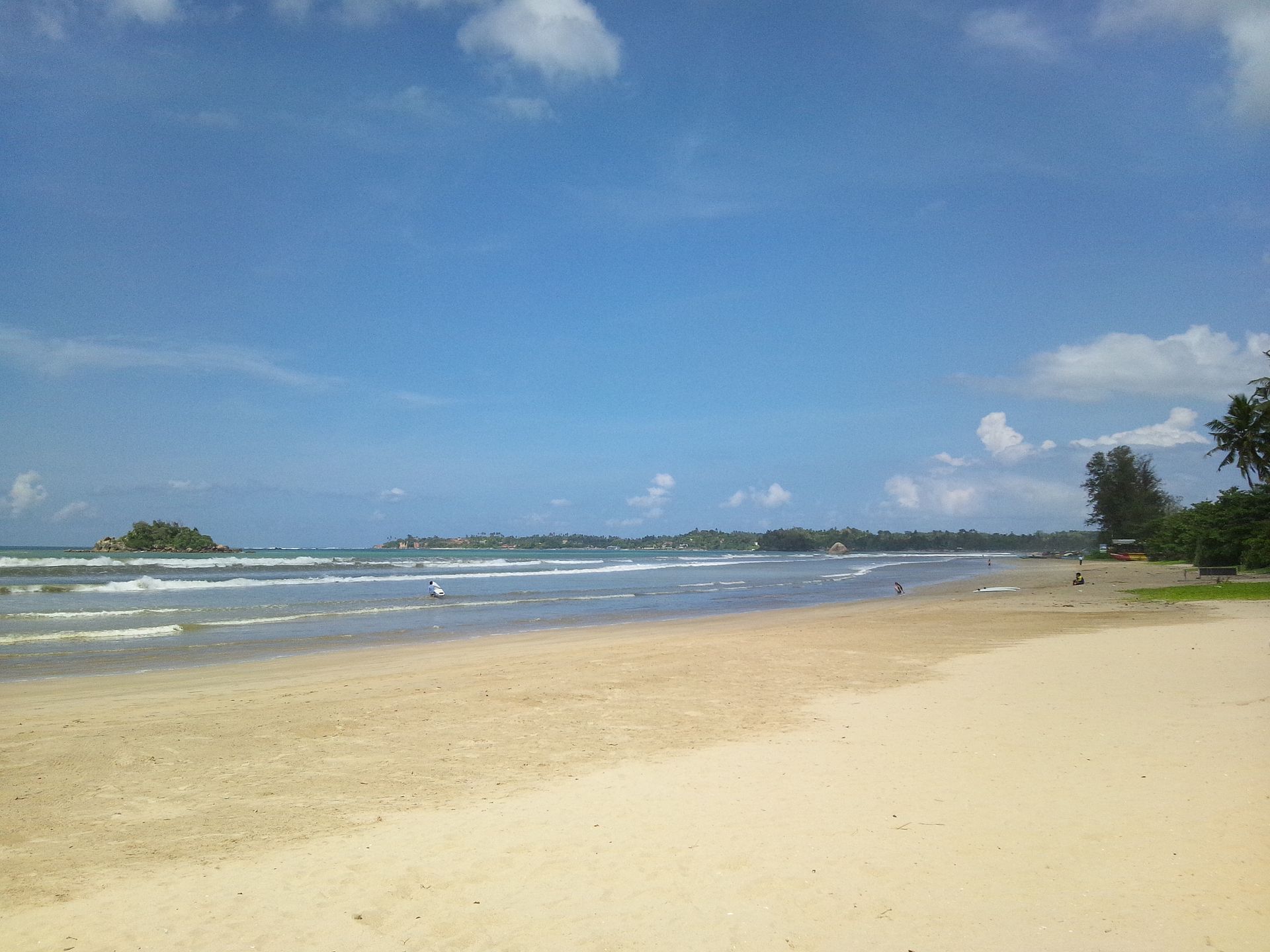
- Work from the surf-coast nomad belt. Weligama, Ahangama and Hiriketiya are the heart of Sri Lanka’s remote-work scene, with established co-working spaces like Outpost (Weligama) and Colive (Ahangama). You can log on at a beachfront desk in the morning and surf in the afternoon — this is the lifestyle most people picture, and it’s real, with fast fiber in these hubs.
- Base yourself in Colombo for serious productivity. The capital has the most reliable infrastructure and the deepest pool of co-working spaces (Hub9 & others), plus cafés that understand laptop workers. A one-bedroom apartment outside the centre can run under $220–$250 a month, making it one of the cheapest capital-city setups in South Asia.
- Use Galle as a slower, prettier middle ground. The Fort and surroundings have character, fiber connections, and long-stay apartments from around $300–$600 a month; quieter lanes run less. It’s a favourite for nomads who want more charm and fewer crowds than Weligama.
- Take weekends seriously. From any southern base you’re within reach of a safari (Udawalawe is a short drive from the coast), the hill country train to Ella, or Mirissa’s whale watching in season. The point of the visa is that you’re not cramming everything into two weeks — you get to do it slowly.
- Escape to the east coast in season. If you’re staying several months, follow the dry weather: Arugam Bay and Trincomalee are great May-to-September bases when the southwest monsoon makes the south coast wetter. Arugam Bay has its own nomad community.
Getting around
Most nomads pick one or two bases and move slowly, so transport matters more than it does on a fast sightseeing trip. The airport (CMB, near Negombo) is about a 45–60 minute drive from Colombo; a private airport taxi to Colombo runs roughly $25–$35. From Colombo to the south-coast surf belt, a private car transfer to Weligama or Hiriketiya is around $60–$80 and takes 2.5–3.5 hours; the same by air-conditioned bus is closer to $5–$7 and slower. Between Weligama, Ahangama, Mirissa and Hiriketiya, tuk-tuks cover short hops for a dollar or two. The train along the south coast is scenic and cheap (a few dollars) but slower and less predictable for anyone on a fixed meeting schedule. For long-haul moves — say south coast to the east coast — budget a full day and $80–$120 for a private car, or piece together buses for under $15. The honest tip: rent a scooter (around $8–$12 a day) once you’re settled in a town — it’s the most flexible and cheap way to get around daily, and most nomad towns are small enough to handle on two wheels. Avoid relying on ride-hailing outside Colombo; coverage and driver supply thin out fast in beach towns.
What to budget
Here’s a realistic monthly breakdown for a solo remote worker living comfortably on the south coast or in Colombo (all in USD):
- Accommodation: $200–$600 a month. A basic long-stay room or small apartment runs $200–$350; a nicer beachfront or serviced apartment with good internet is $400–$600. Monthly leases through a residence visa are far cheaper than nightly hotel rates.
- Food: $150–$350 a month. Eating local (rice and curry at a small restaurant) costs $2–$4 a meal; cooking at home is cheaper; Western-style cafés and beach restaurants push the number up.
- Activities & lifestyle: $100–$300 a month. Surf lessons, weekend trips, the occasional safari (Udawalawe park entry and driver around $60–$80) or whale-watching trip add up fast if you do one every weekend — budget what you genuinely plan to do.
- Transport: $60–$150 a month. A scooter rental ($8–$12/day) plus the odd intercity car transfer or bus covers most needs.
- Connectivity: $10–$30 a month. A local SIM with a generous data package is cheap; a hotel or apartment with fiber is usually included in rent. An eSIM for arrivals starts around $4.50 for light data, and 10GB top-ups are roughly $1.60.
Add the visa at $500/year (about $42/month) and health insurance, and a comfortable solo budget lands around $1,000–$1,400 a month — comfortably beatable by the $2,000/month income requirement for most remote workers.
WATCH OUT FOR
- Internet that looks great in photos and isn’t. Fiber exists in the main hubs, but coverage is not uniform across every rental or beach house. Before you commit to any long-stay, ask the host or landlord to run a live speed test on video call — this is standard practice now, and a good host will happily do it. If you need video calls daily, prioritise a place with confirmed fiber or a co-working membership as backup. Our Wi-Fi & working-from-Sri-Lanka data study digs into 4,500+ guest reviews to show exactly which regions and hotels travellers actually praise (and complain) about for connection.
- Power cuts and outages. Load-shedding is far less frequent than in the crisis years, but brief outages still happen in rural areas. Get a backup plan: a decent power bank, and check whether your rental has an inverter or generator. Don’t book a place where every outage kills your call.
- The “cheap” beach-town rental that needs a scooter to be practical. Remote properties with idyllic views are often a 20–30 minute tuk-tuk ride from the nearest cafe, co-working space or reliable data. Factor in the scooter, the petrol, and the sunset-surprise rain or you’ll be stranded at the wrong time.
- Shock prices at tourist-season peaks. December to February (and the east-coast season) push accommodation and transport up sharply. If you can arrive in the shoulder months — or book your long-stay a month+ ahead — you’ll lock in far better monthly rates than someone who rocks up at the peak.
- Two monsoons, opposite halves of the year. The south coast is wet in May–September; the east coast is wet in December–April. If you’re staying long, plan to move with the dry season rather than fight it — this is the single biggest lifestyle mistake new long-stayers make.
GOOD TO KNOW
- The visa basics: Digital Nomad (residence) visa — up to 1 year, renewable; $500/year; require a valid passport (6+ months), proof of remote income of $2,000+/month from outside Sri Lanka (3 months of bank statements or pay stubs), international health insurance, and no local employment. Processing typically takes 2–4 weeks, so start early.
- Zero tax on foreign income. Income earned from employers or clients outside Sri Lanka is not taxed locally — one of the visa’s strongest draws. Keep your own home-country tax affairs in order; Sri Lanka won’t double-tax this income.
- Sign a real lease. As a residence-visa holder you can sign long-term rental contracts, which cuts your housing bill dramatically versus short-term tourist rates. Use this.
- Pick your base by season, not just vibes. South-coast belt (Weligama–Hiriketiya) is best roughly December–April; Colombo works year-round; east coast (Arugam Bay, Trincomalee) shines May–September.
- Money is easy. Cards are widely accepted in cities and tourist areas, and local ATMs work with international cards; keep some cash for rural spots and tuk-tuks. The local currency (rupee) is used on the ground.
- Book monthly, not nightly. Weekly/monthly rates for apartments and some guesthouses are dramatically cheaper — negotiate a monthly price before arriving, especially in shoulder season.
WHERE TO STAY
- Outpost Weligama — the anchor co-working and coliving of the surf coast, right on Weligama Bay, with air-conditioned work rooms, standing desks and a built-in nomad community; reviewers consistently praise it as the easiest place to land and start working the same day.
- Colive Ahangama — a coliving favourite with free bikes, a shared pool and proper desks; guests repeatedly mention that the community and the reliable workspace make it worth the price for longer stays.
- Hub9 Colombo — a well-rated co-working space in the capital where reviewers highlight fast, dependable internet and meeting rooms — handy if you need camera-ready space for client calls without relying on a café.
- Galle Fort long-stay apartments — characterful seafront buildings with fiber, from around $300–$600 a month; travellers value the calm, the scenery and the fact that a strong connection is genuinely reliable here for video work.
- Hangtime Hostel (Weligama) — the long-standing favourite for budget nomads and backpackers, right across from the surf beach; its rooftop cafe is widely mentioned as a good spot to work with a view without paying premium rates.
The bottom line
Sri Lanka has quietly become one of the best-value, fully legal places to work remotely in Asia — a real visa, zero tax on foreign income, fiber in the main bases, and a cost of living that sits comfortably under what most remote workers earn. Match your base to the season, confirm your internet before you commit, and you’ll have a setup that most coworkers will be jealous of. Pack light, book your first month, and let the island do the rest.
Have a specific question about your Sri Lanka trip?
Ask BYC at byc.lk — Free and honest. Some links are affiliate links and never change our advice.
Ask BYC Your Question →