What to Know Before Visiting Hikkaduwa: 7,713 Reviews
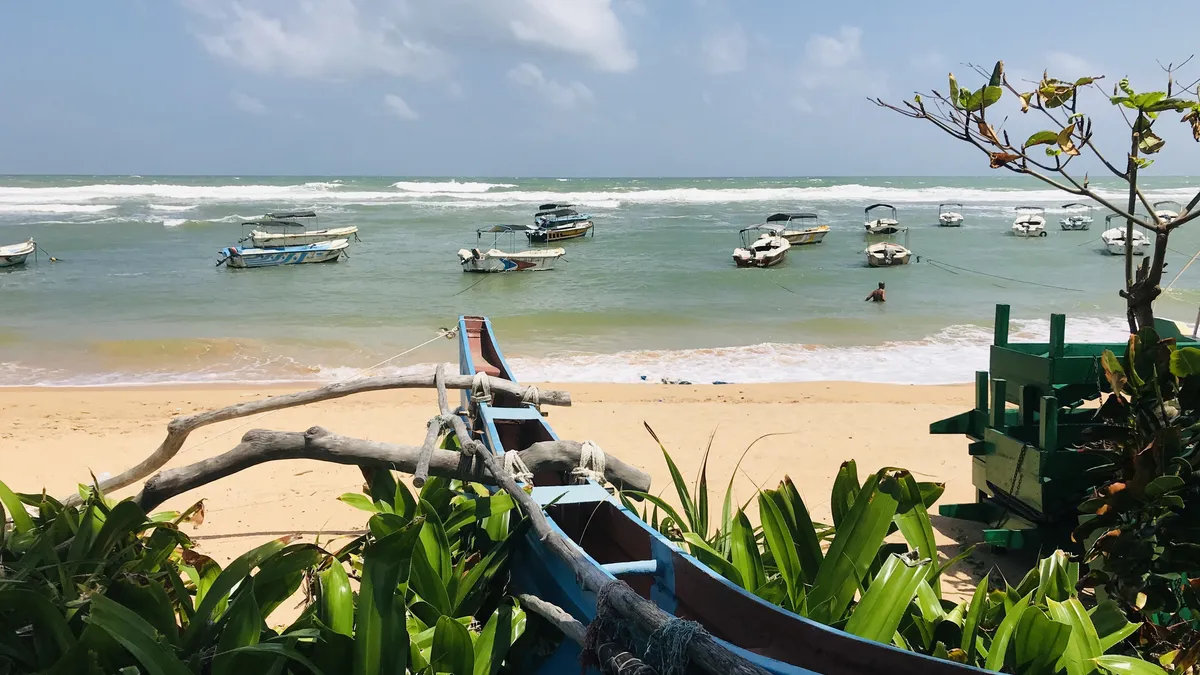
Yes — Hikkaduwa is worth visiting, and it earns its place as the southwest coast's original beach town. But book it for the right reasons. Across 7,713 guest reviews, the pattern is unusually clear: the resort-grade properties here compete with anything on the island — our best-scoring stays sit at 9.9 out of 10 — yet the gap between the top and the bottom is wider in Hikkaduwa than in almost any other Sri Lankan destination. Choose well and you get a coral reef you can snorkel from the shore, sea turtles twenty metres out, and a restaurant strip with real depth. Choose on price alone and you get tired air conditioning, thin walls and a beach bar soundtrack until midnight.
This guide merges both sides of that evidence — the 7,713-review booking warning and the return-visitor case for coming back — into one honest picture so you can decide with your eyes open.
The short answer
Go to Hikkaduwa if you want surf, snorkelling and turtles in one place, you're happy with a working beach town rather than a polished resort strip, and you'll pay for a well-reviewed property instead of the cheapest room on Galle Road. Skip it if you want quiet seclusion, a swimmable beach in the monsoon months, or a town that isn't primarily built for tourists. The peak window is November to April, when the sea is calm, the reef is clear and the turtles are reliably close to shore. Two to three nights is the sweet spot — enough for the reef, a surf lesson and a Galle day trip, without exhausting what the town actually offers.
What's worth doing
Hikkaduwa's attractions are not one-day wonders, and that is precisely why the return rate here is so high. Reviews mention the same handful of experiences again and again:
- The coral reef and sea turtles. The reef runs parallel to the beach and is accessible by snorkel directly from the shore — you do not need a boat. Turtles are common enough that guests at beachfront properties treat them as a daily fixture rather than a lucky sighting. Go in the morning before boat traffic stirs up the sand and cuts visibility.
- Surfing at Narigama Beach. Consistent beginner-to-intermediate waves, with affordable and well-run surf schools along the sand. The breaks work across different skill levels, and the season actually improves for surfers between May and October when the swell builds.
- Diving. Several PADI centres operate from the strip, with coral dives and a shipwreck accessible to experienced divers. Visibility is best November to April. Guests repeatedly describe the reef as somewhere you can return to daily without getting bored.
- Hikkaduwa Lake and the Madu Ganga. Inland from the main strip, reachable by tuk-tuk — mangrove channels, monitor lizards and working fishing villages. The Madu Ganga river safari south of town is an easy half-day add-on.
- Day trips from the base. Galle Fort is close enough for an easy afternoon, and Kosgoda's turtle hatcheries sit just up the coast. Hikkaduwa's location is one of its quiet advantages — a beach town that is also a practical base.
- The Tsunami Photo Museum. Small, sobering, and worth thirty minutes for the context it gives the whole coastline.
What catches tourists off guard
This is where the booking data earns its keep. The complaints in Hikkaduwa are not random — they cluster into patterns you can check for before you commit:
- Cleanliness and air conditioning. Some properties — mostly budget-to-mid range — have air conditioning units that underperform or run uncomfortably, and cleanliness standards that fall well below what the listing photos suggest. The gap between photograph and reality is stark here.
- Overpricing against the star rating. A recurring pattern of guests leaving disappointed when the delivered experience does not match the advertised category. Read the most recent ten to fifteen reviews, not the overall score.
- Restaurant order mix-ups. Communication breakdowns at restaurant counters are a genuine, repeated frustration — orders get misunderstood and completely different dishes arrive. Dining can feel like a gamble rather than a pleasure.
- "Charming" outdoor showers. Often advertised as a feature, frequently lacking in privacy and awkwardly drained. Check the review photos before you fall for the description.
- Noise. Galle Road, the main strip through town, is busy with traffic and tuk-tuks all day, and properties directly on it collect more noise complaints than those set back on side streets. Several hotels marketed as "quiet retreats" suffer from thin walls and loud neighbours.
- Cash-only reef vendors. The snorkel-boat operators, turtle excursions, beach shacks and tuk-tuks all want rupees, and small notes save you the "no change" shrug. Card works at booked hotels and sit-down restaurants, not at the reef. Our guides to paying by card in Sri Lanka lay out which costs genuinely need cash.
Getting there and around
Hikkaduwa sits on the southwest coast about two hours south of Colombo by the Southern Expressway, and roughly twenty minutes north of Galle. The coastal railway runs straight through town, which makes the train the most pleasant way to arrive — a scenic ride for a fraction of a private transfer. Tuk-tuks handle everything local, with short hops within the strip typically costing a dollar or two; agree the fare before you get in.
If you are combining Hikkaduwa with the east coast, the comparison worth reading is our Arugam Bay vs Hikkaduwa breakdown — different seasons, different crowds, different kinds of surf town. Hikkaduwa is the easier, more built-up, more all-round choice; Arugam Bay is the seasonal purist's pick.
What to budget
Hikkaduwa spans a genuinely wide range, which is part of its appeal and part of its trap:
- Budget: guesthouse rooms from roughly US$15–30 a night. Expect the cleanliness and air-conditioning lottery described above at this level.
- Mid-range: US$40–80 a night buys the well-reviewed small properties — spotless rooms, quiet side streets, strong breakfasts.
- Premium: US$120+ a night for the beachfront resorts with the saltwater infinity pools and sea views from every room.
- Daily extras: surf lessons and board hire, reef snorkel trips, tuk-tuks and meals add roughly US$20–40 a day depending on how much you move and how well you eat.
Hikkaduwa is not a cheap destination pretending to be one — the top end is priced like a proper resort because it delivers like one. What you are really choosing is where on the curve to sit, and the reviews make a strong case that the middle is the value zone.
WATCH OUT FOR
- Booking on price alone. The single biggest predictor of a bad Hikkaduwa stay is choosing the cheapest room on the main strip. The gap between best and worst here is wider than at most Sri Lankan destinations — pay for a well-reviewed property and the trip transforms.
- Stale photos. Cross-check recent guest photos and the most recent reviews on any platform. This matters more in Hikkaduwa than in most places because the marketing-versus-reality gap is a documented, recurring pattern.
- Galle Road noise. If you value quiet, book back from the main road. The difference between a strip-facing room and a side-street room is the difference between a restless stay and a restful one.
- Assuming the beach is swimmable year-round. May to October brings the southwest monsoon — afternoon showers, rougher seas and reduced visibility on the reef. It is also when prices drop significantly and the surf improves, so it can be excellent value if you plan around the weather rather than against it.
- Expecting polished resort-town service in a working beach town. Hikkaduwa is not Galle and does not pretend to be. It is a lived-in coastal community with excellent amenities layered on top. Travellers who accept that consistently rate it higher.
- Turning up without cash. Withdraw before you arrive or use the town ATMs in daylight. The reef, the beach bars and the tuk-tuks are cash businesses.
- Walking into the reef vendor scrum unprepared. Several operators will approach you on the sand. Agree the price, the duration and exactly what the trip includes before you get in a boat — the reviews show unplanned reef trips are where value quietly leaks away.
GOOD TO KNOW
- November to April is the window. Dry, sunny, calm seas, best snorkelling and diving visibility, and the season when the turtles are most reliably close to shore. December and January are peak — book ahead.
- May to October is the value season. The monsoon keeps the crowds away, prices fall sharply, and the surf gets better. Plan mornings outdoors and afternoons flexibly.
- Two to three nights is the sweet spot. Long enough for the reef, a surf session and a Galle afternoon; short enough that the town's modest scale never starts to feel repetitive.
- Stay on a side street if you sleep lightly. The quiet-street properties are the single most reliable predictor of a good stay in the review data.
- The turtles are the signature. Guests at beachfront properties describe sea turtles swimming past the deck at sunset as the highlight, reliably, every single day. It is the one thing Hikkaduwa delivers without fail.
- Bring reef-safe sunscreen and water shoes. The reef entry is rocky and coral is fragile. This is genuinely useful, not a formality.
- Hikkaduwa pairs naturally with Galle and the south coast. Treat it as a beach base within a wider route rather than a destination you fly across the world for on its own.
WHERE TO STAY
Properties below come from our review data — positive mentions only, with the review-backed reason each earns its place.
- Riff Hikkaduwa (9.6/10) — the premium benchmark. Purpose-built beachfront resort with a saltwater infinity pool, fitness centre and restaurant, and sea views from every room. Guests describe it as somewhere you do not need to leave to have a memorable stay.
- DORMERO Hotel Sri Lanka Hikkaduwa Beach (9.9/10) — the highest-rated property in town. A hidden gem, with outstanding hospitality and European-level standards that travellers from Europe and Russia consistently single out.
- The Residence Hikkaduwa (9.9/10) — the dark horse for repeat visitors, scoring perfectly with guests who value personal attention over resort amenities.
- Saffron Robes Living (9.6/10) — quiet street, spotless throughout, minutes from both the beach and the restaurant strip. Excellent value for the quality.
- Amaroo Hikkaduwa (9.3/10) — the default recommendation in the mid-range bracket, balancing comfort, value and location.
- Pearl Island Beach Hotel (9.2/10) and Suite Lanka (9.1/10) — beachfront experience at a fair price, without the premium tag.
- Hikka Tranz by Cinnamon (7.8/10) — the family favourite, thanks to a turtle-packed beachfront and activities that keep children entertained.
- Haritha Villas & Spa — private pool villas with dedicated butler service and personalised breakfasts. The couples' choice, for privacy without isolation.
The bottom line
Hikkaduwa rewards travellers who choose deliberately. The reef, the turtles and the surf are constants that keep people coming back for fifth and sixth visits — while the quality of your stay is decided almost entirely by which property you pick, not by luck. Book a well-reviewed room set back from Galle Road, arrive between November and April if the sea matters to you, carry cash for the reef, and treat the town for what it is: a real southwest-coast beach community with genuinely excellent accommodation layered on top. Do that and Hikkaduwa delivers the version of itself the reviews keep describing — the one travellers return to, year after year, because the sea turtles are still there every single day.
Last updated: September 17, 2026
Have a specific question about your Sri Lanka trip?
Ask BYC at byc.lk — free, honest, no upsell. Ever.
Ask BYC Your Question →