Where to Try Authentic Art & Craft Workshops in Sri Lanka (2026 Guide)
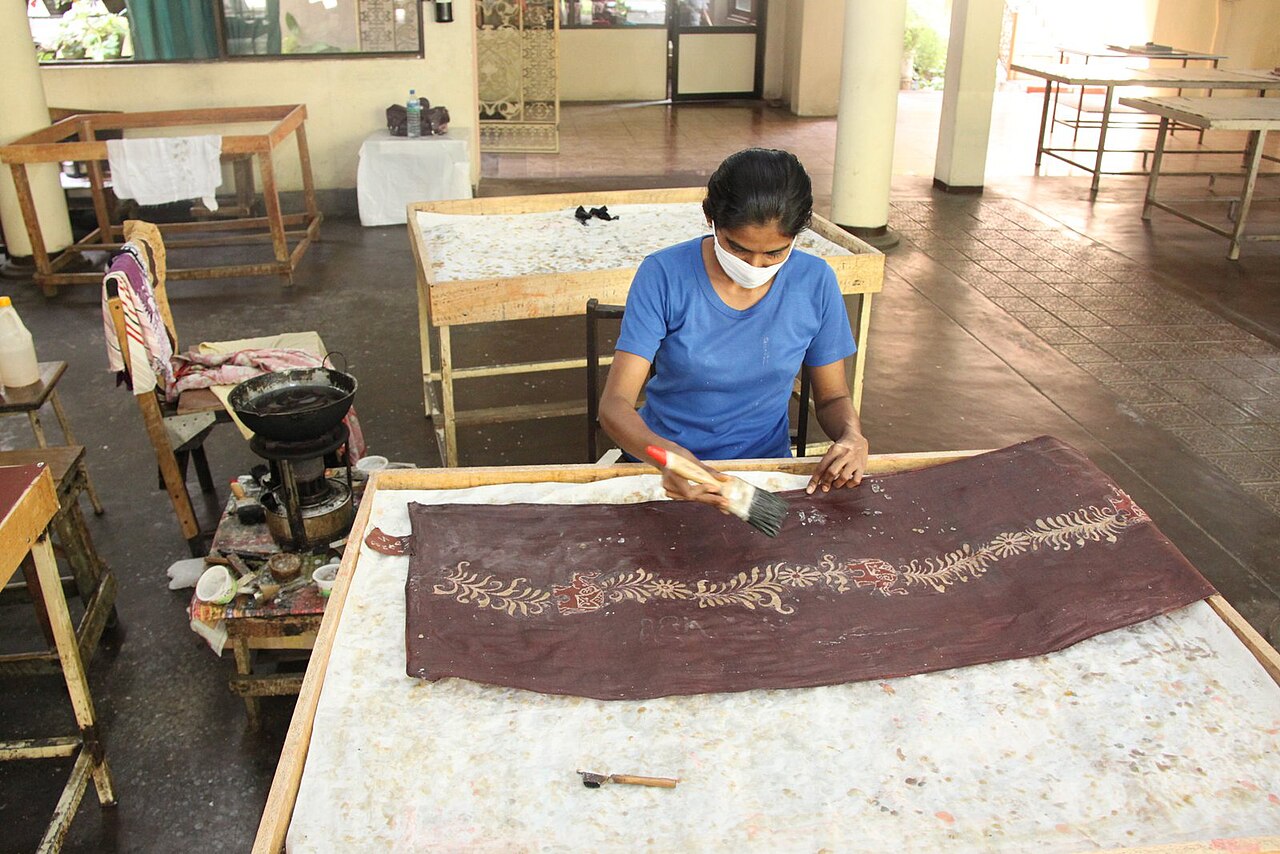
You are on the hunt for a souvenir that is not mass-produced — something you actually made with your own hands, watched take shape under a master’s eye, and can hang on a wall back home with a story attached. Craft workshops are the request that keeps surfacing on every Sri Lanka itinerary, and the island’s craft tradition is astonishingly deep: batik, pottery, carved masks, lacquerware, gem cutting and hand-pounded spices all have living workshops where masters happily let you try your hand. You do not need to be artistic, and you do not need to book far in advance. This guide walks you through the best hands-on craft experiences across Sri Lanka in 2026 — what is genuinely worth your time, what it really costs, and how to tell an authentic workshop from a tour-bus trap.
The short answer
The best all-round craft experience in Sri Lanka is a small batik workshop in Kandy or Ella — roughly $22 per person for two to three hours, and you leave with a finished piece you made yourself. Add a free wander through the mask workshops of Ambalangoda on the south coast and a pottery session that can cost as little as 2,000 LKR (about $6), and you have a genuine, budget-friendly taste of the island’s craft culture without booking a single tour company. If you want the single most distinctive experience, head to Ratnapura — the gem capital — and watch sapphires and moonstones being cut and polished by hand. None of these need advance reservations on most days, and all of them put money directly into the hands of the artisans who keep these traditions alive.
What’s worth doing
- Batik painting (Kandy or Ella). The classic hands-on workshop: a local artisan draws a design in melted wax on cotton while you watch, shows you how the colour baths work, then guides you through drawing and dyeing your own piece. Sessions run two to five hours and finish with your artwork stretched, dried and ready to take home. Expect to pay $22–$25 per person; a shorter version near Ella often bundles a walk through the workshop beforehand. Reviews describe it as “the best part of my Sri Lanka trip” — the artisans are patient and genuinely enjoy teaching.
- Mask carving in Ambalangoda. This small town on the Galle–Bentota coast is the heart of Sri Lanka’s traditional mask carving, passed down through artisan families for generations. The Ariyapala Mask Museum is free to enter and shows the full carved-mask collection, with carvers working right there in the open workshop. For a hands-on version, local master craftsmen run small carving sessions where you shape and paint your own mask under supervision — materials, tools and the mask itself included. Watch for genuine hand-carved pieces (slight tool marks and irregularities) versus machine-made ones with perfectly uniform surfaces.
- Pottery making in a village. Around Kandy and in the island’s clay-working villages, family pottery workshops let you sit at a wheel and shape a bowl or a traditional clay cooking pot under an old hand. Entry-level classes cost about 2,000 LKR (≈$6) for a short session; a longer guided hands-on pottery experience near Kandy runs closer to $125 but includes a skilled potter one-on-one. It is messy, it is grounding, and the finished piece makes a far more meaningful keepsake than anything in a gift shop.
- Gem cutting in Ratnapura. Sri Lanka is one of the world’s great sapphire and moonstone sources, and Ratnapura — the “City of Gems” about 90 minutes southeast of Colombo — is where it all happens. Visit a small cutting workshop to watch rough stones become faceted gems, step into a working gem pit, and try spotting inclusions with a loupe. Private half-day to full-day tours with a gem dealer as guide run roughly $80–$150 depending on length and whether meals are included. If you want to look without the full day out, Beruwala’s moonstone mines on the coast offer a shorter, cheaper glimpse.
- Kandyan lacquerware (laksha) and wood carving in Matale. Matale, the historic Kandyan crafts heartland just north of Kandy, still has a handful of the island’s last lacquer workers who decorate wooden pieces with the traditional insect-lacquer technique — each line finished by a precise nip of the thumbnail. You can watch the demo for free, and some workshops let you paint your own small carved souvenir to take home. It is a quieter, more authentic scene than Kandy town centre and worth the short detour.
- A village cooking class (bonus, not strictly craft). If you consider food a craft — most travellers do — a Sri Lankan cooking class pairs beautifully with the artisan day. From $5 in Kandy to $14–$25 elsewhere, you visit a local market, then cook hoppers, coconut sambol and a curry in a family’s kitchen. Hands-on, delicious, and it leaves you with recipes to recreate at home.
Getting around
You can build a craft-focused loop using Sri Lanka’s surprisingly cheap public transport, and you do not need a car. The scenic train from Colombo to Kandy costs about 400–600 LKR (roughly $1.50–$2.50) for second class and ~1,000 LKR for the observation car; it winds through tea country and is itself a highlight. From Kandy, Matale is a 30–40 minute bus or tuk-tuk ride (about $5–$8). For masks, take the coastal train from Colombo to Galle (600–800 LKR second class) then a tuk-tuk or bus up the Galle Road to Ambalangoda — roughly 40 minutes from Galle. A tuk-tuk for a local trip runs 200–250 LKR per kilometre; agree on the fare before you get in. For Ratnapura, the bus from Colombo takes about two and a half hours and costs a few hundred rupees, though most travellers prefer a private car or guided day trip since the workshops are spread around town. Design your route around the rail lines: Kandy/Matale for batik, lacquerware and pottery, and the Galle–Ambalangoda coast for masks. Avoid squeezing both Kandy and Ratnapura into a single day — the mountain roads are slow and the crafts deserve unhurried time.
What to budget
A craft-focused day is genuinely affordable if you mix free demos with one or two paid sessions. Here is a realistic daily breakdown in USD, assuming you are already staying in the area and just adding craft activities:
- Accommodation: $25–$40 for a clean guesthouse in Kandy or Galle; $50–$90 for a mid-range hotel with pool. Budget stays hover around $18–$25.
- Meals: $2–$4 for a rice-and-curry lunch from a local restaurant; $6–$12 for a nicer dinner. If you take a cooking class, your lunch is included.
- Activities: the biggest variable. A pottery class is ~$6; a batik workshop $22–$25; a mask museum is free and a carving session maybe $25–$50; a guided Ratnapura gem day $80–$150. Budget a single “signature” experience per day ($25–$50) and keep the rest to free demos.
- Transport: trains $1.50–$3 per leg; local buses under $1; tuk-tuks $5–$8 for useful hops. A full private car (if you choose it) runs $50–$60 per day with driver.
Total: a comfortable craft-focused day runs $60–$90 per person including accommodation and one paid workshop; on a tighter backpacker setup you can do it for closer to $40. The workshops themselves are the main recurring cost — budget them as the treat, because the free museums and live demos carry the cultural weight.
WATCH OUT FOR
- The “workshop” that is actually a showroom. Some places call themselves workshops but are really sales floors: a pre-rehearsed five-minute demo, then a hard steer towards the shop. Genuine workshops let you handle tools, get your hands dirty and spend real time with the artisan.
- Machine-made “hand-carved” masks and carvings. On the south coast you will see rows of identical, perfectly smooth, mass-produced masks. Real hand-carved pieces have slight tool marks, minor irregularities and character. Pay for hand work if that matters to you — it also puts money where it belongs.
- Commissions and taxi kickbacks. A tuk-tuk or driver who “knows a great craft place” and insists on waiting for you is likely getting a commission and will bring you to a shop. Politely decline and find your own workshop.
- Inflated “tourist” pricing. Ask the price in writing before you start, and check whether your finished piece is included. Some sessions quote a low class fee, then add a hefty charge to keep the piece — clarify up front.
- Over-booking your day. Stacking a batik class, a cooking class and a mask visit into one day is a classic mistake. Craft sessions run long (two to five hours) and artisans do not rush. One signature workshop plus a free demo beats three rushed ones.
GOOD TO KNOW
- No advance booking needed for most workshops — batik, pottery and mask studios take walk-ins on most days, though a private carving or gem session is worth messaging a day ahead.
- Morning sessions are best. Studios start early, it is cooler, and your piece has time to dry or fire before you leave the area. Plan crafts for the first half of the day.
- You do not need to be artistic. Every workshop is designed for beginners; the artisan handles the tricky bits and you add the personal touches. Bring patience, not talent.
- Pay in cash where possible — many small family workshops do not take cards comfortably, and cash (in rupees) helps you avoid card surcharges.
- Clothing: wear light, cool clothes and closed shoes for gem and wood workshops; batik and pottery can get dye or clay on you, so old clothes are smart.
- Ship or carry: most finished pieces are flat and light (batik, small masks) and travel well in your luggage; larger carvings and pottery may need bubble wrap. Ask at the studio before flying home.
- Combine crafts with an existing day trip. Masks sit naturally on the Galle–Ambalangoda coastal route, and batik/lacquerware on a Kandy–Matale day, so you rarely need a dedicated journey just for crafts.
WHERE TO STAY
- Sri Lanka Backpacker Hostel, Kandy — travellers repeatedly highlight how the friendly staff help you arrange same-day batik, pottery and cooking workshops in the area, and the central location means the studios and the Kandy lakeside are all within easy reach — a practical, sociable base for a craft-focused stay.
- Queen’s Hotel Kandy — a grand colonial classic right opposite the Temple of the Tooth and the lake, praised in reviews for its old-world character and central position that makes it effortless to wander out to the craft quarter and local workshops on foot.
- Jetwing Lighthouse, Galle — guests consistently mention the hotel’s convenient spot on the Galle Road between the Fort and Ambalangoda’s mask country, plus the serene cliff-top setting and pool to return to after a hands-on craft day — families in particular appreciate the space.
- Ambalangoda Beach Resort — located right on the coast near the mask workshops, with reviews highlighting the quiet beachfront and the staff’s local knowledge of the nearby carving studios — a convenient, value-conscious pick if masks are your main reason to be on this coast.
- Vision Camp Ella — a cosy hill-country stay that travellers praise for its relaxed vibe and helpful hosts who point you to the local Ella batik studio and tea-factory visits, pairing well with a craft day in the cooler highlands.
The bottom line
Craft workshops are one of the most rewarding and reasonably priced ways to connect with Sri Lanka’s culture — you trade a trinket for a story, a skill and a handmade piece that means something. Whether you choose a two-hour batik class in Kandy, a free wander through Ambalangoda’s mask workshops, or an unhurried morning watching sapphires take shape in Ratnapura, the memories last far longer than the few dollars they cost. Go curious, go unhurried, and let the artisans guide your hands — you will come home with far more than a souvenir.
Keep exploring the artisan side
Hands-on workshops pair well with these:
- Where to buy souvenirs in Sri Lanka
- Kandy or Nuwara Eliya? — picking your hill-country base
- What to pack — leave room for what you make
- The 2026 cost guide — workshop and class prices in context
Have a specific question about your Sri Lanka trip?
Ask BYC at byc.lk — Free and honest. Some links are affiliate links and never change our advice.
Ask BYC Your Question →