How to Get from Hiriketiya to Arugam Bay: Taxi, Bus & Every Option in Between
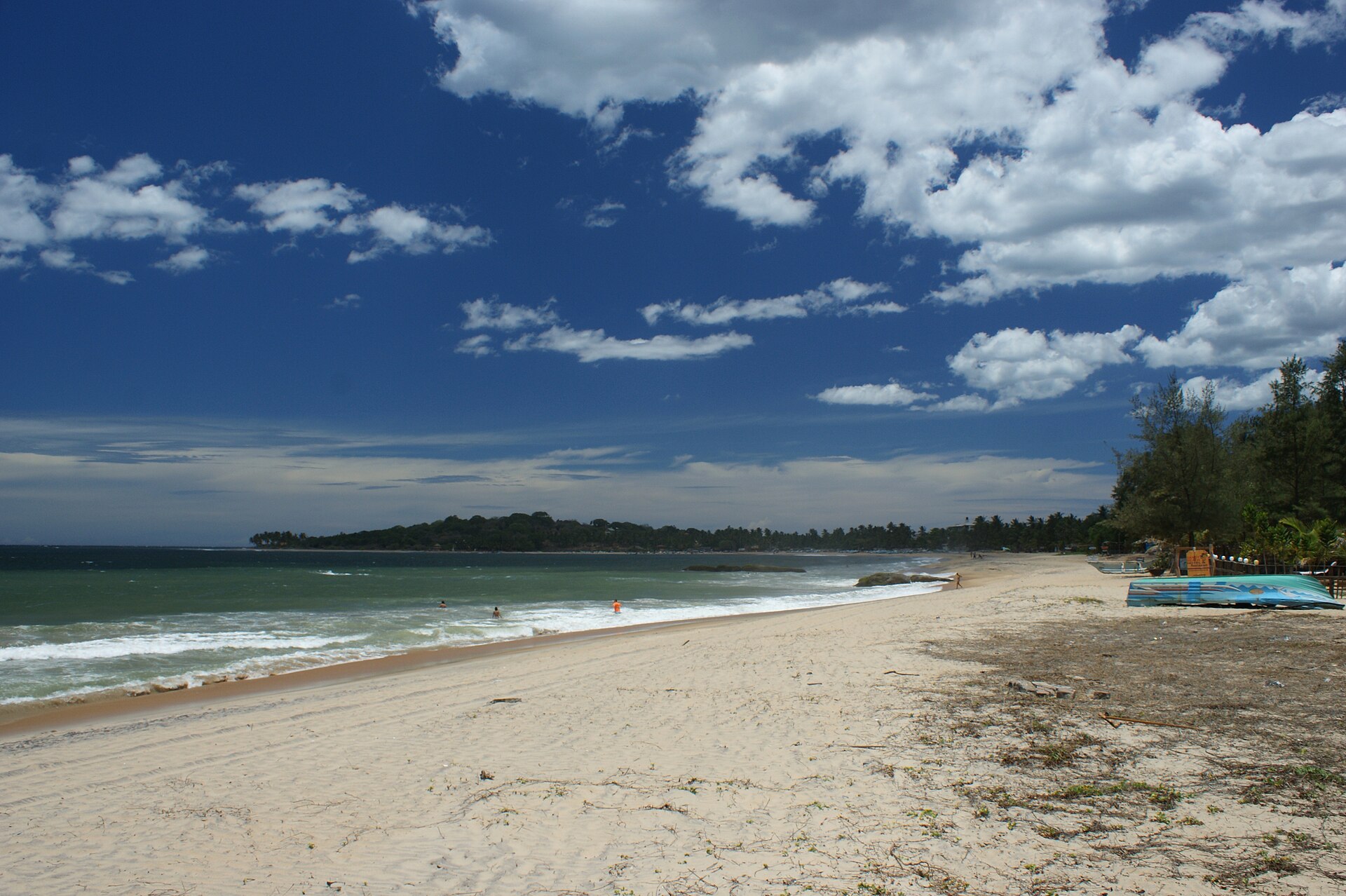
You are surfing Hiriketiya's palm-fringed bay one morning and dreaming of Arugam Bay's famous point break the next — but the two beaches sit on opposite sides of Sri Lanka, and the gap between them looks intimidating on a map. The south coast and the east coast are connected by one long, winding road through the island's dry zone, and nearly every traveller making the move asks the same thing: how do you actually cross? The honest answer is that it is very doable in a single day by car, very doable in two relaxed days by bus, and the journey through Wellawaya, Monaragala and the elephant country in between is a highlight in its own right — not a boring gap to be endured.
The short answer
Take a private car if you can — roughly 230 km, 4.5–5.5 hours, US$80–130 for the whole vehicle — or turn the bus route into two comfortable legs with a night in the hill country. There is no direct bus and no train on this corridor at all, so your real choices are a taxi (fast, flexible, and easy to split between travellers), the bus chain via Matara–Wellawaya–Monaragala–Pottuvil (cheap and scenic, but 9–12 hours door to door), or the classic two-day version that stops in Ella. Most travellers who are not in a rush pick the two-day option — it turns the transfer into one of the best stretches of the whole trip.
What's worth doing
Neither end of this route is a one-trick beach town, and the road between them passes real sights worth pricing into your plan:
- Hiriketiya's bay and surf — a horseshoe of turquoise water fringed by palms and jungle, with a gentle left-hand point break that suits beginners and intermediates alike. Mornings are glassy, the beach cafes serve some of the best coffee on the south coast, and the sunset cliff jump is a rite of passage. It is a small, walkable village — two or three days is plenty.
- Tangalle and the deep south — twenty minutes west of Hiriketiya, Tangalle's long beaches (Goyambokka, Medaketiya) are far quieter than Mirissa or Weligama. The review data across thousands of stays shows the deep south is where travellers go to switch off completely — expect empty sand, sea views and very little nightlife.
- Buduruwagala — seven colossal Buddha figures carved into a cliff face, about 20 minutes off the route near Wellawaya. It is one of Sri Lanka's most impressive and least-visited ancient sites, with a small entrance fee and almost no crowds; the walk up the rock gives you views across the southern plains.
- An Ella stopover — if you split the crossing into two days, Ella is the natural halfway point: Little Adam's Peak at sunrise, the Nine Arches bridge, and a ridiculously good food scene for a town its size. It adds a night to the itinerary, but travellers who do it consistently rate it as one of the best decisions of the trip.
- The Monaragala–Siyambalanduwa elephant corridor — the A4 highway between Monaragala and Pottuvil cuts through genuine wildlife territory. Dawn and dusk crossings regularly see elephants beside the road, and the dry-zone landscape — granite outcrops, tank lakes, scrub forest — is a complete change of scenery from the coast. Keep your camera ready and give any elephants a very wide berth.
- Arugam Bay itself — the east coast's surf capital: Main Point for the famous right-handers, Whiskey Point for longboarders, Elephant Rock and Baby Point for beginners. Beyond surfing there is the lagoon, the night market, and a string of beach bars that give the bay its legendary evening energy. It is a proper town with proper infrastructure — cash machines, board rentals, and more cafes than you would expect.
Getting around
Here is how to actually cross the island, priced honestly:
- Private taxi (fastest, most popular): US$80–130 for the full door-to-door run — air-conditioned car, 4.5–5.5 hours, stops whenever you want for photos, food or Buduruwagala. For a couple or a small group this is the no-brainer option; the price does not change much whether it is two or four passengers.
- Shared taxi (the smart budget middle): travellers pairing up to split a four-seater is common and completely normal — the per-person cost drops to roughly US$30–45. Ask at your guesthouse a day ahead; hosts know who is heading the same way, and most drivers are happy to take two parties in one car.
- Bus (cheapest, slowest): there is no direct bus, so you chain local services: Hiriketiya to Matara (30–40 minutes), Matara to Wellawaya (3.5–4 hours), Wellawaya to Monaragala (1–1.5 hours), Monaragala to Pottuvil (2.5–3 hours) — then a tuk-tuk the last 5 km into the bay. Total cost is under US$6 per person, but expect 9–12 hours with transfers, and start early: the first buses leave Matara around 6 a.m.
- Via Ella (the scenic two-day option): bus Hiriketiya → Matara → Ella in the afternoon, overnight in the hills, then the early-morning bus from Ella toward Ampara (roughly 7–7:30 a.m. departures stop at Wellawaya, Monaragala and Siyambalanduwa) — you arrive in Pottuvil by early afternoon. It costs barely more than the one-day bus route and turns a long day into two good ones.
What to avoid: do not plan around the railway — no train serves this corridor, and the nearest stations are hours away in either direction. Do not try the whole one-day bus run with a heavy suitcase; it is a backpack-friendly route, not a luggage-friendly one. And avoid driving the A4 stretch after dark — that is prime elephant-crossing time.
What to budget
An honest per-person breakdown for the crossing and a first day in Arugam Bay:
- Private taxi, whole car: US$80–130 (US$40–65 per person for two; US$20–33 for four)
- Shared taxi, per person: US$30–50
- Bus route, per person: US$3–6 total for all four legs
- Overnight in Ella (if splitting): US$15–40 for a double room; meals US$3–8
- Food on the road: rice and curry US$2–4, kottu US$2–3, fruit and water pocket change
- Buduruwagala entrance: a couple of dollars, cash only
- Arugam Bay daily budget (mid-range): US$35–60 per person — guesthouse double US$20–45, meals US$4–10, board rental US$5–8, a couple of beers US$3–6
- Surf lesson (if you want one): US$10–15 including board
WATCH OUT FOR
- The "no train" trap: this corridor has no railway at all. Travellers who assume the coastal line runs all the way around the island waste half a day finding out otherwise — check transport plans against reality before you commit.
- Taxi quotes that creep up: agree the full price before loading the car, and confirm it covers the boards (if you have them) and any stops. A fair door-to-door rate for Hiriketiya to Arugam Bay is US$80–130 — if a quote is dramatically higher, get a second one.
- Bus timings that do not exist: schedules on this route shift with demand, and some listed services are seasonal. Ask at the bus station the day before, and be at the stop early — buses leave when full, not when the timetable says.
- Elephants after dark: the Monaragala–Pottuvil road crosses elephant corridors, and collisions happen. If you are driving, finish the crossing in daylight; if you are on a bus, enjoy the wildlife from a safe distance.
- Surfboard logistics: buses will not take a board gladly, and tuk-tuks struggle with them. If you are travelling with boards, the private or shared taxi is effectively your only sane option — budget for it.
- The monsoon mismatch: from May to September the east coast is in its dry season while the south coast gets rain — that is exactly why this crossing is so popular in those months. If you are crossing in season, expect Arugam Bay to be busy and book accommodation ahead; in the off-season (October–April) the bay is quieter and many guesthouses shut down, so check what is actually open.
GOOD TO KNOW
- Best months for the crossing: May–September — the east coast is dry, the surf is up and the whole move makes weather sense.
- Book taxis through your guesthouse: hosts in Hiriketiya and Tangalle deal with reliable drivers every week and will quote you a fair rate; it also gives you a local point of recourse.
- Cash is king east of Monaragala: ATMs are scarce in Pottuvil and Arugam Bay — withdraw in Matara or Wellawaya before the last leg, and keep small notes for bus fares and tuk-tuks.
- Download offline maps before you leave Hiriketiya: mobile signal thins out through the dry zone, and offline navigation will save you a lot of guessing at junctions.
- Ask about shared cars early: guesthouse noticeboards and morning breakfast tables are where half the shared taxis on this route get organised — mention your plan the evening before.
- The Wellawaya road is the scenic one: the alternative via Hambantota and the coast is longer and less interesting; the inland route through the hills and dry zone is the one travellers remember.
- Arugam Bay season runs May–September: outside that window the famous breaks go flat and much of the town closes — plan the crossing around the east coast's season, not the south coast's.
WHERE TO STAY
Review-backed picks at both ends of the crossing, drawn from our database of 353,600+ verified guest reviews:
- Agra Arugambay (9.71/10 from 108 reviews) — reviewers consistently praise the staff and the spotless private rooms with a great breakfast included: "everything you would want from a cool, relaxed guesthouse in Arugam Bay, with everything taken care of."
- Fins Arugambay (8.27/10 from 121 reviews) — a beachfront hostel whose location is the story: guests love being "right by the beach with easy access to surf spots," with a friendly vibe that still lets you sleep.
- Nikara Beach Villas (8.59/10 from 117 reviews) — the food is the headline: one guest called it "the most incredible food we've had in a nearly three-week trip," with the team looking after guests "like family."
- Seven Turtles (9.39/10 from 258 reviews), near Tangalle — a small 10-room hotel directly on the sand; reviewers highlight the large, spotless rooms, generous balconies and a restaurant that "has something for every taste."
- Igabara Hobbit House (9.71/10 from 187 reviews), near Rakawa — a storybook stay whose hobbit-style architecture guests call "unique and memorable" — a perfect slow-down night before you cross the island.
The bottom line
The south-to-east crossing is not the ordeal it looks like on a map — it is a scenic half-day by car or a genuinely enjoyable two-day journey by bus, and the stretch through the dry zone is one of the most underrated drives in Sri Lanka. Share a car if you can, allow a night in Ella if you cannot, and you will roll into Arugam Bay with the surf pumping, the beach warm and the crossing already feeling like part of the holiday — the moment the two coasts finally connect is the moment the trip clicks into place.
If the drive through the dry zone tempts you to break it up, the empty middle of the route is worth a detour in its own right — see our guide to Monaragala, the jungle district of ancient rock Buddhas, Yala Block 5 and almost no other tourists, about two hours short of Arugam Bay.
Have a specific question about your Sri Lanka trip?
Ask BYC at byc.lk — Free and honest. Some links are affiliate links and never change our advice.
Ask BYC Your Question →